Mole Changes: What's Normal Aging and What Needs a Doctor
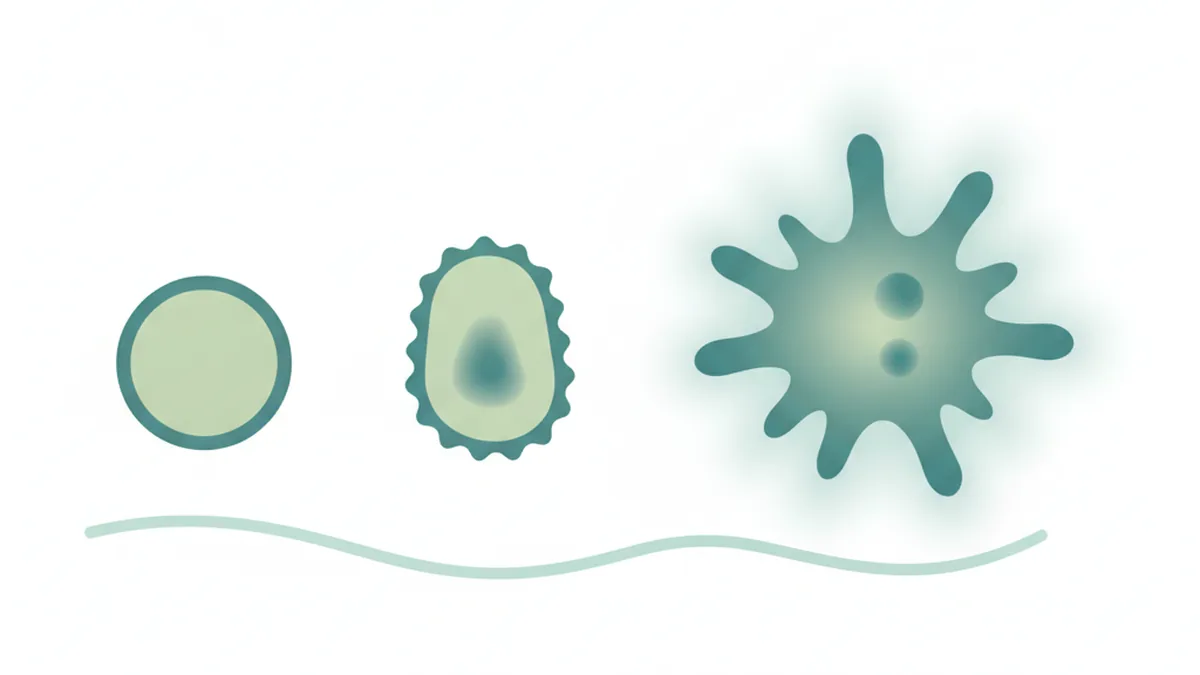
You glance at your shoulder in the mirror and pause. That mole you've had for years looks... different. Maybe darker? Or larger? Your mind immediately goes to the worst-case scenario, but then you wonder if you're overreacting. After all, you're not 25 anymore — don't bodies just change?
Here's the honest answer: yes, moles do change as we age, and most of those changes are completely benign. But some changes are early warning signs of melanoma, one of the few cancers where catching it early makes an enormous difference in outcomes. The trick is knowing which is which.
Key Takeaways
- Most moles naturally fade and flatten with age, becoming lighter and less defined — this is normal.
- Any mole that darkens, develops irregular borders, grows asymmetrically, or changes texture over weeks to months warrants evaluation.
- The ABCDE rule (Asymmetry, Border, Color, Diameter, Evolving) remains the gold standard for self-assessment, but "evolving" is often the most telling sign.
- New moles appearing after age 40 deserve closer attention than ones you've had since childhood.
Why Do Moles Change Over Time?
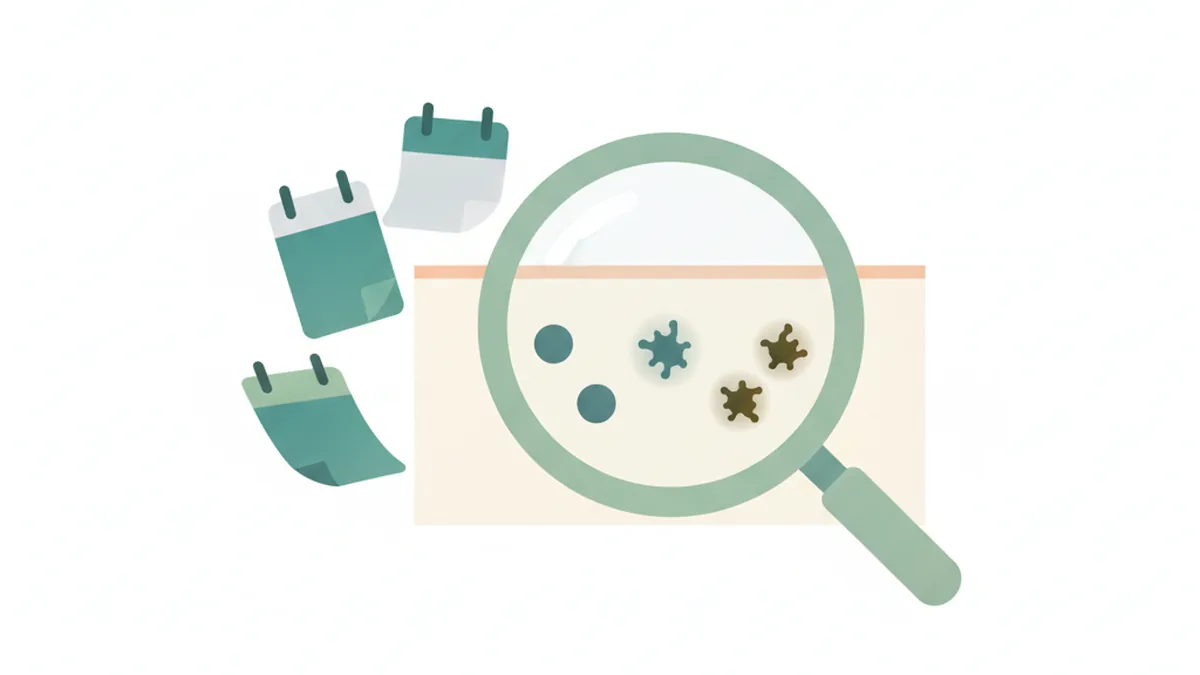
The technical term for a common mole is a melanocytic nevus — essentially a cluster of pigment-producing cells (melanocytes) that decided to hang out together in one spot. Most people develop these during childhood and adolescence, with the average adult having between 10 and 40 moles by their thirties.
What surprises many people is that moles have a natural lifecycle. In your twenties and thirties, they're often at their most prominent — raised, dark, well-defined. As you move into your forties, fifties, and beyond, many moles begin to slowly fade. The pigment becomes less concentrated. The borders soften. What was once a dark brown dome might become a tan, flat smudge that eventually disappears entirely.
This fading happens because melanocytes gradually become less active with age. Think of it as your moles retiring. The cells are still there, but they're producing less melanin, and the overall cluster may shrink. Some dermatologists describe older moles as "burnt out" — they've done their job of being visible, and now they're quietly fading into the background.
Sun exposure accelerates this process, which is why moles on chronically sun-exposed areas (face, arms, hands) tend to fade faster than those on your back or legs. The UV damage essentially speeds up the cellular aging process.
So if your moles are becoming lighter, flatter, and less noticeable as you age, that's following the expected script. It's the moles that buck this trend — the ones getting darker, more raised, or more irregular — that deserve attention.
Is This Change Serious?
Not every mole change means melanoma. Worth stating upfront, because that's the fear driving most people to examine their skin in the first place. But context matters enormously.
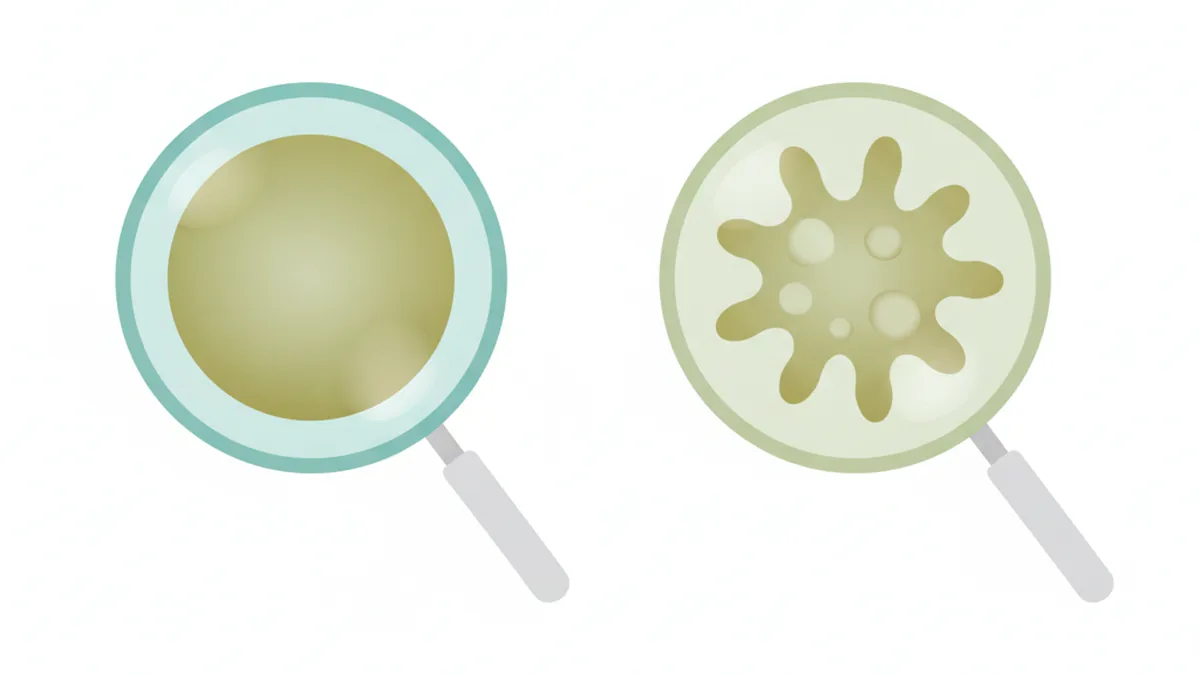
Benign changes usually happen slowly and symmetrically. If a mole has gradually lightened over several years, or if it's become slightly larger but maintained its uniform color and round shape, you're likely witnessing normal aging. Benign moles also tend to change predictably across your whole body — if multiple moles are fading, that's reassurance.
Worrisome changes tend to be rapid and irregular. A mole that develops a notched border over three months. One side suddenly darkening while the other stays the same. A texture change from smooth to scaly or crusty. These asymmetric, relatively quick changes are what pull dermatologists' attention.
Melanoma can be subtle, though. Early-stage melanomas sometimes look like "ugly ducklings" — they don't necessarily scream cancer, they just look... off compared to your other moles. Maybe it's slightly different in color. Or the shape is a bit wonky. Your brain registers something isn't quite right.
Research consistently shows that people often notice their own melanomas before doctors do, simply because they know what's normal for their body. That vague sense of "this doesn't look like my other moles" is worth trusting.
The other clinical red flag is the new mole after 40. While it's not impossible to develop benign moles in middle age, the ratio shifts. After 40, a genuinely new pigmented spot has a higher chance of being something other than a simple mole. Not a guaranteed melanoma, but definitely worth having evaluated rather than assuming it's harmless.
What Should I Actually Do?
Start with the ABCDE check. This framework, widely promoted by the American Academy of Dermatology, gives you a systematic way to evaluate suspicious moles:
Asymmetry: Draw an imaginary line through the center. Do both halves match, or is one side shaped differently than the other? Benign moles tend toward symmetry; melanomas often don't.
Border: Are the edges smooth and well-defined, or irregular, notched, or blurred? Normal moles have crisp borders. Melanoma borders often look like a coastline on a map — all jagged inlets and peninsulas.
Color: Is the color uniform throughout, or does it vary with shades of brown, black, red, white, or blue within the same mole? Benign moles are usually one consistent color. Multiple colors in one spot raise concern.
Diameter: Is it larger than a pencil eraser (about 6mm)? While melanomas can certainly be smaller, size does increase suspicion, especially combined with other ABCDE factors.
Evolving: Has it changed in size, shape, color, or texture? Has it started itching or bleeding when it never did before? Evolution is often the most important factor. A large mole that's been stable for decades is less concerning than a small one that's rapidly changing.
If a mole hits multiple ABCDE criteria, that's a clear signal to see a dermatologist. But even one strong positive — particularly the "E" — warrants evaluation.
Keep a photographic record. Your smartphone is genuinely useful here. Take well-lit photos of concerning moles every month or two. Compare them side by side. Our visual memory is terrible at detecting gradual change, but comparing March to June photos makes changes obvious. Note the date, and try to photograph with something for scale (a ruler works, though even a coin helps).
Know your risk factors. Not everyone faces the same melanoma odds. Higher risk groups include people with fair skin that burns easily, those with a personal or family history of melanoma, anyone with more than 50 moles, people with atypical moles (larger, irregularly shaped moles), and those with significant sun exposure or tanning bed use in their past. If you check several of these boxes, you should probably have annual full-body skin exams with a dermatologist, even without a specific concerning mole.
Don't ignore your gut. Clinical criteria matter, but so does that nagging feeling that something's off. If a mole bothers you — you keep touching it, looking at it, worrying about it — just have it checked. The appointment takes 15 minutes. The peace of mind (or early detection if it is something) is worth far more than the copay.
For genuinely urgent red flags, don't wait weeks for a routine appointment. Seek quicker evaluation if a mole: - Bleeds spontaneously without trauma - Develops a sore or ulceration that won't heal - Changes dramatically in a matter of weeks - Becomes painful, itchy, or tender when it never was before - Appears suddenly as a new dark or black spot and grows rapidly
These aren't subtle, years-long changes. They're changes that make you think, "That definitely wasn't like this last month."
When Does This Affect Different Groups?

Melanoma risk isn't evenly distributed. While anyone can develop skin cancer, certain patterns hold:
Younger adults (20s-30s) with high lifetime sun exposure or tanning bed use face increasing melanoma rates, bucking the typical cancer trend of older diagnosis. For this group, any new atypical mole or changing existing mole deserves attention, even though it feels "too young for cancer."
Middle-aged adults (40s-50s) hit a sweet spot where accumulated sun damage starts manifesting, but skin is still producing active melanocytes. New moles here are less common and more suspicious. This is also the age where people often stop having regular checkups, so skin cancer can advance unnoticed.
Older adults (60+) develop the highest absolute melanoma rates, but also face a different challenge: distinguishing melanoma from the dozens of age spots, seborrheic keratoses (those waxy brown growths), and other benign skin changes that accumulate. Dermatologists often say their oldest patients have the "busiest" skin, making the ugly duckling approach especially useful.
Darker skin tones face lower overall melanoma rates but higher mortality rates when it does occur, largely due to later detection. Melanoma in darker skin often appears in atypical locations (palms, soles, under nails, mucous membranes) that people — and sometimes doctors — don't think to check. The myth that "Black and brown people don't get skin cancer" has real consequences.
Pregnant individuals sometimes notice moles darkening during pregnancy due to hormonal changes. Most of these changes are benign, but the general rule still applies: rapid, asymmetric change warrants evaluation, pregnancy or not. Don't dismiss concerning changes as "just pregnancy hormones" without having them checked.
What Happens During a Skin Check?
If you do see a dermatologist about a mole, here's what to expect: They'll examine the mole visually, often using a dermatoscope — a magnifying tool with special lighting that reveals subsurface patterns invisible to the naked eye. They're looking at pigment distribution, vascular patterns, and structural features that help distinguish benign from malignant.
If the mole looks suspicious, the next step is a biopsy. This isn't as intimidating as it sounds for most moles. The dermatologist numbs the area with local anesthetic, then removes either the entire mole (excisional biopsy) or a small portion (punch or shave biopsy). The sample goes to a pathologist who examines it microscopically.
Results typically come back within a week or two. If it's benign, you're done. If it shows atypical cells or melanoma, the dermatologist will discuss next steps, which might include removing more tissue around the biopsy site to ensure clear margins.
Caught early — when melanoma is still confined to the top layer of skin — the five-year survival rate exceeds 99% (per the American Cancer Society). Once it spreads to lymph nodes or distant organs, that rate drops significantly. This is why the "wait and see" approach with genuinely suspicious moles carries real risk.
Frequently Asked Questions
Can a normal mole suddenly turn into melanoma?
Most melanomas develop from scratch in previously normal skin, not from existing moles. However, existing moles can harbor early melanoma cells that weren't visible initially. The practical takeaway: treat any significant mole change as potentially new melanoma growth, even if the mole itself is old.
How often should I do self-skin checks?
Monthly checks give you enough time to notice changes without obsessing daily. Pick a consistent day — first of the month works for many people — do a thorough head-to-toe examination in good lighting, and photograph anything that concerns you. Use a hand mirror or partner for hard-to-see areas like your back.
Are raised moles more dangerous than flat ones?
Not inherently. Plenty of benign moles are raised (these are often intradermal nevi). The danger isn't in the current elevation but in changes to it — a flat mole becoming raised, or a raised mole developing an irregular surface. Stability matters more than structure.
What if I have dozens of moles — do I need to track all of them?
Focus on the ones that look different from your baseline or are changing. Most people have a dominant mole "pattern" — if 30 of your moles are small, round, and light brown, those are probably fine. It's the one that's darker, irregularly shaped, or evolving that needs attention. The ugly duckling stands out from the flock.
Can sunscreen prevent moles from changing?
Sunscreen significantly reduces melanoma risk by preventing UV damage, but it can't reverse existing changes or guarantee moles stay static. Think of it as essential prevention, not treatment. If you already have a changing mole, sunscreen doesn't eliminate the need for evaluation — but consistent sun protection absolutely reduces future melanoma risk.
This article is for informational purposes only and isn't a substitute for medical advice. Talk to a qualified healthcare provider about your specific situation.
Sources & further reading
This article draws on guidance from recognized health authorities:
- CDC — Symptoms of Skin Cancer
- Cleveland Clinic — ABCDEs of Melanoma: Warning Signs of Skin Cancer
- MedlinePlus — Melanoma


Comments
Post a Comment