When Your Body Jerks Awake: The Truth About Sleep Twitching
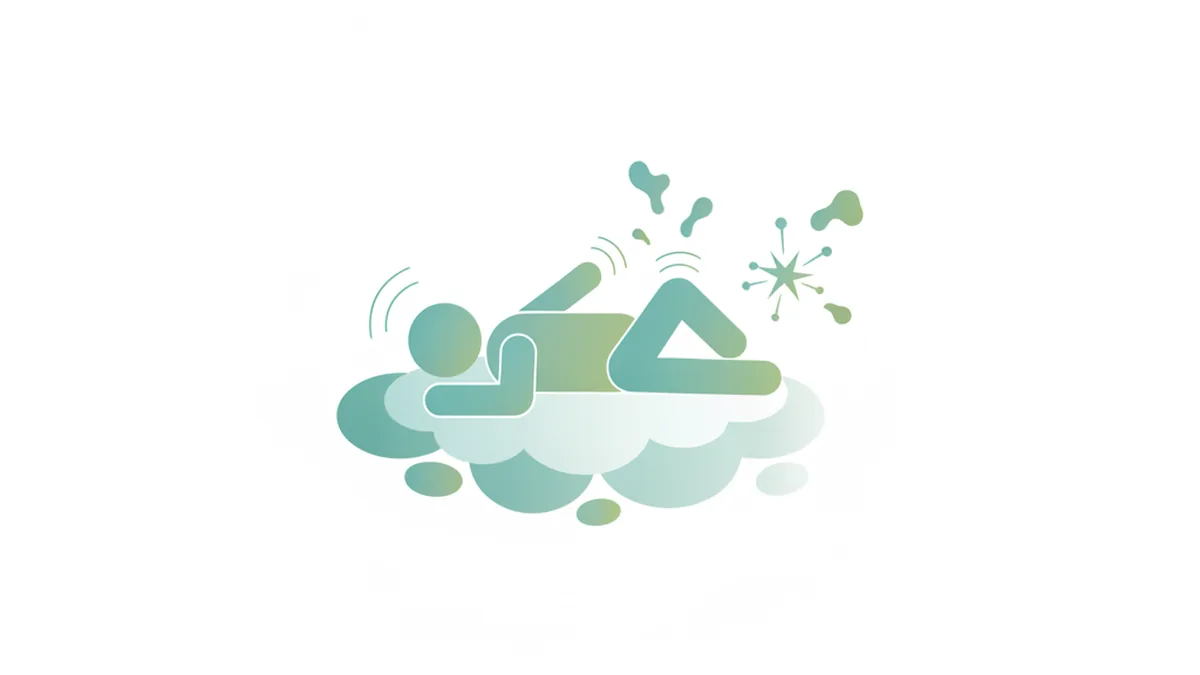
You're finally settling into bed after a long day. Your breathing slows. Your thoughts start to blur. Then — BAM — your entire leg kicks out like you've been shocked, and you're wide awake again, heart racing, wondering what the hell just happened.
You've just experienced a hypnic jerk, one of the most common yet least understood quirks of human sleep. Roughly 70% of people experience these sudden muscle contractions as they transition from wakefulness to sleep, though many don't remember them. Some feel like a mild twitch. Others feel like you've missed a step on an invisible staircase.
The weird part? Your brain creates these jolts during the exact moment it's supposed to be shutting down for the night. Understanding why reveals something fascinating about how your nervous system manages one of the trickiest transitions it makes every day.
Key Takeaways
- Hypnic jerks are sudden, involuntary muscle contractions that happen as you fall asleep — they're nearly universal and usually harmless.
- Stress, caffeine, intense evening exercise, and irregular sleep schedules make them more frequent and intense.
- Isolated twitches don't require treatment, but paired with other symptoms like sleep disruption or daytime jerking, they warrant a medical conversation.
- Simple changes — consistent sleep timing, reduced evening stimulants, gentler nighttime routines — often reduce their frequency dramatically.
What's Actually Happening in Your Brain
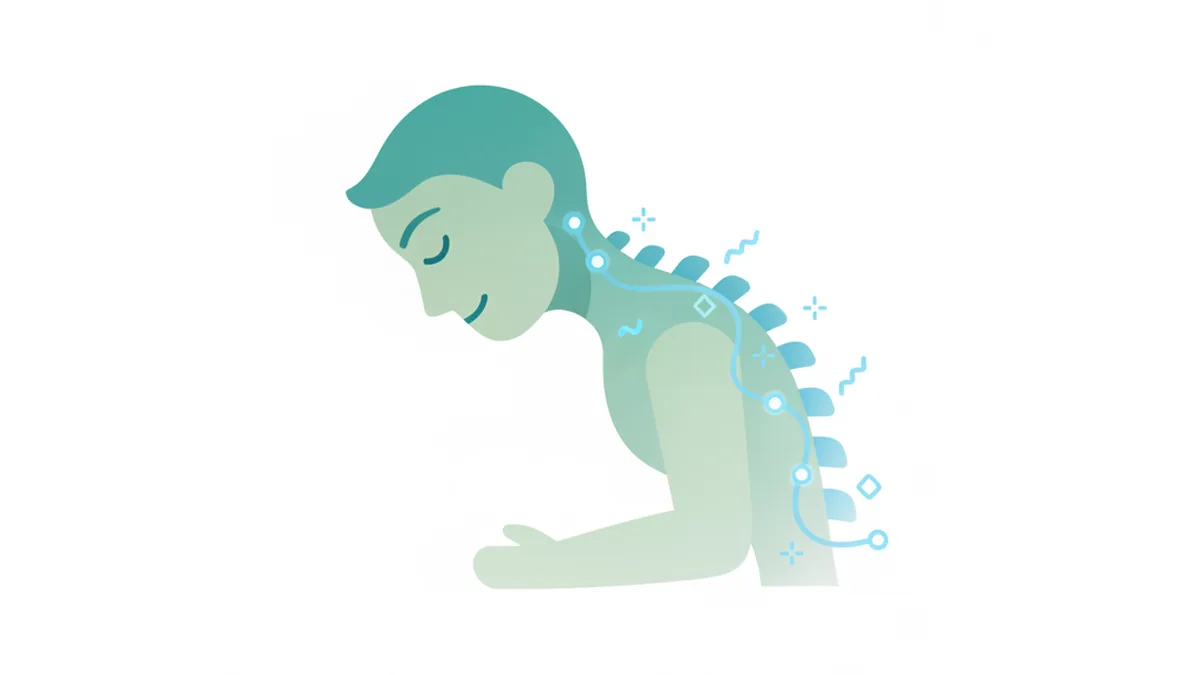
Your body doesn't just "turn off" when you sleep. It goes through a carefully choreographed shutdown sequence, and hypnic jerks happen when that sequence hits a snag.
As you drift toward sleep, your brain stem begins inhibiting motor neurons — essentially paralyzing your muscles so you don't act out your dreams later. Your heart rate drops. Your temperature decreases. Your breathing shifts from voluntary to automatic control. This transition from wakefulness to sleep stage one takes just minutes, but it requires dozens of neural systems to coordinate perfectly.
Here's where it gets interesting. Sometimes, as your voluntary motor control powers down, your brain misinterprets the sudden muscle relaxation as falling. The motor cortex fires a last-ditch signal to "catch yourself," causing your legs or arms to jerk violently. You're not actually falling — your reticular activating system is just confused by the rapid change in muscle tone.
Other times, the jerk seems related to external stimuli your brain is still semi-processing. A noise, a flash of light, even a random thought can trigger a motor response during this vulnerable transition period. Your arousal system hasn't fully disengaged, so part of your brain still reacts to the world like you're awake.
The intensity varies wildly. Some hypnic jerks barely register — a toe twitch, a finger flutter. Others involve your entire body and wake you completely. That variation relates to how deeply you've already descended into sleep when the jerk occurs and which muscle groups your motor cortex randomly activates.
Research consistently shows these jerks cluster in the first sleep cycle, typically within 10-15 minutes of closing your eyes. They're rare in deep sleep or REM, when different inhibitory mechanisms take over.
Why Yours Might Be Getting Worse
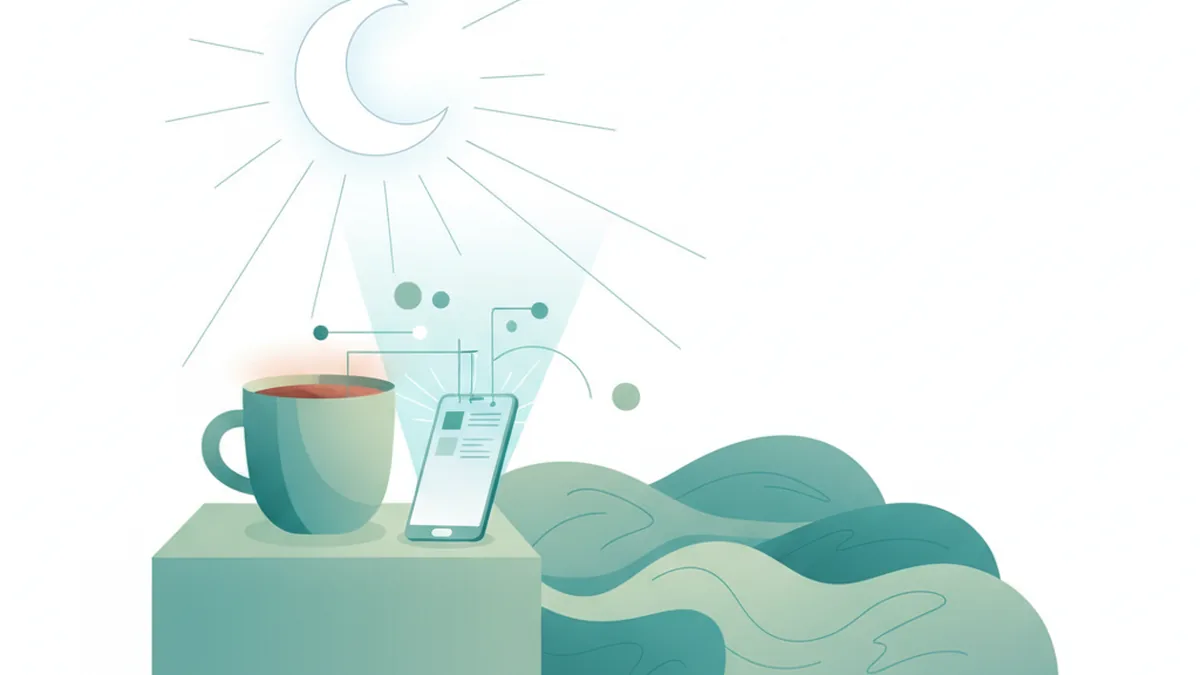
If you've noticed more frequent or violent sleep twitching recently, you're probably doing something that makes the wake-to-sleep transition rougher.
Caffeine after 2 PM is a major culprit. Adenosine — the chemical that makes you feel sleepy — builds up in your brain all day. Caffeine blocks adenosine receptors, so even if you feel tired at bedtime, your arousal system stays partially active. That creates the exact scenario where hypnic jerks thrive: you're trying to sleep, but your nervous system is still revved up. The later you consume caffeine, the more it disrupts the smooth transition you need.
High-stress periods make hypnic jerks worse through multiple pathways. Cortisol keeps your sympathetic nervous system primed. Racing thoughts prevent the cognitive quieting that precedes sleep. Muscle tension from stress means your motor neurons are already closer to their firing threshold. When your brain tries to inhibit them, the contrast is sharper — hence bigger jerks.
Intense exercise within three hours of bed presents a similar problem. Your core temperature stays elevated. Adrenaline and noradrenaline linger in your bloodstream. Your muscles are metabolically active. All of this works against the gradual downshift your body needs. Moderate exercise earlier in the day actually improves sleep, but a hard workout at 8 PM almost guarantees more pronounced twitching.
Irregular sleep schedules are particularly problematic because they prevent your circadian rhythm from anticipating the transition. When you go to bed at wildly different times, your brain stem doesn't get the preparatory signals it needs. The shutdown happens abruptly rather than gradually, increasing the likelihood of misfires.
Some people also notice more hypnic jerks when they're sleep-deprived. This seems counterintuitive — wouldn't you fall asleep faster when exhausted? — but severe fatigue can cause an abnormally rapid descent into sleep. Your brain tries to shut down too quickly, and the systems don't coordinate properly.
Worth noting: nicotine and alcohol both increase hypnic jerk frequency, though through different mechanisms. Nicotine is a stimulant that keeps arousal high. Alcohol initially sedates you but disrupts sleep architecture later, causing more arousals during the first cycle — right when hypnic jerks typically occur.
When They're Actually a Problem
Isolated hypnic jerks, even dramatic ones, don't indicate anything wrong. But sometimes sleep twitching signals something worth investigating.
Frequent jerks that consistently prevent you from falling asleep might indicate an underlying sleep disorder. Periodic limb movement disorder causes repetitive twitching throughout the night, not just at sleep onset. Restless legs syndrome creates uncomfortable sensations that trigger movement. Both disrupt sleep quality and deserve professional evaluation.
Jerking that happens during the day — not as you're falling asleep — is a different phenomenon entirely. Myoclonic seizures, metabolic issues, or neurological conditions can cause involuntary muscle contractions while you're fully awake. If you're experiencing that, skip the internet research and contact a doctor promptly.
Sleep twitching paired with other concerning symptoms warrants attention. If you're also having difficulty breathing during sleep, severe snoring, excessive daytime sleepiness, or morning headaches, you might be dealing with sleep apnea or another disorder that happens to make hypnic jerks more noticeable. The jerks themselves aren't the problem, but they're appearing alongside things that are.
Violent movements that injure you or a partner — not just startle you awake — suggest you might be entering REM sleep behavior disorder territory. That's distinct from hypnic jerks and involves acting out dreams because the normal REM paralysis isn't working. If you're punching, kicking, or flailing during what seems like deeper sleep, get evaluated. It can be managed, but it requires diagnosis.
Twitching that progressively worsens over weeks or months deserves investigation, especially if you're over 50. While most cases trace back to stress or lifestyle changes, occasionally muscle twitching can be an early sign of neurodegenerative conditions. Far more often, it's benign fasciculation syndrome — annoying but harmless — but a neurologist can differentiate.
Age matters in assessment. Hypnic jerks are nearly universal in children and young adults. They remain common through middle age. If they suddenly appear for the first time in your 60s or 70s, that unusual timing justifies a conversation with a healthcare provider.
What Actually Helps
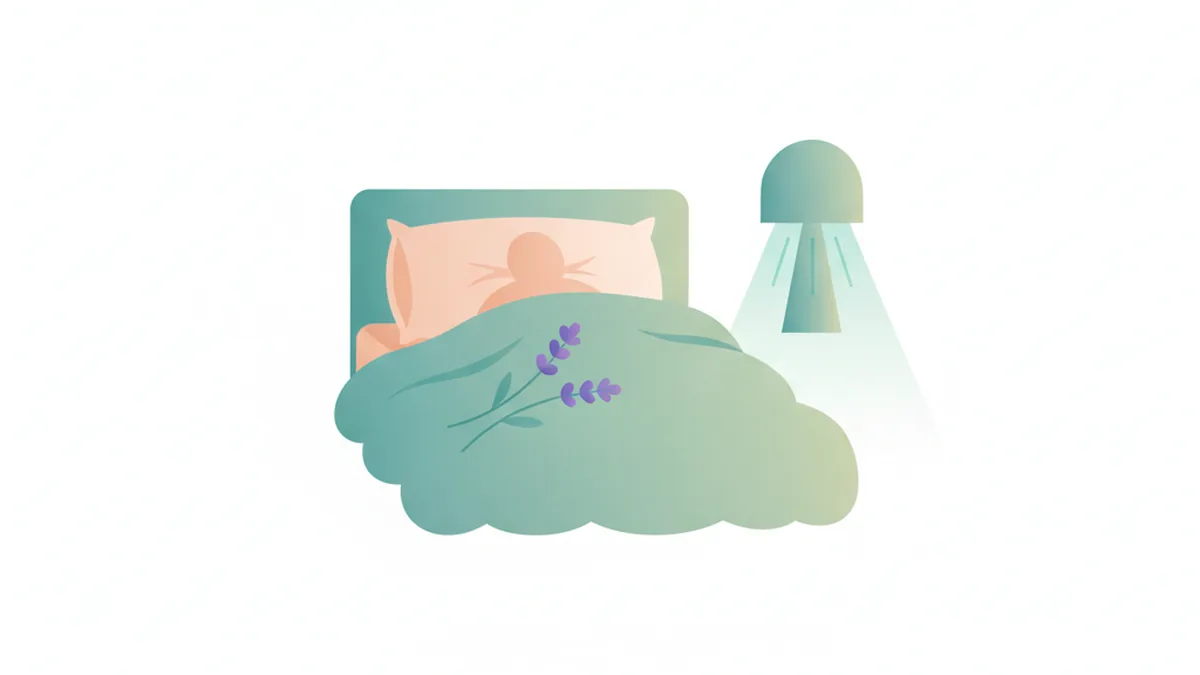
You can't eliminate hypnic jerks entirely — they're too fundamental to how human sleep works. But you can dramatically reduce their frequency and intensity.
Establish a genuinely consistent sleep schedule. Not "around 11 PM" — the same time within 30 minutes, seven days a week. Your circadian rhythm needs predictability to prepare your nervous system properly. After two weeks of consistent timing, most people notice fewer jerks because their brain knows the transition is coming.
Create a gradual wind-down routine. The goal is to slowly lower arousal over 60-90 minutes before bed. Dim your lights progressively. Shift from active tasks to passive ones. If you're going to do physical activity, finish it by 6 PM. The transition from email-checking, brightly-lit, cognitively demanding work to immediate sleep is exactly what triggers hypnic jerks.
Cut caffeine by early afternoon. Its half-life is 5-6 hours, meaning half the caffeine from a 2 PM coffee is still in your system at 8 PM. For hypnic jerk reduction, noon is a better cutoff than 2 PM. If you need an afternoon boost, try a brief walk outside instead — the natural light and movement improve evening sleep without the pharmacological interference.
Manage magnesium intake thoughtfully. Some research suggests magnesium helps regulate neuromuscular transmission, and deficiency is common in Western diets. Foods like spinach, almonds, black beans, and dark chocolate provide it naturally. Some people find 200-400mg of supplemental magnesium glycinate an hour before bed reduces muscle tension and twitching, though talk to your doctor before adding supplements, especially if you take other medications.
Address underlying anxiety directly. If your hypnic jerks are stress-related, they're a symptom, not the problem. Cognitive behavioral therapy for insomnia (CBT-I) helps many people by changing the thought patterns that maintain high arousal at bedtime. Even simple techniques — writing down tomorrow's concerns before bed, practicing 4-7-8 breathing — can lower sympathetic nervous system activity enough to reduce jerking.
Reconsider evening alcohol. Yes, it makes you drowsy initially, but it fragments sleep in the second half of the night and increases sleep-onset twitching. If you drink regularly and experience frequent hypnic jerks, try two weeks without evening alcohol and see what changes.
Optimize your sleep environment for minimal stimulation. Sudden noises and light changes can trigger jerks in the transition period. White noise machines mask unpredictable sounds. Blackout curtains eliminate light shifts. A slightly cool room (around 67°F) supports the temperature drop your body needs for sleep.
For most people, these changes reduce hypnic jerks from several times per night to occasional or rare events. The changes work because they smooth the neurological transition rather than trying to suppress a symptom.
The Surprising Upside
Here's something rarely mentioned: hypnic jerks might actually serve a function.
Some researchers believe they're a vestigial reflex from our tree-dwelling ancestors, where relaxing your grip as you fell asleep could literally make you fall from a branch. The sudden jerk would wake you enough to adjust your position. We don't sleep in trees anymore, but the reflex remains hardwired.
Others suggest hypnic jerks are your nervous system's final "test" before handing over control to your autonomic circuits. The jerk confirms your motor neurons still work before they're inhibited for the night. It's quality control.
There's even speculation that hypnic jerks help clear the backlog of neural activity accumulated during wakefulness, similar to how yawning might regulate brain temperature. The sudden firing resets certain pathways before sleep consolidates memories and repairs cells.
None of this is conclusively proven, but it's a useful reminder: your body rarely does things without reason. What feels like a malfunction might be normal maintenance you're just conscious enough to notice.
Frequently Asked Questions
Can hypnic jerks damage my heart or brain?
No. The sudden adrenaline surge feels alarming — your heart races, you're wide awake — but it's a normal stress response, not harmful. Healthy hearts handle far greater demands during exercise. Your brain is equally fine; the momentary arousal doesn't disrupt sleep quality unless it happens repeatedly throughout the night.
Why do I sometimes dream I'm falling right before the jerk?
Your brain creates the narrative to explain the sensation. The motor cortex fires first, causing the jerk. Your conscious mind, caught between sleep and wakefulness, generates a falling dream to make sense of the physical experience. It's backwards from what it feels like — the dream follows the jerk, not vice versa.
Should I take medication for frequent sleep twitching?
Rarely. Isolated hypnic jerks, even frequent ones, don't typically warrant medication because the lifestyle interventions described above work well and have no side effects. Medications that reduce them — certain muscle relaxants, anti-anxiety drugs — come with trade-offs that usually aren't worthwhile for a benign phenomenon. If twitching severely disrupts sleep despite all conservative measures, a sleep specialist might consider options, but that's uncommon.
Do kids experience these more than adults?
Yes, significantly. Children's nervous systems are still developing the smooth coordination needed for sleep transitions. Hypnic jerks are almost universal in childhood. They typically become less frequent and intense through adolescence, though many people continue experiencing them occasionally throughout life. If your child has them, it's completely normal.
Can certain foods trigger sleep twitching?
Beyond caffeine, the evidence is limited. Some people report more twitching after high-sugar evening snacks, possibly because blood sugar swings affect nervous system stability. Tyramine-rich foods — aged cheese, cured meats — can increase arousal in sensitive individuals. MSG bothers some people. But the connections are less direct than with caffeine, stress, or exercise timing. If you suspect a food trigger, try eliminating it for two weeks and tracking changes.
This article is for informational purposes only and isn't a substitute for medical advice. Talk to a qualified healthcare provider about your specific situation.
Sources & further reading
This article draws on guidance from recognized health authorities:


Comments
Post a Comment