Hiccups That Won't Stop: When a Reflex Becomes a Red Flag
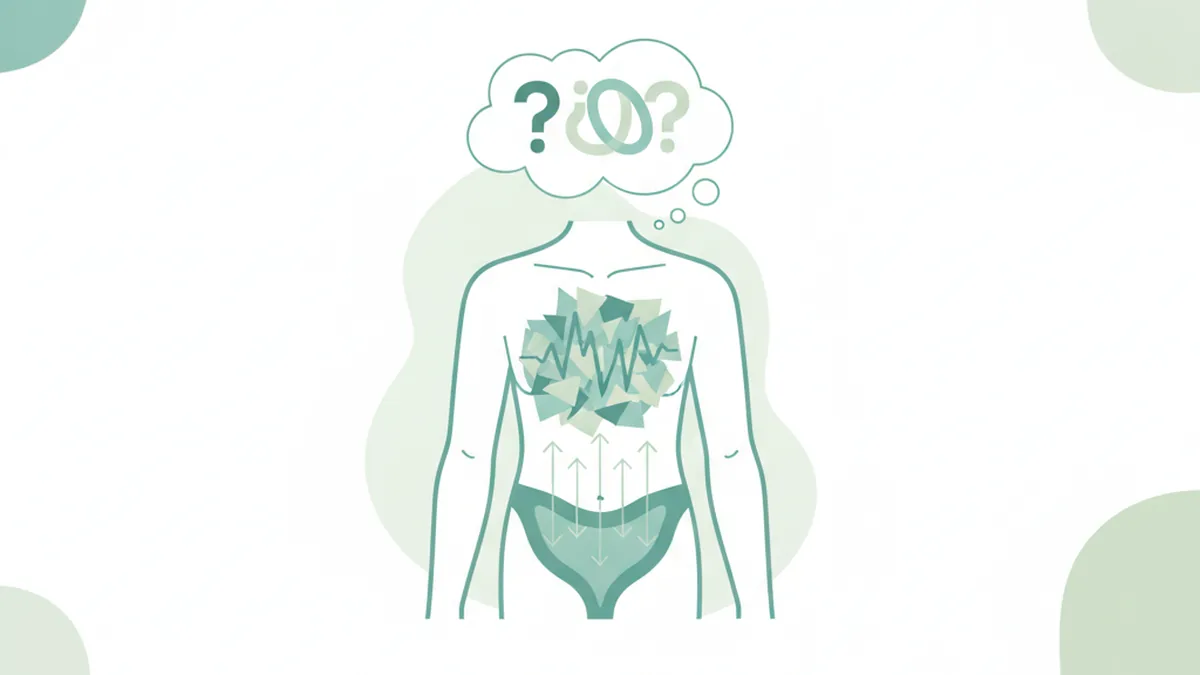
Everyone knows the hiccup drill. Hold your breath. Drink water upside down. Get startled by a friend who thinks they're helping. Most hiccup episodes vanish within minutes, maybe an hour if you're unlucky.
But hiccups that persist beyond 48 hours aren't just annoying — they're a potential medical signal your body's trying to send.
I'm going to challenge some assumptions about what hiccups actually are, when they cross from harmless to concerning, and why the medical community takes chronic cases seriously even when patients feel embarrassed bringing them up.
The "Drink Water Backward" Myth — And What's Really Happening
Common belief: Hiccups are just a throat spasm. They're random, meaningless, and will resolve on their own with home remedies.
Medical reality: Hiccups involve a complex three-part reflex arc connecting your diaphragm, vagus nerve, and phrenic nerve. When something irritates any component of this pathway, you get involuntary diaphragm contractions followed by sudden vocal cord closure — that characteristic "hic" sound.
Short hiccup episodes? Usually triggered by stomach distension, rapid eating, carbonated drinks, or sudden temperature changes. Your diaphragm gets mildly irritated, the reflex fires a few times, then settles down.
But when hiccups persist beyond two days (technically called "persistent hiccups") or continue past a month ("intractable hiccups"), the mechanism is fundamentally different. Something is chronically stimulating that reflex pathway. The hiccups themselves become exhausting — disrupting sleep, eating, conversation, work. Patients describe feeling self-conscious in public, unable to complete sentences, sometimes vomiting from the constant abdominal contractions.
What many people don't realize: persistent hiccups are almost never psychosomatic. Research consistently identifies an underlying physical cause in the majority of cases — and some of those causes need immediate attention.
Why This Myth Persists — And Why Doctors Take It Seriously

The myth endures partly because acute hiccups are so common and benign. We've all had them. They've always gone away. So when someone develops persistent hiccups, there's a natural tendency to wait it out, try folk remedies, assume it'll pass.
Meanwhile, physicians who've worked in hospital settings will tell you: chronic hiccups can be the presenting symptom of conditions ranging from gastrointestinal disorders to cardiac events to central nervous system lesions. The vagus and phrenic nerves are long, winding pathways that touch multiple organ systems. Irritation anywhere along those routes can trigger the reflex.
A case that stuck with many medical students: a patient admitted for what seemed like stubborn hiccups, only to have imaging reveal a posterior fossa stroke affecting the brainstem. Another common scenario: new-onset persistent hiccups in someone with known gastroesophageal reflux disease (GERD), where acid irritation of the esophagus stimulates vagal nerve branches. Sometimes the hiccups appear before the heartburn does.
The key distinction: acute hiccups (under 48 hours) rarely warrant investigation unless accompanied by other concerning symptoms. Persistent or intractable hiccups almost always deserve a workup.
What to Actually Do — And When
Here's the practical decision framework physicians use, adapted for self-assessment:
Under 48 hours, no other symptoms: Try standard interventions. Breath-holding increases CO₂, which can calm diaphragm irritability. Sipping cold water stimulates the vagus nerve differently. Swallowing granulated sugar may interrupt the reflex arc. These work often enough for acute cases that they're worth attempting.
Beyond 48 hours: Contact a healthcare provider, even if you feel foolish doing so. The evaluation typically includes:
- Detailed history: When did they start? Any pattern? Recent illnesses, medications, procedures?
- Physical exam: Abdominal palpation, neurological assessment, throat examination
- Basic labs: Electrolytes (low sodium or calcium can trigger hiccups), kidney function, infection markers
- Imaging if indicated: Chest X-ray to check for diaphragm irritation, mediastinal masses, or pneumonia
Red flags requiring same-day evaluation:
- Hiccups plus severe headache, vision changes, or loss of balance (possible stroke or brain lesion)
- Hiccups plus chest pain or shortness of breath (cardiac causes)
- Hiccups plus difficulty swallowing or unintended weight loss (esophageal or gastric pathology)
- Recent surgery, especially thoracic or abdominal (phrenic nerve irritation, infection)
- Known cancer history (tumor involvement of relevant nerves or brain)
The workup sometimes reveals nothing obvious — idiopathic hiccups occur, though less commonly than most people assume. But the cost of missing a treatable cause is high enough that physicians investigate.
Common Underlying Causes — The Surprises

Gastrointestinal triggers top the list. GERD, peptic ulcers, gastritis, even bowel obstruction can all stimulate vagal nerve branches and launch persistent hiccups. Treatment targets the underlying condition: proton pump inhibitors for acid suppression, antibiotics for H. pylori infection, dietary modifications.
Metabolic and medication causes often surprise patients. Poorly controlled diabetes can cause hiccups through metabolic disturbances. Corticosteroids, benzodiazepines, and chemotherapy drugs are known culprits. Even alcohol — chronic heavy use damages vagal nerve function, and sudden withdrawal can trigger rebound hiccups lasting days.
Central nervous system pathology represents the most concerning category. Strokes affecting the brainstem, brain tumors, multiple sclerosis lesions, meningitis — anything irritating the medullary hiccup center can cause intractable hiccups. These cases usually present with additional neurological symptoms, but not always initially. That's why persistent hiccups merit imaging in many cases.
Thoracic and cardiac sources include pericarditis (inflammation around the heart), myocardial infarction in rare instances, mediastinal tumors, or anything compressing the phrenic nerve as it courses through the chest. Post-surgical hiccups are common after procedures involving the chest or upper abdomen, usually resolving within days but occasionally persisting.
Ear, nose, and throat irritation can do it. A hair or foreign object touching the eardrum can stimulate the vagus nerve's auricular branch. Pharyngitis, laryngitis, even a cyst on the vocal cords — anything irritating the throat in the right location.
The pattern physicians look for: recent changes. New medications, new medical conditions, new procedures. Hiccups arising without context are more likely idiopathic. Hiccups following a clear temporal trigger suggest a causative relationship worth investigating.
Treatment — When Home Remedies Stop Working
If the underlying cause is identified, treating that condition usually resolves the hiccups. Acid suppression for GERD patients. Adjusting medications that might be triggering the reflex. Addressing metabolic imbalances.
When the cause remains unclear or treatment of the primary condition doesn't stop the hiccups, pharmacological options exist. Chlorpromazine, an antipsychotic, is the only medication specifically FDA-approved for hiccups, though the mechanism isn't entirely clear. Baclofen, a muscle relaxant affecting GABA receptors, shows effectiveness in some studies. Gabapentin, metoclopramide, and other agents have been tried with variable success.
For truly intractable cases — and we're talking hiccups lasting months to years despite medication trials — interventional procedures become an option. Phrenic nerve blocks, vagus nerve stimulation, even surgical phrenic nerve crushing in extreme cases. These are last resorts, but they exist because chronic hiccups can be genuinely debilitating. Patients lose weight from inability to eat, develop severe fatigue from sleep disruption, experience depression from the relentless nature of the symptom.
The takeaway: if medications that usually work for short-term hiccups (mentioned earlier) fail beyond two days, you're in a different category that deserves medical evaluation, not more home remedies.
The Psychological Toll — What Patients Don't Always Admit
Here's something worth acknowledging: persistent hiccups carry social stigma. Patients describe avoiding restaurants, skipping social events, declining work presentations. The sound draws attention. People make jokes or offer unsolicited advice. Over time, this creates isolation.
Some patients delay seeking care because they feel embarrassed — "It's just hiccups, the doctor will think I'm wasting their time." But clinicians who've managed these cases recognize the quality-of-life impact. Sleep deprivation alone becomes a serious issue within days. The inability to complete meals without interruption leads to nutritional deficits in prolonged cases.
If you're experiencing this, know that healthcare providers take it seriously. The symptom is disruptive enough to warrant investigation, and the potential underlying causes are significant enough to justify thorough evaluation. Don't minimize your own experience because the symptom sounds trivial to others.
When to Genuinely Worry — The Bottom Line
Hiccups under 48 hours? Annoying, but rarely concerning. Try breath-holding, cold water, sugar under the tongue. If they're interfering significantly, call your doctor, but they'll likely resolve.
How to Tell Persistent Hiccups Apart from Conditions They Mimic
One reason patients delay seeking care is uncertainty about whether what they're experiencing truly qualifies as "persistent hiccups" — or whether it might be something else entirely that just feels similar.
Hiccups versus diaphragm flutter: True hiccups produce that distinctive "hic" sound from vocal cord closure. Diaphragm flutter — a rare condition where the diaphragm contracts rhythmically without the glottic component — creates visible abdominal movement and sometimes an audible rumble, but no sharp hiccup sound. Flutter tends to be even more persistent than hiccups and often indicates phrenic nerve pathology or diaphragmatic disease. If you're seeing rhythmic belly movements without the characteristic hiccup noise, that's worth mentioning specifically to your provider.
Hiccups versus esophageal spasm: Esophageal spasms can create a sensation of chest tightness or difficulty swallowing that some people initially mistake for hiccup-related discomfort. The key difference: esophageal spasms usually occur during or right after swallowing and create a squeezing sensation behind the breastbone. Hiccups create a jerking sensation in the chest and abdomen with that audible sound, regardless of whether you've eaten recently. If what you're experiencing happens primarily when you eat or drink and feels more like a painful squeeze than a rhythmic jerk, esophageal spasm is more likely.
Hiccups versus tic disorders: Vocal tics can produce repetitive throat-clearing sounds or short vocalizations that might superficially resemble hiccups. The distinction: tics usually come with a premonitory urge — a building sensation that's temporarily relieved by performing the tic. Hiccups arrive without warning and without that sense of needing to "get it out." Tics also tend to be suppressible for short periods with conscious effort, while hiccups are purely involuntary. If you can delay the sound for even 30 seconds through concentration, you're likely dealing with a tic rather than true hiccups.
Hiccups versus aerophagia (air swallowing): Chronic air swallowing creates frequent belching that can sometimes be confused with hiccups, especially if the burps are small and repetitive. The giveaway: belching brings up air and often provides brief relief from abdominal bloating. Hiccups don't release gas and don't relieve any sensation — they just keep firing. If your "hiccups" seem to correlate with feeling gassy or bloated and bring momentary comfort, you're probably swallowing air, which is a separate issue often linked to anxiety or eating habits.
When you call your doctor about persistent hiccups, being able to describe these distinctions helps narrow the diagnostic path. "I'm having rhythmic jerking in my chest with a hiccup sound every 30 seconds, no relief when I burp, started three days ago" gives much more useful information than "I can't stop hiccupping."
What to Track Before Your Appointment — The Details That Actually Help
If your hiccups cross the 48-hour mark and you're scheduling a medical evaluation, spending a day or two documenting patterns dramatically improves diagnostic efficiency. Physicians are looking for clues about the reflex pathway being triggered, and you're the only one who can observe the full picture.
Timing and frequency: Are they constant, or do they come in episodes? If episodic, how long does each bout last, and how much time passes between them? Hiccups that completely stop for hours at a time suggest a different mechanism than hiccups that persist 24/7. Note whether they continue during sleep — many patients aren't sure, but a partner or family member can often confirm. Hiccups that vanish during sleep point toward a different category of causes than those that wake you up.
Triggers and relief: Does anything make them worse? Eating, lying down, bending over, hot or cold foods, stress, physical exertion? Does anything provide even temporary relief — not just the folk remedies, but positional changes, sipping water, distraction? If lying flat worsens them, that suggests possible GERD or diaphragmatic irritation. If eating triggers episodes, that points toward gastrointestinal involvement. If absolutely nothing changes them, that's useful information too.
Associated symptoms: This is critical. Write down anything else happening, even if it seems unrelated. Heartburn, nausea, changes in bowel habits, difficulty swallowing, unexplained weight change, new headaches, dizziness, numbness, weakness, vision changes, ear fullness, sore throat, cough, chest discomfort, shortness of breath. The hiccups might be the most noticeable symptom, but subtle accompanying signs often reveal the underlying cause. A patient who mentions "maybe some trouble swallowing, but I thought that was just from the hiccups" might actually have an esophageal lesion that's causing both symptoms.
Medication and supplement list: Bring a complete list, including over-the-counter medications, vitamins, supplements, and anything you've started or stopped in the past month. Include dosage changes. Some hiccup cases resolve simply by adjusting a medication that's stimulating the reflex pathway.
Recent medical events: Surgeries, procedures, illnesses, injuries, new diagnoses, even dental work — anything medical in the past three months. The temporal relationship between a medical event and hiccup onset can be the key to diagnosis. Post-operative hiccups might indicate phrenic nerve irritation during intubation. Hiccups following a respiratory infection might point to lingering vagal inflammation.
You don't need a formal journal, but even rough notes on your phone help. "Day 3 — hiccups every 20-30 seconds all day, worse after dinner, didn't sleep well, woke up twice. Also noticed some heartburn today, which is new." That's gold for a diagnostician compared to "They just won't stop."
The goal isn't to self-diagnose — it's to give your healthcare provider the pattern data that lets them think systematically about which part of the reflex arc is being stimulated and why. Hiccups are a symptom, not a diagnosis. The more clearly you can describe the symptom's behavior, the faster the actual diagnosis emerges.
Hiccups persisting beyond 48 hours? Schedule an appointment with a healthcare provider. You need assessment, history-taking, likely some basic tests.
Hiccups plus any of these: severe headache, chest pain, neurological changes, difficulty swallowing, unexplained weight loss, recent surgery, or known serious medical conditions? Seek care the same day. These combinations warrant urgent evaluation.
The medical community's understanding has shifted over the past few decades. Chronic hiccups used to be dismissed as functional or psychogenic more often than they deserved. Current evidence supports a much more thorough search for organic causes. The reflex pathway involves too many critical structures — brain, nerves, heart, lungs, digestive tract — to assume it's firing without reason when it won't stop.
You know your body. If something feels persistently wrong, even if it's "just hiccups," that intuition is worth following up on. The evaluation might reveal nothing serious. It might identify something easily treatable. Or it might catch something that needs attention before additional symptoms develop.
Either way, persistent hiccups deserve more than another glass of water drunk upside down.
This article is for informational purposes only and isn't a substitute for medical advice. Talk to a qualified healthcare provider about your specific situation.
Sources & further reading
This article draws on guidance from recognized health authorities:


Comments
Post a Comment