The Eight-Glasses Myth: What Hydration Really Looks Like
I had a colleague who carried around a gallon jug everywhere. She'd marked times on the side—8 AM, 10 AM, noon—tracking her water consumption like a military operation. When I asked why, she looked at me like I'd suggested skipping vegetables entirely. "Everyone knows you need eight glasses a day."
Except... where did that rule come from? And does "everyone" actually need the same amount of water?
The eight-glasses guideline has become such entrenched wisdom that questioning it feels almost heretical. Your fitness tracker reminds you. Your doctor's office posters proclaim it. Wellness influencers hawk branded water bottles calibrated to hit that magic number. But when you dig into the actual research on human hydration, things get considerably messier—and more interesting.
Where the Eight-Glass Rule Came From (And Why It Stuck)
The origin story here is genuinely strange. In 1945, the Food and Nutrition Board suggested that people need about 2.5 liters of water daily. Reasonable enough. But here's what everyone forgot: that recommendation included water from all sources, including food. Fruits, vegetables, soups, even that morning oatmeal—they all contribute to your fluid intake. A cucumber is 96% water. Watermelon clocks in at 92%. Even chicken breast contains roughly 65% water.
Somehow, between 1945 and now, the "including food" part got lost in translation. What emerged was a simplified rule: drink eight 8-ounce glasses of pure water daily, regardless of what you're eating, what you're doing, or who you are. It's tidy. It's memorable. It's also not particularly scientific.
The rule persists partly because it's vague enough to seem universal. Eight glasses sounds reasonable—not so much that it's daunting, not so little that it seems negligent. It gave people a concrete target in a health landscape that often feels frustratingly ambiguous. "How much should I sleep?" Depends. "How often should I exercise?" Varies. "How much water?" Ah, finally—an actual number.
But your body isn't a houseplant that needs the same watering schedule regardless of conditions.
What Actually Determines Your Water Needs
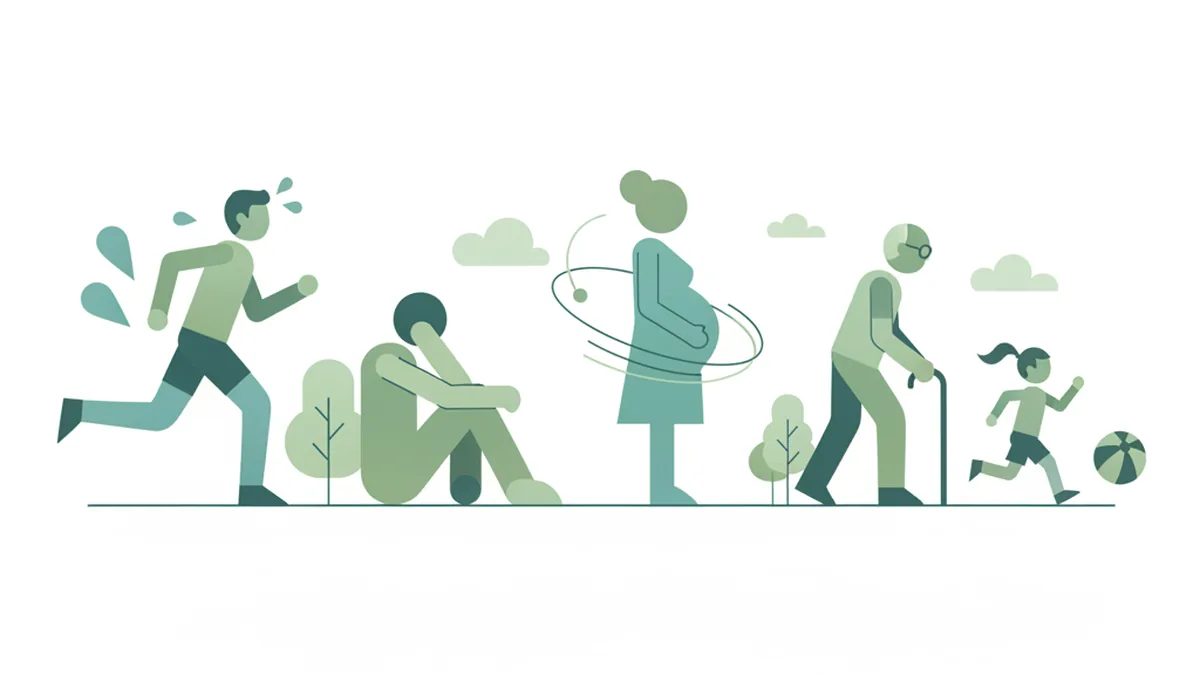
Here's what the research consistently shows: hydration needs vary wildly based on a constellation of factors that the eight-glass rule completely ignores.
Your size matters. A 120-pound person and a 220-pound person have different fluid requirements, just as they have different caloric needs. The Institute of Medicine (now the National Academy of Medicine) suggests roughly 3.7 liters total fluid intake for men and 2.7 liters for women daily—but that's an average across populations, not a prescription for individuals.
Your activity level is huge. Someone running a marathon in July needs dramatically more fluid than someone reading on their couch in air conditioning. Athletes can lose anywhere from half a liter to multiple liters per hour through sweat, depending on intensity and temperature. That morning spin class? You've already blown past your baseline needs before 9 AM.
Climate and altitude shift the equation. Living in Phoenix requires different hydration strategies than living in Seattle. High altitude increases your breathing rate and speeds up fluid loss. Hot, humid conditions make sweat less effective at cooling you, so your body produces more of it. Dry indoor heating during winter also dehydrates you more than you'd think.
What you eat changes things substantially. A diet heavy in water-rich foods—salads, fruits, broths—means you need less from your water bottle. Someone eating mostly dry, processed foods needs more direct fluid intake. Coffee and tea, despite old warnings, do contribute to hydration (though they're not quite as efficient as plain water). The diuretic effect is mild and doesn't negate their fluid content.
Certain health conditions and medications alter needs. Kidney stones, urinary tract infections, and bladder conditions often require increased fluid intake. Some blood pressure medications are diuretics that increase fluid loss. Fever, vomiting, and diarrhea demand extra hydration to compensate. Pregnancy and breastfeeding increase requirements substantially.
The point isn't that eight glasses is too much or too little. The point is that a one-size-fits-all number can't possibly account for this kind of variation.
Your Body Already Has a Hydration Sensor (It Works)
Here's the part that gets lost in all the hand-wringing about water intake: humans evolved an incredibly sophisticated hydration monitoring system. It's called thirst.
Your hypothalamus constantly tracks your blood's osmolality—basically, how concentrated your body fluids are. When that concentration rises even slightly, osmoreceptors trigger thirst. You drink. Problem solved. This system kept humans alive through millennia before anyone invented a water tracking app.
"But I've heard you're already dehydrated by the time you feel thirsty!" This claim gets repeated constantly, and it's misleading. Yes, thirst kicks in after your body detects the beginning of fluid deficit. That's how sensors work—they detect change. Your smoke alarm doesn't go off before the smoke appears. Thirst means your body has noticed you need fluid and is telling you to do something about it. For healthy adults doing normal activities, responding to thirst is sufficient.
The research backs this up. Studies examining hydration status in people who drink according to thirst versus those following prescribed amounts find minimal differences in markers of hydration for most individuals. Your body is generally competent at regulating its own fluid balance.
That said, there are genuine exceptions. Older adults sometimes experience blunted thirst signals, making dehydration more likely. Young children can't always communicate thirst effectively. People with certain medical conditions may need to drink beyond thirst. Athletes in intense training can fall behind on hydration if they wait for thirst during exercise. And if you're sick—feverish, vomiting, dealing with diarrhea—your thirst mechanism may not keep pace with rapid fluid loss.
But for the average healthy adult going about normal daily activities? Thirst works.
What Dehydration Actually Looks Like (And When to Worry)
The wellness world has developed a strange relationship with dehydration, treating mild fluid deficit like an imminent health crisis while simultaneously overstating the benefits of aggressive hydration. Let's separate reality from hype.
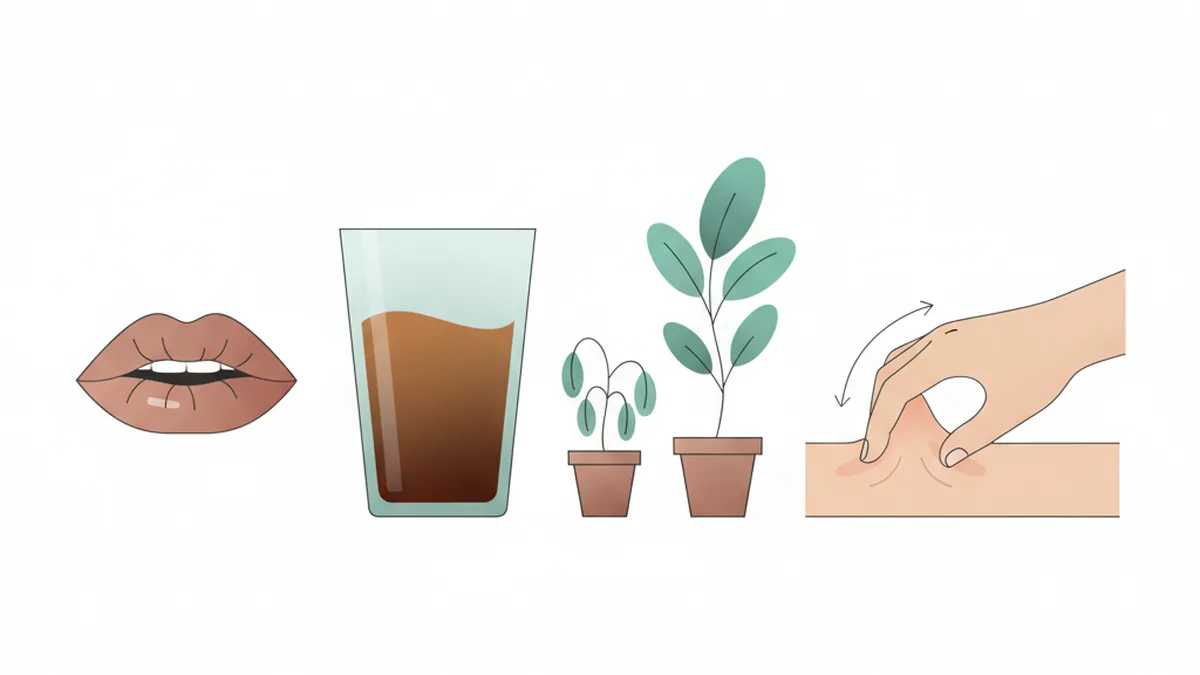
Mild dehydration—roughly 1-2% body water loss—does happen regularly. You might notice darker urine (though not every darkening indicates dehydration; B vitamins and certain foods also affect color). You might feel slightly tired or get a mild headache. Your mouth might feel dry. These are signals to drink something, not evidence that you've damaged yourself.
Moderate dehydration—around 3-5% loss—gets more uncomfortable. You'll feel genuinely thirsty, definitely fatigued, possibly dizzy when standing up. Urine becomes quite dark and scanty. Your mouth and lips feel notably dry. This level is harder to reach accidentally for most people. It typically requires either ignoring thirst for extended periods or losing fluids faster than you're replacing them through illness, excessive sweating, or not having access to fluids.
Severe dehydration—beyond 5% loss—is a medical emergency. Symptoms include extreme thirst, very dark or no urination, rapid heartbeat, sunken eyes, confusion, and fainting. If you or someone else shows these signs, seek immediate medical attention. This isn't something you fix by chugging Gatorade at home.
The CDC notes that severe dehydration can lead to heat injury, kidney problems, and seizures—but reaching this point typically involves significant illness, extreme environmental exposure, or being unable to access fluids. It's not a likely outcome from a busy Tuesday where you forgot your water bottle.
Context matters enormously. A construction worker in Alabama in August faces genuine dehydration risk and should drink proactively, beyond thirst. Someone in a climate-controlled office who skips their mid-morning water probably just needs to drink something at lunch.
The Overhydration Risk Nobody Mentions
Flip the coin over, and there's a risk people rarely discuss: drinking too much water.
Hyponatremia—dangerously low sodium levels caused by excessive fluid intake—sounds unlikely until you learn it's actually happened to marathon runners, ultra-endurance athletes, and people who believed more water is always better. When you drink faster than your kidneys can process—roughly more than a liter per hour for sustained periods—you can dilute your blood's sodium concentration.
Symptoms range from nausea and headache to confusion, seizures, and in severe cases, death. This typically requires drinking truly excessive amounts—we're talking multiple liters beyond what your body needs, sometimes driven by mistaken beliefs about "flushing toxins" or the idea that more hydration equals more health benefits.
Your kidneys can handle a lot, processing up to roughly 20-28 liters daily in extreme cases. But there's a rate limit. Most healthy adults can safely excrete about 0.8-1.0 liters per hour. Exceed that consistently while not losing fluids through sweat or other means, and you're asking for trouble.
This doesn't mean water is dangerous. It means the dose makes the poison, even with water. The solution isn't drinking eight glasses; it's drinking appropriately for your actual circumstances.
A More Honest Approach to Hydration
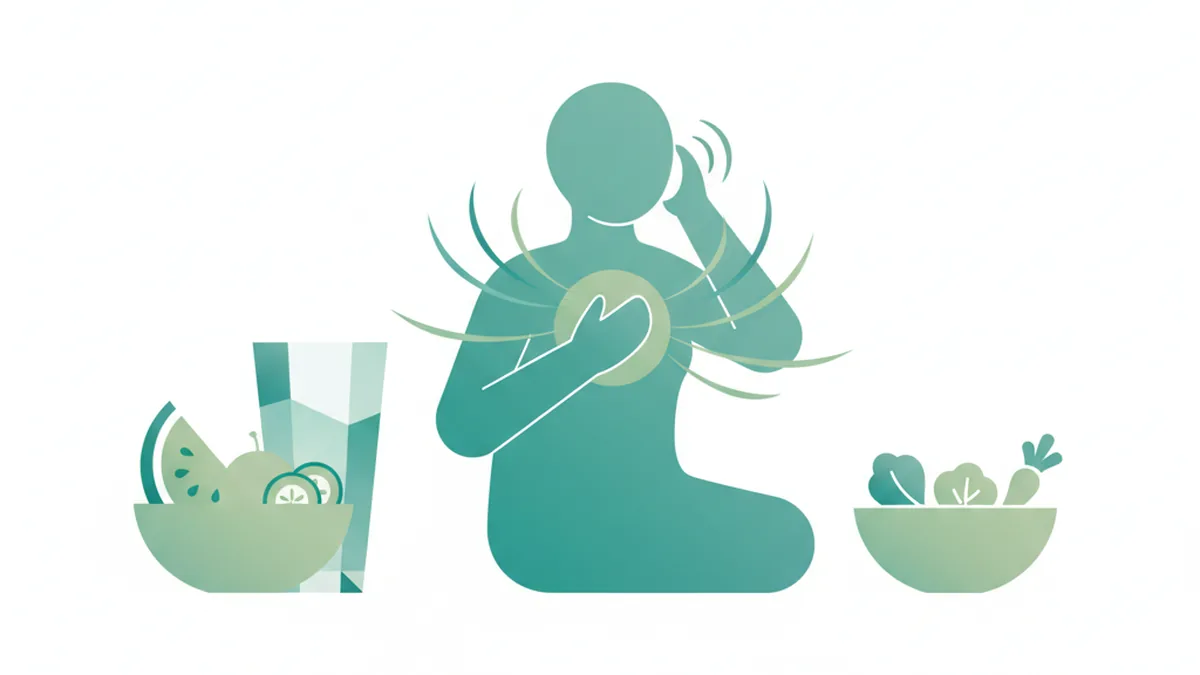
So what's the alternative to the eight-glass rule? Something both simpler and more nuanced: pay attention.
Check your urine. This remains one of the most practical indicators. Pale yellow is ideal—think lemonade, not apple juice, but not completely clear either. Dark yellow or amber suggests you need more fluids. Totally clear might mean you're overdoing it. This isn't perfectly precise (medications, vitamins, and foods affect color), but it's a reasonable guideline.
Respond to thirst. For most healthy adults, this is sufficient. When you feel thirsty, drink. Keep water accessible so responding to thirst is easy. This means having a water bottle at your desk, keeping a glass at your bedside, being prepared during long drives or activities.
Increase intake proactively in specific situations. Before, during, and after intense exercise, drink more than thirst demands. In hot weather or high altitude, bump up consumption. If you're sick with fever, vomiting, or diarrhea, prioritize fluids (sometimes with electrolytes). Pregnant and breastfeeding? Your needs increase substantially—worth discussing specific targets with your healthcare provider.
Count all fluids, including food. That morning coffee counts. So does your soup at lunch. The watermelon you snacked on. The smoothie. If you're eating plenty of fruits and vegetables, you're getting significant water from food. Someone eating mostly whole foods with high water content genuinely needs less direct drinking than someone living on crackers and jerky.
Notice how you feel. Persistent fatigue, frequent headaches, dizziness when standing—these can signal chronic mild dehydration (though they can signal many other things too). If you feel good, your urine looks reasonable, and you're not constantly thirsty, you're probably doing fine.
The goal isn't to hit an arbitrary number. It's to maintain the fluid balance your particular body needs on any given day.
When to Actually Worry
Certain situations deserve closer attention to hydration beyond normal thirst-driven drinking.
If you're older than 65. Thirst sensitivity often decreases with age. Older adults may need to drink on a schedule rather than waiting for thirst. If you're caring for an elderly parent, gentle reminders to drink regularly matter more than for younger adults.
If you have a history of kidney stones. Higher fluid intake helps prevent recurrence. Your urologist can suggest specific daily targets—often higher than average needs—to maintain dilute urine.
If you take diuretic medications. Blood pressure meds, some antidepressants, and other drugs increase fluid loss. Talk with your doctor about whether you need to consciously increase intake.
If you're exercising intensely, especially in heat. Sweat rates vary enormously—some people lose multiple liters per hour. Consider weighing yourself before and after long training sessions. Each pound lost represents roughly 16 ounces of fluid. If you're dropping several pounds during activity, you need to drink more during and after.
If you're recovering from illness involving fluid loss. Gastroenteritis, food poisoning, severe flu—these can dehydrate you faster than you realize. Sometimes you need more than water; solutions with electrolytes help replace what you've lost. If you can't keep fluids down or symptoms are severe, contact a healthcare provider.
If you're pregnant or breastfeeding. Your fluid needs genuinely increase. The American College of Obstetricians and Gynecologists suggests pregnant women need about 8-12 cups of fluid daily, more if exercising or in hot weather. Breastfeeding increases needs further. Work with your OB or midwife on specific recommendations.
Notice none of these situations defaults to "eight glasses." They all require thinking about your specific circumstances.
The Real Takeaway
The eight-glasses rule endures because people want simple health directives. But hydration isn't simple—it's personal. Your needs shift daily based on what you're doing, eating, where you are, and how your body works.
The evidence suggests that for most healthy adults, drinking when thirsty and keeping fluids accessible throughout the day is sufficient. Your body's hydration regulation system works. Trust it, support it by having water available, and adjust consciously when circumstances demand more—heat, exercise, illness, certain health conditions.
Stop tracking glasses like a homework assignment. Stop forcing yourself to drink when you're not thirsty because a chart told you to. And stop feeling guilty when you don't hit some arbitrary target that was never based on your actual needs in the first place.
Hydration matters. But it matters as a responsive, individualized practice—not as obedience to a myth that caught on because it was catchy.
This article is for informational purposes only and isn't a substitute for medical advice. Talk to a qualified healthcare provider about your specific situation.
Sources & further reading
This article draws on guidance from recognized health authorities:


Comments
Post a Comment