The Eyelid Twitch That Won't Quit: When Muscle Twitching Is Harmless—and When It's Not
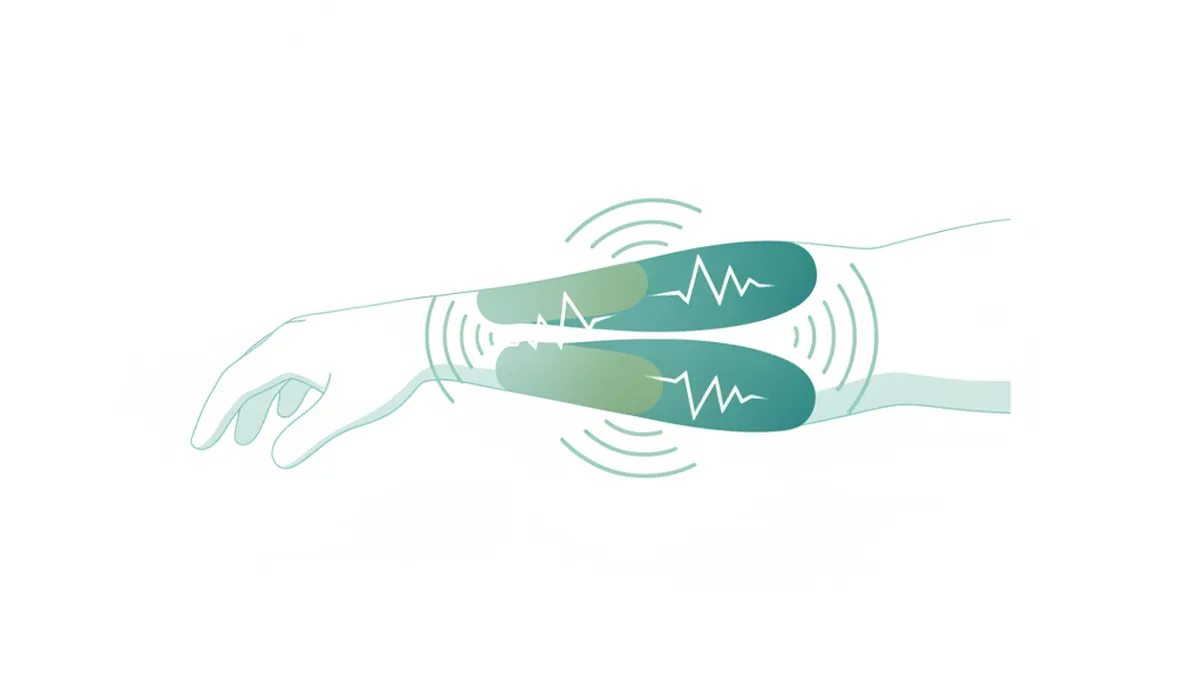
That little ripple under your calf skin. The flutter in your eyelid that won't quit. The strange sensation in your thumb that feels like something's moving beneath the surface. You've probably googled "muscle twitching" at 2 AM and immediately regretted it.
Here's what actually separates everyday fasciculations from something worth investigating.
The Myth: Any Persistent Twitch Means a Serious Condition
Walk into any online health forum and you'll find thousands of people convinced their muscle twitches signal the beginning of a degenerative disease. The health anxiety around fasciculations has become so pervasive that neurologists have a term for it: "benign fasciculation syndrome with anxiety."
The myth persists because muscle twitching IS a symptom of motor neuron diseases. That part's true. What gets lost is the context—and the vastly different patterns involved.
The reality: Most fasciculations are benign, transient, and so common that nearly everyone experiences them. Research consistently shows that isolated muscle twitching, even when persistent, rarely indicates neurological disease in people without other symptoms.
Why the Myth Won't Die
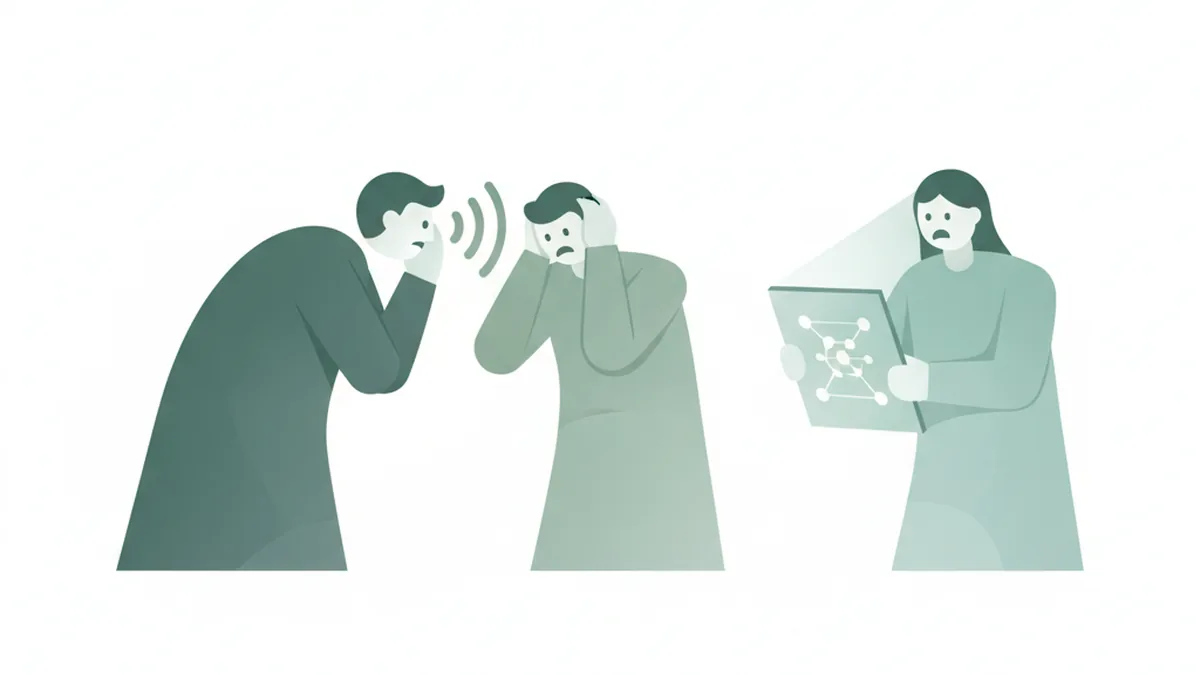
Several factors keep this particular health anxiety alive:
The internet amplifies worst-case scenarios. Search for muscle twitching and you'll quickly land on pages about ALS or other motor neuron diseases. Those conditions are devastating, extensively documented, and—importantly—rare. The millions of people whose twitches mean nothing don't write detailed blog posts about their uneventful recovery.
Twitches are maddeningly visible. You can literally watch your muscle jumping under the skin. That tangible, visible movement feels significant in a way that many other bodily sensations don't. The eye can't unsee it.
Fasciculations increase when you monitor them. Pay close attention to your calf and you'll notice more twitching. That's partly because you're catching movements you'd normally ignore, and partly because the anxiety itself can trigger more fasciculations. It creates a self-reinforcing loop.
Normal medical reassurance doesn't stick. A doctor tells you the twitching is benign. You feel better for three days. Then your thumb jumps and the worry floods back. The temporary nature of reassurance makes people seek it repeatedly, which paradoxically reinforces the belief that something must be wrong.
What Benign Fasciculations Actually Look Like
Let's get specific about the garden-variety twitching that accounts for the vast majority of cases.
Benign fasciculations typically:
Jump around the body. Today it's your eyelid. Tomorrow it's your calf. Next week it's your shoulder. This migratory pattern is the opposite of what happens in neurological disease, where weakness and atrophy develop in specific regions.
Happen more with fatigue, stress, or caffeine. Notice the twitching gets worse after poor sleep or during high-stress periods? That's a reassuring sign. Your tired nervous system is slightly hyperexcitable. Back off the espresso, get decent sleep for a few nights, and the fasciculations often diminish noticeably.
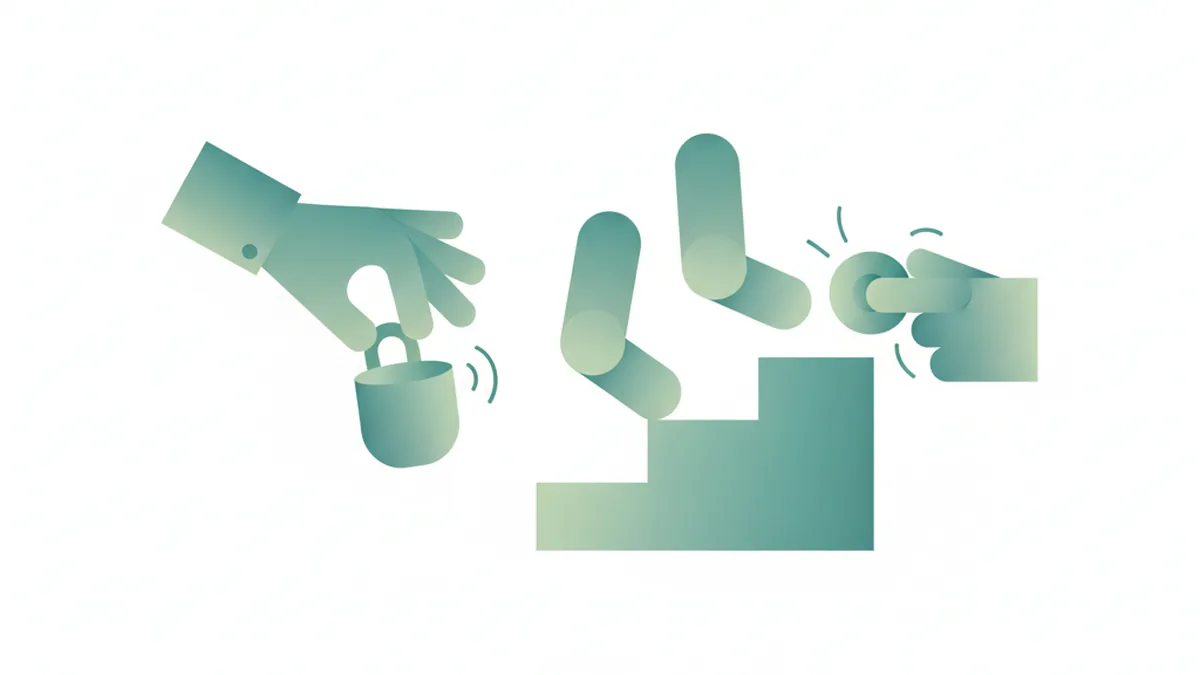
Occur without weakness. Can you still open jars? Climb stairs without your legs giving out? Type, button shirts, lift your usual weights? Then your muscles are functioning normally despite the twitching. Neurological disease causes progressive weakness—the inability to do things you could do last month.
Feel like surface ripples. The sensation is like a grain of rice moving under your skin, or a gentle flutter. You might see it more than feel it.
Last seconds to minutes. A benign twitch might fire repeatedly for a few minutes, disappear for hours or days, then pop up somewhere else. What you don't see is steady, predictable progression in one area.
Some people develop what's called benign fasciculation syndrome—persistent twitching that continues for months or years without any underlying disease. It's annoying and can be anxiety-provoking, but it doesn't progress to anything serious. The diagnosis is essentially "your muscles twitch more than average, and we've ruled out everything concerning."
The Pattern That Changes Everything: Clinical Weakness
Here's what actually matters to neurologists.
Fasciculations accompanied by progressive weakness are a different animal entirely. Not "I feel weak because I'm anxious," but "I can no longer lift this object I could lift last month." Not "my leg feels tired," but "my foot drops when I walk."
The concerning pattern includes:
Weakness developing in the same region as the twitching. If your right hand twitches and over weeks or months you notice you're dropping cups, struggling with buttons, or having trouble with fine motor tasks specifically in that hand—that warrants immediate evaluation.
Muscle wasting (atrophy). The affected muscle looks visibly smaller than its counterpart on the other side. Your calf starts looking notably thinner than the other calf. The thumb muscle pad flattens. This is different from feeling like a muscle is "wasting" while it looks completely normal.
Cramping that's truly incapacitating. We're not talking about the average charley horse. Some neurological conditions cause severe, frequent cramping that affects daily function—cramps so intense they wake you from sleep regularly, or prevent you from walking.
Difficulty with specific tasks. Trouble swallowing (dysphagia), slurred speech that's worsening (dysarthria), breathing difficulties, or foot drop that causes tripping. These functional changes matter far more than the fasciculations themselves.
The key principle: in motor neuron disease, weakness precedes or accompanies the twitching. You don't get years of isolated twitching that suddenly becomes serious. Neurologists use a concept called the "split-hand sign" and other specific examination findings to distinguish disease from anxiety.
What You Should Actually Do
If you're experiencing muscle twitching, here's the practical decision tree:
Twitching only, no weakness, no atrophy: Track it for a few weeks. Document what makes it better or worse. Common triggers include poor sleep, excessive caffeine (more than 400mg daily), magnesium deficiency, dehydration, and high stress. Address those factors systematically.
Many people find fasciculations improve significantly when they:
- Reduce caffeine intake to 200mg or less daily
- Establish consistent sleep (seven to nine hours)
- Stay adequately hydrated
- Address untreated anxiety through therapy or other interventions
- Take a quality magnesium supplement (glycinate is well-absorbed)
Worth noting: if you're on certain medications—stimulants for ADHD, some asthma medications, or muscle relaxants—fasciculations can be a known side effect. Don't stop medications without consulting your prescriber, but do mention the symptom.
Twitching plus new weakness, difficulty with tasks, or visible atrophy: See a neurologist promptly. Not in six months—within weeks. Describe specifically what you can't do now that you could do before. "I can't unscrew jar lids anymore" is more useful than "my hand feels weak."
Widespread twitching causing significant anxiety: Even if objectively benign, severe health anxiety deserves treatment. Consider seeing a mental health professional who specializes in health anxiety or somatic symptoms. The twitching might persist, but your ability to function despite it can improve dramatically.
Family history of motor neuron disease: If a close relative had ALS or another motor neuron disease, mention this context to your doctor. Your baseline risk is slightly elevated, though still low, and it appropriately changes the threshold for investigation.
The Neurological Workup (If You Get That Far)
Understanding what happens during evaluation can reduce anxiety about the process itself.
A neurologist will first perform a detailed clinical examination—this is more informative than most people realize. They're looking at strength, reflexes, coordination, and the pattern of any atrophy. They'll ask you to perform specific tasks: walk on your heels, walk on your toes, grip their fingers, resist pressure against various movements.
If the exam raises concerns, they'll typically order an EMG (electromyography) and nerve conduction study. The EMG involves inserting a thin needle electrode into muscles to record electrical activity. It's uncomfortable but brief. This test can distinguish between benign fasciculations and the specific patterns seen in motor neuron disease.
Sometimes bloodwork checks thyroid function, electrolyte levels, vitamin B12, and other markers that can cause twitching or weakness. These are all conditions with straightforward treatments.
The absence of clinical weakness on examination is profoundly reassuring. Neurologists encounter health anxiety around fasciculations constantly—if your exam is normal, your EMG is normal (if one is even ordered), and you have no functional impairment, the diagnosis is benign fasciculation.
Living With Benign Twitching
For many people, fasciculations become background noise. They notice them less over time, especially once the initial anxiety resolves.
Some practical strategies that help:
Break the monitoring cycle. Set a rule: you check the twitching area once per day maximum, preferably not at all. The more you watch it, the more it twitches, the more anxious you become. Interrupt that loop deliberately.
Redirect at night. Fasciculations often seem worse when you're lying still and have nothing to distract you. Keep a podcast or audiobook queued for nights when the twitching bothers you. You're giving your attention something else to do.
Work the actual problem. If the twitching revealed that you're sleeping poorly, chronically stressed, or drinking eight cups of coffee daily, address those underlying issues regardless of whether the twitching improves. Your overall health benefits either way.
Get one good evaluation. If the anxiety is overwhelming, see a neurologist, get examined, get reassurance from someone qualified to give it. Then commit to trusting that evaluation unless your symptoms objectively change. "Objectively" means functional loss, not increased twitching frequency.
Consider the base rates. Motor neuron diseases affect roughly two to five people per 100,000 annually. Benign fasciculations affect a substantial portion of the population at some point. When you hear hoofbeats, think horses, not zebras—and fasciculations are very common horses.
The weird rippling in your calf almost certainly means your nervous system is a bit hyperexcitable, not that anything is degenerating. But if that twitch comes with genuine weakness—the kind where you can't do things you could do last month—get evaluated promptly. That's the distinction that matters.
This article is for informational purposes only and isn't a substitute for medical advice. Talk to a qualified healthcare provider about your specific situation.
Sources & further reading
This article draws on guidance from recognized health authorities:


Comments
Post a Comment