Bronchitis: When the Cough Is Contagious and When It's Not
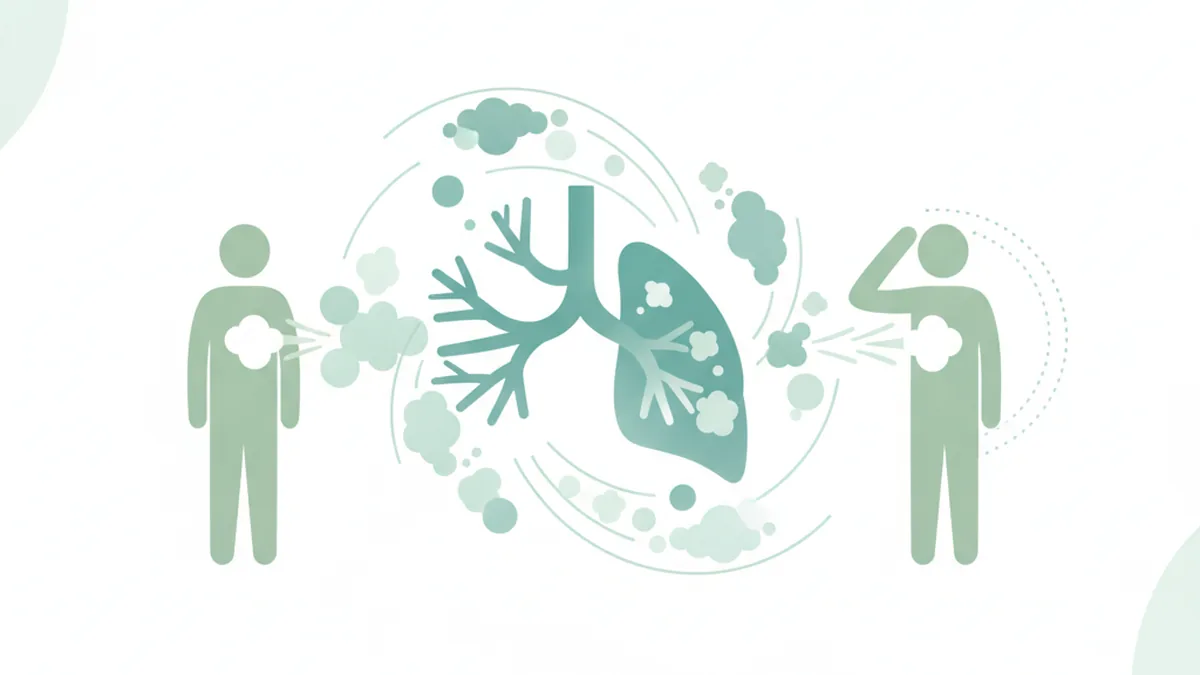
That rattling cough keeping you up at night — or keeping your coworker three cubicles away from their work — raises an immediate question: should you be worried about spreading this to everyone around you?
The answer depends entirely on which type of bronchitis you're dealing with. Most people assume all bronchitis works the same way, but the contagious risk splits sharply between two completely different conditions that happen to share a name.
Key Takeaways
- Acute bronchitis (the sudden, viral kind) is contagious for roughly 3-7 days after symptoms start, similar to a cold.
- Chronic bronchitis (the long-term, smoking-related kind) is not contagious — it's ongoing lung damage, not an infection you can pass along.
- The biggest mistake people make is treating these two conditions the same way when they require entirely different approaches.
- If you're coughing up discolored mucus for more than three weeks, running a fever above 100.4°F, or struggling to breathe, contact a healthcare provider.
What People Commonly Believe About Bronchitis

The typical assumption goes like this: bronchitis is an infection, infections spread, so everyone with bronchitis should stay home until the cough stops.
That logic works perfectly fine for acute bronchitis — the kind you catch during cold and flu season when a virus inflames your bronchial tubes. Your airways swell, mucus production ramps up, and you spend two weeks sounding like you're coughing up a lung. This version absolutely spreads through respiratory droplets when you cough, sneeze, or even just talk. The people sitting near you on the train have every right to lean away.
But chronic bronchitis follows completely different rules. This is a long-term condition, almost always linked to smoking or prolonged exposure to irritants like dust or chemical fumes. The damage to your airways is permanent. You're coughing because your lungs are scarred and producing excess mucus year-round, not because a virus moved in last Tuesday. You can't give someone chronic bronchitis any more than you can give them your smoking history.
The confusion happens because both conditions produce the same hallmark symptom: a persistent, mucus-producing cough. Same sound, entirely different cause.
What the Research Actually Shows
Acute bronchitis accounts for roughly 90% of bronchitis cases, according to data from the CDC. The vast majority are viral — rhinovirus, respiratory syncytial virus (RSV), influenza, and occasionally coronaviruses (including the common cold varieties). Bacterial infections cause acute bronchitis less than 10% of the time, despite how often antibiotics get prescribed for it.
Here's what matters for contagion: those viruses spread most actively in the first few days of symptoms. Research on respiratory virus transmission shows you're typically contagious from about a day before symptoms appear through the first three to seven days of being sick. Some people shed virus particles longer — up to two weeks — but the highest concentration happens early.
The cough itself sticks around far longer than the contagious period. You might hack away for three weeks while the virus has been gone for two. That lingering cough comes from irritated, inflamed airways that need time to heal, not from active infection. But because you sound sick, people assume you're still spreading it.
Chronic bronchitis sits in a different category entirely. Defined as a productive cough lasting at least three months per year for two consecutive years, it's one of the conditions under the umbrella term COPD (chronic obstructive pulmonary disease). The WHO notes that COPD affects hundreds of millions globally, with tobacco smoke as the leading cause by far.
The airways in chronic bronchitis are permanently damaged. The lining stays inflamed, mucus glands enlarge, and cilia — those tiny hair-like structures that sweep mucus out — stop working efficiently. You cough constantly because your lungs can't clean themselves properly anymore. This isn't contagious because it's structural damage, not a pathogen.
The complication: someone with chronic bronchitis can absolutely catch acute bronchitis on top of their existing condition. When that happens, they're contagious during the acute infection phase, but their baseline chronic cough isn't spreading to anyone.
Why This Matters for You and Everyone Around You

The distinction changes everything about how you should respond.
If you have acute bronchitis, you're dealing with a self-limiting infection. Your immune system will clear it within 10 to 14 days in most cases. Staying home for the first few days — especially while you're feverish or coughing frequently — reduces transmission. Washing your hands, covering coughs, and avoiding close contact with vulnerable people (infants, elderly individuals, those with weakened immune systems) matters most during that first week.
What doesn't help: demanding antibiotics. Since the overwhelming majority of acute bronchitis is viral, antibiotics do nothing except potentially give you side effects and contribute to resistance. Multiple studies have confirmed this, yet antibiotic prescribing rates for acute bronchitis remain stubbornly high. Unless your doctor suspects a bacterial infection — typically based on high fever, severely discolored sputum, or risk factors for bacterial pneumonia — antibiotics aren't the answer.
If you have chronic bronchitis, the question isn't about contagion. You're managing a long-term condition that requires completely different strategies: smoking cessation (if you still smoke), pulmonary rehabilitation, possibly bronchodilators or inhaled steroids, and vigilant monitoring for exacerbations.
An exacerbation is when your chronic bronchitis suddenly worsens — often because you've caught a respiratory infection on top of it. These episodes might involve a new virus or sometimes bacteria, and yes, the infection component can be contagious even though your underlying chronic bronchitis isn't. During an exacerbation, you might notice your mucus changes color dramatically, your shortness of breath worsens beyond baseline, or you develop a fever. That's when you need prompt medical attention, partly because it might require treatment and partly because you could be spreading whatever triggered the flare-up.
The practical reality for families: if your partner has chronic bronchitis, you're not at risk from their daily cough. But if they suddenly get much worse, they might have caught something you could get too.
For workplaces and schools: someone recovering from acute bronchitis who's still coughing at week two isn't a significant transmission risk if they're otherwise feeling well, no longer feverish, and past that initial high-contagion phase. The cough sounds alarming, but it's mostly healing airways, not active virus shedding.
Recognizing the Red Flags
Certain symptoms mean you shouldn't wait this out at home.
Seek medical care if you experience:
High or persistent fever — Anything above 100.4°F, especially if it lasts beyond three days, raises the possibility of bacterial pneumonia rather than simple viral bronchitis.
Severe shortness of breath — Feeling winded after walking across a room, or unable to speak full sentences without gasping, requires evaluation. This could indicate the infection has moved into your lungs more extensively, or that you're experiencing a serious exacerbation if you have chronic lung disease.
Chest pain when breathing or coughing — Sharp pain that worsens with deep breaths might signal pleurisy (inflammation of the lung lining) or other complications.
Coughing up blood — Even small amounts of blood in your mucus warrants a call to your doctor. Possible causes range from irritated airways to more serious conditions that need ruling out.
Symptoms lasting beyond three weeks — Acute bronchitis should improve steadily. If you're still coughing heavily at week four with no sign of improvement, you might have developed a secondary bacterial infection, or the diagnosis might be something else entirely (whooping cough, pneumonia, early chronic lung disease).
Underlying health conditions — If you have asthma, COPD, heart disease, or a weakened immune system, don't take chances with respiratory infections. What might be mild acute bronchitis in a healthy person can trigger serious complications in someone with existing lung or heart problems.
The difficulty with bronchitis is that the main symptom — coughing — is also the main symptom of dozens of other respiratory conditions, some benign and some serious. Doctors typically diagnose bronchitis based on your history and a physical exam, listening for wheezing or crackling in your lungs. Chest X-rays aren't routine for suspected acute bronchitis unless there's concern about pneumonia. If your cough persists unusually long, additional testing might include spirometry (breathing tests) or imaging to check for chronic lung disease or other issues.
Protecting Others (and Yourself)

If you're the one who's sick with acute bronchitis, standard respiratory hygiene makes the biggest difference. Cough into your elbow, not your hands. Wash your hands thoroughly, especially before eating or touching your face. Avoid sharing drinks, utensils, or towels. Stay home from work or school during the first few days when you're most contagious and feeling worst.
Once your fever breaks and you're feeling substantially better — even if still coughing — the contagious risk drops significantly. Many people return to normal activities while still dealing with a lingering cough. The social awkwardness of coughing in meetings is real, but if you're past day seven and improving, you're likely fine to be around others.
If you live with someone who has chronic bronchitis, your main concern is protecting them from catching infections that could trigger an exacerbation. Their damaged airways make them more vulnerable to respiratory infections, and those infections hit them harder. During cold and flu season, basic precautions — hand hygiene, staying home when you're sick, considering flu vaccination for everyone in the household — protect them more than the average person.
The chronic bronchitis patient themselves should be especially diligent about flu shots and pneumonia vaccines. While these don't prevent every infection, they reduce the risk of the most serious ones that could land someone with already-compromised lungs in the hospital.
For parents with young children: kids are viral incubators, especially in daycare or school settings. A child with acute bronchitis should stay home until the fever is gone and they're feeling well enough to participate in normal activities, even if the cough persists. The cough itself isn't the determining factor for return to school — it's the fever, energy level, and general wellbeing.
Worth noting: some respiratory infections that cause bronchitis-like symptoms are more contagious than others. Influenza spreads aggressively. RSV can be particularly serious for infants and elderly adults. Whooping cough (pertussis) — which can mimic bronchitis initially — is highly contagious and dangerous for unvaccinated babies. If your cough has a characteristic "whoop" sound when you inhale after coughing, or comes in uncontrollable fits that end in vomiting, contact a doctor. Pertussis requires specific antibiotic treatment and public health notification.
What to Actually Do
For acute bronchitis, treatment is mostly supportive because your immune system handles the actual virus. Rest helps. Staying hydrated thins mucus and makes it easier to cough up. A humidifier adds moisture to the air and can soothe irritated airways — just clean it regularly to prevent mold growth.
Over-the-counter pain relievers like acetaminophen or ibuprofen can reduce fever and ease body aches. Cough suppressants are tricky: sometimes you want to cough to clear mucus from your airways, but if the cough is keeping you from sleeping, a suppressant at night might be reasonable. Expectorants (like guaifenesin) theoretically help thin mucus, though evidence for their effectiveness is mixed.
Honey has surprisingly good evidence for soothing coughs, especially in children over age one. A spoonful before bed can be as effective as over-the-counter cough medicine, according to research on upper respiratory infections.
What definitely doesn't work: most herbal remedies and supplements marketed for bronchitis lack solid evidence. Antibiotics, as mentioned, won't help viral bronchitis and might cause harm through side effects or resistance.
For chronic bronchitis, management focuses on slowing disease progression and preventing exacerbations. Smoking cessation is non-negotiable — continued smoking accelerates lung damage dramatically. Pulmonary rehabilitation programs teach breathing techniques and exercises that improve quality of life. Medications might include bronchodilators (which open airways) and inhaled corticosteroids (which reduce inflammation).
The most important skill for someone with chronic bronchitis is recognizing when they're having an exacerbation versus their usual baseline symptoms. Many are given an "action plan" by their doctor: specific steps to take if symptoms worsen, sometimes including a course of antibiotics or steroids to start at home. Close communication with a healthcare provider becomes essential.
Environmental control matters too. Avoiding secondhand smoke, air pollution, dust, and chemical fumes helps prevent flare-ups. Using air purifiers, checking air quality indexes before going outside on bad days, and wearing masks in dusty environments all contribute to better lung health.
Frequently Asked Questions
How long should I stay home from work with acute bronchitis?
If you're running a fever, stay home until it's been gone for at least 24 hours without fever-reducing medication. Most people are contagious during the first three to seven days of symptoms, so if you're feeling well enough to work but still coughing after a week, you're likely past the high-risk transmission period. Use your judgment about energy levels and whether you can manage your workday without infecting others or wearing yourself down.
Can you get bronchitis from being out in the cold?
Cold weather itself doesn't cause bronchitis — viruses do. However, cold air can irritate your airways and make you more susceptible to infections, and people tend to spend more time indoors in close quarters during winter, which facilitates virus transmission. If you have chronic bronchitis, cold air can trigger coughing fits even without a new infection.
Is the mucus color important?
Yellow or green mucus doesn't automatically mean bacterial infection requiring antibiotics, despite persistent belief otherwise. Mucus changes color because of white blood cells and enzymes your immune system releases to fight the infection — that happens with viral infections too. Clear mucus, yellow mucus, or green mucus can all appear during viral bronchitis as it runs its course. The bigger concerns are blood in your mucus, extremely thick or profuse mucus production, or discolored mucus that persists for weeks.
Can bronchitis turn into pneumonia?
They're different conditions, though sometimes the virus causing your bronchitis can also infect deeper into your lungs and cause viral pneumonia. More commonly, bronchitis weakens your respiratory defenses enough that bacteria can move in and cause secondary bacterial pneumonia. Warning signs include worsening symptoms after initial improvement, high fever that develops later in your illness, severe shortness of breath, or confusion (especially in older adults).
Is chronic bronchitis reversible?
The lung damage from chronic bronchitis is permanent, but progression can be slowed or stopped, primarily through smoking cessation. Some symptoms may improve with treatment, and preventing exacerbations helps preserve the lung function you still have. Early diagnosis and aggressive management make a significant difference in long-term outcomes.
This article is for informational purposes only and isn't a substitute for medical advice. Talk to a qualified healthcare provider about your specific situation.
Sources & further reading
This article draws on guidance from recognized health authorities:


Comments
Post a Comment