Prediabetes: The Warning Stage Most People Miss
If you've been told your blood sugar is "a little high" or "borderline," you might have brushed it off. Not quite diabetes, so probably nothing to worry about, right?
That's what well over 100 million American adults are thinking right now—the CDC estimates more than 2 in 5 adults have prediabetes, a condition where blood sugar levels run higher than normal but haven't quite crossed into diabetes territory. And roughly 8 in 10 of them don't know they have it.
Here's the thing: prediabetes isn't some minor technical finding that doctors mention in passing. It's your body waving a red flag, telling you that the system managing your blood sugar is struggling. Miss this warning, and the risk of developing type 2 diabetes climbs substantially—the CDC estimates up to 70% of people with prediabetes eventually develop it over their lifetime, though that's far from inevitable.
But—and this is crucial—it's also one of the few medical conditions where you can actually reverse course.
What People Commonly Believe About Prediabetes
Most people think of blood sugar issues in binary terms: you either have diabetes or you don't. Prediabetes sounds like "pre-pregnant" or "pre-dead"—a meaningless in-between state.
Others figure that if their doctor hasn't made a big deal about their numbers, it must not be serious. After all, you feel fine. No symptoms. No problems. Just a lab value that's slightly out of range.
There's also a common assumption that prediabetes is just about weight. Lose some pounds, and the problem vanishes. Or conversely, if you're not significantly overweight, you can't possibly have it.
The most dangerous belief? That prediabetes is an inevitable stop on the way to diabetes—a waiting room you can't leave. That once your body starts down this path, there's no turning back, so why bother trying?
What the Research Actually Shows
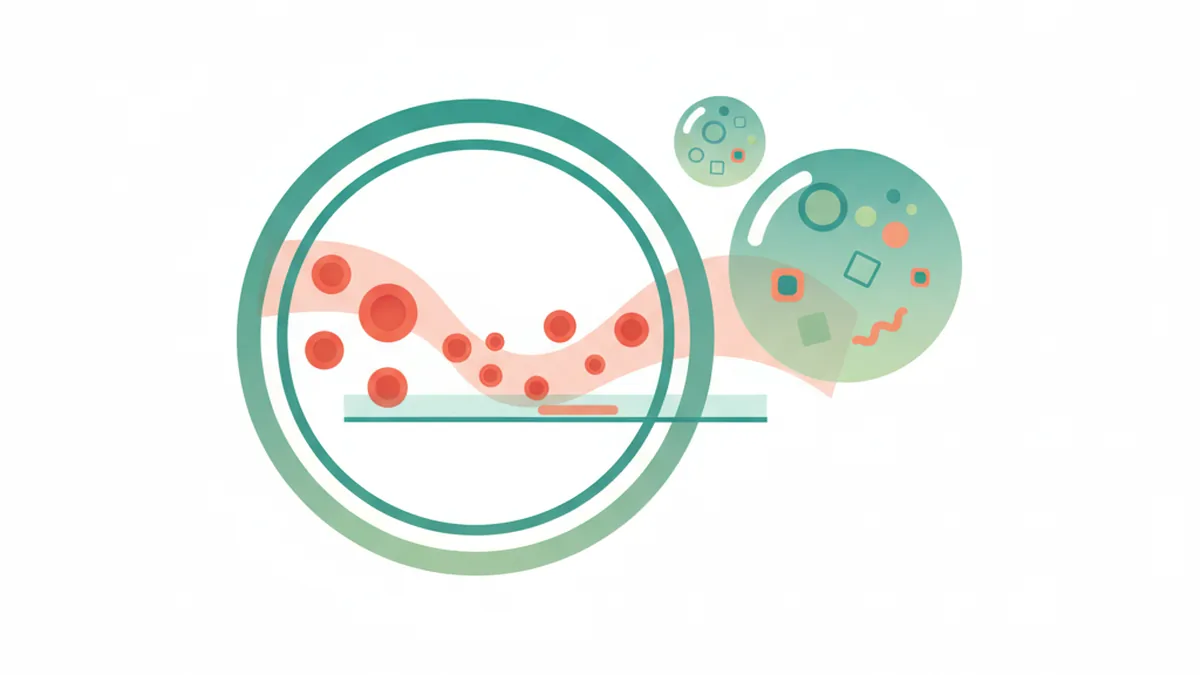
Your body runs on glucose, a type of sugar that fuels everything from your brain cells to your muscles. After you eat, your blood sugar rises, and your pancreas releases insulin—a hormone that acts like a key, unlocking your cells so glucose can enter and provide energy.
In prediabetes, your cells start ignoring insulin's knock at the door. This is called insulin resistance. Your pancreas compensates by producing more insulin, like knocking louder. For a while, this works. Your blood sugar stays mostly normal, but only because your pancreas is working overtime.
Eventually, though, your pancreas can't keep up. Blood sugar begins to creep upward—not dramatically, but enough to cross into prediabetic range.
The American Diabetes Association defines prediabetes using three possible tests:
A fasting blood sugar between 100-125 mg/dL (normal is below 100). An A1C—which measures your average blood sugar over about three months—between 5.7% and 6.4% (normal is below 5.7%). Or a two-hour glucose tolerance test result of 140-199 mg/dL.
You only need one of these to qualify.
What surprised researchers over the past two decades is how much damage happens during the prediabetic stage—long before someone officially has diabetes. Studies have found that people with prediabetes already show early signs of kidney disease, nerve damage, and cardiovascular changes. The National Institutes of Health notes that heart disease risk increases even at prediabetic blood sugar levels.
This isn't a benign holding pattern. Your body is already under stress.
But here's what genuinely matters: prediabetes is shockingly reversible.
Research consistently shows that modest lifestyle changes—we're talking 5-7% body weight loss and 150 minutes of weekly physical activity—can cut diabetes risk by more than half. Some studies show even better results. People who make these changes don't just delay diabetes; many return their blood sugar to completely normal ranges.
Your pancreas hasn't failed yet. Your cells haven't become totally insulin-resistant. There's still time to reset the system.
Why This Matters More Than You Think
The reason prediabetes gets missed isn't just about lack of testing, though that's part of it. It's that the condition is maddeningly subtle.
You don't feel insulin resistance. You don't notice when your pancreas starts producing extra insulin. There's no pain, no obvious dysfunction, no dramatic symptom that sends you to the doctor.
Some people report feeling more tired than usual or experiencing increased thirst and urination—classic diabetes symptoms in milder form. But most feel absolutely nothing.
This is why routine screening matters. The U.S. Preventive Services Task Force recommends blood sugar testing for adults aged 35-70 who are overweight or obese. But plenty of doctors will check earlier if you have risk factors: a family history of diabetes, a history of gestational diabetes, polycystic ovary syndrome, or belong to certain ethnic groups with higher diabetes rates (Black, Hispanic, Native American, Asian American, Pacific Islander).
Without testing, you're flying blind.
The people most likely to miss their prediabetes diagnosis? Those who don't fit the stereotypical profile. You can be thin and have prediabetes—especially if you carry weight around your midsection or have a family history. You can be young. You can exercise regularly and still have insulin resistance brewing.
Researchers have found that roughly 10-15% of people with prediabetes are normal weight. They're often the last ones to get screened and the most shocked by their results.
Age plays a role too, though not the way you'd expect. While risk increases as you get older, we're seeing prediabetes in younger adults and even adolescents at alarming rates. It's no longer a "middle-aged person's problem."
There's also an ethnic component that isn't talked about enough. Some populations develop insulin resistance at lower body weights and younger ages. An Asian American adult might develop prediabetes at a BMI that would be considered completely normal for a white adult.
The standard screening guidelines don't always capture these nuances.
What actually reverses prediabetes? The data is clear, though the specifics might surprise you.
Weight loss helps, but not because of some mystical property of being thinner. Losing weight—particularly visceral fat around your organs—reduces insulin resistance. Your cells start responding to insulin again. Research suggests that even a 5% reduction in body weight can improve insulin sensitivity significantly.
But exercise matters independently of weight loss. When you move your muscles, they pull glucose out of your bloodstream without needing as much insulin. Regular physical activity literally makes your cells more responsive to insulin. This effect lasts for hours after you stop exercising.
The type of exercise? Both aerobic activity (walking, cycling, swimming) and resistance training (lifting weights, bodyweight exercises) help. You don't need to become a marathon runner. Consistent moderate activity beats occasional intense workouts.
Diet changes work, but probably not the way you've been told. There's no magic "prediabetes diet." What matters is reducing insulin demand—eating in a way that doesn't spike your blood sugar repeatedly throughout the day.
This often means fewer refined carbohydrates and more protein, healthy fats, and fiber. Not because carbs are evil, but because eating a bagel for breakfast, crackers for a snack, and pasta for dinner keeps your blood sugar—and therefore your insulin demand—elevated all day.
Some people respond well to lower-carb approaches. Others do fine with moderate carbs if they're the right kind: whole grains, legumes, vegetables. There's individual variation here, which is why blanket advice often fails.
Sleep matters more than most people realize. Research links poor sleep and sleep disorders like sleep apnea to insulin resistance. When you're chronically sleep-deprived, your body produces more cortisol (a stress hormone) and becomes less responsive to insulin.
Stress itself affects blood sugar. Cortisol tells your liver to release stored glucose, raising blood sugar even when you haven't eaten. Chronic stress means chronically elevated cortisol, which means persistently higher blood sugar and greater insulin resistance.
This is where prediabetes gets frustrating. You can't just take a pill and fix it. (Though to be clear, metformin—a diabetes medication—can help prevent progression in high-risk individuals, per research supported by the National Institutes of Health. Worth discussing with your doctor.)
Reversing prediabetes requires changing multiple things about how you live. Not perfectly. Not forever in some miserable restrictive way. But consistently enough that your body gets a break from the constant insulin demand.
The Part Nobody Talks About
Here's what often gets left out of the prediabetes conversation: the emotional toll of being told you're "almost sick."
It's not diabetes, so you don't qualify for the support systems and education that diabetes patients receive. But it's not nothing, so you can't just ignore it. You're stuck in this liminal space where you're supposed to make significant life changes to avoid a disease you don't have yet.
That's genuinely hard.
Many people feel blamed. Like their body's betrayal is their fault. They internalize the message that they ate too much, moved too little, failed at taking care of themselves. Never mind genetics, stress, sleep deprivation, medications that affect blood sugar, hormonal changes, or the dozen other factors that contribute to insulin resistance.
Others feel paralyzed by information overload. Should you go keto? Vegan? Mediterranean? Count calories? Try intermittent fasting? Every source offers conflicting advice, and figuring out what actually works for your body feels overwhelming.
Some people give up before they start. The changes feel too big, too permanent, too restrictive. Especially when you feel completely fine right now.
Here's what helps: thinking smaller.
You don't need to overhaul your entire life next Tuesday. You need to make one change, see if it helps, and build from there. Maybe that's a 20-minute walk after dinner. Or swapping juice for water. Or adding protein to breakfast so you're not starving and shaky by mid-morning.
Small improvements in blood sugar—even if they don't fully reverse your prediabetes immediately—still reduce your risk of complications. Every point your A1C drops matters. Every month your fasting glucose stays lower helps.
This isn't an all-or-nothing situation, despite how it's often presented.
When should you actually worry? If your numbers are trending upward despite your efforts. If you're experiencing symptoms like excessive thirst, frequent urination, blurred vision, or slow-healing cuts. If you have other conditions that increase diabetes risk—like PCOS, a history of gestational diabetes, or a family history of early-onset type 2 diabetes.
And if you're making reasonable lifestyle changes and your blood sugar isn't budging, that's worth a deeper conversation with your doctor. Sometimes insulin resistance has an underlying cause—thyroid problems, Cushing's syndrome, certain medications—that needs to be addressed.
Prediabetes shouldn't be a diagnosis you ignore because it sounds less serious than diabetes. But it also shouldn't be a source of shame or panic.
Think of it as information. Your body is telling you something about how it's handling glucose right now. That's useful to know. It gives you a chance to respond before the system breaks down completely.
You're not broken. You're not doomed. You're at a fork in the road, and one path leads somewhere significantly better than the other.
Most people standing at that fork never realize they have a choice.
Now you do.
This article is for informational purposes only and isn't a substitute for medical advice. Talk to a qualified healthcare provider about your specific situation.
Sources & further reading
This article draws on guidance from recognized health authorities:


Comments
Post a Comment