Kidney Stones: Why They Form and What You Can Actually Do to Prevent Them
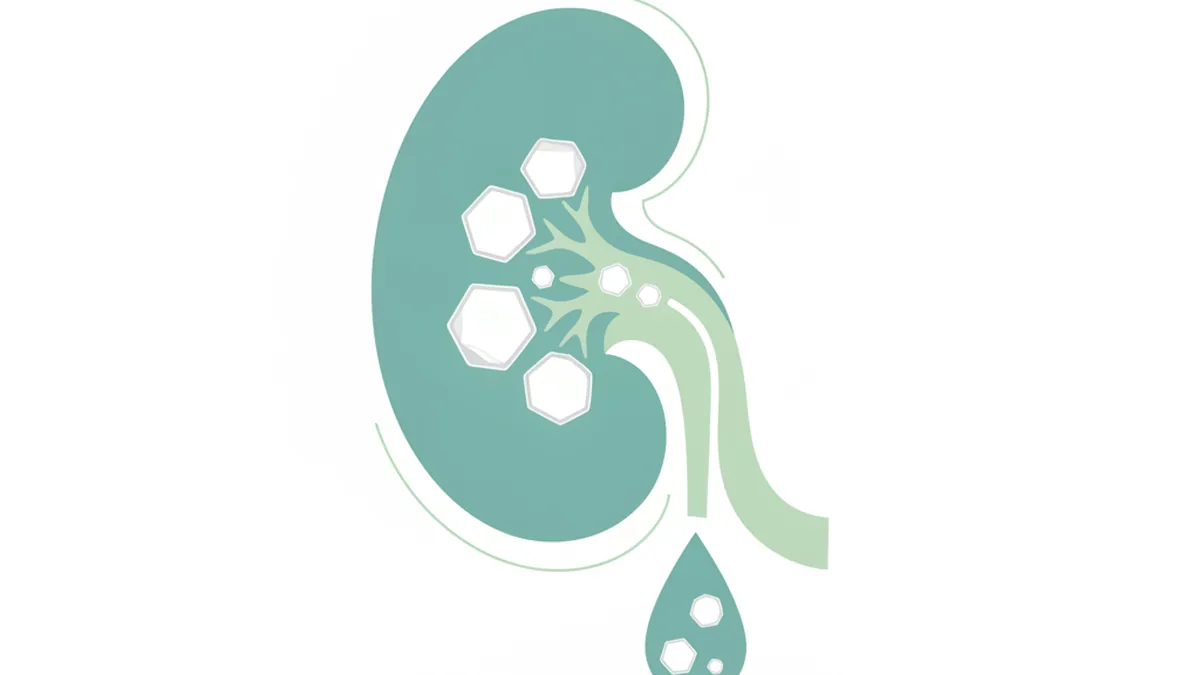
Here's something most people don't realize until they're writhing in pain at 3 AM: kidney stones often announce themselves with zero warning. One minute you're fine. The next, you're experiencing what many describe as worse than childbirth.
I've spent years covering renal health, and the question I get most often isn't about treatment — it's prevention. People who've had one stone live in fear of the next. And they should be concerned: about half of people who pass a kidney stone will develop another within seven years.
But here's what's interesting. The standard advice — "drink more water" — is only part of the story. Understanding why stones form in your particular case changes everything about prevention.
Why does this happen?
Your kidneys filter about 50 gallons of blood daily, pulling out waste and excess minerals. Normally, these substances dissolve in your urine and exit without incident. Stones form when the balance tips — either you have too much of certain substances, or not enough fluid to keep them dissolved.
Think of it like making rock candy. Dissolve sugar in hot water, let it cool and evaporate, and crystals form. Your kidneys work similarly, except instead of sugar, we're talking about calcium, oxalate, uric acid, and other compounds.
The most common type — calcium oxalate stones — accounts for roughly 80% of cases. These form when calcium in your urine binds with oxalate, a compound found in many foods. But here's where it gets counterintuitive: eating calcium doesn't typically cause these stones. In fact, dietary calcium often prevents them by binding to oxalate in your digestive tract before it reaches your kidneys.
What actually matters is the ratio. High oxalate plus low calcium equals trouble. High oxalate with adequate calcium? Often fine.
Uric acid stones work differently. They form in acidic urine and are more common in people who eat high amounts of animal protein or have gout. Struvite stones develop after urinary tract infections — the bacteria change urine chemistry in ways that promote crystal formation. Cystine stones are rare, caused by a genetic disorder that makes kidneys leak specific amino acids.
Your risk isn't random. Men develop stones about twice as often as women, though the gap is narrowing. Stones most commonly strike between ages 30 and 50. If you've had one before, your odds of another climb significantly. Family history matters too — if your parent had kidney stones, your risk roughly doubles.
Living in hot climates increases risk because you lose more fluid through sweat, concentrating your urine. Certain medications, including some diuretics and calcium-based antacids, can contribute. So can conditions like inflammatory bowel disease, which affects how your gut absorbs calcium and water.
The underlying mechanism isn't fully understood. Researchers know that crystals need to nucleate — find a starting point to grow from — then aggregate into larger structures. Some people seem to have urine that inhibits this process better than others. We don't know why.
Is this serious?
Most kidney stones eventually pass on their own. Small ones — under 4 millimeters — have about an 80% chance of passing without intervention. They hurt like hell, but they're not dangerous in themselves.
The real concern is what happens when they don't pass.
A stone blocking urine flow can cause severe, sudden pain that radiates from your back to your groin. You might see blood in your urine — anything from slight pink to alarming red. Nausea and vomiting are common. Some people develop fever and chills if infection sets in behind the blockage.
That last part is critical. An obstructed, infected kidney is a medical emergency. The infection can spread to your bloodstream quickly. If you have fever above 101°F plus symptoms suggesting a stone, you need immediate medical attention.
Even without infection, prolonged obstruction can damage your kidney. The backed-up pressure affects the delicate filtering structures. One kidney can usually compensate, but bilateral obstruction or repeated stones in a single kidney can lead to chronic kidney disease over time.
Larger stones — above 6 millimeters — often require intervention. They might sit in your kidney for months or years, occasionally causing dull pain and increasing infection risk. Some grow into "staghorn" configurations that fill the kidney's collecting system, causing progressive damage.
Here's what many people miss: the stone you can feel isn't always the one causing the most harm. Small stones that pass hurt intensely but usually cause no lasting damage. Silent stones sitting in your kidney might be quietly destroying function.
So how do you know when to worry?
Severe pain that doesn't improve with over-the-counter medication warrants a call to your doctor. Pain accompanied by fever, chills, or inability to urinate requires emergency care. Blood in your urine plus pain should prompt at least a same-day visit. And if you're vomiting so much you can't keep fluids down, you might need IV hydration and imaging to check for obstruction.
Even after a stone passes, follow up with a healthcare provider. They can analyze the stone's composition if you manage to catch it (strain your urine through a coffee filter). Knowing what type you passed guides prevention.
What should I do?
Prevention depends entirely on what kind of stones you form. This is why the generic advice often fails — strategies that work for calcium oxalate stones might worsen uric acid stones.
Start with hydration, but do it right. The goal is producing about 2 to 2.5 liters of urine daily. That typically requires drinking 2.5 to 3 liters of fluid, more if you exercise heavily or live somewhere hot. Water works best. Lemon or lime juice may help — the citrate they contain can inhibit stone formation.
But chugging water randomly isn't enough. Spread fluid intake throughout the day. Drinking eight glasses between 8 AM and noon, then nothing after, concentrates your urine overnight when stones often form. Keep water at your bedside. If you wake to use the bathroom, drink a bit.
For calcium oxalate stones, don't restrict calcium. This seems backward but it's well-established: low calcium diets increase stone risk. The calcium binds oxalate in your gut, preventing absorption. Aim for normal dietary calcium — around 1,000 mg daily from food sources like dairy, leafy greens, or fortified products.
Do reduce oxalate if your stones contain it. Spinach, rhubarb, beets, nuts, chocolate, tea, and wheat bran are particularly high. You don't need to eliminate these foods entirely, just moderate portions and pair them with calcium-containing foods.
Salt matters more than most people realize. Excess sodium increases calcium in your urine. Americans consume far more salt than necessary — the recommendation is under 2,300 mg daily, but average intake exceeds 3,400 mg. Watch processed foods, restaurant meals, and adding salt at the table.
Animal protein in large amounts increases both calcium and uric acid in urine while lowering citrate levels. That's a triple threat for stone formation. You don't necessarily need to go vegetarian, but if you're eating 12-ounce steaks regularly, scaling back helps. Think palm-sized portions of meat, fish, or poultry rather than plate-filling slabs.
For uric acid stones, dietary changes are even more important. These form in acidic urine, so making urine more alkaline helps. Increase fruits and vegetables while reducing animal protein, especially organ meats, red meat, and shellfish. Some people benefit from potassium citrate supplements, but that requires medical supervision.
If you're prone to struvite stones from infections, focus on preventing UTIs. Stay well-hydrated, don't hold urine for long periods, and practice good bathroom hygiene. Some people with recurrent UTIs need preventive antibiotics or further evaluation for anatomical problems.
Cystine stones are trickier because they stem from genetics. Extreme hydration helps — sometimes 4 liters daily or more. Medication that makes urine more alkaline may be necessary.
Weight matters, though the relationship is complex. Obesity increases stone risk, but rapid weight loss — especially with very low-carb diets — can temporarily spike risk as your body breaks down tissue and floods urine with stone-forming substances. Gradual, sustainable weight loss is safer.
Some supplements deserve scrutiny. Vitamin C converts to oxalate, so megadoses can increase stone risk. Calcium supplements might contribute if taken on an empty stomach — take them with meals so calcium can bind to dietary oxalate. Vitamin D supplements in excess can increase calcium absorption.
Coffee and beer show up in research as possibly protective, though the effect is modest and certainly doesn't mean you should start drinking if you don't already. The mechanism likely involves increased fluid intake and possibly beneficial compounds in coffee.
Beyond diet, timing matters. If you've had stones before, especially during summer months, be extra vigilant about hydration when it's hot. If you exercise intensely, replace fluids adequately — many athletes are chronically underhydrated.
Medical options exist for frequent stone formers. Thiazide diuretics can reduce calcium in urine. Allopurinol lowers uric acid production. Potassium citrate supplements increase urinary citrate, which inhibits stone formation. These require prescription and monitoring.
The most valuable step? Get metabolic testing if you form recurrent stones. This involves collecting urine for 24 hours and having it analyzed for calcium, oxalate, citrate, uric acid, and other substances. It reveals your specific risk factors. Someone spilling excessive calcium needs different interventions than someone with low citrate or high uric acid. Without this information, you're guessing.
Worth noting: prevention isn't perfect. You can do everything right and still form stones if you're genetically predisposed. But you can often reduce frequency and severity significantly.
One more thing that doesn't get enough attention: kidney stones have been increasing in prevalence over the past few decades. Researchers aren't entirely sure why. Climate change may play a role, as warming temperatures mean more people live in conditions that promote dehydration. Dietary shifts toward processed foods high in salt and sugar likely contribute. Obesity rates have risen in parallel with stone rates.
What we do know is this: you have more control than you might think. The person who drinks adequate fluids, moderates salt and animal protein, and maintains a healthy weight faces significantly lower risk than someone who ignores these factors — even with the same genetic predisposition.
If you've never had a stone, these preventive measures reduce your chances of joining the unlucky club. If you have had one, they substantially lower the odds you'll experience that particular hell again. And if you're a chronic stone former, metabolic testing plus targeted prevention can often break the cycle.
The pain of a kidney stone is memorable enough that prevention becomes very motivating after the first one. Take advantage of that motivation while it's fresh.
This article is for informational purposes only and isn't a substitute for medical advice. Talk to a qualified healthcare provider about your specific situation.
Sources & further reading
This article draws on guidance from recognized health authorities:


Comments
Post a Comment