When Worry Won't Stop: Telling Everyday Stress from an Anxiety Disorder
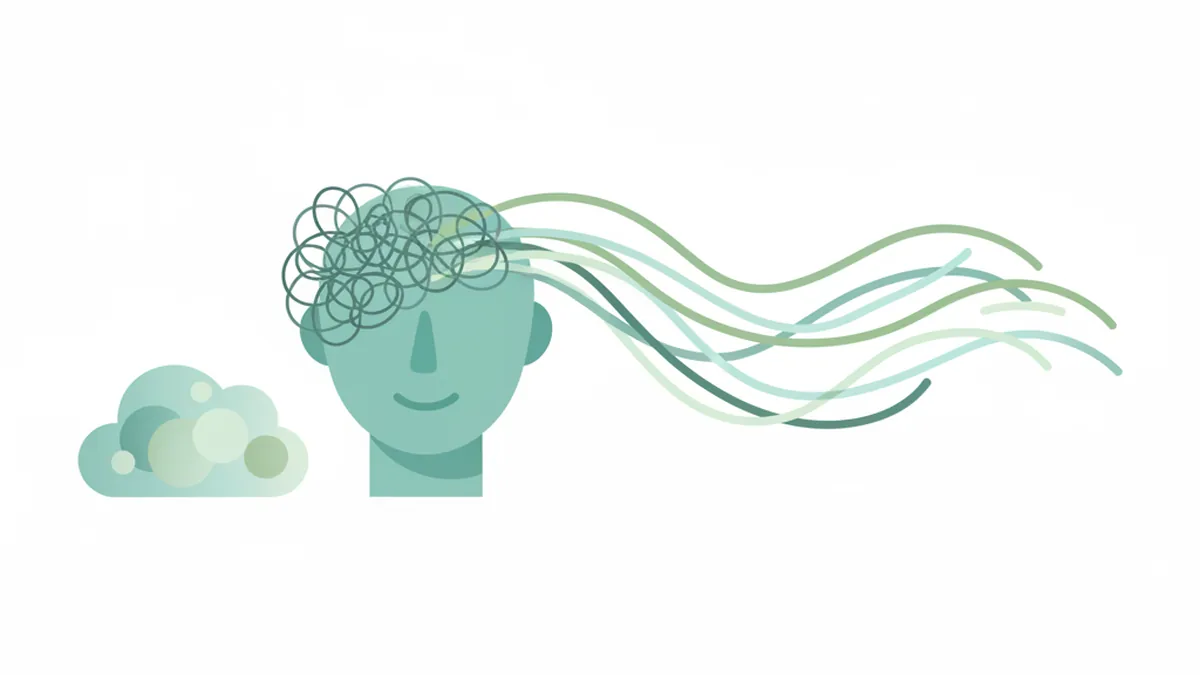
Your heart races before a big presentation. Your stomach knots when bills pile up. You lie awake replaying an awkward conversation. All of this? Completely normal. Our brains evolved to worry—it kept our ancestors alive.
But here's where it gets tricky: roughly 31% of adults will experience an anxiety disorder at some point in their lives—and about 19% in any given year, according to the National Institute of Mental Health. That's not just elevated stress. It's a persistent pattern that derails daily life, and the line between the two can blur.
I've spent years parsing research on stress and anxiety, and one thing becomes clear: understanding the difference isn't about self-diagnosis. It's about recognizing when your brain's alarm system needs professional recalibration.
The Nature of the Beast: Two Different Animals
Everyday stress arrives with a cause and leaves with it. Your daughter's college applications stress you out—then she gets accepted and the knot loosens. A work deadline looms—you finish the project and breathe easier. Stress is situational. Proportional. Time-limited.
Anxiety disorders operate on different rules entirely.
The worry persists even after the trigger disappears. It attaches to multiple areas of life simultaneously. The intensity wildly exceeds what the situation warrants, and you recognize this mismatch but can't control it. That last part matters—people with anxiety disorders typically know their worry is excessive. The problem isn't insight. It's that the knowledge doesn't help.
Think of stress as your body's smoke detector going off when you burn toast. Unpleasant, sure, but appropriate. An anxiety disorder is that same detector wailing constantly, triggered by nothing, or by things that shouldn't set it off—and you can't find the off switch.
The physical symptoms differ too. Stress produces tension, fatigue, irritability. You might get headaches or sleep poorly for a few nights. Anxiety disorders can generate panic attacks—sudden surges of overwhelming fear with chest pain, difficulty breathing, dizziness, and a terrifying sense of impending doom. They can cause persistent muscle tension, chronic digestive issues, and exhaustion that sleep doesn't fix.
When Worry Takes Over: The Disorder Spectrum

Not all anxiety disorders look alike. What unifies them is persistent, excessive fear or worry that interferes with daily functioning.
Generalized anxiety disorder spreads worry across your entire life. Health, finances, relationships, work—everything carries a sense of dread. People often describe it as living with a constant hum of nervousness they can't shut off. The worry shifts from topic to topic but never truly stops.
Panic disorder brings recurrent panic attacks—those sudden waves of intense fear that peak within minutes. What makes it a disorder isn't just the attacks themselves but the persistent worry about having another one. People start avoiding situations where they've panicked before, or where escape would be difficult. A grocery store becomes threatening. Driving feels impossible.
Social anxiety disorder goes beyond shyness or introversion. It's an intense fear of judgment in social situations, often leading to avoidance that shrinks someone's life. Ordering food, making phone calls, attending gatherings—ordinary interactions become sources of significant distress.
Then there's the aftermath of trauma. Post-traumatic stress disorder creates a different anxiety pattern—intrusive memories, nightmares, hypervigilance, and intense reactions to reminders of the traumatic event. The body gets stuck in threat mode long after danger has passed.
Specific phobias—intense, irrational fears of particular objects or situations—round out the picture. A phobia isn't just disliking spiders or preferring not to fly. It's overwhelming anxiety that causes avoidance and genuine distress when confronted with the feared thing.
The Functional Divide: Where the Line Gets Clear
Here's what clinicians look for, and what you should consider: How much is this affecting your actual life?
With normal stress, you still function. You're less comfortable, more tired, crankier than usual—but you show up to work, maintain relationships, handle responsibilities. You might complain about the stress, but you're managing.
An anxiety disorder makes functioning harder or impossible in key areas:
You start missing work because leaving the house feels insurmountable. You decline social invitations so often that friends stop asking. Your relationship suffers because you need constant reassurance or because intimacy triggers anxiety. You avoid driving, flying, or taking elevators, and this limits your job options or where you can live. You spend hours each day worrying or performing rituals to manage anxiety, leaving little time for anything else.
The avoidance piece is crucial. We all dodge unpleasant things occasionally. But with an anxiety disorder, avoidance becomes a primary coping strategy that progressively narrows your world. You skip the party, then you skip the small gathering, then you stop answering texts. Each avoidance provides temporary relief but strengthens the anxiety long-term.
Physical health often takes a hit too. Chronic anxiety is linked to cardiovascular issues, weakened immune function, and digestive problems. The stress response—meant to be temporary—runs continuously, and the body pays the price.
Ask yourself: If someone offered to magically remove this worry, would your life look substantially different? If the answer is yes—if you'd apply for different jobs, travel to places you've wanted to see, repair relationships you've let lapse, pursue hobbies you've abandoned—that's a strong signal you're dealing with more than everyday stress.
The Timeline Test
Duration matters. A lot.
Stress around a specific event—a move, a loss, a major life change—can last weeks or even a few months. That's within normal range, though not pleasant. You'd expect someone grieving a death or adjusting to divorce to experience elevated anxiety for a while.
Mental health professionals generally look at a six-month threshold for diagnosing generalized anxiety disorder. Not six months of occasional worry, but six months of persistent, excessive anxiety occurring more days than not. Other anxiety disorders have different timelines, but the key is persistence.
If you've felt constantly anxious for several months without a clear, ongoing external cause—or if the anxiety far outlasts whatever triggered it—that suggests something beyond normal stress.
Getting Help: When and How
Nobody should wait until they're completely non-functional to seek help. That's like waiting until you can't walk to see a doctor about knee pain.
Consider reaching out to a mental health professional if:
- Worry interferes with work, relationships, or daily activities
- Physical symptoms (chest pain, difficulty breathing, persistent muscle tension, digestive issues) accompany your anxiety regularly
- You're avoiding important activities or places due to anxiety
- You're using alcohol, drugs, or other substances to manage anxiety
- The anxiety persists for months without improvement
- You experience panic attacks
- You feel depressed alongside the anxiety (these often travel together)
If you experience severe chest pain, difficulty breathing, or feel like you might harm yourself, seek emergency care immediately. If you're having thoughts of suicide or self-harm, call or text the 988 Suicide & Crisis Lifeline (in the U.S.) for free, confidential support any time, or call 911. Don't wait.
For non-emergency situations, start with your primary care physician. They can rule out medical conditions that mimic anxiety—thyroid problems, heart arrhythmias, vitamin deficiencies. If it's anxiety, they can refer you to a therapist or psychiatrist.
Cognitive behavioral therapy has strong evidence for treating anxiety disorders. It helps you identify thought patterns that fuel anxiety and develop more effective responses. Sometimes medication—typically SSRIs or other antidepressants—plays a role, particularly for moderate to severe anxiety disorders.
The treatment landscape has expanded too. Many people now access care through telehealth platforms, which can be easier if anxiety makes leaving home difficult. Support groups—both in-person and online—provide community and practical coping strategies.
The Gray Zone
Some people exist in that murky middle—not quite an anxiety disorder by clinical criteria, but struggling more than "normal stress" suggests. Maybe the anxiety only hits diagnostic criteria in some areas but not others. Maybe it's recent enough that the six-month marker hasn't arrived.
You don't need to meet full diagnostic criteria to deserve help. If anxiety is making you miserable or limiting your life, treatment can help. Therapy benefits people across the anxiety spectrum, not just those with formal diagnoses.
Similarly, successfully managing an anxiety disorder doesn't mean you'll never feel stress again. Recovery looks like proportional responses to real stressors, coupled with tools to manage symptoms when they arise. It's not the absence of anxiety—it's getting your life back.
What This Means Going Forward
The distinction between stress and anxiety disorder isn't academic. It shapes how you approach the problem.
Everyday stress responds to practical solutions: better time management, exercise, sleep, social connection, addressing the source of stress when possible. These help anxiety disorders too—but they're usually not sufficient on their own. Anxiety disorders typically need professional treatment: therapy, and often medication.
Recognizing an anxiety disorder in yourself or someone you care about isn't weakness or failure. It's accurate assessment of a treatable condition. Anxiety disorders have neurobiological components—they're not personality flaws or lack of willpower.
The brain's threat-detection system serves us well, until it doesn't. When worry becomes chronic, excessive, and interfering, that's when it's time to bring in professional help to recalibrate the system. Most people with anxiety disorders who seek treatment see significant improvement. The first step is just recognizing that what you're experiencing might need more than stress management—it might need actual treatment.
And that's okay. Actually, it's better than okay. It's the beginning of getting your life back.
This article is for informational purposes only and isn't a substitute for medical advice. Talk to a qualified healthcare provider about your specific situation.
Sources & further reading
This article draws on guidance from recognized health authorities:


Comments
Post a Comment