Vitamin D Deficiency: Why Half Your Neighbors Might Have It
A few years back, a friend complained about feeling exhausted all winter. Not just tired—bone-deep fatigue that made lifting her arms feel like work. Her doctor ran the usual suspects: thyroid, blood sugar, iron. All normal. Then someone checked her vitamin D. It was 18 ng/mL. For context, anything below 20 is considered deficient.
Three months of supplementation later, she felt like herself again.
Here's what surprised me when I started looking into this: vitamin D deficiency is shockingly common, yet most people have no idea they have it. The symptoms mimic everything from depression to chronic pain. And the people most at risk? They're not who you'd expect.
What Most People Think Versus What the Science Shows
The common belief: If you go outside occasionally and drink milk, you're probably fine.
The reality: Research consistently shows deficiency rates far higher than most people assume. Estimates shift with the cutoff used, but national US survey data has put deficiency (below 20 ng/mL) at roughly 40% of adults overall—and much higher in some groups, with rates around 80% among Black adults and 70% among Hispanic adults, compared with about 30% among white adults. Even in sunny climates, significant portions of the population test below optimal levels.
Part of the disconnect comes from how we think about vitamins. We tend to imagine deficiency diseases as dramatic: scurvy with bleeding gums, rickets with bowed legs. Those are severe, late-stage conditions. Vitamin D deficiency today looks different. It's subtle. A nagging ache here. Low energy there. Maybe your mood tanks every January and you blame the weather.
The body needs vitamin D for calcium absorption, immune function, and inflammation control. When levels drop, things start breaking down slowly. Your bones might weaken imperceptibly over years. Your immune system becomes slightly less effective at fighting off infections. Muscle strength declines just enough that you notice stairs getting harder.
But none of this screams "vitamin deficiency." It whispers.
The Signs Your Body Isn't Getting Enough

Fatigue is the big one. Not "I stayed up late" tired—more like "I slept nine hours and still need a nap." Persistent, unexplained exhaustion that doesn't respond to more sleep or better diet often points to something hormonal or nutritional. Vitamin D sits at that intersection.
Bone and muscle pain is another hallmark, though it's vague enough that people attribute it to age or stress. A dull ache in the lower back. Tenderness in the ribs. Muscle weakness that makes you feel older than you are. These symptoms can have dozens of causes, but low vitamin D is common enough that it's worth checking.
Then there's mood. Multiple studies have linked low vitamin D levels to depression, particularly seasonal patterns. The relationship isn't perfectly clear—does deficiency cause depression, or do depressed people go outside less?—but the association is strong enough that some clinicians check vitamin D levels in patients with mood disorders.
Frequent infections suggest immune dysfunction. If you're catching every cold that circulates through your office, or that respiratory infection last month never quite cleared up, vitamin D might be part of the picture.
Hair loss, slower wound healing, and bone loss (often discovered only after a fracture) round out the list. None definitive on their own. All worth investigating together.
The tricky part? Many people with low vitamin D feel nothing at all, at least not acutely. The damage accumulates slowly—osteoporosis developing silently, cardiovascular changes happening beneath awareness.
Who Actually Needs to Worry About This
Some risk factors are obvious. If you live above the 37th parallel (roughly the latitude of San Francisco or Richmond, Virginia), your skin can't make vitamin D from sunlight for several months each year. The angle of the sun simply isn't steep enough. People in Seattle or Boston face a vitamin D production gap from roughly November through March.
But geography alone doesn't explain the pattern.
Darker skin contains more melanin, which reduces vitamin D synthesis. Someone with dark skin might need 3-6 times more sun exposure than someone with fair skin to produce the same amount. This means Black and Hispanic individuals living in northern regions face particularly high risk, though the issue affects people with darker complexions everywhere.
Age matters too. As we get older, our skin becomes less efficient at making vitamin D, and our kidneys become less efficient at converting it to its active form. People over 65 are at substantially higher risk even with identical sun exposure to younger adults.
Then there's the indoor factor. Office workers, night shift employees, people who are homebound—anyone spending most daylight hours inside—miss the window for vitamin D production. Add in sunscreen (necessary for cancer prevention but blocking vitamin D synthesis) and the modern lifestyle creates a perfect storm for deficiency.
People who are overweight or obese face another wrinkle. Vitamin D is fat-soluble, meaning it gets stored in adipose tissue. The more body fat you carry, the more vitamin D gets sequestered away rather than circulating in your blood. You might be producing adequate amounts but not accessing them effectively.
Certain medical conditions interfere with absorption: Crohn's disease, celiac disease, cystic fibrosis. Anyone who's had gastric bypass surgery faces long-term absorption challenges. And several medications—including some cholesterol drugs and steroids—can deplete vitamin D over time.
Exclusively breastfed infants need supplementation (breast milk contains minimal vitamin D). Strict vegans who avoid fortified foods lack dietary sources. People who cover most of their skin for religious or cultural reasons limit sun exposure by definition.
The uncomfortable truth is that the groups at highest risk often overlap: older Black women living in northern cities, for instance, or elderly nursing home residents with limited mobility. These populations deserve targeted screening, yet often don't get it.
Why This Matters More Than You'd Think
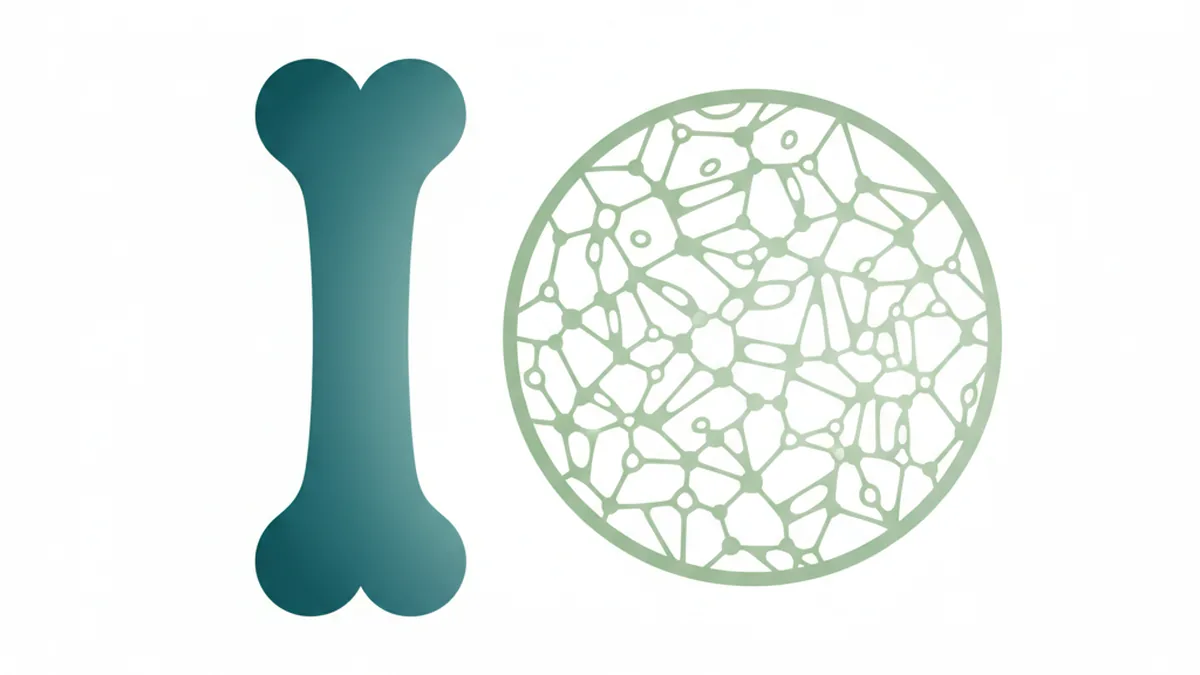
Here's where it gets serious. Low vitamin D isn't just about feeling tired or achy. Long-term deficiency increases fracture risk, particularly hip fractures in older adults. A broken hip after 65 can trigger a cascade of complications—immobility, pneumonia, loss of independence.
Emerging research suggests links to cardiovascular disease, though the mechanisms remain debated. Does deficiency contribute directly, or is it a marker of poor overall health? We're not entirely sure yet. The same question applies to diabetes risk, certain cancers, and autoimmune conditions. The associations exist, but causation is harder to prove.
What we do know: correcting deficiency is relatively simple and safe. A blood test (25-hydroxyvitamin D) costs about $50-100 out of pocket, less with insurance. If you're deficient, supplementation runs maybe $10-20 per month. The risk-benefit calculation tilts heavily toward checking, especially if you're in a high-risk group.
What to Actually Do About It
Start with your doctor, particularly if you have symptoms or fall into multiple risk categories. They can order the blood test and interpret results in context. What counts as "optimal" is somewhat debated—some experts aim for 30 ng/mL, others push for 40-50—but anything below 20 is generally considered deficient.
If you're low, the right dose depends on how deficient you are—and it should be set by your doctor based on your blood level, not guessed at. Severe deficiency may call for higher short-term doses before switching to a lower maintenance amount, while milder cases need much less. The key point: high doses taken without monitoring can cause toxicity, so this isn't a place for self-prescribing.
Food sources help but rarely suffice on their own. Fatty fish like salmon and mackerel contain decent amounts. Fortified milk, orange juice, and cereals add small contributions. Mushrooms exposed to UV light provide a plant-based source. But getting therapeutic doses from food alone is difficult unless you're eating salmon daily.
Sunlight remains the most efficient source when it's an option. About 10-30 minutes of midday sun exposure several times per week can maintain levels in lighter-skinned individuals during warmer months. Darker skin requires more time. The complication: skin cancer risk. Most dermatologists recommend supplementation over extended sun exposure, especially if you're fair-skinned or have a history of skin cancer.
Some people feel better within weeks of starting supplementation. Others take months to notice a difference. Bone density changes take even longer—a year or more of adequate levels before you'd see improvement on a scan.
Worth noting: mega-doses aren't automatically better. Taking 50,000 IU weekly might be prescribed for severe deficiency, but long-term, extremely high doses can cause calcium to build up in your blood, leading to kidney problems. More than about 4,000 IU daily warrants medical supervision.
When to Seek Help
How to Tell If Your Symptoms Are Actually Vitamin D Related
The challenge with vitamin D deficiency is that its symptoms overlap with about a dozen other common conditions. Fatigue could be thyroid dysfunction, anemia, sleep apnea, or just chronic stress. Muscle aches might be fibromyalgia, an autoimmune flare, or the aftermath of overexercising. So how do you know if vitamin D is the culprit?
Start by looking at the pattern. Vitamin D deficiency tends to produce a cluster of vague symptoms rather than one dramatic problem. If you're dealing with fatigue plus muscle weakness plus low mood plus you haven't been outside much lately, that constellation makes vitamin D more likely than if you just have one isolated complaint.
Timing matters too. Do your symptoms worsen in winter and improve in summer? That seasonal swing suggests a vitamin D component, though it's not definitive—seasonal affective disorder and other conditions follow the same calendar. Still, if you feel measurably worse from November through March and you live somewhere with limited winter sun, it's worth investigating.
Pay attention to what doesn't help. If you've been sleeping more, eating better, managing stress, and you're still exhausted, that points away from lifestyle factors and toward something metabolic or nutritional. Similarly, if over-the-counter pain relievers barely touch your muscle aches, or if physical therapy hasn't helped your persistent weakness, you're likely dealing with something systemic rather than mechanical.
Here's a quick self-assessment you can run before seeing a doctor. Give yourself one point for each that applies:
- You spend most daylight hours indoors (office work, night shifts, homebound)
- You live north of the 37th parallel or in a frequently overcast region
- You have medium to dark skin tone
- You're over 50
- You've gained significant weight or are obese
- You have a digestive condition (Crohn's, celiac, IBS) or have had gastric bypass
- You experience fatigue that doesn't improve with rest
- You have unexplained muscle pain or weakness, especially in the thighs or upper arms
- Your mood is noticeably worse in winter
- You get sick frequently or infections linger longer than they used to
Score 0-2: Low risk, but if symptoms are severe, still worth discussing with your doctor. Score 3-5: Moderate risk—vitamin D testing makes sense, especially if symptoms are affecting your daily life. Score 6 or higher: High risk—bring this up at your next appointment, or schedule one specifically to get tested.
This isn't a diagnostic tool, just a way to gauge whether vitamin D deficiency is plausible enough to warrant the blood test. The only way to know for certain is to check your levels.
One more distinction worth making: vitamin D deficiency versus insufficiency. Deficiency (below 20 ng/mL) usually produces noticeable symptoms. Insufficiency (20-30 ng/mL) is subtler—you might feel fine day-to-day but still face long-term risks like reduced bone density or immune vulnerability. Some people at 25 ng/mL feel perfectly normal. Others feel demonstrably better once they get above 35. Individual variation is real, which is why the "optimal" range remains debated.
What to Track and What to Tell Your Doctor
If you suspect vitamin D deficiency, don't just show up at your appointment and say "I'm tired." Doctors hear that constantly, and without context, it's hard to know where to start. Instead, bring specific observations that help narrow the possibilities.
Keep a simple symptom log for two weeks before your visit. Note your energy level each day on a scale of 1-10. Track when muscle pain occurs and where (lower back, thighs, ribs—location can matter). Record your mood, particularly if it shifts with weather or light exposure. Write down any infections or illnesses, even minor ones, and how long they lasted. This gives your doctor a clearer picture than "I've been feeling off."
Also track your sun exposure honestly. How many minutes per day do you spend outside during daylight hours? Are you usually wearing sunscreen? Long sleeves? This helps assess whether low vitamin D is even physiologically plausible. If you're getting 30 minutes of midday sun on your arms and legs several times a week and you have fair skin, deficiency becomes less likely (though still possible).
Mention your diet without exaggerating. Do you regularly eat fatty fish, fortified dairy, or UV-exposed mushrooms? Or is your diet mostly grains, vegetables, and lean protein with minimal vitamin D sources? Your doctor needs to know whether dietary intake could be contributing.
Bring up any relevant medical history: digestive issues, weight changes, surgeries, medications. If you're taking corticosteroids, certain anti-seizure drugs, or medications for cholesterol, tell your doctor—these can interfere with vitamin D metabolism. If you've been diagnosed with osteopenia or osteoporosis, that's especially relevant.
When you get your blood test results, ask for the actual number, not just "normal" or "low." A result of 22 ng/mL is technically above the deficiency threshold but still suboptimal for many people. A result of 15 ng/mL is clearly deficient and warrants more aggressive treatment. Knowing the number helps you and your doctor set a target and track progress.
If you start supplementation, keep notes on how you feel over the following weeks and months. Energy changes? Mood shifts? Pain levels? Some people notice improvement within two to four weeks. Others take longer, especially if bone or immune issues are involved. If you feel dramatically better after a month, that's useful information. If you feel exactly the same after three months, that suggests vitamin D wasn't the main problem—or that your dose needs adjustment.
Also track any side effects, though they're rare at typical doses. Nausea, constipation, or excessive thirst can signal you're taking too much. Mention these immediately rather than waiting for your next scheduled appointment.
One common mistake: people get tested, start supplementing, feel better, and then stop taking it without rechecking their levels. Vitamin D isn't like an antibiotic where you finish the course and you're done. If your lifestyle and sun exposure haven't changed, you'll likely need ongoing supplementation to maintain adequate levels. Plan on retesting after three to six months of treatment, then annually if you're on maintenance doses.
Finally, if your doctor dismisses your concerns without testing—particularly if you're in a high-risk group—it's reasonable to ask why or seek a second opinion. Vitamin D testing is inexpensive and low-risk. Given how common deficiency is and how easily it's corrected, there's little downside to checking if your symptoms and risk factors align.
If you're experiencing persistent fatigue, unexplained muscle pain, frequent infections, or mood changes that don't respond to other interventions, discuss vitamin D testing with a healthcare provider. This is particularly important if you're over 50, have darker skin, spend most time indoors, or have conditions affecting absorption.
If you've been diagnosed with osteoporosis or have had fractures from minimal trauma, definitely get your levels checked if you haven't already. Low vitamin D makes treating bone loss much harder.
For anyone taking prescribed vitamin D at doses above 4,000 IU daily, periodic blood tests ensure you're not overshooting. Too much is genuinely possible, though less common than deficiency.
Sudden bone pain, kidney stones, extreme fatigue, or confusion while taking high-dose supplements could signal toxicity. That requires immediate medical attention.
This article is for informational purposes only and isn't a substitute for medical advice. Talk to a qualified healthcare provider about your specific situation.
Sources & further reading
This article draws on guidance from recognized health authorities:
- MedlinePlus — Vitamin D Deficiency
- Cleveland Clinic — Vitamin D Deficiency
- NIH — Vitamin D Deficiency (StatPearls)


Comments
Post a Comment