Iron Deficiency: Why You're Exhausted (And Why Your Doctor Might Miss It)

You've slept eight hours. You're drinking coffee. You've ruled out burnout, depression, and the theory that you're just lazy. But you still can't seem to drag yourself through the afternoon without fantasizing about curling up under your desk.
Here's what most people believe: iron deficiency means you're anemic, and anemia means you're pale and fainting. You'd know if something was really wrong.
The reality is messier. Iron deficiency exists on a spectrum, and you can be significantly depleted long before your blood tests look alarming to a doctor glancing at standard panels. Millions of people walk around with suboptimal iron stores, blaming themselves for low energy when the problem is cellular and fixable.
What Most People Miss About Iron Deficiency
The common understanding goes like this: you're either anemic or you're fine. Blood work comes back "normal," case closed.
But iron depletion happens in stages. First, your ferritin drops — that's your stored iron, the reservoir your body taps when it needs to build new red blood cells or support hundreds of iron-dependent enzymes. Ferritin can plummet while your hemoglobin (the oxygen-carrying protein in red blood cells) stays in the normal range. You feel terrible. Your doctor says your numbers look acceptable.
This is iron deficiency without anemia, and it's strikingly common. Research consistently shows that low ferritin alone can cause fatigue, brain fog, exercise intolerance, and restless legs — even when hemoglobin hasn't dropped yet. The World Health Organization estimates that roughly two billion people worldwide have some degree of iron deficiency, with women of reproductive age and young children at highest risk.
Here's the catch: standard "complete blood counts" don't always include ferritin. A doctor might check your hemoglobin, see 12.5 g/dL (technically within range for women), and move on. Meanwhile, your ferritin might be 15 ng/mL — low enough to make you feel like you're wading through mud all day.
The second thing people miss: iron isn't just about blood. It's a cofactor for neurotransmitter synthesis, immune function, and cellular energy production. When you're low, everything runs slower. You might notice you're catching every cold, your workouts feel harder than they should, or your hair is thinning. These aren't dramatic fainting spells. They're quiet, grinding symptoms that people dismiss as stress or aging.
I've watched this play out dozens of times in health journalism — someone spends years wondering why they can't keep up, then discovers their ferritin is in the single digits. Three months of appropriate supplementation later, they feel like a different person. The fatigue wasn't a character flaw. It was biochemistry.
Why Iron Deficiency Is Absurdly Common
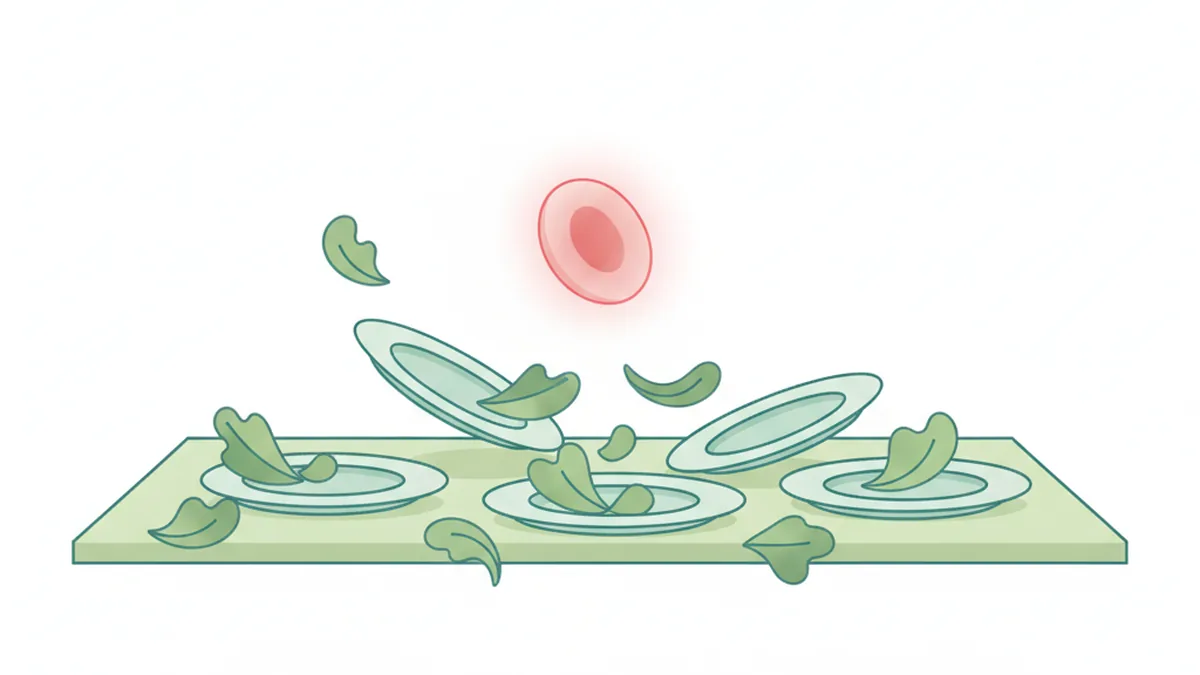
If iron is in meat, leafy greens, and fortified cereals, why is deficiency so widespread? Because absorption is complicated, and modern life works against us in specific ways.
Menstruation is the obvious culprit, but the math is brutal. A typical period might result in 30-40 mL of blood loss. That doesn't sound like much until you realize you're losing roughly 15-20 mg of iron each cycle, and you can only absorb about 1-2 mg per day from food under ideal conditions. Even a nutrient-dense diet struggles to keep up with monthly losses, which is why premenopausal women are disproportionately affected.
Pregnancy and breastfeeding multiply the demand. You're building another human's entire blood supply, then feeding them from your reserves. The body prioritizes the baby, so maternal stores get drained. Many women enter pregnancy already low and never quite recover postpartum.
But here's what surprised me when reviewing the research: diet matters less than you'd think, and absorption matters more. You can eat plenty of iron-rich foods and still run low if your gut isn't absorbing it efficiently.
Several common scenarios tank absorption. Proton pump inhibitors (PPIs) like omeprazole, taken by millions for acid reflux, reduce stomach acid — and you need that acid to convert dietary iron into an absorbable form. Chronic use of these medications is strongly associated with iron deficiency. So are conditions like celiac disease, Crohn's disease, or H. pylori infection, all of which damage the intestinal lining where iron gets absorbed.
Then there's the dietary interference most people don't know about. Calcium competes with iron for absorption, so if you're downing a latte with your iron-rich spinach salad, you've just blocked a chunk of uptake. Same with the polyphenols in tea and coffee, and the phytates in whole grains. These aren't "bad" foods — they're nutritious — but timing matters.
Plant-based diets add another layer of complexity. Non-heme iron (from plants) is far less bioavailable than heme iron (from meat). Your body absorbs perhaps 2-20% of non-heme iron compared to 15-35% of heme iron, depending on other dietary factors. Vegetarians and vegans can absolutely maintain healthy iron levels, but it requires more deliberate planning: pairing plant iron with vitamin C, avoiding tea with meals, and sometimes supplementing.
Finally, there's hidden blood loss. Gastrointestinal bleeding from ulcers, polyps, or routine NSAID use (ibuprofen, aspirin) can slowly drain iron without obvious symptoms. Athletes, especially runners, sometimes develop footstrike hemolysis — red blood cells literally getting crushed in the feet during repetitive impact. Frequent blood donation depletes stores faster than most people realize.
The Signs You're Actually Low (Beyond Just Being Tired)
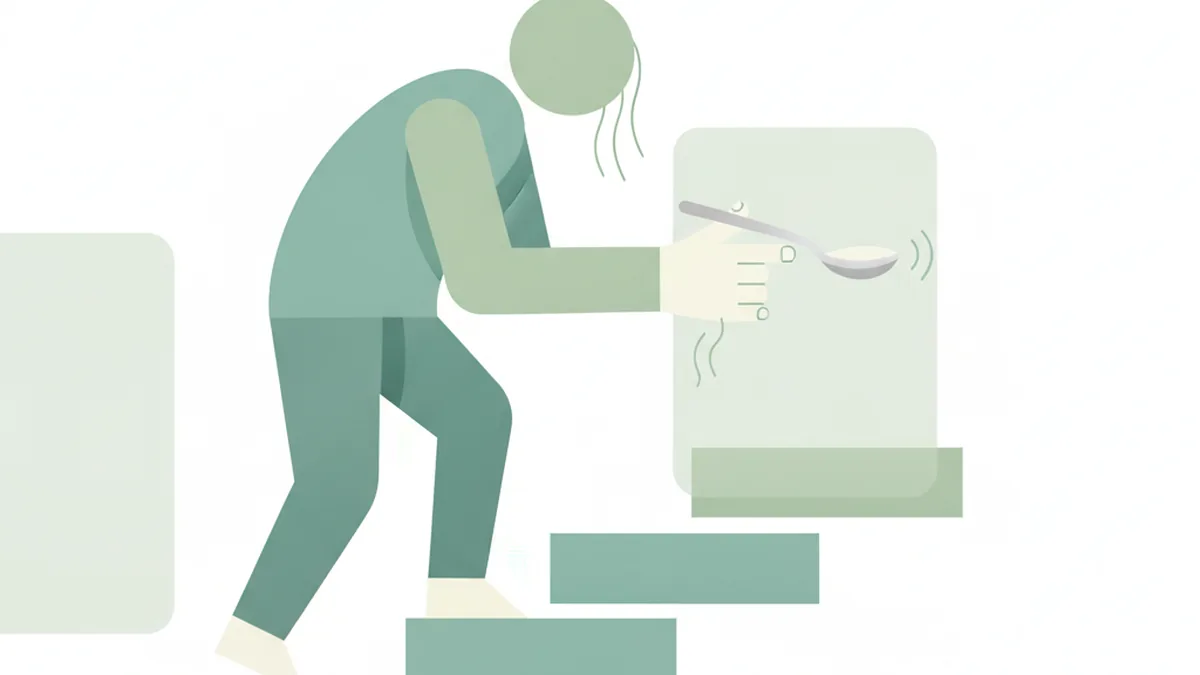
Fatigue is the headline symptom, but it's vague and universal. Nearly everyone is tired. Here's what else to watch for — the constellation of symptoms that starts to look less like burnout and more like a deficiency pattern.
Cognitive symptoms creep in early. Brain fog, difficulty concentrating, memory lapses. Iron is critical for myelination (insulating nerve fibers) and dopamine production. When stores drop, mental processing slows. You might notice you're rereading paragraphs or forgetting why you walked into a room more frequently. This isn't early dementia; it's often reversible with repletion.
Exercise becomes disproportionately hard. If you used to run three miles comfortably and now you're gasping at two, or your usual weights feel impossibly heavy, low iron might be limiting oxygen delivery to muscles. Your heart rate climbs higher than normal for the same effort. Recovery takes longer. This is one of the earliest functional signs athletes notice.
Restless legs at night — that creeping, crawling sensation that makes you want to move your legs constantly when you're trying to sleep — has a surprisingly strong link to low ferritin. Neurologists often check iron levels when patients report this symptom. The mechanism isn't fully understood, but supplementation frequently resolves it when ferritin is low.
Your nails and hair tell stories. Brittle nails that crack or develop vertical ridges. Hair that sheds more than usual or feels thinner. Koilonychia (spoon-shaped nails) is a classic sign of severe, long-standing deficiency. You might also notice your skin looks paler than normal, especially around the nail beds and inside the lower eyelids.
Cold intolerance gets worse. Iron deficiency affects thyroid hormone metabolism, and it also impairs your ability to generate body heat efficiently. If you're always the person reaching for a sweater while everyone else is comfortable, it's worth investigating.
Then there are the weird ones: pagophagia (compulsive ice chewing), a swollen or sore tongue, cracks at the corners of your mouth, and in severe cases, unusual cravings for non-food items like dirt or chalk (pica). These aren't common, but when they show up, they're red flags.
The challenge is that these symptoms overlap with thyroid disorders, sleep apnea, depression, and chronic fatigue syndrome. That's why testing is essential. You can't diagnose yourself based on fatigue alone.
What the Tests Actually Mean (And What to Ask For)
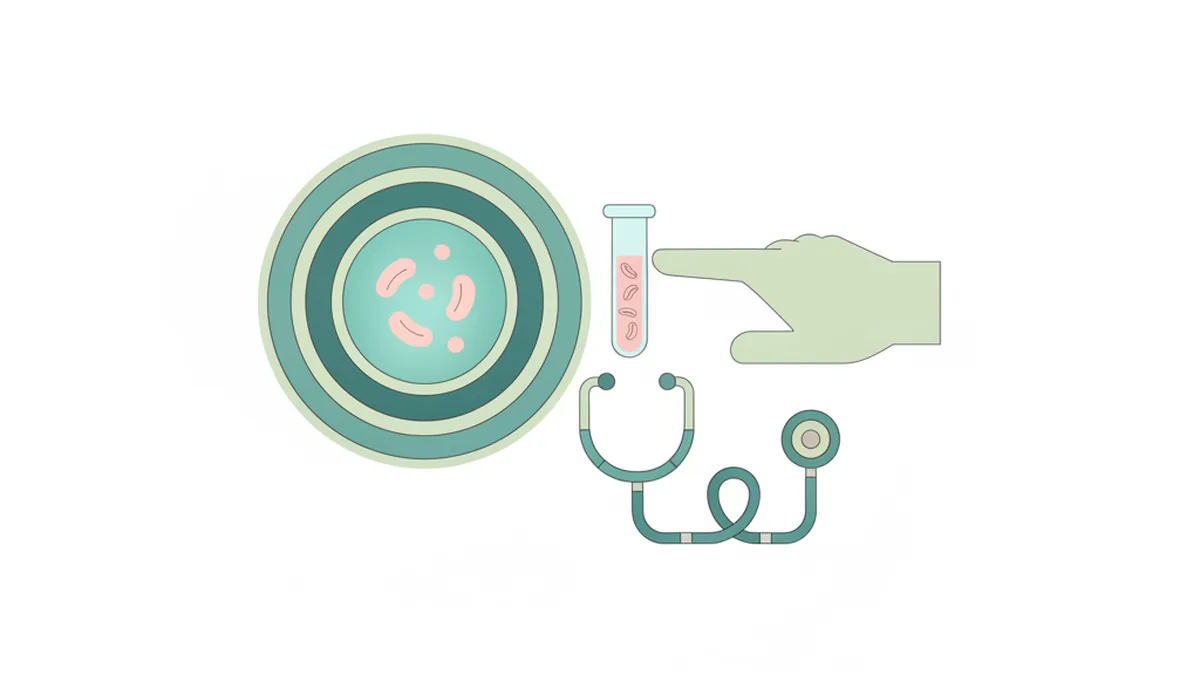
When you ask your doctor to check your iron, you need to be specific about which tests you want. A standard CBC (complete blood count) will show hemoglobin and hematocrit, but it might miss early deficiency.
Ask for a full iron panel:
Ferritin is the storage marker. This is the single most useful test for catching deficiency early. But here's where it gets tricky: "normal" ranges are broad (typically 12-150 ng/mL for women, 12-300 ng/mL for men), and some people feel awful at the low end. Functional medicine practitioners often target 50-100 ng/mL for optimal energy and cognitive function, even though labs might call anything above 12 "normal." If your ferritin is below 30 and you're symptomatic, that's worth addressing.
Serum iron and transferrin saturation show how much iron is circulating right now and how well your body is using it. These fluctuate throughout the day and aren't as reliable for diagnosis, but they help complete the picture.
TIBC (total iron-binding capacity) rises when you're deficient — your body makes more transferrin (the transport protein) trying to catch whatever iron is available.
Hemoglobin and hematocrit drop only after stores are depleted and your body can't keep up with red blood cell production. By the time these are low, you've been running on fumes for a while.
One important nuance: ferritin is also an acute phase reactant, meaning it rises during inflammation or infection. If you have an inflammatory condition (autoimmune disease, chronic infection, obesity), your ferritin might look falsely normal even when you're functionally iron deficient. In those cases, doctors sometimes look at transferrin saturation or run more specialized tests.
If your tests show deficiency, the next question is always: why? Is this dietary, absorption-related, or blood loss? For women with heavy periods, the cause is often obvious. For men or postmenopausal women, unexplained iron deficiency warrants further investigation — possibly a GI workup to rule out bleeding sources like ulcers or colon polyps.
What to Actually Do About It
Once you've confirmed low iron, the fix depends on severity and cause.
Dietary changes help, but they're rarely sufficient alone if you're already depleted. Increasing heme iron sources (red meat, organ meats, shellfish) is the most efficient dietary approach. Pair plant-based iron (lentils, spinach, fortified cereals) with vitamin C — a squeeze of lemon on your greens, or strawberries with your oatmeal — to enhance absorption. Avoid tea, coffee, and calcium-rich foods within two hours of iron-rich meals.
But realistically, if your ferritin is 10 and you're exhausted, food alone won't rebuild your stores in any reasonable timeframe. You'd need months to years of perfect dietary management.
Oral supplementation is the first-line treatment for most people. Standard iron supplements (ferrous sulfate, ferrous fumarate) provide 65 mg of elemental iron per dose. The usual recommendation is one tablet daily, or sometimes every other day — there's emerging evidence that alternate-day dosing may improve absorption because high doses can temporarily shut down the absorption machinery.
The downside: oral iron causes constipation, nausea, and dark stools in many people. Taking it with food reduces side effects but also reduces absorption. Some people tolerate chelated forms (iron bisglycinate) better, though they're more expensive. Vitamin C taken with your supplement can boost absorption.
Expect it to take three to six months to fully replenish stores, and you'll likely need to continue supplementing at a lower dose long-term if the underlying cause (heavy periods, vegetarian diet, absorption issues) persists.
Intravenous iron is increasingly common when oral iron fails or isn't tolerated. If your gut won't absorb it, or you can't stomach the pills, IV iron delivers a full dose directly into your bloodstream. It's particularly useful for people with inflammatory bowel disease, severe deficiency, or those who need rapid repletion (like athletes in-season). The old formulations required multiple infusions and carried a small risk of allergic reactions, but newer versions (iron sucrose, ferric carboxymaltose) are generally well-tolerated and can be given in one or two sessions.
If you have an underlying cause, that needs addressing too. Heavy menstrual bleeding might require hormonal management or other gynecological interventions. Celiac disease requires a strict gluten-free diet. H. pylori gets treated with antibiotics. Chronic NSAID use might need alternatives. You can supplement your way to better numbers, but if the drain continues, you're always fighting upstream.
One thing people often don't realize: improvement isn't instant. It takes weeks to start feeling better, even with supplementation. Your bone marrow has to manufacture new red blood cells, and your brain has to ramp up enzyme production. Patience is frustrating but necessary.
When to Seek Professional Help
If you're experiencing persistent fatigue, exercise intolerance, or any combination of the symptoms described here, it's worth requesting iron studies at your next physical. This is especially true if you're in a high-risk group: menstruating women, vegetarians, pregnant or postpartum individuals, frequent blood donors, or anyone with chronic GI issues.
Contact a healthcare provider promptly if you notice signs of severe anemia: shortness of breath at rest, chest pain, rapid heartbeat, dizziness or fainting, or extreme weakness. These can indicate that your hemoglobin has dropped to dangerous levels requiring urgent attention.
Unexplained iron deficiency in men or postmenopausal women should always trigger further investigation to rule out internal bleeding from the GI tract. This isn't something to manage on your own with over-the-counter supplements.
If you're already supplementing but not improving after three months, or if your symptoms worsen despite treatment, follow up with your doctor. You might need IV iron, or there could be an absorption issue or ongoing blood loss that hasn't been identified.
And one crucial point: don't start supplementing iron without testing first. High iron levels (from conditions like hemochromatosis) cause their own serious problems, and you can't tell based on symptoms alone whether you're high or low. Testing first, then treating based on results, is the only safe approach.
This article is for informational purposes only and isn't a substitute for medical advice. Talk to a qualified healthcare provider about your specific situation.
Sources & further reading
This article draws on guidance from recognized health authorities:


Comments
Post a Comment