Always Tired? When Fatigue Is More Than Just a Busy Life

Picture a fairly ordinary person — call her Maya. She sleeps seven hours most nights. She isn't sick, as far as she knows. And yet by mid-afternoon she feels like she's wading through wet sand. Coffee barely touches it. The weekend, which should recharge her, somehow doesn't. "I'm just tired all the time," she tells a friend, half as a complaint and half as a confession.
Maya isn't unusual. Fatigue is one of the most common reasons adults give for visiting a doctor, and one of the most slippery to pin down. Because here's the catch with being tired: it's the body's most general-purpose signal. Dozens of different things, trivial and serious, all funnel into the same vague feeling.
So how do you tell the difference between "I've been burning the candle at both ends" and "something's actually off"? Let's walk through it the way it usually unfolds.
First, the unglamorous explanations
Before reaching for anything dramatic, it's worth sitting with the boring possibilities — because they're boring precisely because they're so common.
Sleep is the obvious one, but it's sneakier than it looks. Maya gets seven hours, sure. But is that seven hours of quality sleep, or seven hours of fragmented, shallow sleep interrupted by a phone, a snoring partner, or undiagnosed sleep apnea? Time in bed and actual rest are not the same thing. A person can technically sleep enough and still wake unrefreshed.
Then there's the slow drip of chronic stress. When your nervous system spends weeks in a low-grade state of alert, it's expensive. The body keeps spending energy on a threat that never quite arrives, and the bill comes due as exhaustion that sleep doesn't fix. Mental and physical fatigue blur together here, which is part of why stress-related tiredness feels so total.
And the truly mundane factors add up faster than people expect:
- Dehydration. Even mild fluid loss can dent your energy and concentration before you ever feel thirsty.
- Too little movement. It sounds backward, but regular physical activity tends to increase energy over time, while long stretches of sitting can deepen fatigue.
- The afternoon caffeine trap. A late coffee disrupts the night's sleep, which fuels the next day's tiredness, which calls for more coffee. The loop sustains itself.
- Diet swings. Skipping meals and then crashing on sugar gives you a sawtooth energy line all day.
For a lot of people in Maya's situation, the answer lives somewhere in this paragraph. Not exciting. But often true.
When the body is running short on something

Now we move one layer deeper, to the point where fatigue stops being purely about habits and starts pointing at the body's internal supply lines.
Iron is a classic example. Iron-deficiency anemia — where the blood can't carry oxygen efficiently — is one of the most common nutritional deficiencies worldwide, according to the WHO, and it hits some groups harder than others, including people who menstruate heavily. The tiredness it causes is the deep, breathless kind: stairs feel harder, and you may notice unusual paleness or a racing heart with mild effort.
The thyroid is another quiet suspect. When the thyroid gland runs slow (hypothyroidism), everything downstream slows with it — metabolism, mood, energy. People often describe feeling cold, sluggish, and foggy, and it can creep in so gradually that they adapt to it without realizing anything has changed.
Blood sugar problems, including undiagnosed or poorly managed diabetes, can show up as persistent fatigue too, sometimes alongside extra thirst and frequent urination. And low vitamin B12 or vitamin D, while easy to overlook, can both leave you dragging.
The honest reality is that you can't tell these apart from how the tiredness feels. They overlap too much. The only way to sort them out is a conversation with a clinician and, often, a simple blood test — which is exactly why "I'm always tired" is a legitimate thing to bring to a doctor rather than something to tough out.
What about mood?
It would be a mistake to leave this out. Fatigue is one of the core features of depression, and it's frequently the symptom people notice first — before they'd ever use the word "depressed." If the tiredness comes with low mood, loss of interest in things you used to enjoy, changes in appetite, or a sense of heaviness that doesn't lift, that's not laziness and it's not a character flaw. It's a recognized, treatable health condition, and naming it is the first step toward feeling better.
Anxiety can do the opposite-looking thing while producing the same result: a mind that won't rest burns energy around the clock and leaves you depleted. Either way, mental health belongs in the fatigue conversation, not off to the side of it.
So what would actually help Maya?
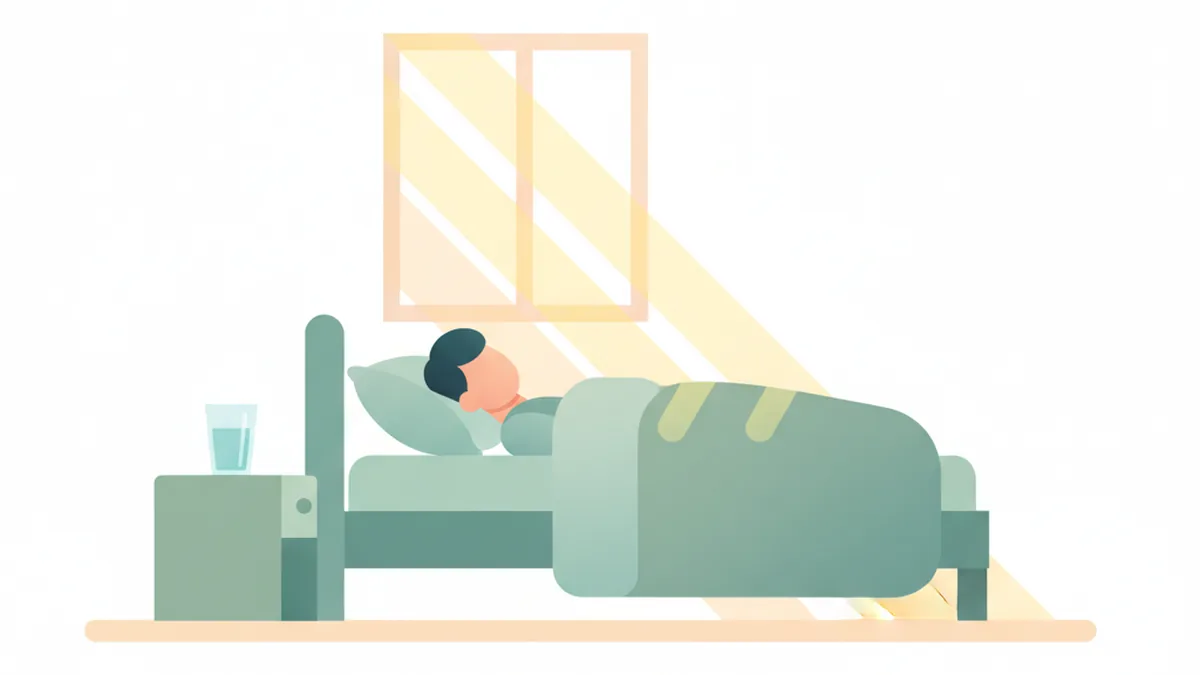
If you were talking this through with her, a sensible place to start is a couple of weeks of honest observation before anything else. Not a rigid program — just paying attention.
- Track the basics. Roughly how much real sleep, how much water, how much movement, how the mood's been. Patterns tend to reveal themselves once they're written down.
- Protect the sleep window. Steady bed and wake times, a cooler dark room, and screens dimmed before bed. Give it two weeks — sleep changes aren't instant.
- Move, even a little. A short daily walk often does more for energy than an extra hour lying down. The effect builds gradually.
- Eat on a rhythm. Regular meals with some protein and fiber smooth out the energy crashes that come from running on coffee and sugar.
- Audit the caffeine and alcohol. Pull caffeine back to the morning, and notice whether evening drinks are quietly wrecking the night.
If a few weeks of genuinely tending to these basics doesn't budge the tiredness — that's the signal. It means the cause probably isn't lifestyle alone, and it's time to bring in a professional rather than keep experimenting solo.
When fatigue deserves a doctor's visit
Make an appointment if:
- The fatigue has lasted several weeks and hasn't improved with better sleep, food, and movement.
- It's interfering with work, relationships, or daily functioning.
- It comes with other symptoms — unexplained weight change, shortness of breath, persistent low mood, heavy periods, extra thirst, or swelling.
Seek prompt or emergency care if tiredness arrives suddenly and severely, or alongside chest pain, fainting, trouble breathing, confusion, or weakness on one side of the body. Sudden, dramatic fatigue is a different animal from the slow grind, and it shouldn't wait.
A few causes people tend to overlook
Two layers down from habits and common deficiencies, there's a cluster of causes that are easy to miss precisely because they don't look like "being tired."
Sleep apnea deserves a second mention here, because it's both common and frequently undiagnosed. Someone can spend eight hours in bed, never remember waking, and still get terrible rest because their breathing keeps interrupting itself all night. The daytime exhaustion is real; the cause is just hidden behind closed eyes. A partner noticing loud snoring or pauses in breathing is often the first clue.
Then there's the aftermath of illness. Fatigue that lingers for weeks or months after a viral infection is a recognized pattern — it showed up clearly in the wake of COVID-19, but it isn't new, and it can follow other infections too. If your energy never quite returned after being sick, that's a legitimate thing to raise rather than wait out indefinitely.
Chronic conditions of the heart, kidneys, or liver can announce themselves through tiredness well before anything more specific appears. And certain medications — some allergy drugs, blood pressure medicines, and others — list fatigue among their effects. None of this is cause for alarm on its own. It's just a reminder that "tired all the time" is a symptom with a long list of possible authors.
How a doctor usually approaches it
Knowing roughly what happens at the appointment takes some of the mystery out of going. Typically a clinician will start with questions — how long, how severe, what else is going on, what your sleep and mood and stress look like. That history does a surprising amount of the work. From there, a basic blood panel can check for the usual suspects: anemia, thyroid function, blood sugar, and sometimes vitamin levels. It's rarely an exotic process. More often it's a methodical one, and that's exactly why it's worth handing off rather than guessing alone.
The thread that ties it together
Maya's story rarely has a single tidy villain. More often it's two or three ordinary things stacked on top of each other — thin sleep, steady stress, a skipped breakfast — with the occasional genuine medical cause hiding underneath. That's the frustrating, and oddly hopeful, truth about fatigue: it's common, it's vague, and it's very often fixable once you stop treating it as just the price of a busy life.
Being tired all the time is information. The worst thing you can do with it is assume it's normal and ignore it. The best thing is to get curious — tend the basics, watch for the patterns, and if the feeling won't lift, let someone with a lab and a stethoscope help you find out why.
The information here is for general education and isn't a diagnosis or a substitute for professional care. Persistent or severe fatigue can have many causes, some of which need testing to identify. Please consult a qualified healthcare provider about your own symptoms.
Sources & further reading
This article draws on guidance from recognized health authorities:
- NHS — Tiredness and fatigue
- NIH — Fatigue in Older Adults
- MedlinePlus — Myalgic Encephalomyelitis/Chronic Fatigue Syndrome


Comments
Post a Comment