Understanding Inflammation: What It Is and What Actually Lowers It
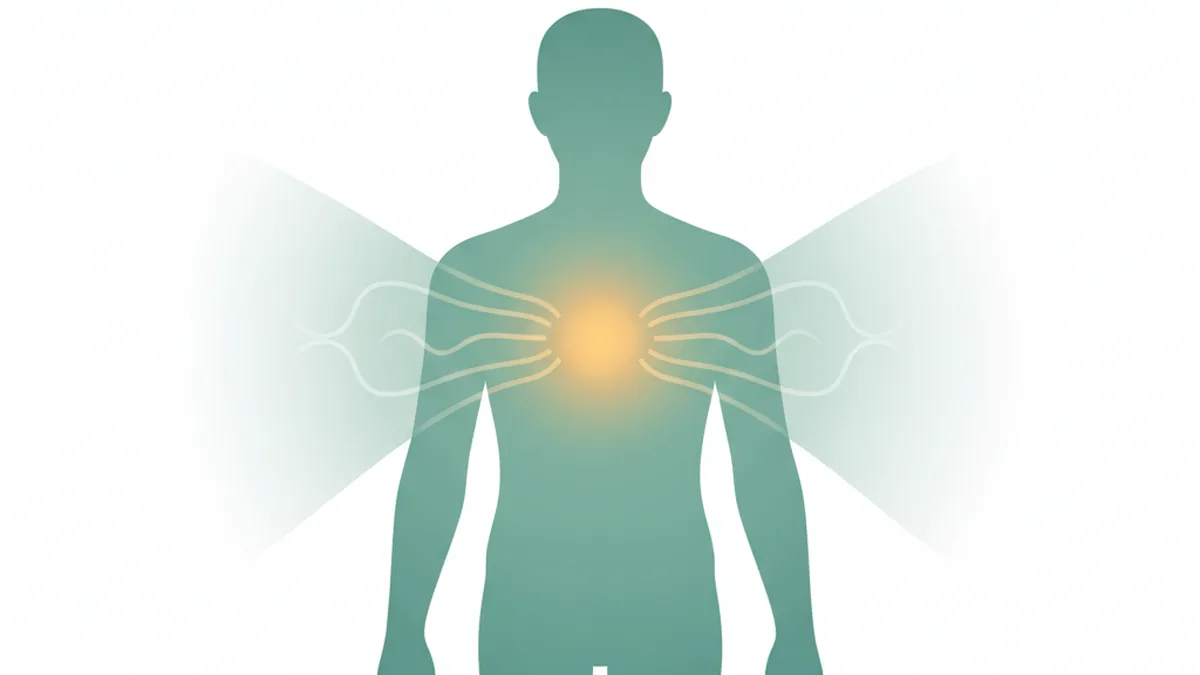
You've probably heard inflammation blamed for everything from joint pain to brain fog to weight gain. And then there's the flood of products promising to "fight inflammation"—turmeric lattes, CBD gummies, entire diets built around the concept.
Some of this is marketing noise. But some of it reflects genuine medical insight: chronic inflammation really does underlie many of our most serious health problems. The challenge is separating what we know works from what sounds good but lacks evidence.
What People Commonly Believe About Inflammation
Walk into any health food store and you'll find shelves dedicated to "anti-inflammatory" products. The message has sunk in: inflammation is bad, and you need to fight it.
This thinking isn't entirely wrong, but it misses something crucial. Inflammation itself isn't the enemy. It's your body's fundamental defense mechanism—the reason a scraped knee doesn't turn into a life-threatening infection, why you recover from a sprained ankle, how you fight off viruses.
When you cut your finger, the redness and swelling around the wound? That's inflammation doing its job. Blood vessels dilate to rush immune cells to the site. Chemical signals coordinate the response. Specialized cells clean up debris and start repairs. Within days, you've healed. This acute inflammatory response is elegant, purposeful, and typically self-limiting.
The problem emerges when inflammation doesn't turn off.
Picture a smoke alarm that won't stop blaring even after you've extinguished the fire. That's what happens in chronic inflammation—your immune system remains in a state of low-grade alert, releasing inflammatory chemicals into your bloodstream month after month, year after year. Unlike the obvious swelling of an injured ankle, this kind of inflammation operates quietly, often without noticeable symptoms for years.
Many people assume inflammation means something hurts or looks swollen. Not necessarily. You can have significant chronic inflammation with no outward signs at all. Others believe that simply avoiding "inflammatory foods" or taking anti-inflammatory supplements will solve the problem. The reality is more complex.
What the Research Actually Shows

The scientific understanding of chronic inflammation has evolved dramatically over the past two decades. Researchers now recognize it as a driving force behind conditions that previously seemed unrelated.
Cardiovascular disease offers a clear example. For years, doctors focused primarily on cholesterol as the villain in heart attacks and strokes. Cholesterol matters, certainly—but inflammation appears equally important. Atherosclerosis, the process where arteries become clogged, isn't just a plumbing problem of fatty deposits accumulating. It's an inflammatory disease.
The process begins when the lining of an artery sustains damage—perhaps from high blood pressure, cigarette smoke, or elevated blood sugar. Immune cells arrive at the site and burrow into the artery wall. They consume cholesterol particles and become engorged, forming what pathologists call "foam cells." More immune cells arrive. Inflammatory chemicals proliferate. The buildup grows not just from cholesterol accumulation but from an ongoing inflammatory reaction. When a cholesterol plaque finally ruptures and triggers a heart attack, it's often because inflammatory processes have weakened the plaque's fibrous cap.
Type 2 diabetes follows a similar pattern. Excess body fat—particularly the visceral fat packed around internal organs—doesn't just sit there passively. Fat tissue acts as an endocrine organ, secreting hormones and inflammatory molecules. These molecules interfere with insulin signaling, making it harder for cells to absorb glucose from the bloodstream. Over time, this insulin resistance forces the pancreas to produce more and more insulin until it can't keep up. Blood sugar rises. Diabetes develops.
The connection extends to cancer, though the mechanisms are still being mapped. Chronic inflammation can damage DNA and create an environment where abnormal cells survive and multiply rather than being eliminated. It doesn't cause cancer directly, but it can promote it.
Inflammatory processes also appear central to neurodegenerative conditions. Alzheimer's research increasingly focuses on neuroinflammation—persistent activation of the brain's immune cells, called microglia. Whether this inflammation causes the disease or accelerates it remains unclear, but autopsies consistently show inflammatory markers in affected brain tissue.
Depression represents one of the more surprising connections. A subset of people with depression show elevated inflammatory markers in their blood, and some respond better to treatments that target inflammation. This doesn't mean all depression stems from inflammation, but it suggests that for some people, mood disorders have an inflammatory component.
So what actually lowers chronic inflammation?
The evidence points to several interventions that consistently show benefit. None are revolutionary. Most require sustained behavior change. That's probably why they get less attention than expensive supplements.
Body composition matters more than most people realize. Losing even modest amounts of excess weight—particularly abdominal fat—reduces inflammatory markers measurably. Research consistently shows that weight loss of just 5-10% of body weight can decrease levels of C-reactive protein, a key inflammatory marker. The mechanism makes sense: you're reducing the amount of metabolically active fat tissue producing inflammatory molecules.
Physical activity works independently of weight loss. Regular exercise lowers inflammatory markers even if you don't lose a pound. The effect appears to be dose-dependent—more activity generally produces greater benefit—though you don't need to become an athlete. Moderate-intensity activity most days of the week shows clear benefits. The exact mechanism isn't fully understood, but exercise seems to improve how immune cells function and reduces the accumulation of visceral fat.
Sleep quality influences inflammation substantially. Poor sleep—whether from sleep apnea, insomnia, or simply choosing to stay up too late—reliably increases inflammatory markers. One night of poor sleep won't cause chronic inflammation, but months or years of inadequate sleep appear to contribute meaningfully. The relationship likely goes both ways: inflammation can disrupt sleep, and poor sleep can worsen inflammation.
Psychological stress activates inflammatory pathways. Your grandmother was right that worry makes you sick. Chronic stress—the kind that comes from a terrible job, a failing relationship, or ongoing financial insecurity—elevates cortisol and other stress hormones that, over time, can promote inflammation. Stress management isn't just about feeling calmer; it appears to have measurable physiological effects.
Dental health deserves mention. Periodontal disease, which affects nearly half of adults over 30 according to CDC estimates, creates a chronic source of inflammation. The bacteria in infected gums can enter the bloodstream, triggering immune responses throughout the body. Some researchers believe this oral inflammation may contribute to cardiovascular disease and other conditions, though the precise relationship remains under study.
The diet piece is both simpler and more complicated than headlines suggest.
Certain dietary patterns clearly associate with lower inflammation. The Mediterranean diet—rich in vegetables, fruits, whole grains, legumes, nuts, olive oil, and fish—shows consistent anti-inflammatory effects in studies. This isn't about any single "superfood." It's about an overall eating pattern.
What about specific anti-inflammatory foods everyone discusses?
Omega-3 fatty acids from fish do show anti-inflammatory properties in research. These polyunsaturated fats appear to compete with inflammatory omega-6 fatty acids in cell membranes and may reduce production of inflammatory molecules. The American Heart Association suggests eating fish, particularly fatty fish like salmon, twice weekly. Fish oil supplements are less clearly beneficial—some studies show mild effects, others show none. Eating actual fish seems more reliable than pills.
Turmeric contains curcumin, a compound that shows anti-inflammatory effects in laboratory studies. But—and this matters—curcumin is poorly absorbed from the digestive tract. Most of what you consume gets eliminated without entering your bloodstream. Special formulations may improve absorption, but it's unclear whether turmeric in normal dietary amounts affects inflammation meaningfully in humans. If you enjoy it in your food, great. Just don't expect dramatic results from a turmeric latte.
Antioxidants from colorful fruits and vegetables probably help, though the mechanism may be less about directly "neutralizing" inflammation and more about providing compounds that support overall cellular health. Blueberries, leafy greens, and tomatoes all contain beneficial compounds, but again, no single food is magic.
What about foods that increase inflammation?
Added sugars and refined carbohydrates may promote inflammation, particularly in people with metabolic issues. The mechanism likely involves blood sugar spikes, insulin resistance, and changes in gut bacteria. Ultra-processed foods—those convenience meals packed with additives and engineered fats—also associate with higher inflammation markers, though whether they directly cause inflammation or simply displace healthier foods isn't entirely clear.
Saturated fat's role remains debated. Some studies link high saturated fat intake to inflammation; others don't find strong effects. Current thinking suggests that saturated fat in the context of an otherwise healthy diet may not be particularly inflammatory, while saturated fat combined with excess calories, refined carbs, and lack of vegetables might be problematic. Context matters.
Trans fats, on the other hand, appear clearly inflammatory and are now banned in many countries for good reason.
Several widely marketed supplements claim anti-inflammatory effects but lack solid evidence in humans. CBD products are everywhere, but the research on CBD for inflammation in humans is preliminary at best. Most anti-inflammatory studies of cannabinoids involve animals or isolated cells. Whether CBD oil meaningfully reduces human inflammation remains unknown.
Collagen supplements are popular for joint health, but evidence for anti-inflammatory effects is weak. Most collagen gets broken down into individual amino acids during digestion, making it unlikely to have specific anti-inflammatory properties beyond general protein intake.
Ginger shows some promise in studies of osteoarthritis, but effects are generally modest. It's a flavorful addition to food, possibly helpful, but not a substitute for medical treatment.
Why This Matters for You
If you're reading this because you have a condition linked to inflammation—arthritis, heart disease, autoimmune problems—understanding these connections helps you make informed choices.
First, know that lowering inflammation isn't primarily about buying the right supplements. The most effective interventions are lifestyle-based. That's simultaneously frustrating and empowering. Frustrating because there's no quick fix. Empowering because you have more control than you might think.
If you're carrying excess weight, particularly around your midsection, losing some of it may reduce inflammation more effectively than any supplement. This doesn't mean you need to achieve some idealized body weight—research shows meaningful benefits from modest weight loss.
If you're sedentary, adding regular movement may help significantly. You don't need intense workouts. Walking 30 minutes most days shows benefits. The key is consistency, not heroics.
If you're sleeping poorly, addressing that may matter more than you realize. Talk with a clinician if you snore heavily (possible sleep apnea), have persistent insomnia, or regularly sleep fewer than six hours. Sleep problems are medical issues, not character flaws.
If your gums bleed when you brush or you haven't seen a dentist in years, schedule a dental appointment. Treating periodontal disease may benefit your overall health, not just your mouth.
If you're considering an anti-inflammatory diet, focus on patterns rather than individual foods. Eat more vegetables, choose whole grains over refined carbs, include fatty fish regularly, use olive oil, limit added sugars and ultra-processed foods. This approach has evidence behind it and offers multiple health benefits beyond inflammation.
Before starting supplements, discuss them with your doctor, especially if you take other medications. Fish oil, for example, can increase bleeding risk. Turmeric supplements may interact with blood thinners. Natural doesn't always mean safe or appropriate for your situation.
Testing for inflammation is possible through blood work that measures markers like C-reactive protein, but these tests have limited value for most people. They can't diagnose inflammation in specific organs and don't typically change management unless you have certain medical conditions. Your doctor can determine whether testing makes sense for you.
Some symptoms warrant prompt medical evaluation. If you have unexplained joint swelling that doesn't improve with over-the-counter pain relievers, see a clinician—you might have inflammatory arthritis that requires specific treatment. If you experience chest pain, sudden shortness of breath, severe abdominal pain, or other acute symptoms, seek immediate care. Chronic inflammation is one thing; acute inflammatory conditions can be medical emergencies.
Certain inflammatory conditions require medication. Rheumatoid arthritis, inflammatory bowel disease, and other autoimmune conditions involve inflammation that lifestyle changes alone can't adequately control. If you have one of these conditions, prescribed medications are appropriate and necessary. The lifestyle approaches discussed here may complement medical treatment but shouldn't replace it.
The timing of benefit varies. Weight loss shows effects within months. Exercise benefits may appear in weeks. Dietary changes take longer to assess—think months, not days. Inflammation that developed over years won't reverse in weeks. Approach changes as long-term investments in health rather than quick fixes.
And here's something researchers are still working out: inflammation isn't uniformly bad even when it's chronic. Some inflammatory responses may help fight cancer. Some may assist tissue repair. The goal isn't to suppress your immune system completely—that would be dangerous—but to reduce inappropriate, persistent inflammation that causes more harm than good.
We're still learning which specific inflammatory processes to target and when. The immune system is staggeringly complex. Inflammation involves dozens of different molecules and cell types interacting in ways scientists are still mapping. Simple solutions for such a complex system are unlikely.
That said, the fundamentals hold up well: maintain a healthy weight if you can, move regularly, sleep adequately, manage stress reasonably, eat mostly whole foods with plenty of vegetables, don't smoke, limit alcohol, take care of your teeth. These behaviors reduce inflammation. They also reduce disease risk through multiple other mechanisms. You don't need to understand every inflammatory pathway to benefit from them.
If you have symptoms concerning you—persistent joint pain, unexplained fatigue, recurring infections, or other issues—discuss them with a healthcare provider rather than self-diagnosing inflammation and attempting to treat it yourself. Many conditions cause inflammation, and determining the right approach depends on accurate diagnosis.
The anti-inflammatory trend in popular health culture contains real signal mixed with considerable noise. The underlying science about chronic inflammation and disease is sound and important. But turning that science into simple claims about miracle foods or supplements misrepresents what we know. The effective interventions tend to be the boring ones—the habits you've heard about your whole life, now understood partly through their effects on inflammation.
This article is for informational purposes only and isn't a substitute for medical advice. Talk to a qualified healthcare provider about your specific situation.
Sources & further reading
This article draws on guidance from recognized health authorities:


Comments
Post a Comment