High Blood Pressure With No Symptoms: Why Doctors Worry Anyway
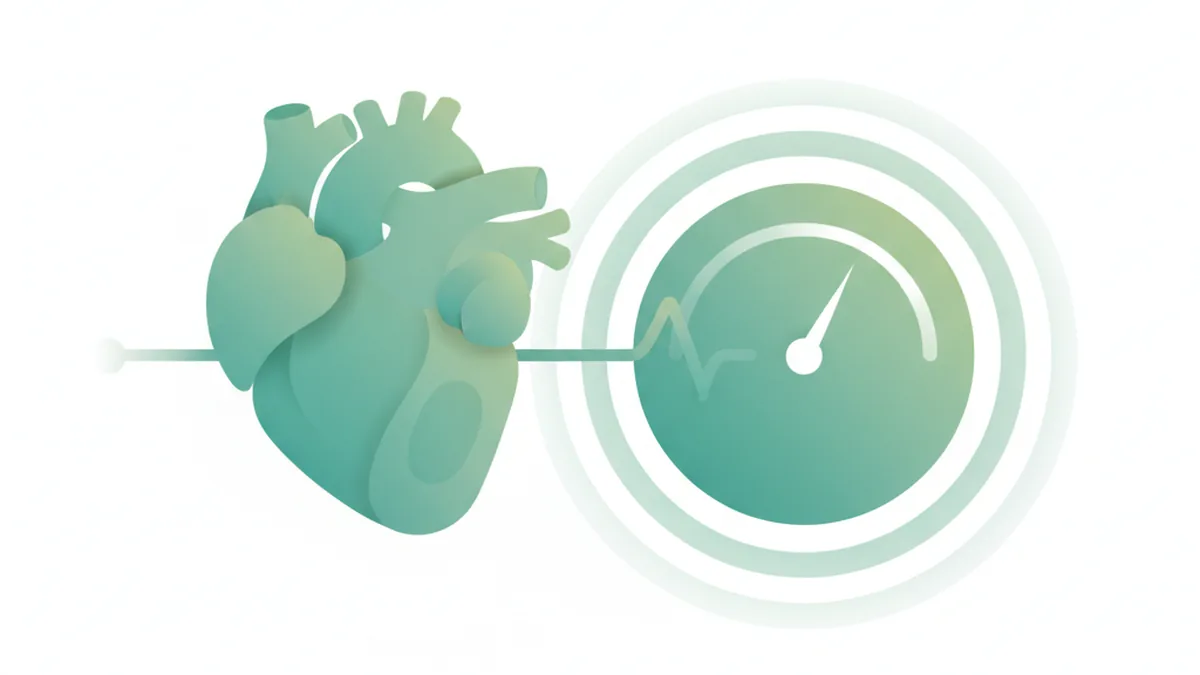
Here's something that trips up almost everyone the first time they hear it: you can have dangerously high blood pressure and feel absolutely fine. No headache. No dizziness. No racing heart. Nothing.
We tend to assume the body would warn us. It seems fair, doesn't it? A number creeping toward a danger zone, and not a single signal to flag it. But that's exactly the situation for most of the roughly 1.28 billion adults the World Health Organization estimates are living with hypertension worldwide. The majority don't know they have it.
So if there are no symptoms to react to, why do clinicians treat the numbers so seriously? That's the real question worth digging into.
The belief: "If something were wrong, I'd feel it"
It's an understandable instinct. Pain and discomfort are how the body usually gets our attention. A toothache sends you to the dentist. A fever tells you to rest.
Blood pressure breaks that pattern. The pressure inside your arteries can run high for years while the rest of you feels completely normal. This is why hypertension picked up its grim nickname — the "silent killer." Not because it's mysterious, but because it does its damage quietly, without an alarm.
And the few symptoms people do associate with it — headaches, nosebleeds, flushing — turn out to be unreliable. Research summarized by the American Heart Association has consistently found that these signs don't track well with blood pressure levels at all. Plenty of people with sky-high readings have none of them. Plenty of people with normal readings get headaches anyway. Using how you feel as your blood pressure monitor is, frankly, a coin flip.
What the research actually shows
Blood pressure is measured with two numbers, written as one over the other. The top number (systolic) is the pressure when your heart beats. The bottom number (diastolic) is the pressure when it rests between beats.
Under the 2017 guideline from the American College of Cardiology and the American Heart Association, the categories look roughly like this:
- Normal: less than 120 over less than 80
- Elevated: 120–129 over less than 80
- Stage 1 hypertension: 130–139 or 80–89
- Stage 2 hypertension: 140 or higher, or 90 or higher
Now, here's the part that surprises people. The damage from high pressure isn't sudden. It's cumulative. Think of it less like a storm and more like erosion.
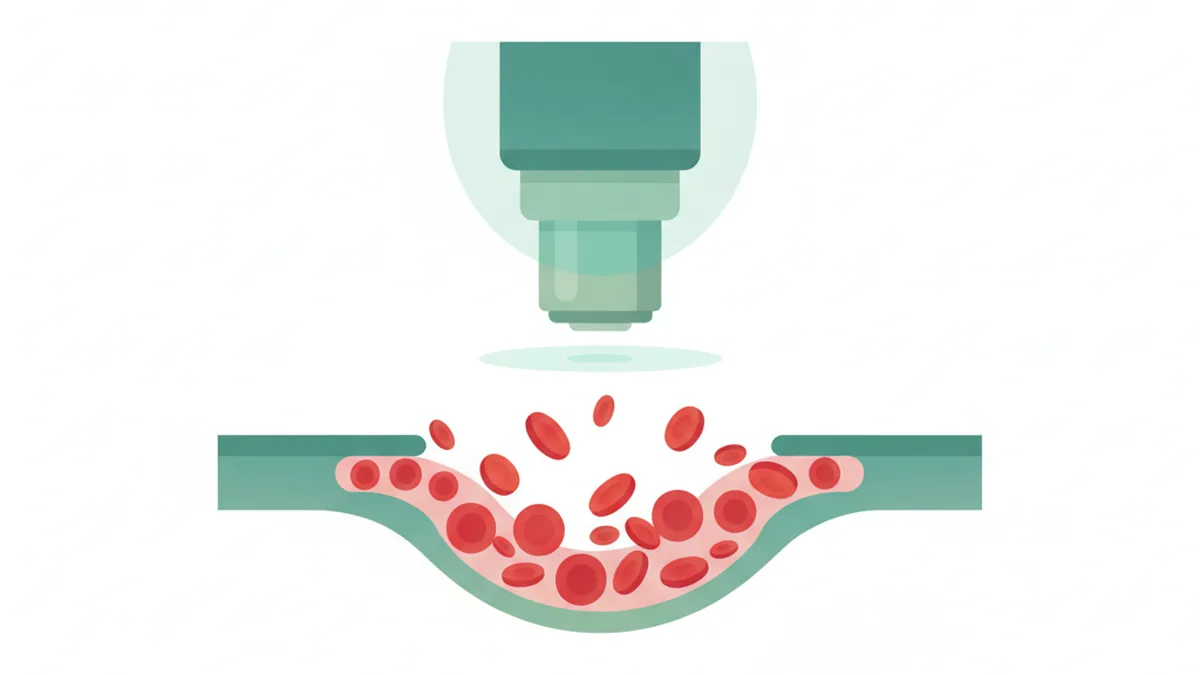
When blood pushes against artery walls with too much force, day after day, year after year, those walls respond. They stiffen. They thicken. Tiny tears can form, and the spots where they heal become rougher, making it easier for fatty deposits to build up. The heart, meanwhile, is working against more resistance with every beat, so the muscle gradually enlarges — and an enlarged heart is not a stronger heart. It's a more tired one.
The organs that suffer most are the ones with the densest, most delicate blood vessels. The CDC links uncontrolled high blood pressure to heart attack, stroke, kidney disease, and vision loss. The kidneys are especially vulnerable, because their job is essentially high-precision filtration through millions of tiny vessels. The eyes tell a similar story; doctors can sometimes spot the effects of hypertension just by looking at the small vessels at the back of the retina.
None of this announces itself. That's the whole point. By the time symptoms do appear — chest pain, sudden weakness, trouble speaking, vision changes — you may already be in the middle of an emergency rather than a warning.
A reasonable question: how high is "emergency" high?
There's a threshold clinicians take very seriously. A reading at or above 180 over 120, especially paired with symptoms like chest pain, shortness of breath, severe headache, or visual changes, is considered a hypertensive crisis. That's not a "mention it at your next checkup" situation. That's a "seek care now" situation. We'll come back to the warning signs below.
Why this matters more than it seems
If the damage is silent and gradual, you might wonder whether it's worth worrying about a number you can't feel. The argument runs the other way, though — the silence is the reason to pay attention.
Consider the math of it. A condition that produced obvious symptoms would, in a sense, manage itself; you'd notice, you'd act. Hypertension gives you no such nudge. The only way to know where you stand is to measure. And the good news buried in all of this is that measuring is cheap, fast, and painless, and that the condition responds well to changes once it's identified.
Large reviews of blood pressure treatment have found that even modest reductions in pressure meaningfully lower the risk of stroke and heart events across populations. The lifestyle factors are familiar, though that doesn't make them less effective: reducing sodium, moving your body regularly, keeping alcohol moderate, not smoking, managing weight, and sleeping decently all show up again and again in the evidence. The DASH eating pattern — heavy on vegetables, fruit, whole grains, and low-fat dairy — was specifically studied for blood pressure and has held up well.
A note of caution here, because this is where health writing often overpromises. Lifestyle changes help, sometimes a lot, but they aren't a guaranteed substitute for medication, and they don't work the same for everyone. Some people do everything "right" and still need medication because of genetics, age, or other conditions. That's not a personal failure. It's just biology. The decision about whether, when, and how to treat belongs to you and a clinician who knows your full history — not to a chart on the internet.
What you can actually do this week
If you take nothing else from this, take this: get a number. You can have it checked at almost any pharmacy, at a routine appointment, or with a validated home monitor (the arm-cuff kind tends to be more reliable than wrist or finger devices).
A few things make home readings more trustworthy:
- Sit quietly for about five minutes first, back supported, feet flat.
- Keep the arm resting at roughly heart height.
- Avoid caffeine, exercise, and smoking in the half hour before.
- Take two or three readings a minute apart and note the average, since a single reading can be misleading.
One high reading on one day doesn't mean you have hypertension, by the way. Diagnosis is based on a pattern over time, often confirmed with readings taken outside the doctor's office — partly because some people's pressure spikes purely from the stress of being at the clinic. (Yes, that's a real, documented phenomenon, sometimes called white-coat hypertension.)
When to see a doctor
Book a regular appointment if your readings are consistently 130 over 80 or higher, or if you have a family history of high blood pressure, heart disease, or stroke and haven't been checked in a while.
Seek emergency care right away if a reading is 180 over 120 or higher and you also have any of: chest pain, shortness of breath, severe headache, sudden weakness or numbness, trouble speaking, or changes in vision. These can signal a heart or brain emergency, and minutes matter.
What actually pushes blood pressure up?
If you're going to act on a number, it helps to know what's behind it. The honest answer is that for most people, no single cause stands out. Doctors call this primary (or essential) hypertension — pressure that drifts up over years for a mix of reasons rather than one obvious trigger.
Some of those reasons you can influence. Several you can't. It's worth seeing both lists clearly, because guilt tends to attach to the first one and quietly ignore the second.
Things within your reach, broadly speaking:
- Sodium and diet. Most of the salt people eat isn't from the shaker — it's already baked into packaged and restaurant food. The CDC has long pointed to processed food as the main source.
- Weight and waistline. Carrying extra weight, particularly around the middle, raises the workload on the cardiovascular system.
- Activity, alcohol, and tobacco. Regular movement helps; heavy drinking and smoking push the other way.
- Chronic stress and short sleep. Neither causes hypertension by itself in a simple way, but both nudge the system in the wrong direction over time.
And the factors you didn't choose:
- Age. Arteries naturally stiffen as the years add up, so risk climbs with age.
- Family history and genetics. Blood pressure runs in families. If your parents had it, your odds are higher, full stop.
- Other conditions. Sometimes high pressure is downstream of something else entirely — kidney disease, certain hormonal disorders, or obstructive sleep apnea. Doctors call this secondary hypertension, and it's worth knowing about because treating the root cause can fix the pressure.
There are also documented differences in how hypertension shows up across populations. In the United States, for instance, Black adults develop high blood pressure earlier and at higher rates on average, according to the American Heart Association — a pattern shaped by a tangle of genetic, social, and access-to-care factors rather than any one thing. The practical upshot is simply this: family history and background can move your personal starting line, which is all the more reason to know your number rather than assume you're in the clear.
The quiet takeaway
So, back to where we started. The absence of symptoms isn't reassurance — it's the catch. High blood pressure earned its reputation precisely because it works without one.
The flip side is genuinely encouraging, though. Of all the serious health risks out there, this is among the easiest to detect and one of the more manageable once you know it's there. The hard part isn't the treatment. It's simply finding out. A two-minute measurement tells you something your body never will.
This article is for informational purposes only and isn't a substitute for medical advice. Blood pressure targets and treatment decisions vary by individual. Talk to a qualified healthcare provider about your specific situation.
Sources & further reading
This article draws on guidance from recognized health authorities:
- CDC — About High Blood Pressure
- American Heart Association — What are the Signs and Symptoms of High Blood Pressure?
- FDA — High Blood Pressure: Understanding the Silent Killer
- WHO — Global Report on Hypertension: The Race Against a Silent Killer


Comments
Post a Comment