Bone Loss: Why It Stays Silent Until a Fracture
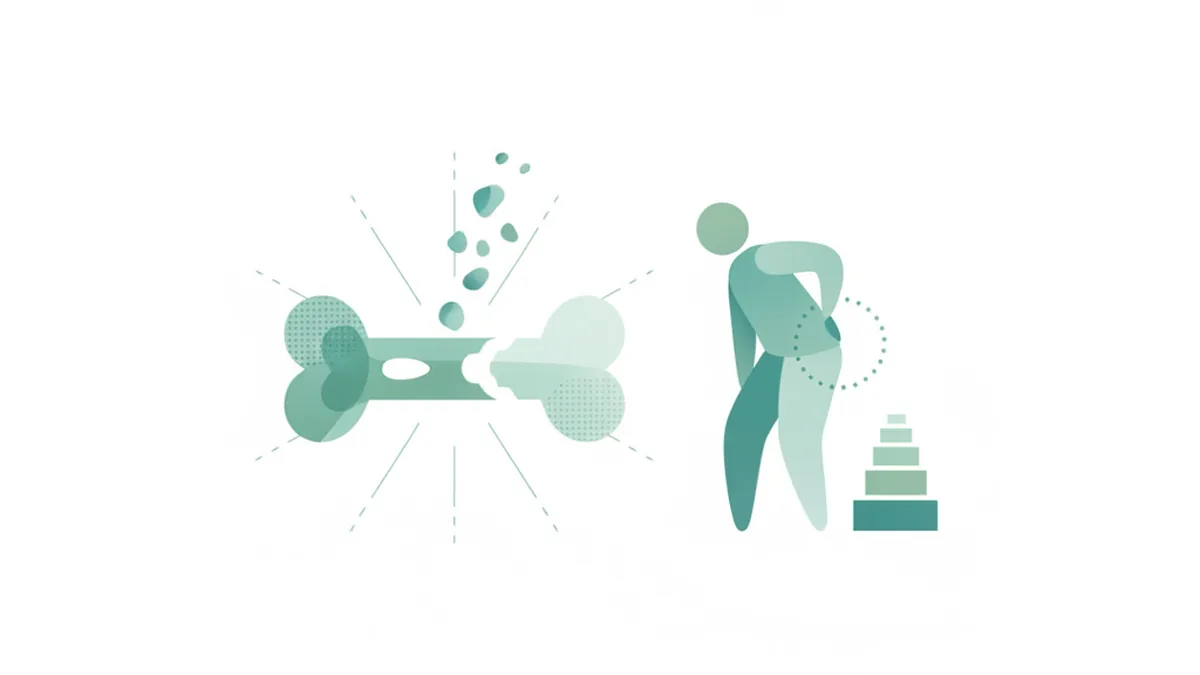
Here's what most people believe: Your bones are either healthy or you have osteoporosis. The reality? There's a critical middle ground called osteopenia, and roughly half of Americans over 50 have it without knowing.
I started paying attention to this when a friend's 54-year-old sister fractured her wrist during a casual tennis match. Not from falling—just from the impact of hitting a backhand. The diagnosis: osteopenia that had silently progressed for years.
The tricky part about bone density loss is that it announces itself through absence. Your bones don't ache as they thin. You don't feel weaker. The first "symptom" is often a fracture from something that shouldn't have broken anything.
What Most People Get Wrong About Bone Density Loss
Walk into most doctors' offices and you'll hear osteopenia described as "pre-osteoporosis"—a waiting room before the real disease starts. That framing misses something important.
Osteopenia isn't necessarily a disease at all. It's a measurement. When you get a bone density scan (called a DEXA scan), your results come back as a T-score comparing your bone density to that of a healthy 30-year-old. A T-score between -1.0 and -2.5 means osteopenia. Below -2.5? That's osteoporosis.
But here's the catch: having osteopenia doesn't automatically mean you're headed toward osteoporosis, and having "normal" bone density doesn't guarantee you won't fracture. A 65-year-old woman with osteopenia might have stronger, more fracture-resistant bones than a 75-year-old man with technically normal density.
Why? Because bone quality matters as much as quantity. The architecture of your bones—how the internal scaffolding is structured—affects fracture risk independently of density. Think of it like the difference between a solid brick and a brick with hidden air pockets. They might weigh nearly the same, but one crumbles under less pressure.
According to the National Osteoporosis Foundation, about 54 million Americans have low bone density. Most don't know it. Women lose bone density faster after menopause, but men aren't exempt—they just tend to develop problems a decade or two later.
The more useful question isn't "Do I have osteopenia?" but rather "Am I at meaningful risk for fracture?" That calculation involves age, sex, previous fractures, family history, medication use, and yes, bone density. A 52-year-old with a T-score of -1.2 and no other risk factors? Probably fine. A 68-year-old with the same T-score who broke a rib in a minor car accident last year? That's a different conversation.
Research consistently shows that fracture risk increases continuously as bone density decreases. There's no magic threshold where you're suddenly "safe" or "in danger." The categories are medical conveniences, not biological absolutes.
Why Your Bones Are Losing Density (And How to Know)
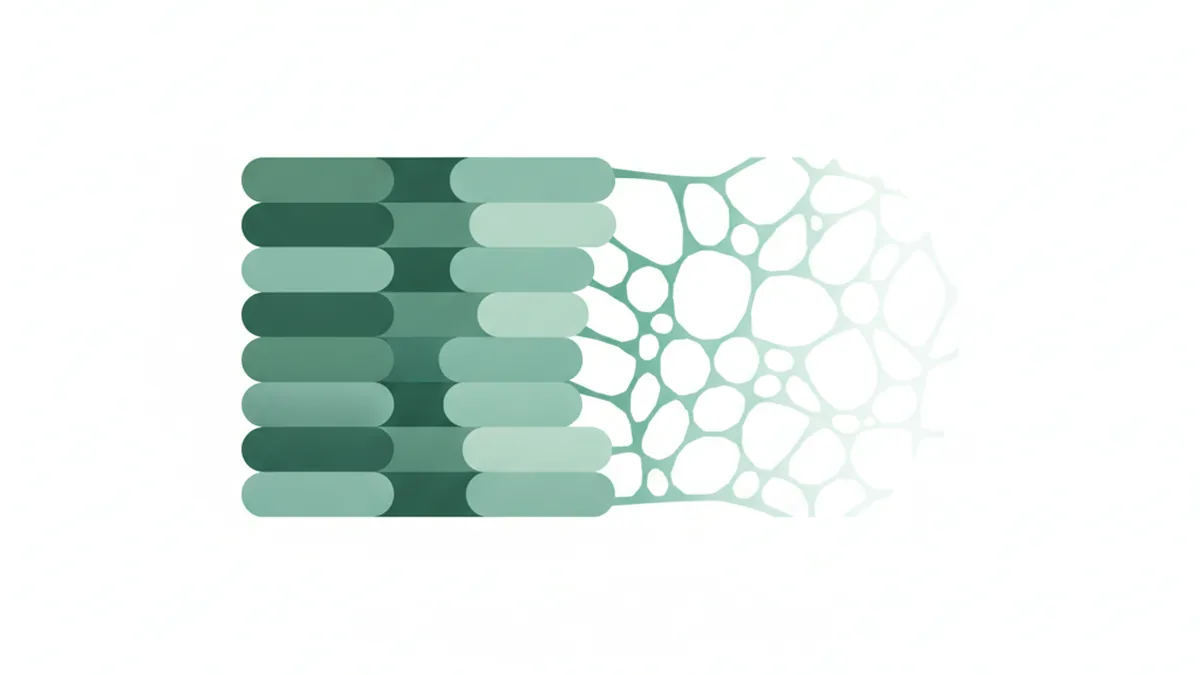
Your skeleton is constantly remodeling itself. Old bone tissue breaks down (through cells called osteoclasts), and new bone builds up (through osteoblasts). Throughout childhood and your twenties, building outpaces breakdown. You're making bone faster than you're losing it.
Peak bone mass typically happens around age 30. After that, the balance shifts. Everyone loses some bone density with age—it's normal human biology. The question is whether you're losing it faster than you should be.
Several factors accelerate bone loss:
Hormonal changes top the list. Estrogen protects bone density in women, testosterone does similar work in men. When estrogen drops during menopause—which can happen abruptly (surgical menopause) or gradually (natural menopause)—bone loss can accelerate dramatically. Women can lose up to 20% of bone density in the five to seven years following menopause. Men experience a slower decline as testosterone gradually decreases, but by their seventies, they're catching up in fracture rates.
Certain medications quietly erode bone. Long-term corticosteroid use (prednisone, for example) is one of the most common culprits. If you've taken steroids for asthma, rheumatoid arthritis, or inflammatory bowel disease for more than three months, your fracture risk has likely increased. Proton pump inhibitors (PPIs like omeprazole), some antidepressants, and certain cancer treatments can also affect bone density. The risk doesn't mean you should stop these medications—many are life-saving—but it does mean bone health needs monitoring.
Lifestyle factors stack up. Smoking accelerates bone loss. Heavy alcohol consumption interferes with bone remodeling. Low body weight (BMI under 19) means less mechanical stress on bones, which sounds good but actually weakens them—bones strengthen in response to load-bearing activity. Lack of weight-bearing exercise has the same effect.
Nutritional gaps matter more than most people realize. Inadequate calcium and vitamin D are obvious problems, but it's surprisingly common. Many adults don't meet the recommended 1,000-1,200 mg of calcium daily. Vitamin D deficiency affects roughly 40% of adults, per data from various population studies. Your body can't absorb calcium efficiently without adequate vitamin D.
Medical conditions accelerate the process. Celiac disease, inflammatory bowel disease, and other conditions affecting nutrient absorption can starve bones of what they need. Hyperthyroidism speeds up bone turnover. Chronic kidney disease disrupts the complex balance of minerals that maintain bone strength.
So how do you know if you're losing bone density?
You don't, unless you test. That's the frustrating answer. Osteopenia has no symptoms. Your bones don't ache as they thin. You don't wake up feeling fragile.
The first sign is often a fracture from minimal trauma—breaking a bone from a fall from standing height, or even less. By that point, you've already lost substantial bone mass. One patient I know about broke three ribs coughing during a bad cold. She'd assumed the slight back pain she'd developed over recent years was just aging. It was actually compression fractures in her spine that she'd attributed to other causes.
Some people do notice height loss—more than an inch or two suggests possible vertebral compression fractures, which can happen without acute pain. A developing curve in the upper back (sometimes called a dowager's hump) indicates vertebral changes.
But these are late signs. The only reliable way to catch osteopenia early is screening with a DEXA scan.
Current guidelines recommend bone density screening for:
- Women at age 65
- Men at age 70
- Younger adults with risk factors (early menopause, fracture history, long-term steroid use, etc.)
Many doctors now screen postmenopausal women earlier if they have risk factors, which is probably wise. Waiting until 65 means you might miss years when intervention could have prevented significant bone loss.
What Actually Works to Protect Your Bones
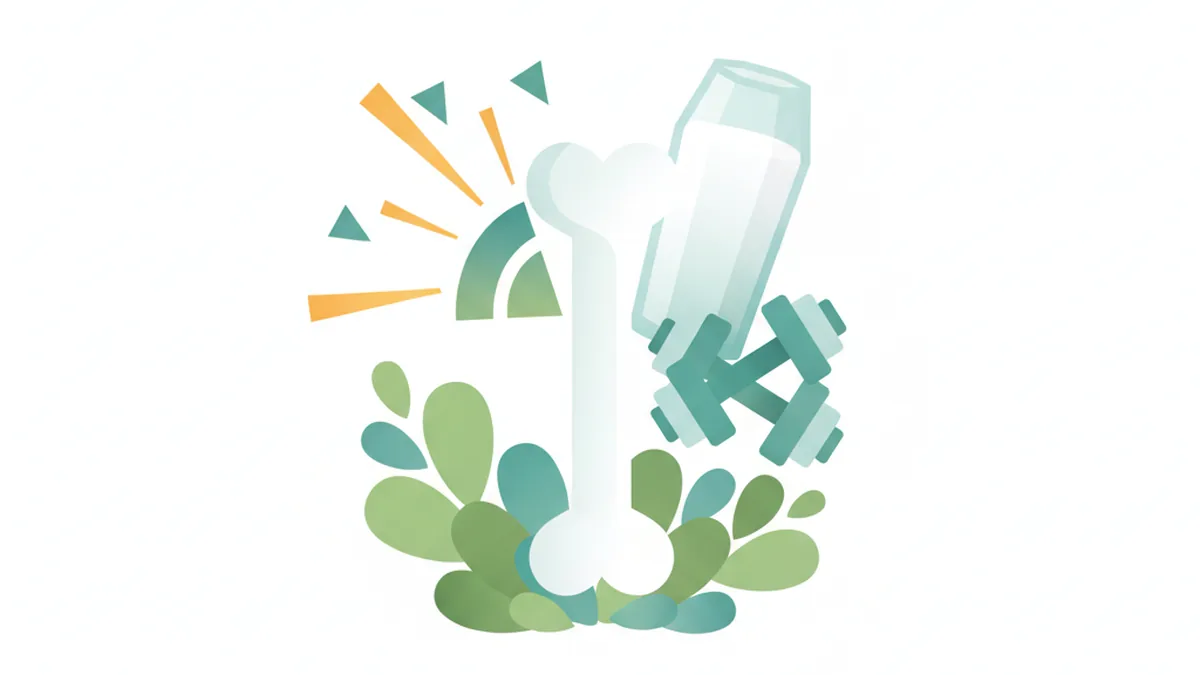
The evidence on osteopenia treatment has evolved considerably over the past decade. The old approach—prescribe bisphosphonates (like alendronate) to anyone with osteopenia—has given way to a more nuanced strategy.
Why the shift? Because those medications have side effects, and not everyone with osteopenia needs them. A 2017 task force concluded that the evidence doesn't support routine medication for osteopenia unless fracture risk is genuinely elevated. For many people, lifestyle changes and monitoring are sufficient.
Calcium and vitamin D come first, but dosing matters. The standard recommendation is 1,000-1,200 mg of calcium daily for adults over 50. Here's where it gets interesting: getting that calcium from food appears more beneficial than supplements. Multiple studies suggest high-dose calcium supplements might slightly increase cardiovascular risk, though the data is mixed and researchers aren't entirely sure why this association exists.
Food sources—dairy, leafy greens, fortified foods—don't carry this concern. If you do supplement, keep it to 500-600 mg per dose (calcium absorbs better in smaller amounts) and take it with food.
Vitamin D recommendations have also shifted. The old standard was 400-800 IU daily. Now many experts suggest 1,000-2,000 IU for adults with low bone density, though some people need more. The best approach? Check your vitamin D level (via a simple blood test) and dose accordingly. You're aiming for a blood level of 30-50 ng/mL.
Weight-bearing and resistance exercise are non-negotiable. This isn't about gentle walking, though walking helps. Bones strengthen in response to stress—you need to load them. Research shows that high-impact activities (jumping, running) and resistance training (lifting weights) stimulate bone formation better than low-impact movement.
A practical routine might include:
- Weight training 2-3 times per week, focusing on major muscle groups
- High-impact activity like jogging, tennis, or dancing several times weekly (if joints permit)
- Balance exercises to reduce fall risk
One critical point: you can't "bank" bone density through exercise and then stop. The benefits fade when activity decreases. This is a permanent lifestyle change.
Addressing underlying causes sometimes reverses bone loss. Treating celiac disease, optimizing thyroid function, or switching from a bone-harming medication to an alternative can allow bone density to recover. If you're on long-term PPIs for reflux, for example, discuss whether you still need them or could use a lower dose.
When medication makes sense. Bisphosphonates and other bone-specific drugs become important when fracture risk is high—typically when osteopenia verges on osteoporosis (T-score around -2.0 to -2.5) combined with other risk factors, or when someone has already experienced a fragility fracture.
There are fracture risk calculators (like FRAX) that estimate your 10-year probability of major fracture based on multiple factors. If your risk exceeds certain thresholds, medication typically provides meaningful benefit. Below those thresholds, the side effects and costs may outweigh benefits.
The medications work. Bisphosphonates can reduce fracture risk by 30-50% in people who need them. But they require careful use—weekly pills that must be taken on an empty stomach with a full glass of water, staying upright for 30 minutes afterward. Long-term use (beyond 3-5 years) carries rare risks of atypical femur fractures and jaw osteonecrosis, which is why doctors now often recommend "drug holidays" after several years of treatment.
Newer medications (denosumab, romosozumab, teriparatide) offer alternatives for specific situations, though they're typically reserved for osteoporosis rather than osteopenia.
The lifestyle factors you can control add up. Stop smoking—it directly impairs bone formation. Limit alcohol to no more than two drinks daily. Maintain a healthy body weight. Ensure adequate protein intake (about 0.8 grams per kilogram of body weight daily, or roughly 60 grams for a 150-pound person).
Interestingly, some evidence suggests that certain foods might help beyond their calcium content. Prunes, for instance, show up in research as potentially beneficial for bone density, though we don't have great data on the mechanism yet. Vitamin K (found in leafy greens) plays a role in bone metabolism. Magnesium matters too.
The Mediterranean diet pattern—rich in fruits, vegetables, whole grains, fish, and olive oil—associates with better bone health in observational studies. Whether the diet itself protects bones or whether people eating this way simply tend to have healthier lifestyles overall remains debated.
Worth discussing with your doctor: whether screening for secondary causes makes sense. Blood tests can check vitamin D, calcium, thyroid function, and sometimes markers of bone turnover. If there's an underlying problem accelerating bone loss, treating it might accomplish more than any supplement.
Why This Matters More Than People Think
The real danger of osteopenia isn't the diagnosis—it's what can happen if bone loss continues unchecked.
Hip fractures, which typically occur after osteoporosis develops, carry startling consequences. About 20% of people who fracture a hip die within a year, usually from complications like pneumonia or blood clots. Another 20% end up in long-term care facilities. Half never regain their previous level of function.
Spinal fractures, even without an acute injury, cause chronic pain, height loss, and reduced lung capacity as the spine compresses. Multiple compression fractures create that hunched posture you might associate with advanced age—but it's not age itself, it's unchecked osteoporosis.
These outcomes are largely preventable. Catching bone loss at the osteopenia stage—before fractures occur—offers a window for intervention when lifestyle changes can still make a meaningful difference.
The other aspect people underestimate: fracture recovery becomes harder with age. A wrist fracture at 55 might heal in six weeks with minimal impact on your life. The same fracture at 75 could mean months of limited function, loss of independence, and significantly reduced quality of life.
One subtle point worth understanding: bone density and fracture risk aren't perfectly correlated. Some people with osteopenia never fracture. Others with technically normal bone density do. Bone quality—the internal architecture and mineralization—matters. So do balance, muscle strength, and fall risk.
A comprehensive approach addresses multiple factors:
- Bone density through nutrition, exercise, and possibly medication
- Fall prevention through balance training, home safety modifications, vision correction, and medication review (many drugs affect balance)
- Overall health maintenance, since poor health in general increases fracture risk
If you have osteopenia, the question isn't just "How do I increase my bone density?" It's "How do I minimize my risk of ever breaking a bone?"
Sometimes that means medication. Often it means lifestyle changes and monitoring. Always it means taking the diagnosis seriously without catastrophizing—osteopenia is common, manageable, and doesn't necessarily progress.
The worst response is ignoring it. Bone loss continues silently until something breaks. By then, you're playing catch-up instead of getting ahead of the problem.
If your last DEXA scan showed osteopenia, or if you haven't been screened and you have risk factors, this is worth discussing with your healthcare provider. The conversation should cover your specific fracture risk, whether testing for underlying causes makes sense, which interventions match your situation, and when to recheck your bone density.
Most people with osteopenia won't break bones if they address it appropriately. But "addressing it" requires actually doing something, not just filing the diagnosis away and hoping for the best.
This article is for informational purposes only and isn't a substitute for medical advice. Talk to a qualified healthcare provider about your specific situation.
Sources & further reading
This article draws on guidance from recognized health authorities:
- CDC — Osteoporosis or Low Bone Mass in Older Adults
- NIH — Osteoporosis
- MedlinePlus — Bone Density
- Cleveland Clinic — Osteoporosis


Comments
Post a Comment