Shortness of Breath That Comes and Goes: What Your Body Is Trying to Tell You
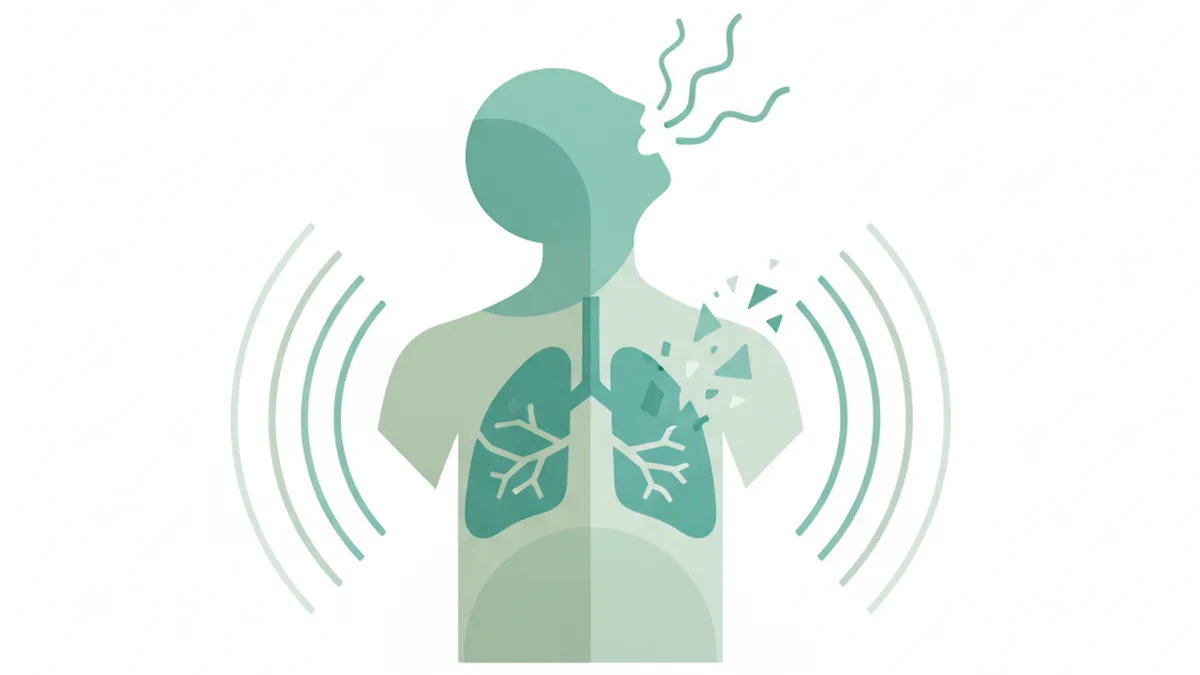
You're fine one moment. The next, you can't quite catch your breath — like someone turned down the oxygen dial just enough to notice. Then, minutes or hours later, it passes. You convince yourself it's nothing. Until it happens again.
Shortness of breath that comes and goes is trickier to evaluate than constant breathlessness. The intermittent nature makes it easy to dismiss, but that pattern itself often points toward specific causes your body wants you to address.
The First Few Episodes: What's Actually Happening
When breathing suddenly feels harder, your body is responding to one of three basic problems: not enough oxygen is getting in, carbon dioxide isn't getting out efficiently, or your brain is misinterpreting normal breathing signals as insufficient.
That third mechanism surprises people. Your respiratory drive doesn't actually measure oxygen levels moment to moment — it responds primarily to carbon dioxide buildup. When you feel "air hungry," you're often sensing CO2 accumulation rather than oxygen deprivation. This matters because it explains why some people feel desperately short of breath while their oxygen saturation reads normal on a pulse oximeter.
The episodic pattern suggests a trigger rather than permanent damage. Something is temporarily changing your breathing mechanics, oxygen demand, or breathing control system. Heart problems tend to create breathlessness when demand suddenly exceeds the heart's ability to deliver oxygenated blood. Lung conditions often cause symptoms when airways narrow or fluid shifts position. Anxiety can trigger rapid breathing that paradoxically makes you feel more breathless.
Here's what medical providers look at during those first episodes: Do you feel short of breath when lying flat but better when sitting up? That's orthopnea, and it points toward heart failure or significant lung disease. Does it wake you from sleep after a few hours? Paroxysmal nocturnal dyspnea suggests fluid redistribution overwhelming the heart. Do you get breathless with exertion but recover quickly at rest? Consider cardiac causes, especially if you're over 50. Does it hit suddenly with chest tightness and resolve within minutes? Could be angina or an anxiety attack — two conditions with overlapping symptoms but vastly different treatments.
Days to Weeks: Patterns That Narrow the Diagnosis

After the first few episodes, patterns emerge. Keep a rough log — not obsessively, but enough to notice connections.
Heart-related breathlessness typically worsens with physical activity and improves with rest. You might notice it climbing stairs, walking uphill, or rushing to catch a train. Classic heart failure causes breathlessness when lying flat because fluid that settled in your legs during the day redistributes to your lungs when you recline. Some people prop themselves up with extra pillows without quite realizing why. More concerning: breathlessness combined with leg swelling, unexplained weight gain (from fluid retention, not fat), or persistent fatigue that feels different from ordinary tiredness. Coronary artery disease can cause episodic breathlessness during exertion when narrowed arteries can't deliver enough oxygenated blood to meet demand — the heart muscle itself becomes briefly ischemic, triggering shortness of breath even without chest pain.
Lung conditions create different patterns. Asthma causes episodic breathlessness with wheezing, chest tightness, or coughing — often triggered by cold air, exercise, allergens, or respiratory infections. You might notice it more in certain seasons or environments. Chronic obstructive pulmonary disease (COPD) tends to cause more persistent symptoms, but people in earlier stages experience intermittent breathlessness during exertion. Pulmonary embolism — a blood clot in the lungs — can cause sudden breathlessness that may partially improve but doesn't fully resolve, often accompanied by chest pain that worsens with deep breathing. This is a medical emergency.
Anxiety and panic attacks produce breathlessness that often comes with rapid heartbeat, tingling in the hands or around the mouth, dizziness, and an overwhelming sense that something terrible is happening. The breathlessness can feel more severe than heart or lung causes precisely because hyperventilation alters your blood chemistry. Here's the confusing part: anxiety can coexist with cardiac or pulmonary disease. Having one doesn't rule out the other, and chronic breathlessness from a physical cause often triggers secondary anxiety.
Less common but important: anemia causes breathlessness during exertion because your blood can't carry enough oxygen even when your heart and lungs work fine. Deconditioning — being significantly out of shape — causes breathlessness with mild activity, but it develops gradually over months of inactivity, not suddenly. Thyroid disorders, particularly hyperthyroidism, increase your metabolic rate and oxygen demand, making you feel breathless with activities that previously felt easy.
Weeks to Months: When Intermittent Becomes Your New Normal
If episodic breathlessness persists for weeks, your body is telling you something needs medical evaluation — even if each episode resolves. This is when people often rationalize: "I'm just getting older" or "I need to exercise more." Maybe. But you need to rule out progressive conditions first.
Undiagnosed heart failure can simmer for months with episodic symptoms before becoming obvious. The heart gradually loses pumping efficiency, and you unconsciously adjust your activity to stay below the threshold that causes symptoms. You might not realize you've stopped taking stairs, started parking closer to entrances, or began declining invitations that involve walking.
Asthma in adults often goes undiagnosed longer than it should because people expect asthma to start in childhood. Adult-onset asthma is common and can present as episodic breathlessness that people attribute to allergies, stress, or aging. A simple peak flow meter test and spirometry can diagnose it.
Sleep apnea causes daytime breathlessness indirectly — the repeated nighttime oxygen drops and disrupted sleep leave you fatigued, and your body responds to minimal exertion as if it's maximal effort. People with sleep apnea often feel breathless in ways they can't quite connect to specific activities.
Gastroesophageal reflux disease (GERD) sometimes causes breathlessness when stomach acid irritates the airways or when you unconsciously alter your breathing to avoid triggering reflux. This is more common than most people realize, and the breathlessness may not coincide with obvious heartburn.
When to Seek Immediate Care vs. Schedule an Appointment
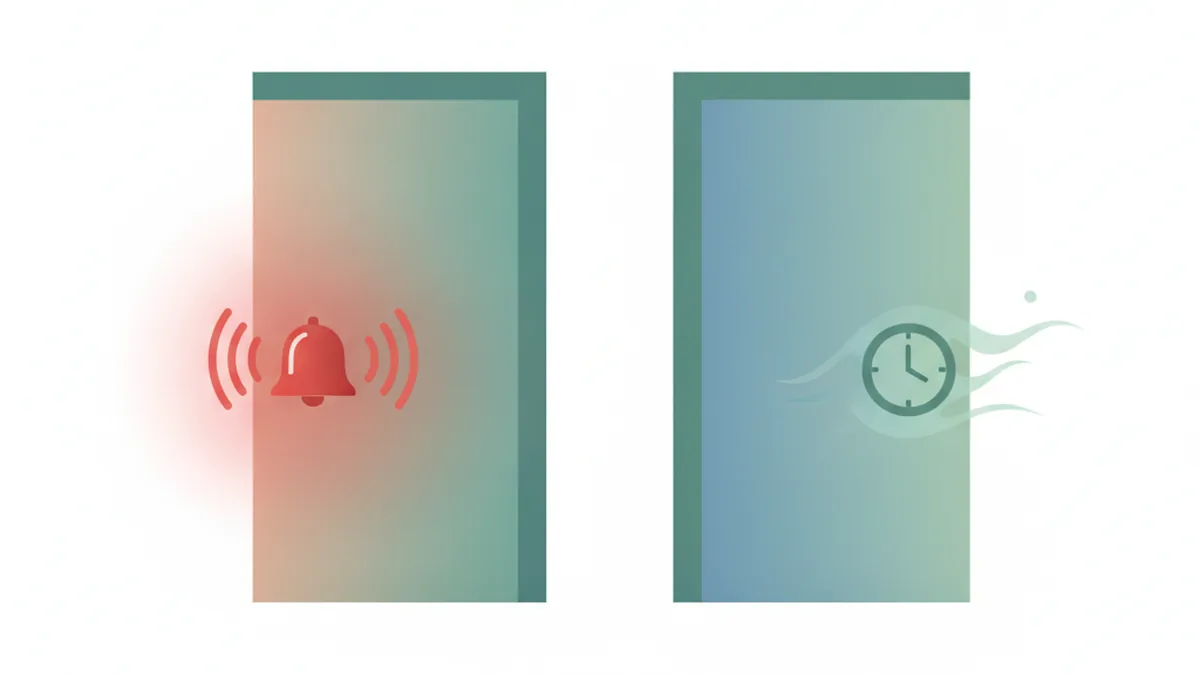
Contact emergency services or go to an emergency department immediately if you experience:
- Sudden, severe shortness of breath that doesn't improve with rest
- Breathlessness combined with chest pain, especially if it radiates to your arm, jaw, or back
- Breathlessness with confusion, blue-tinged lips or fingernails, or feeling like you might pass out
- Shortness of breath after a period of immobility (long flight, bed rest, surgery) — this raises concern for pulmonary embolism
- Breathlessness with fever and productive cough, particularly if you have underlying lung disease
- Any breathlessness that feels qualitatively different and more severe than previous episodes
Schedule an appointment with your healthcare provider within days if:
- You're experiencing new episodic breathlessness without an obvious explanation
- Breathlessness is gradually worsening over weeks
- You're noticing leg swelling, unexplained weight changes, or unusual fatigue alongside breathing difficulty
- You're waking at night short of breath or needing more pillows to sleep comfortably
- You have risk factors for heart disease (hypertension, diabetes, smoking history, family history) and new breathlessness with exertion
It's reasonable to monitor for a few days if:
- You have a clear trigger (started a new exercise program, mild respiratory infection) and symptoms are improving
- The breathlessness is very brief and clearly linked to anxiety or stress
- You have diagnosed asthma and recognize the pattern, your rescue inhaler helps, and you're not using it more than usual
What Actually Happens During Medical Evaluation
Understanding the workup helps you prepare and know what information will be useful.
Your doctor will want to know exactly when breathlessness occurs. "I get short of breath" is less helpful than "I get breathless climbing one flight of stairs but I'm fine walking on flat ground." They'll ask about associated symptoms — swelling, chest pain, palpitations, cough, sputum production, fevers, weight changes.
The physical exam focuses on your heart and lungs. They're listening for heart murmurs, irregular rhythms, lung crackles (fluid), wheezes (narrowed airways), and checking for leg edema. Your oxygen saturation will be measured — though normal readings don't rule out significant problems if measured at rest.
Initial testing often includes an electrocardiogram (ECG) to check your heart's electrical activity and rhythm. A chest X-ray can identify heart enlargement, fluid in the lungs, pneumonia, or significant lung disease. Blood tests might check for anemia, thyroid function, and cardiac biomarkers if heart damage is suspected.
Depending on initial findings, you might need an echocardiogram (ultrasound of your heart) to assess pumping function and valve problems, pulmonary function tests to measure lung capacity and airflow, or a stress test to see how your heart responds to increased demand. Some people need CT imaging of the chest or specialized tests for blood clots.
The diagnosis isn't always immediate. Sometimes breathlessness remains unexplained after initial testing, requiring monitoring or referral to a cardiologist or pulmonologist. This uncertainty is frustrating but doesn't mean your symptoms aren't real or significant.
What You Can Do While Investigating the Cause

You're not helpless between episodes. Several approaches can help manage symptoms and provide diagnostic clues.
Keep a symptom diary for a week or two. Note when breathlessness occurs, what you were doing, associated symptoms, how long it lasted, and what helped. Patterns often become obvious when documented. Record your resting heart rate and any home oxygen readings if you have a pulse oximeter.
If anxiety might be contributing, practice measured breathing: breathe in through your nose for a count of four, hold for four, exhale through your mouth for six. This counters hyperventilation and activates your parasympathetic nervous system. During an episode, resist the urge to breathe rapidly. Slower, deeper breaths often help more than fast, shallow ones.
For suspected asthma triggers, notice if symptoms worsen with cold air, exercise, allergens, or strong odors. A peak flow meter — an inexpensive device available at pharmacies — can show if your breathing capacity drops during symptomatic periods even when you don't wheeze.
Elevate your head while sleeping if breathlessness is worse when lying flat. If you suspect reflux, avoid eating within three hours of bedtime and consider whether certain foods trigger both digestive symptoms and breathlessness.
Modify activity intelligently. Don't push through severe breathlessness, but don't avoid all activity either unless your doctor specifically recommends it. Gradual, gentle activity often helps both cardiac and pulmonary conditions long-term, though you need a diagnosis first to know what's safe.
Watch for red flags: breathlessness that's progressively worsening week to week, episodes becoming more frequent or severe, new associated symptoms like chest pain or syncope. These warrant expedited medical evaluation.
The Psychological Weight of Uncertain Breathlessness
It's worth acknowledging: not being able to breathe fully is terrifying. You can ignore a lot of symptoms, but breathlessness makes you confront your mortality. The uncertainty between episodes creates constant low-level anxiety. "Will it happen again? What if it happens while I'm driving? What if it's something serious?"
This anxiety often worsens the symptom cycle. Worry about breathlessness can trigger hyperventilation and panic, which causes more breathlessness, which increases anxiety. Some people develop avoidance behaviors — declining activities where breathlessness has occurred, which can lead to deconditioning and worse breathlessness over time.
If anxiety is a significant component of your experience, treatment might include both addressing the underlying physical cause and managing the anxiety response. Cognitive behavioral therapy specifically helps break the breathlessness-anxiety cycle. Some people benefit from medications that reduce anxiety without impairing breathing.
The goal is arriving at a diagnosis — even if that diagnosis is "anxiety-related dyspnea with no underlying cardiopulmonary disease" — because knowing what you're dealing with is almost always less frightening than uncertainty.
This article is for informational purposes only and isn't a substitute for medical advice. Talk to a qualified healthcare provider about your specific situation.
Sources & further reading
This article draws on guidance from recognized health authorities:


Comments
Post a Comment