Why Am I Always Cold? What Your Body Temperature Reveals Over Time
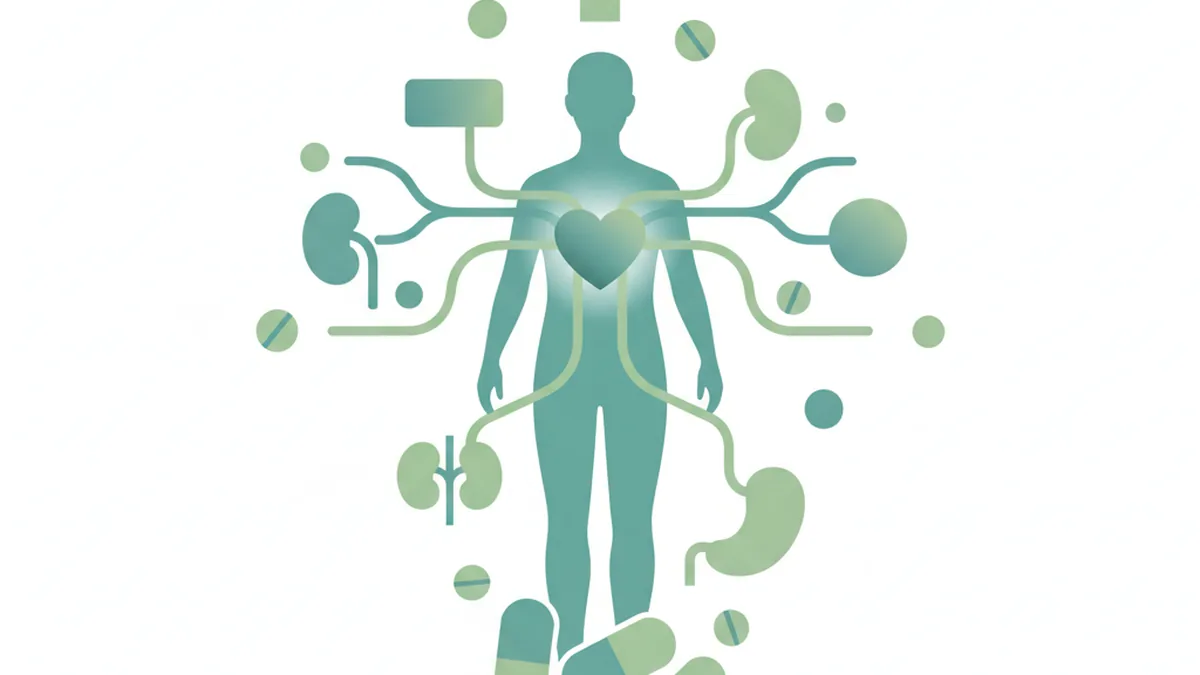
You bundle up in August. Your partner sweats while you reach for a cardigan. Your hands feel like ice cubes even indoors, and you've started keeping a throw blanket at your desk.
Here's what matters most: not that you're cold right now, but whether this is new. A lifelong tendency to run chilly usually signals nothing serious—some people simply have more sensitive temperature regulation. But a change in how cold you feel, or worsening sensitivity over months, often points to something your body wants you to know.
The timeline reveals more than the symptom itself.
The First Few Weeks: When Cold Suddenly Appears
If you went from normal temperature tolerance to constantly freezing within a few weeks, your body's responding to something acute.
The most common culprit? Iron deficiency. Your red blood cells need iron to carry oxygen efficiently, and when stores drop, your circulation falters. You might notice cold hands and feet first, then a general chill that layers can't quite fix. Women who menstruate heavily, anyone who's recently donated blood multiple times, or people following restrictive diets often see this pattern. The cold feeling can develop surprisingly fast—sometimes within a single menstrual cycle if bleeding was unusually heavy.
Rapid-onset cold sensitivity also appears with sudden weight loss. When you lose significant weight quickly—whether intentionally through aggressive dieting or unintentionally due to illness—your body loses its insulating fat layer and may dial down your metabolic rate to conserve energy. You're literally producing less heat.
Dehydration creates similar effects. Your blood volume drops, circulation becomes less efficient, and your body prioritizes keeping core organs warm over maintaining comfortable temperature in your extremities. If you've recently increased exercise, started a diuretic medication, or recovered from an illness with vomiting or diarrhea, this could explain sudden chilliness.
When to act quickly: If the cold feeling appeared within days and comes with fatigue, dizziness when standing, or unusually pale skin, see a healthcare provider soon. Severe anemia needs treatment, not just more blankets.
Months 1-3: Patterns Start Emerging
By month two or three of constant cold sensitivity, you'll likely notice patterns that point toward the cause.
This is when thyroid issues typically become obvious. Your thyroid gland sets your metabolic thermostat, and when it underproduces hormones (hypothyroidism), everything slows down—including heat generation. The cold feeling tends to be persistent throughout the day, not just in specific situations. You might also notice your hair thinning, skin getting drier, or unexpected weight gain despite eating normally. Hypothyroidism develops gradually, which is why the cold sensitivity feels like it's been creeping up on you rather than appearing overnight.
For women approaching perimenopause or menopause, this 1-3 month window might reveal a confusing pattern: feeling intensely hot sometimes (hot flashes) yet also experiencing increased cold sensitivity between episodes. The hormonal fluctuations affect your body's temperature regulation in both directions. You're not imagining the contradiction.
This is also when medication side effects become clear. Beta blockers—commonly prescribed for high blood pressure or heart conditions—reduce heart rate and can make extremities feel persistently cold. If you started a new medication roughly when the cold sensitivity began, that's worth mentioning to your doctor.
Raynaud's phenomenon often declares itself within this timeframe too. You'll notice your fingers or toes turning white or blue in response to cold or stress, then red as blood flow returns. The color changes are the giveaway—regular cold sensitivity doesn't cause dramatic color shifts. Research suggests Raynaud's affects roughly 5% of the population, with women experiencing it more frequently than men.
What to watch: Keep a simple log. Note when you feel coldest (morning? after eating? all day?), whether fingers and toes change color, and any other symptoms that appeared around the same time. This information helps clinicians narrow down causes quickly.
The 3-6 Month Mark: When Adaptation Fails
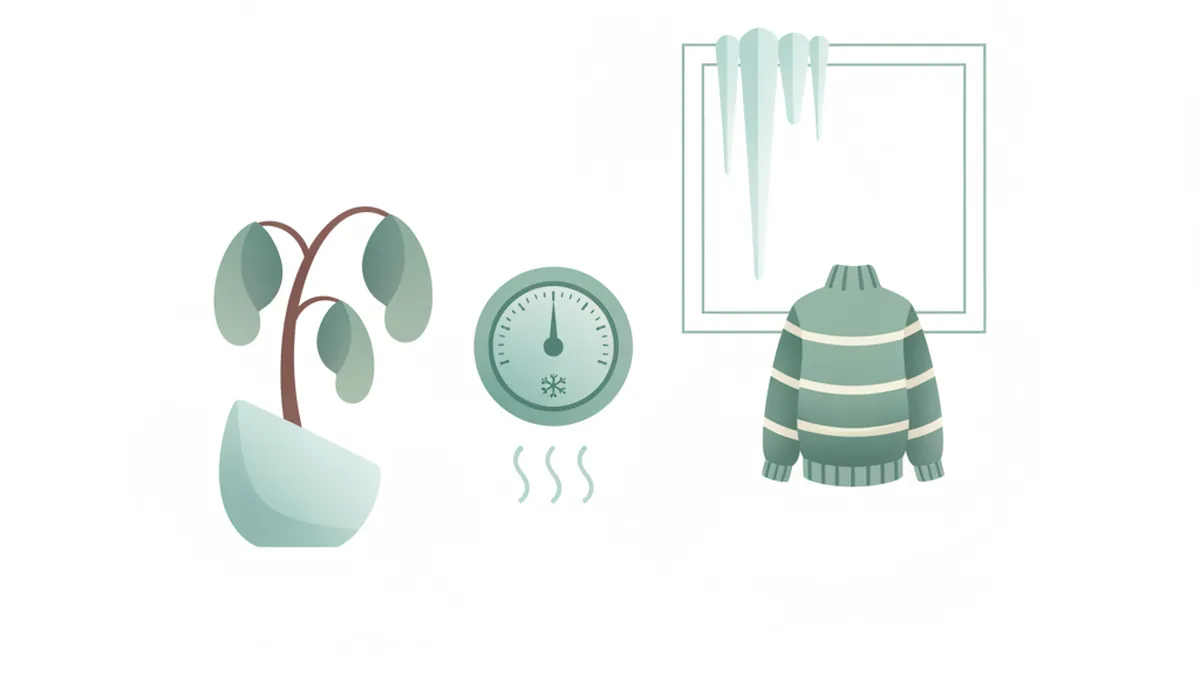
By month three, your body should have adapted somewhat to most temporary causes of cold sensitivity. If you're still freezing—or getting worse—something chronic is at work.
This is when vitamin B12 deficiency often becomes apparent. Unlike iron deficiency that can develop quickly, B12 stores deplete slowly. By the time cold sensitivity appears, you may also notice tingling in hands and feet, unusual fatigue, or difficulty concentrating. Vegetarians and vegans face higher risk, as B12 comes primarily from animal products. People over 50 also absorb B12 less efficiently, and those taking metformin for diabetes or proton pump inhibitors for acid reflux may develop deficiency even with adequate dietary intake.
Chronic stress takes about this long to meaningfully affect your temperature regulation too. When your body stays in stress mode for months, it prioritizes essential functions and may reduce blood flow to extremities. You might notice the cold feeling is worst during particularly stressful periods and slightly better on vacation.
For some people, this timeframe reveals an autoimmune condition. Lupus, rheumatoid arthritis, and other autoimmune disorders can cause cold sensitivity as part of a broader pattern. The key signal: other symptoms appearing alongside the temperature sensitivity. Joint pain, unusual rashes, or persistent fatigue alongside months of feeling cold warrants medical evaluation.
Eating disorders create obvious temperature regulation problems by this point. Anorexia nervosa dramatically reduces body fat and slows metabolism—your body literally lowers your temperature to conserve energy. The cold sensitivity becomes severe: multiple layers indoors, inability to ever feel warm, downy hair growing on the body as insulation. If this describes you or someone you care about, the priority isn't solving the cold—it's addressing the underlying disorder. Contact a healthcare provider who specializes in eating disorders.
A less obvious cause that appears around this timeline: peripheral artery disease, particularly in people over 50 or those who smoke. Narrowed arteries reduce blood flow to limbs, causing persistent cold feet or legs. The cold feeling tends to worsen with activity (the opposite of what you'd expect) because your muscles need more blood flow during movement, but the narrowed arteries can't deliver it. If cold legs come with leg pain while walking that improves with rest, get evaluated soon.
Six Months and Beyond: The Chronic Pattern
When cold sensitivity persists beyond six months, you're looking at either an undiagnosed chronic condition or a permanent change in your temperature regulation.
Diabetes affects circulation and nerve function over time. By the six-month mark of uncontrolled blood sugar, some people develop diabetic neuropathy—nerve damage that can make extremities feel cold or numb. The coldness might feel different than regular chilliness: more like your feet don't exist, or like they belong to someone else. If you have other diabetes risk factors (family history, overweight, sedentary lifestyle) and persistent cold feet, check your blood sugar.
Chronic kidney disease gradually reduces your body's ability to regulate temperature. The kidneys help control blood volume and blood pressure, which affect circulation. If you've had diabetes or high blood pressure for years and are now constantly cold, kidney function deserves checking.
Some people simply reset to a new baseline. After significant weight loss—even healthy, gradual weight loss—some maintain increased cold sensitivity permanently. They've lost insulation and their metabolism may have adjusted downward. This isn't dangerous, just annoying. The solution involves accepting the new normal and dressing accordingly.
Age itself changes temperature regulation. Many people become more sensitive to cold after 65 or 70, even without specific medical conditions. Your metabolic rate naturally decreases, you may lose some muscle mass, and circulation becomes less robust. If you're older and getting colder, that's normal—but still worth mentioning at your next checkup to rule out treatable causes.
One scenario that deserves immediate attention: if you've felt progressively colder over months and notice swelling in your legs, neck, or face, shortness of breath with mild activity, or unusual weight gain, your heart might be struggling. Heart failure reduces the heart's pumping efficiency, which means less warm blood reaches your extremities. Contact a healthcare provider promptly.
What Your Doctor Actually Needs to Know
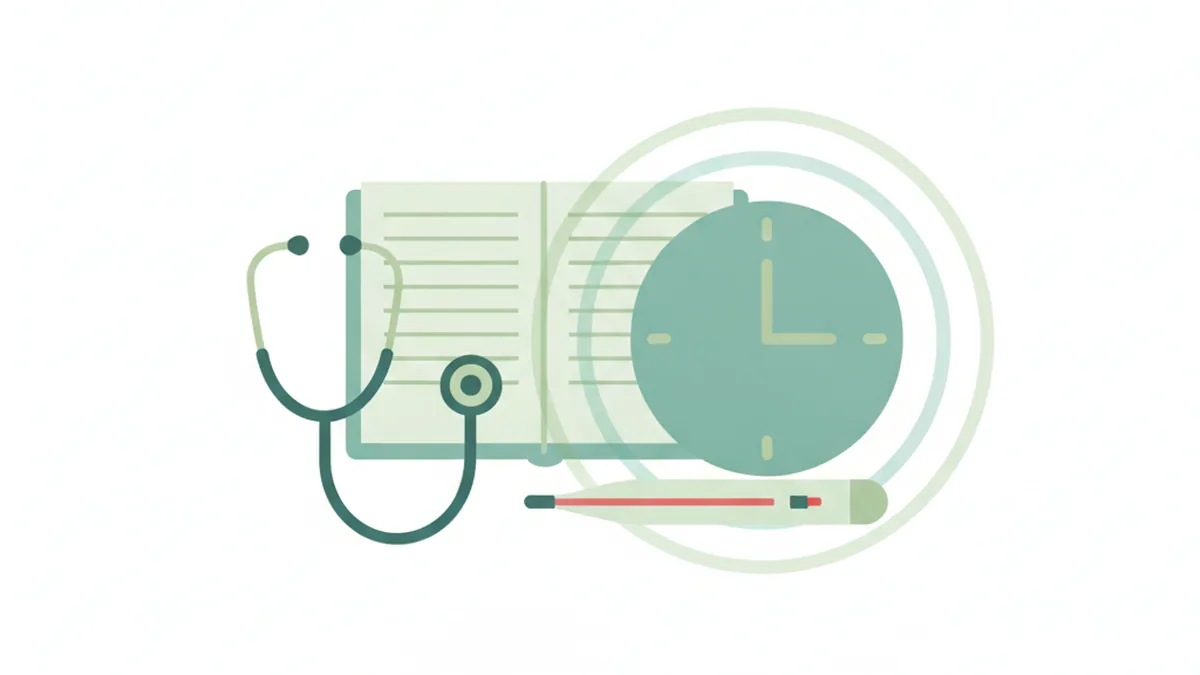
Showing up and saying "I'm always cold" gives your clinician almost nothing to work with. The timeline and pattern give them everything.
Come prepared with:
- When you first noticed the cold sensitivity (approximate month and year)
- Whether it's steady, worsening, or fluctuating
- What makes it better or worse (eating, exercise, stress, certain times of day)
- Any medications started around when symptoms began
- Other symptoms that appeared in the same timeframe, even if they seem unrelated
The diagnostic testing follows logically from that conversation. For most people with chronic cold sensitivity, clinicians check thyroid function (TSH and free T4), complete blood count (for anemia), B12 levels, and sometimes iron studies. Depending on other symptoms, they might add kidney function tests, blood sugar, or autoimmune markers.
Here's something most people don't realize: normal lab values span a range, and you might feel cold even with results technically in the normal zone. TSH between 2.5 and 4.0, while normal, correlates with more hypothyroid symptoms in some people than TSH below 2.0. A good clinician treats the patient, not just the lab value.
The Simple Things Worth Trying First
Before assuming something's wrong medically, address the obvious.
Check your iron intake if you menstruate or follow a plant-based diet. Vitamin C with meals helps iron absorption; calcium and tea decrease it. Many women function at the low end of normal iron stores and would feel warmer with a modest increase.
Evaluate your eating pattern. Skipping breakfast or running on very low calories slows your metabolism measurably. Your body produces heat through digestion and metabolism—give it adequate fuel.
Move more, strategically. Exercise increases circulation both during and for hours afterward. Even brief movement breaks every hour help. But here's the catch: if you're undereating, exercise can make you colder by burning through limited energy reserves without replacement.
Layer smarter. Thin layers trap air better than one thick layer. Keep wrists, ankles, and neck covered—you lose significant heat from areas where blood vessels run close to the skin.
Consider your environment. If you work in an office set to 68°F and that's genuinely too cold for most people, your cold sensitivity might just be normal human variation. Ask colleagues if they're comfortable. If everyone's chilly, it's the thermostat, not you.
When Not to Wait
Seek care within days if you experience:
- Cold sensitivity plus chest pain, severe shortness of breath, or confusion
- Sudden cold sensitivity with fever and severe fatigue
- Fingers or toes turning white or blue and not returning to normal color
- Cold sensitivity plus fainting or near-fainting episodes
Get evaluated within a few weeks if:
- The cold sensitivity appeared suddenly and persists beyond two weeks
- You're also experiencing unexplained weight changes, severe fatigue, or hair loss
- You have known diabetes or kidney disease and new cold sensitivity
- Your hands and feet are not just cold but also painful or changing color
Schedule a routine appointment if:
- You've felt progressively colder over several months
- The cold sensitivity interferes with daily activities
- You're concerned enough to read this article
Most causes of cold sensitivity are treatable. Hypothyroidism responds excellently to medication. Iron deficiency resolves with supplementation. Raynaud's phenomenon has effective management strategies. Even conditions like peripheral artery disease improve with treatment and lifestyle changes.
The key is connecting your timeline to a diagnosis. Your body's been leaving clues all along.
This article is for informational purposes only and isn't a substitute for medical advice. Talk to a qualified healthcare provider about your specific situation.
Sources & further reading
This article draws on guidance from recognized health authorities:
- Cleveland Clinic — Iron-Deficiency Anemia
- MedlinePlus — Chronic Thyroiditis (Hashimoto Disease)
- NIH — Physiology, Temperature Regulation
Comments
Post a Comment