When Standing Makes You Dizzy: A Timeline of What's Happening in Your Body
You stand up from your desk, and suddenly the room tilts. Your vision narrows. Your heart races. Within seconds, you're gripping the edge of the table, wondering if you should sit back down.
If this sounds familiar, you're experiencing what doctors call orthostatic intolerance — your body's struggle to maintain blood pressure and circulation when you move from sitting or lying to standing. But here's where it gets interesting: the timing and pattern of your symptoms reveal which condition you're dealing with.
Two distinct problems cause lightheadedness when standing: orthostatic hypotension (a blood pressure drop) and POTS, or postural orthostatic tachycardia syndrome (an excessive heart rate increase). They feel similar to the person experiencing them, but they're mechanically different — and that difference matters for treatment.
Let's walk through what happens in your body from the moment you stand up.
The First 3 Seconds: Gravity's Challenge
The instant you stand, roughly 500-800 milliliters of blood — about a pint and a half — shifts downward into your legs and abdomen. Gravity doesn't care about your brain's oxygen needs.
In a healthy circulatory system, this triggers an immediate response. Sensors in your neck arteries (baroreceptors) detect the pressure change and signal your autonomic nervous system. Within two to three heartbeats, your body responds:
- Blood vessels in your legs constrict, preventing blood from pooling
- Your heart rate increases slightly, maybe 10-20 beats per minute
- Your heart contracts more forcefully
- Stress hormones provide a small boost
This all happens faster than conscious thought. You don't notice it because it works.
But when this system falters, you notice immediately.
Orthostatic hypotension means your blood pressure drops significantly — typically at least 20 points systolic or 10 points diastolic within three minutes of standing. Your brain receives less blood flow, triggering that woozy, greying-out sensation. Some people experience this within seconds; others take a minute or two.
The classic scenario: you've been lying in bed reading, you stand up to answer the door, and wham — instant dizziness, maybe even brief confusion or tunnel vision. This rapid version is called initial orthostatic hypotension, and it's especially common in younger people.
POTS takes a different route. Your blood pressure might stay relatively stable or drop only slightly. Instead, your heart rate skyrockets — jumping 30 beats per minute or more within 10 minutes of standing (40+ bpm if you're between 12-19 years old). You might go from 70 bpm sitting to 110 or 120 standing. Your heart is frantically trying to compensate for poor blood vessel constriction, but the increased heart rate itself creates problems: less efficient pumping, more awareness of your pounding heartbeat, sometimes chest discomfort.
Minutes 1-10: When Symptoms Peak
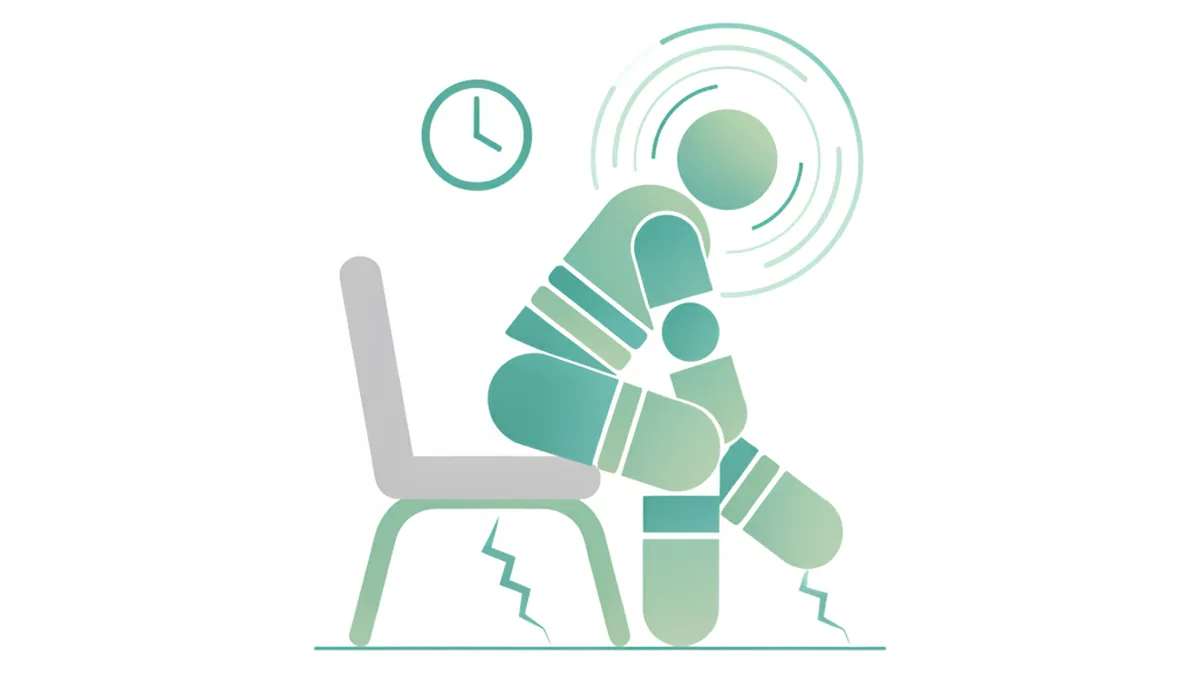
This is where the two conditions really diverge.
With orthostatic hypotension, you typically feel worst in the first minute or two. If you can stay standing (safely), symptoms often improve somewhat as your body musters whatever compensatory mechanisms it can. Many people learn to stand up slowly, pause, let the dizziness pass, then continue. The danger zone is brief but intense.
Research consistently shows orthostatic hypotension is more common in older adults, particularly those taking multiple medications. Blood pressure drugs, antidepressants, and medications for Parkinson's disease are frequent culprits. Dehydration makes it worse — you need adequate blood volume for your vessels to work with.
POTS symptoms, conversely, often worsen the longer you stand. That's a key distinguishing feature. At minute one, you might feel okay aside from noticing your heart racing. By minute five, you're exhausted, lightheaded, maybe nauseous. By minute ten, you desperately need to sit down. Your body is running at sprint-level heart rates while you're just standing in line at the grocery store.
POTS predominantly affects younger people, especially women of childbearing age. The condition often appears or worsens after a viral illness, pregnancy, surgery, or physical trauma. Recent data from various medical centers has shown a notable uptick in POTS diagnoses following COVID-19 infections — the virus seems to trigger autonomic nervous system dysfunction in susceptible individuals.
The fatigue with POTS deserves special mention. It's not just "I feel tired." People describe it as crushing, debilitating exhaustion, particularly after standing or light activity. Your heart has been working overtime, your body is in unnecessary stress mode, and your brain isn't getting optimal blood flow despite the cardiovascular gymnastics.
The 10-30 Minute Mark: Adaptation or Collapse
For orthostatic hypotension, if you're still upright at 10 minutes, you've probably reached some equilibrium. Your body has activated whatever backup systems it has. You might not feel great, but you're unlikely to be getting progressively worse.
POTS, though, can remain challenging. Some people develop what's called "cerebral hypoperfusion" — their brain blood flow stays reduced despite the racing heart. They describe brain fog, difficulty concentrating, sometimes slurred speech. It's your brain running on insufficient fuel.
Both conditions can trigger similar secondary symptoms at this stage:
- Shakiness or tremulousness
- Sweating, especially upper body and face
- Nausea
- Visual disturbances — blurriness or seeing spots
- Weakness in the legs
Here's a critical distinction: fainting is more common with orthostatic hypotension, while near-fainting (feeling like you're about to pass out but not quite getting there) is more typical of POTS. That said, POTS patients absolutely can faint, particularly if they've been standing too long or are dehydrated.
Beyond 30 Minutes: The Aftermath
Most people with either condition won't push past 30 minutes of continuous standing — your body forces you to sit or lie down. But what happens after?
After an orthostatic hypotension episode, recovery is usually quick once you're horizontal or seated. Blood returns to your brain, symptoms resolve within minutes. You might feel briefly shaken, but you're essentially back to baseline.
POTS recovery takes longer. Even after sitting, your heart rate might stay elevated for a while. The exhaustion can linger for hours. Some people need to lie down with their legs elevated for 20-30 minutes to feel functional again. There's often a "payback" quality — a 15-minute standing task might cost you two hours of recovery time.
This is why POTS can be so disruptive to daily life. A shower becomes a significant event requiring energy planning. Cooking dinner means strategizing about when to sit down. Grocery shopping might require a wheelchair or scooter, not because your legs don't work, but because standing in the aisles triggers such severe symptoms.
What Actually Causes These Conditions?
Orthostatic hypotension stems from several mechanisms. Sometimes the autonomic nerves themselves are damaged — seen in diabetes, Parkinson's, or other neurological conditions. Sometimes it's medication-related; your blood pressure drugs are doing exactly what they're designed to do, just a bit too well when you stand. Dehydration reduces blood volume, giving your vessels less to work with. In older adults, the baroreceptors may simply become less sensitive with age.
POTS is more puzzling. Researchers have identified several subtypes:
Neuropathic POTS involves nerve damage to the blood vessels in the legs and abdomen, so they can't constrict properly when you stand. This is possibly the most common form.
Hyperadrenergic POTS means your body releases excessive amounts of norepinephrine (a stress hormone) when you stand — often double or triple normal levels. These patients tend to have more tremor, anxiety, and sweating alongside their rapid heart rate.
Hypovolemic POTS reflects low blood volume, sometimes from abnormal kidney handling of salt and water. These individuals often have especially low blood pressure when lying down.
In many cases, the initial trigger is an infection or physical stressor that somehow "breaks" the autonomic nervous system's calibration. The exact mechanism isn't fully understood — we know inflammation and autoimmune factors likely play roles, but the precise chain of events remains under investigation.
The Testing That Confirms It
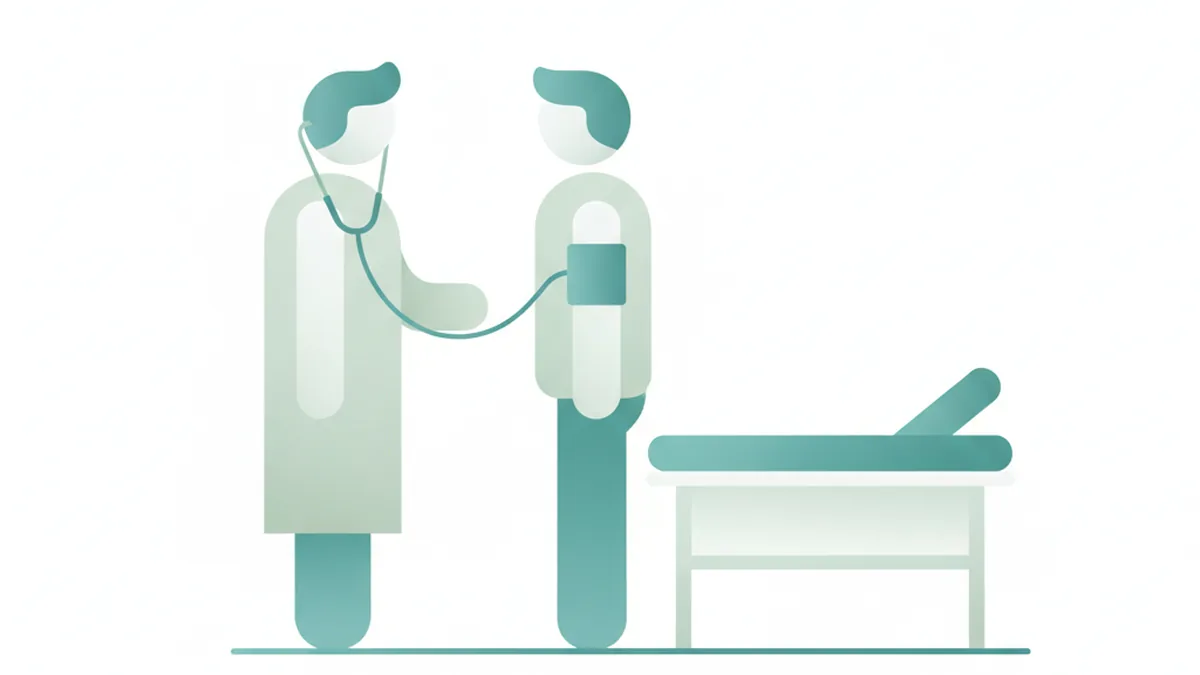
Diagnosis requires objective measurement. Your doctor's description of what happens relies on a tilt-table test or active stand test with continuous monitoring.
For the active stand test (more commonly used now), you lie flat for 5-10 minutes while blood pressure and heart rate are recorded. Then you stand, and measurements continue every minute for 10 minutes. The numbers tell the story:
- Orthostatic hypotension: Systolic blood pressure drops ≥20 mmHg or diastolic drops ≥10 mmHg within 3 minutes
- POTS: Heart rate increases ≥30 bpm (≥40 for teens) within 10 minutes, without the orthostatic hypotension blood pressure criteria, while symptoms appear
Some people have both conditions simultaneously, which makes treatment more complex.
Additional testing might include bloodwork to check for anemia, thyroid problems, or vitamin B12 deficiency (which can affect nerve function). An echocardiogram rules out structural heart problems. Sometimes specialized autonomic testing — measuring sweat responses, heart rate variability, and nerve conduction — helps identify the underlying mechanism.
Practical Management: What Actually Helps
Treatment differs significantly between conditions, which is why accurate diagnosis matters.
For orthostatic hypotension:
Physical countermaneuvers can be remarkably effective. Before standing, try tensing your leg and abdominal muscles for 30 seconds. Cross your legs once upright and squeeze. These actions physically push blood upward. They feel awkward but work.
Hydration and salt are foundational. Most people should aim for roughly 2-3 liters of fluid daily (more in hot weather) and adequate salt intake — potentially 6-10 grams per day, though check with your doctor first, especially if you have heart or kidney problems. Salt helps your body retain fluid, increasing blood volume.
Compression garments — waist-high stockings with 30-40 mmHg pressure — prevent blood pooling in the legs. They're hot and uncomfortable, but they work. Some people find abdominal binders helpful too.
Medication review is essential. Your doctor might adjust the timing of blood pressure medications (taking them at bedtime instead of morning) or reduce doses if possible.
Medication options include midodrine (constricts blood vessels) and fludrocortisone (helps retain salt and fluid). These work for some people, but they're not without side effects.
For POTS:
Many of the same strategies apply — hydration, salt, compression — but the emphasis shifts.
Exercise is crucial but must be approached carefully. The goal is reconditioning your cardiovascular system, but upright exercise often triggers symptoms. Start with recumbent activities: recumbent bike, rowing machine, swimming. Even 15 minutes daily can help. Gradually progress over months. Research from various cardiovascular centers has shown that structured exercise programs significantly improve POTS symptoms, though they require patience and consistency.
Sleep position matters. Elevating the head of your bed by 4-6 inches can help retain blood volume overnight.
Small frequent meals often work better than large ones, since digestion diverts blood to the abdomen and can worsen symptoms.
Medications for POTS might include low-dose beta-blockers (to slow heart rate), ivabradine (targets heart rate without affecting blood pressure), or midodrine. Some people benefit from low-dose stimulants like modafinil for the crushing fatigue. Pyridostigmine, which enhances certain nerve signals, helps some patients.
The frustrating reality: there's no single medication that reliably fixes POTS. Treatment is highly individualized, often involving trial and error.
When This Needs Urgent Attention
Occasional lightheadedness when standing quickly, especially first thing in the morning, is common and not necessarily worrisome. But seek medical evaluation promptly if:
- Episodes are becoming more frequent or severe
- You've actually fainted or come very close
- Symptoms appear suddenly without an obvious cause
- You're experiencing chest pain, severe shortness of breath, or heart palpitations alongside dizziness
- New medications recently started correlate with symptom onset
- You have diabetes, Parkinson's, or other conditions affecting your nervous system
Contact emergency services immediately if you experience:
- Loss of consciousness that doesn't resolve within seconds
- Chest pain or pressure
- Sudden severe headache unlike any you've had before
- Weakness or numbness on one side of your body
- Confusion or difficulty speaking
- Fainting after hitting your head
These could signal something beyond orthostatic hypotension or POTS — perhaps a heart rhythm problem, stroke, or other condition requiring immediate care.
Living With It: The Long View
Both conditions can be chronic, but trajectories vary. Orthostatic hypotension related to medications often improves with adjustment. When it's due to underlying neurological conditions, management focuses on symptom control.
POTS has a more variable course. Some people, particularly those who developed it after a viral illness, gradually improve over 2-5 years with treatment and lifestyle modifications. Others have persistent symptoms but learn to manage them effectively. A smaller percentage sees symptoms worsen despite treatment.
The unpredictability affects more than just physical function. Not knowing whether you'll feel okay standing through a work meeting or social event creates anxiety. The invisible nature of the condition — you often look fine even when feeling terrible — can strain relationships and complicate workplace accommodations.
Support groups, both online and in-person, provide valuable practical advice and emotional validation. Hearing from others who've navigated insurance challenges, found helpful doctors, or developed effective coping strategies reduces the isolation these conditions can create.
This article is for informational purposes only and isn't a substitute for medical advice. Talk to a qualified healthcare provider about your specific situation.
Sources & further reading
This article draws on guidance from recognized health authorities:


Comments
Post a Comment