Why Your Hair Is Thinning: Common Causes and What Actually Helps

You've probably counted the strands in your brush. Maybe you've noticed your ponytail feels thinner, or there's more scalp visible under bright bathroom lighting. Hair thinning sneaks up gradually, then one day you realize it's undeniable.
Here's what most people get wrong: they assume all hair loss works the same way and has the same solution. It doesn't. The college student losing handfuls of hair after finals week faces a completely different issue than the 50-year-old noticing a widening part. Treating them the same way wastes time and money.
Let's figure out what's actually happening with your hair.
Why is my hair falling out more than usual?
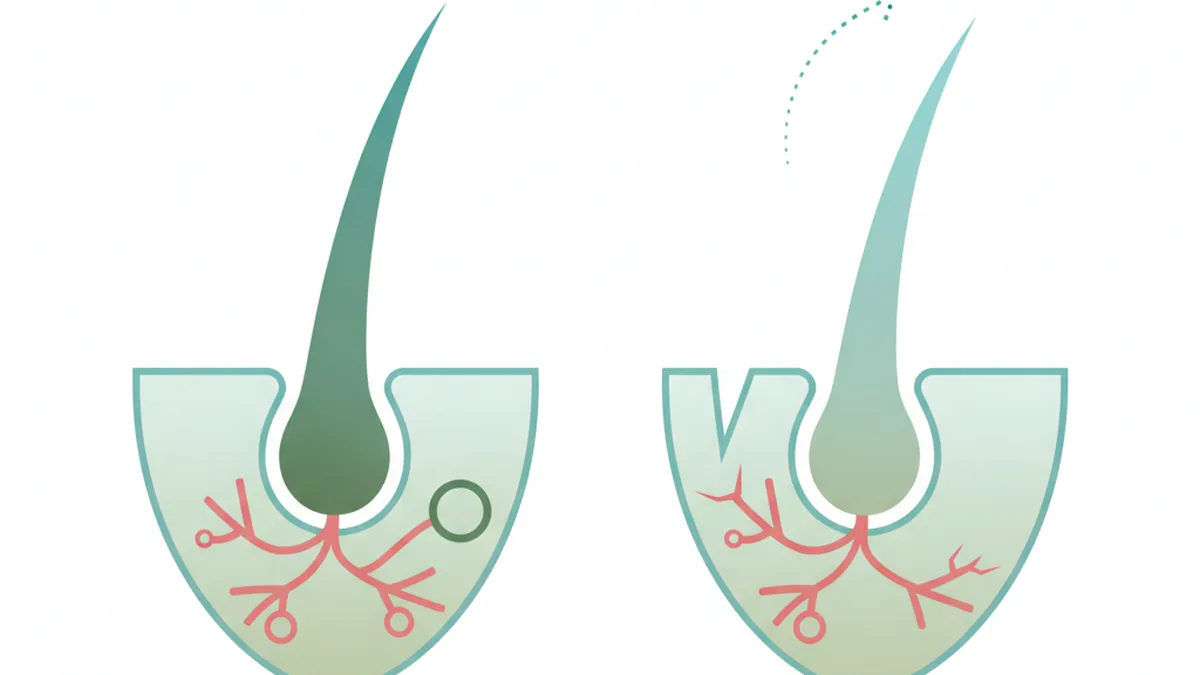
First, some perspective. Losing 50 to 100 hairs daily is normal — your hair naturally cycles through growth, rest, and shedding phases. The problem starts when this balance tips: too many hairs enter the shedding phase at once, or new growth can't keep pace with what's falling out.
Telogen effluvium is probably the most common culprit nobody's heard of. It's temporary hair shedding triggered by stress — not just emotional stress, but physical shocks to your system. A severe illness, major surgery, rapid weight loss, childbirth, or even a high fever can shift a large portion of your hair follicles into休眠 mode. Three months later (the delay surprises people), they shed en masse.
The American Academy of Dermatology notes this type of shedding can lose you noticeably more hair across your entire scalp, but the follicles aren't damaged. Once the trigger resolves and enough time passes, regrowth happens without treatment. That timeline matters — panicking at month four and trying aggressive interventions often does more harm than waiting it out.
Androgenetic alopecia works differently. This is pattern hair loss, the kind linked to genetics and hormones. In men, it's the classic receding hairline and crown thinning. In women, it shows up as widening of the center part while the frontal hairline usually stays intact. The follicles gradually miniaturize — they're still there, but they produce finer, shorter hairs that barely show.
This one's progressive. Without intervention, it continues. The good news is we have treatments with decent evidence. The frustrating part is they work best when started early, before significant miniaturization happens.
Nutritional deficiencies get blamed for everything these days, but they do genuinely affect hair. Iron deficiency, even without full-blown anemia, commonly contributes to thinning — particularly in premenopausal women with heavy periods. Low ferritin (stored iron) seems to matter for hair growth, though researchers debate the exact threshold.
Vitamin D, B12, and zinc deficiencies also appear in the medical literature on hair loss. But here's the catch: supplementing when you're not actually deficient rarely helps. Random megadosing with biotin or a "hair vitamin" blend isn't backed by strong evidence unless you have a documented deficiency.
Thyroid problems create a whole-body metabolic disruption, and hair follicles are sensitive to it. Both hypothyroidism (underactive) and hyperthyroidism (overactive) can cause diffuse thinning. The hair often feels different — drier, more brittle, less manageable — before you notice the volume loss.
What's sneaky about thyroid-related hair loss is that it can be the first noticeable symptom, showing up before the fatigue, weight changes, or temperature sensitivity that people associate with thyroid disease. If your hair loss comes with unexplained energy changes or menstrual irregularities, thyroid testing makes sense.
Autoimmune conditions sometimes target hair follicles directly. Alopecia areata causes sudden, patchy bald spots — often perfectly round, smooth areas where hair disappears completely. It can affect just one spot, multiple patches, or in severe cases, the entire scalp or body.
This isn't the same as gradual overall thinning. The mechanism is completely different: your immune system mistakenly attacks the follicles. The hair loss can reverse spontaneously, but it's unpredictable. Treatments exist, though they work better for limited patches than extensive involvement.
Medications cause more hair loss than most people realize. Chemotherapy is the obvious one, but blood pressure medications, cholesterol drugs, antidepressants, anticoagulants, and retinoids can all contribute. Even stopping birth control pills can trigger a temporary shed as hormone levels adjust.
The pattern here matters. Drug-induced hair loss typically shows up as diffuse thinning 2-4 months after starting a new medication. If you recently started something new and your hair suddenly started shedding more, that timeline is a clue worth mentioning to your doctor.
Is this temporary or am I actually going bald?
This is the question that keeps people up at night. The honest answer: it depends on the cause.
Telogen effluvium — the stress-triggered shedding — almost always resolves on its own within 6-9 months once the trigger is removed. Your hair density might not feel completely normal for a year since hair grows slowly (about half an inch per month), but the prognosis is good. You're not going bald; you're waiting out a biological reset.
Pattern hair loss (androgenetic alopecia) is different. Without treatment, it continues. The rate varies wildly between people — some notice dramatic changes over a few years, others have slow progression over decades. Age at onset doesn't perfectly predict progression speed, which makes it hard to forecast.
Here's a practical way to think about it: if you're seeing gradual miniaturization (hairs getting finer and shorter in specific patterns), or if your parent or grandparent had similar thinning, you're likely dealing with genetic hair loss. If the shedding came on suddenly after an identifiable trigger and affects your whole scalp evenly, temporary shedding is more likely.
The pull test gives you information at home. Gently grasp about 60 hairs between your thumb and fingers and pull while sliding your fingers along the hair shafts. If more than 6-8 hairs come out, you're shedding excessively. Do this in several scalp areas. Telogen effluvium shows increased shedding everywhere. Pattern loss is localized to specific zones.
Scalp health matters too. If you're seeing redness, scaling, itching, or pustules along with the hair loss, you might have a scalp condition — seborrheic dermatitis, psoriasis, or infection — that needs different treatment. Hair growing from inflamed skin doesn't thrive.
One more thing people don't talk about enough: sometimes multiple factors combine. You might have a genetic predisposition to pattern loss, but a stressful event or nutritional deficiency accelerates it dramatically. Treating one factor helps, but not completely, because others are still active.
What actually works to stop or reverse hair thinning?

Let's separate marketing hype from medical evidence.
Minoxidil (Rogaine is one brand name) has the strongest evidence for androgenetic alopecia in both men and women. It's a topical solution or foam you apply to the scalp daily. The exact mechanism isn't fully understood, but it appears to prolong the growth phase of hair follicles and increase their size.
The catch: you need to use it consistently, and it takes 4-6 months to see results. Many people quit at month two, declare it doesn't work, and waste the investment. If you stop using it after seeing improvement, that improvement gradually reverses. It's a long-term commitment.
It works better for the crown than the frontal hairline in men, and women sometimes see less dramatic but still meaningful results with the 2% formulation. The 5% is available but can cause more facial hair growth in women as a side effect. Worth discussing with a dermatologist before starting.
Finasteride (Propecia) is FDA-approved for male pattern hair loss. It blocks the conversion of testosterone to DHT (dihydrotestosterone), the hormone that miniaturizes susceptible follicles. The evidence for slowing progression and promoting some regrowth is solid.
The side effect profile includes sexual dysfunction in a small percentage of users — estimates vary, but somewhere around 2-4% experience decreased libido or erectile difficulties. For most, these resolve when stopping the medication, but there are reports of persistent symptoms in rare cases. That risk-benefit calculation is personal.
Women who might become pregnant shouldn't handle broken finasteride tablets — it can cause birth defects in male fetuses. For postmenopausal women, it's sometimes prescribed off-label, but the evidence is weaker than in men.
Platelet-rich plasma (PRP) therapy involves drawing your blood, concentrating the platelets, and injecting them into the scalp. Early research looks promising for androgenetic alopecia, showing improvements in hair density and thickness. But we're still figuring out optimal protocols — how often to do it, what concentration of platelets works best, who responds.
It's expensive, not covered by insurance, and you'll need multiple sessions. Consider it experimental but potentially helpful if you can afford it and other treatments haven't worked well enough.
Low-level laser therapy (LLLT) — those red light caps and combs — has some evidence supporting effectiveness for pattern hair loss. The FDA has cleared several devices. The mechanism seems to involve stimulating follicles at the cellular level, though researchers are still working out the details.
Results are modest. You're not going from bald to full coverage, but clinical trials show measurable improvements in hair count and thickness. The real question is whether the benefit justifies the cost and daily time commitment.
Nutritional correction works when deficiency is genuinely present. If your iron stores are low, repleting them often improves hair growth within months. Same with correcting thyroid dysfunction or B12 deficiency. But blood work should guide this — supplementing blindly with high-dose vitamins based on hope rather than testing rarely delivers results and can occasionally cause problems.
One exception might be vitamin D, which many people are deficient in. Ensuring adequate vitamin D status is reasonable for overall health, and it may support hair health as a side benefit.
What doesn't have strong evidence: most shampoos marketed for hair loss, biotin supplements if you're not biotin-deficient (which is rare), collagen supplements, expensive salon treatments with proprietary "growth serums," and essential oils (despite the compelling anecdotes online).
That's not to say these are all useless — a good volumizing shampoo can make thinning hair look fuller, which matters for quality of life even if it doesn't change biology. Just don't expect growth from products that claim it without solid research backing.
When should I see a doctor about thinning hair?
If you're noticing significant shedding or thinning, a dermatologist is the right specialist — they have more training in hair and scalp conditions than primary care doctors typically get. But when is it worth making that appointment?
See a doctor if:
- You're losing hair in patches rather than overall thinning
- The shedding is dramatic — clumps coming out, not just increased individual hairs
- You notice scalp changes: redness, scaling, pain, or unusual texture
- The hair loss came on suddenly without an obvious trigger
- You're experiencing other symptoms like fatigue, weight changes, or irregular periods
- You've been dealing with thinning for months and it's not improving
- You're a woman with thinning plus excessive facial or body hair growth (could indicate a hormone imbalance)
You can probably wait and monitor if:
- The thinning is mild and gradual
- You can connect it to a recent stressor, illness, or medication change
- It's been less than 6 months since the trigger event
- You're not seeing other concerning symptoms
In the appointment, expect questions about family history, medications, recent illnesses, diet, stress, and hair care practices. The doctor will examine your scalp and the pattern of loss. Blood work often includes thyroid function, iron studies, and sometimes hormone levels or autoimmune markers.
A scalp biopsy sounds scary but it's a tiny punch sample that can definitively diagnose certain conditions when the clinical picture is unclear. It's not always necessary, but it provides information that visual examination alone can't.
Sometimes the diagnosis is "androgenetic alopecia" — pattern loss — and the doctor will discuss treatment options. Sometimes it's "telogen effluvium — let's identify and address triggers, then give it time." Occasionally it's something more complex requiring specialized treatment.
What can I do right now while figuring this out?
Be gentle with your hair. Skip tight hairstyles that pull on the roots — constant traction can cause permanent loss in affected areas over time. Let your hair air-dry when possible. Limit heat styling and harsh chemical treatments while you're already losing more than normal.
Eat adequately. Crash diets and very low protein intake can trigger shedding. You don't need special "hair foods," but general nutritional adequacy matters.
Manage stress where you can. I know — easier said than done. But chronic high stress levels can contribute to ongoing shedding. Whatever helps you decompress — exercise, meditation, therapy, better sleep — supports hair health along with everything else.
Avoid "miracle" treatments that promise regrowth in weeks. Hair grows slowly. Anything promising dramatic results in 30 days is either lying or banking on the placebo effect. Real treatments take months to show benefit.
Document what you're seeing. Take photos in consistent lighting from multiple angles every 6-8 weeks. Our perception of gradual change is unreliable — sometimes we think it's getting worse when it's stable, or miss slow improvement. Photos provide objective comparison.
Consider a good volumizing haircut. Strategic layering and texture can make thinning hair look substantially fuller. This doesn't address the underlying cause, but it can dramatically improve how you feel while you're working on the medical side.
The psychological impact of hair loss is real and often underestimated. If this is affecting your quality of life significantly, that alone is a valid reason to seek help — both medical intervention and potentially counseling if you're struggling with the emotional weight of it.
This article is for informational purposes only and isn't a substitute for medical advice. Talk to a qualified healthcare provider about your specific situation.
Sources & further reading
This article draws on guidance from recognized health authorities:
- MedlinePlus — Hair Loss
- Cleveland Clinic — Hair Loss: Causes, Treatments and Prevention
- NHS — Hair Loss


Comments
Post a Comment