When Your Hands Go Numb: What's Actually Happening to Your Nerves
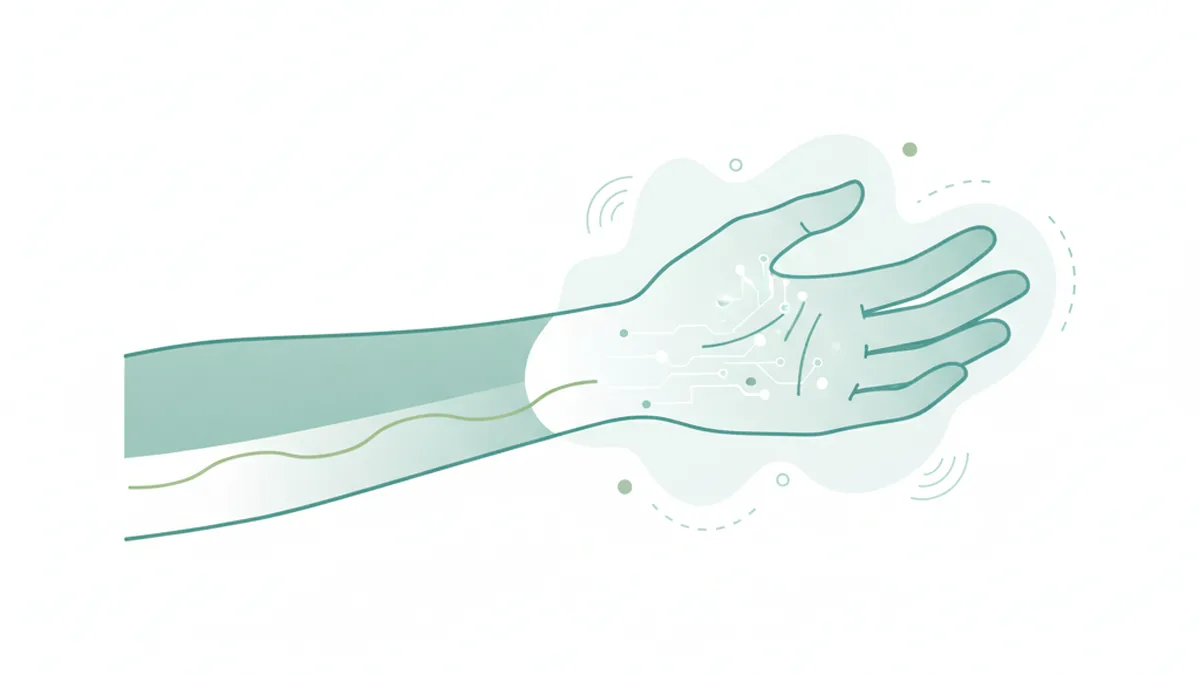
You wake up with a dead arm. Seconds later, that flood of pins-and-needles as sensation returns. Or maybe it's your foot that falls asleep after you've been sitting cross-legged, sending those weird electric waves up your leg when you finally stand.
Most of us brush these moments off—they're annoying but harmless, right? Usually, yes. But persistent numbness and tingling can signal something requiring attention, and the cause matters more than you'd think. A compressed nerve needs different management than poor circulation or a vitamin shortage. Here's how to tell them apart.
What People Usually Assume (And Why They're Often Wrong)
Ask someone why their hand went numb and they'll likely blame "bad circulation." It's the default explanation, passed down through generations. Grandma said it, so it must be true.
Except circulation problems rarely cause isolated numbness in otherwise healthy adults under 60. True circulatory insufficiency severe enough to produce numbness typically brings other signs: coldness, color changes (pale or bluish skin), pain with activity that improves with rest, wounds that heal slowly. Pure numbness without these? Probably not your arteries.
The pins-and-needles sensation—what doctors call paresthesia—usually points to nerves, not blood flow. Your peripheral nerves are like fiber-optic cables running from your spinal cord to every inch of skin and muscle. Interrupt their signal, and you get static: tingling, numbness, that weird feeling like your foot's wrapped in cotton.
People also jump to vitamin B12 deficiency after a quick web search, especially if the numbness is symmetrical (both feet, both hands). B12 neuropathy is real, but it's far less common than mechanical nerve compression—particularly carpal tunnel syndrome and spinal nerve root irritation. The average person experiencing new numbness is dealing with pressure on a nerve, not a dietary gap.
But here's the catch: sorting these causes isn't always straightforward because symptoms can overlap, and occasionally more than one factor contributes. That's precisely why understanding the patterns matters.
The Physical Reality Behind Nerve Symptoms
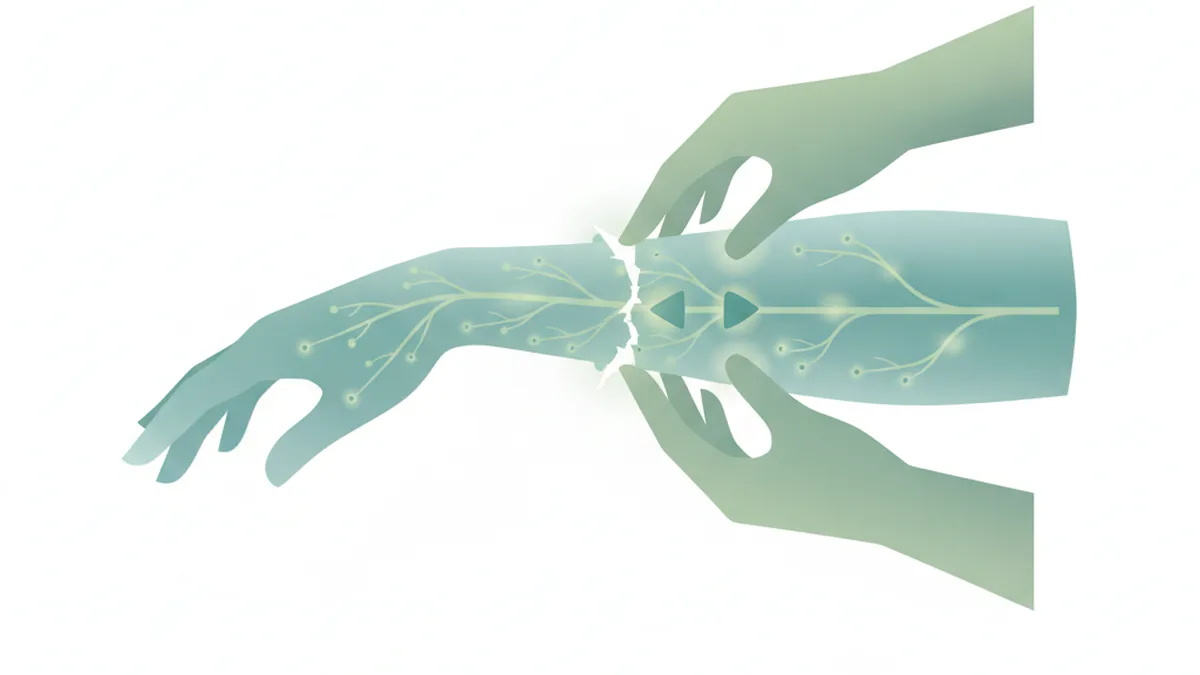
Nerves hate sustained pressure. When you lean on your elbow for an hour, the ulnar nerve running through that bony groove gets squeezed. Messages can't flow properly. Your ring and pinky fingers go tingly or numb.
This is nerve compression—mechanical pressure disrupting electrical signaling. It happens in predictable spots where nerves pass through tight anatomical spaces. The carpal tunnel in your wrist. The cubital tunnel at your elbow. The nerve roots exiting your spine between vertebrae.
What makes this different from circulation issues is the distribution. Compressed nerves follow specific pathways. Carpal tunnel syndrome affects the thumb, index, middle, and half the ring finger—that's the median nerve's territory. Ulnar compression hits the pinky and ring finger. Sciatica radiates down the back or side of one leg following the sciatic nerve's route.
Vascular problems don't respect these boundaries. If your hand lacks adequate blood flow, the whole hand suffers, not just specific fingers. You'll notice temperature changes and possibly pain with exertion.
B12 deficiency creates a different pattern altogether. It damages the myelin sheath—the protective coating around nerves—leading to symmetrical symptoms that usually start in the feet and gradually creep upward. Both feet tingle identically. It progresses slowly over months, not suddenly overnight. Patients often describe a "stocking and glove" distribution because it affects the longest nerves first.
Nerve compression can develop gradually too, but it's typically asymmetric (one side worse) and tied to specific positions or activities. Your hand goes numb while you're typing or holding your phone, then improves when you shake it out. That immediate positional relationship screams mechanical compression.
When Numbness Points to Something More Serious
Sometimes numbness carries more urgency than a pinched nerve. Certain patterns demand prompt evaluation because they could signal stroke, spinal cord compression, or rapidly progressing neuropathy.
Red flags include:
Sudden onset numbness on one side of your body—especially if it involves your face, arm, or leg on the same side. Add slurred speech, confusion, vision changes, or severe headache, and you're looking at possible stroke. Seek emergency care immediately.
Numbness that rises progressively from your feet toward your torso over hours to days. This could indicate Guillain-Barré syndrome, where the immune system attacks peripheral nerves. It's rare but can advance to respiratory muscles, making it a medical emergency.
Numbness plus weakness—particularly if you can't lift your foot, drop objects frequently, or notice muscle wasting. This suggests nerve damage beyond sensory fibers, affecting the motor nerves that control movement.
Numbness accompanied by loss of bladder or bowel control. This combination points to cauda equina syndrome, severe spinal cord compression that requires surgical intervention within hours to prevent permanent damage.
Numbness with severe, unrelenting back or neck pain that worsens at night or doesn't improve with position changes. Could be a tumor or infection pressing on nerves.
Most numbness doesn't fall into these categories. But when it does, don't wait for a convenient appointment. Contact a doctor immediately, or head to an emergency department if symptoms are acute and severe.
Practical Clues to Decode Your Specific Symptoms
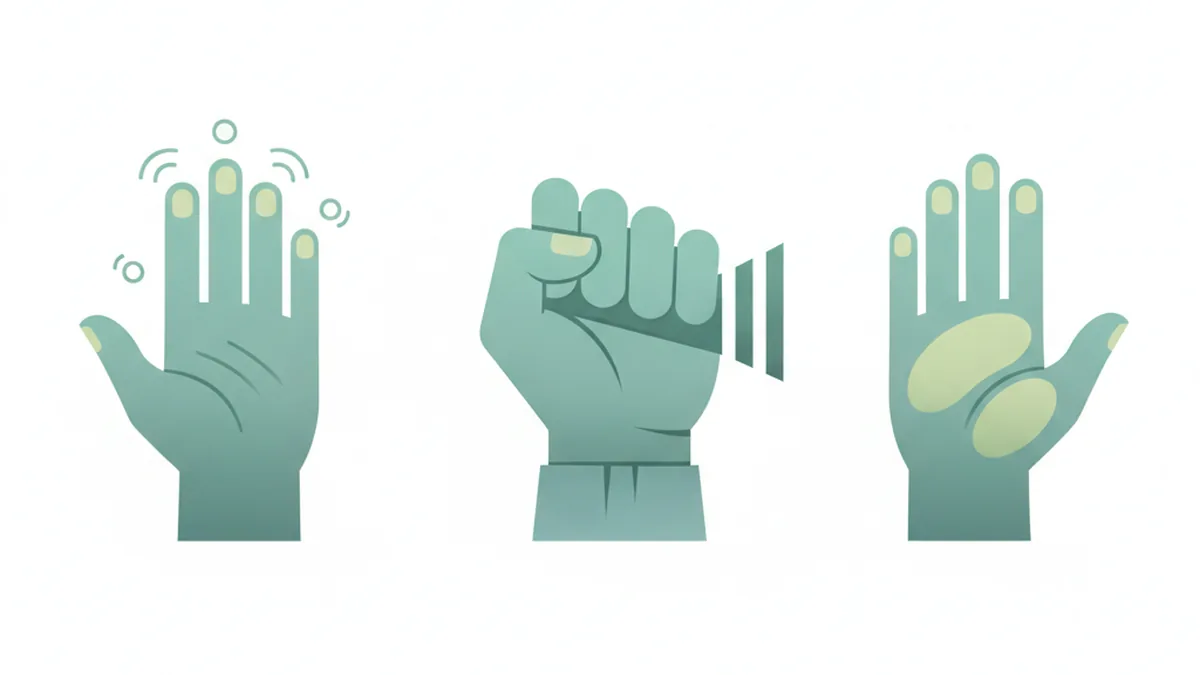
You probably don't need an MRI to figure out if your numb fingers come from how you sleep. A few observational questions narrow things down considerably:
Where exactly is the numbness? Grab a pen and outline the numb area on your hand or arm. Does it follow one of those nerve distribution patterns? Thumb through middle finger suggests median nerve (carpal tunnel). Pinky side of the hand points to ulnar nerve. Whole hand, all fingers equally? Less typical for a single nerve compression.
What were you doing when it started? Did you wake up with it after sleeping on your arm? Develop it gradually over weeks of repetitive work? Notice it only during specific activities like cycling (handlebar pressure) or talking on the phone (holding it between shoulder and ear)? Positional causes are often reversible with ergonomic changes.
Does it come and go, or is it constant? Intermittent symptoms that resolve when you change position suggest compression you can modify. Constant numbness that persists regardless of what you're doing warrants investigation for systemic causes—diabetes, thyroid disease, autoimmune conditions, vitamin deficiencies.
Is there pain with it? Nerve compression often hurts. You might feel burning, aching, or shooting sensations along with the numbness. Pure tingling without pain leans slightly more toward metabolic or toxic causes (though nerve compression can certainly be painless too).
How long has this been going on? A week of intermittent symptoms after you started a new hobby is different from six months of progressive numbness. Chronic symptoms need evaluation even if they're not severe, because prolonged nerve compression can lead to permanent damage.
For B12 deficiency specifically, watch for other signs: unusual fatigue, balance problems, memory issues, a sore tongue. B12 affects more than just nerves—it's crucial for red blood cell formation and brain function. Numbness coupled with these systemic symptoms raises suspicion, especially if you're vegetarian/vegan, over 50, or take medications that interfere with B12 absorption (metformin, proton pump inhibitors).
Circulatory causes become more likely if you have cardiovascular risk factors: diabetes, smoking history, high blood pressure, peripheral artery disease. But again, you'd expect more than just numbness. Look for cramping with walking, coldness, color changes, diminished pulses in your feet.
What to Actually Do About It
If your symptoms fit straightforward mechanical compression—say, hand numbness that clearly worsens during certain activities—start with conservative measures:
Modify what's compressing the nerve. Sleep with a straight wrist rather than bent. Take frequent breaks from typing. Adjust your bike handlebars. Stop leaning on your elbow. Simple postural changes resolve many cases.
Use a splint at night for carpal tunnel symptoms. Wearing a neutral wrist splint while you sleep prevents the extreme flexion or extension that aggravates median nerve compression. You can pick one up at any pharmacy.
Try gentle nerve gliding exercises. These controlled movements help nerves move freely through tight spaces. A physical therapist can teach nerve glides specific to your affected area—median, ulnar, or radial nerve.
Assess your workspace ergonomics. Keyboard height, chair position, monitor placement—all these affect how your nerves travel through confined spaces. Worth discussing with an occupational health specialist if symptoms are work-related.
If symptoms persist beyond a few weeks despite these adjustments, or if you're uncertain about the cause, see a healthcare provider. A doctor can perform a physical exam that includes specific maneuvers to reproduce symptoms and identify which nerve is involved. They might order nerve conduction studies—tests that measure how quickly electrical signals travel through your nerves—to confirm compression and assess severity.
For suspected B12 deficiency, a simple blood test provides the answer. If levels are low, supplementation is straightforward, though identifying why you're deficient matters. Inadequate dietary intake? Absorption problems? Pernicious anemia where your immune system attacks the cells needed for B12 uptake? Each requires different management.
Vascular causes need evaluation with pulse checks, blood pressure measurements in your arms and legs (ankle-brachial index), and possibly ultrasound imaging of your arteries. Treatment depends on severity but might involve medications to improve blood flow, lifestyle changes, or procedures to open blocked vessels.
The Timing Question Everyone Asks
"How long should I wait before getting this checked?"
Fair question. Healthcare isn't always convenient or affordable, so people want to know if they're jumping the gun.
Here's a reasonable framework:
Days to a week — Try positional changes, rest from aggravating activities, basic ergonomic fixes. Many transient nerve compressions resolve on their own.
Two to three weeks — If symptoms persist or worsen despite your modifications, worth a non-urgent doctor's appointment. Early intervention for nerve compression prevents permanent damage.
Immediately — If any red flags appear (sudden onset, one-sided weakness, progression up the body, bowel/bladder changes, severe pain). Don't wait.
Soon — If numbness is constant, bilateral and symmetrical (especially feet), or accompanied by systemic symptoms like fatigue and cognitive changes. These patterns suggest something beyond mechanical compression.
Also consider whether your symptoms are progressing. Static numbness that's annoying but stable is less concerning than numbness that's spreading or intensifying. Progression nudges you toward sooner evaluation.
Why Getting the Diagnosis Right Actually Matters

You might think, "It's all just numbness—does the cause really matter if it's not dangerous?"
It does, because management differs substantially.
Nerve compression responds to activity modification, splinting, physical therapy, and sometimes surgery to release the compressed nerve. Continuing to compress an already-irritated nerve can lead to permanent loss of sensation or muscle function. People often dismiss carpal tunnel symptoms for years, only to develop irreversible thumb weakness because the motor fibers finally gave out.
B12 deficiency requires supplementation—typically oral or sometimes injections if absorption is impaired. Ignoring it risks permanent neurologic damage and serious complications like megaloblastic anemia. But you can't supplement your way out of nerve compression, and wearing a wrist splint won't fix a B12 problem.
Vascular insufficiency needs cardiovascular risk factor management and possibly interventions to restore blood flow. Letting it progress can lead to tissue damage and limb loss in severe cases.
Misdiagnosing the cause leads to ineffective treatment and potentially worsening outcomes. The stakes aren't always dramatic, but they're real. Getting numbness properly evaluated means you're addressing the actual problem, not just guessing based on what worked for your coworker.
Living With Uncertainty (Because Not Everything Has a Clear Answer)
Sometimes—frustratingly—the cause remains unclear despite thorough evaluation. Idiopathic neuropathy, meaning nerve dysfunction with no identified cause, accounts for roughly 25% of peripheral neuropathy cases according to neurological databases. Tests come back normal. Structural compression isn't found. Vitamin levels are fine.
This is genuinely frustrating for both patients and clinicians. You want a concrete explanation, a fixable problem. Instead you get "we don't know why" and management focused on symptom control rather than cure.
If you find yourself here, a few thoughts:
Keep a symptom diary. Patterns might emerge over time that point toward a trigger or contributing factor not initially obvious.
Rule out progressive causes. If symptoms remain stable over months without worsening, you're less likely dealing with something degenerative that requires aggressive intervention.
Manage what you can manage. Even without a clear diagnosis, physical therapy, stress reduction, and optimizing overall health—sleep, exercise, blood sugar control—often improve symptoms.
Get periodic re-evaluation. Something initially cryptic can clarify over time as additional features develop. An annual check-in allows your doctor to reassess whether new testing or referrals are warranted.
Medicine isn't always tidy. We don't always get satisfying explanations. But persistent symptoms without an obvious cause still deserve attention, both to rule out rare conditions and to access supportive care that improves quality of life.
This article is for informational purposes only and isn't a substitute for medical advice. Talk to a qualified healthcare provider about your specific situation.
Sources & further reading
This article draws on guidance from recognized health authorities:


Comments
Post a Comment