Sexual Wellness vs. Sexual Dysfunction: What Your Doctor Actually Needs to Know

Your annual physical probably covers blood pressure, cholesterol, maybe even mental health screening. But sexual function? That part of your wellbeing often gets skipped entirely—unless you bring it up yourself.
Here's what's shifted: sexual wellness is increasingly recognized as a legitimate component of overall health, not a luxury concern you address only after everything else is "fixed." The distinction matters because low libido can signal underlying health issues, while also being something that deserves attention simply because it affects quality of life. Knowing the difference between a wellness conversation and a medical problem helps you get the right kind of help.
Sexual Wellness vs. Sexual Dysfunction: Understanding the Split
Sexual wellness is the proactive side—maintaining desire, pleasure, and satisfaction as part of your broader health picture. Think of it like cardiovascular fitness: you don't wait for a heart attack to care about it. You exercise, manage stress, eat reasonably well. Sexual wellness operates similarly. It's about preserving function and satisfaction throughout life changes, whether that's aging, relationship transitions, or simply the accumulated stress of modern life.
Sexual dysfunction, by contrast, is the clinical diagnosis. It's when physical or psychological issues actively interfere with sexual response—persistent arousal problems, pain during sex, complete loss of desire that causes distress. This side falls squarely in medical territory.
The line between them isn't always sharp. A gradual decline in libido might be "normal aging" for one person and a symptom of undiagnosed diabetes for another. But the framework helps: wellness is what you maintain; dysfunction is what you treat.
Why the Wellness Conversation Matters Now
Decades of research have connected sexual satisfaction to relationship quality, self-esteem, and even physical health markers. People in satisfying sexual relationships report better cardiovascular health and lower rates of depression, though causation runs in multiple directions—healthier people may have more active sex lives, and satisfying sex may contribute to better health. Either way, dismissing sexual concerns as "not real health issues" ignores meaningful connections.
Consider how stress affects libido. Chronic stress elevates cortisol, which directly suppresses sex hormones like testosterone. Over time, this doesn't just reduce desire—it can contribute to weight gain, poor sleep, and immune dysfunction. Addressing libido in that context isn't vanity. It's catching a canary in the coal mine.
The cultural shift matters too. Younger generations are more comfortable discussing mental health, and sexual wellness is following a similar path. What was once whispered about is becoming a standard part of preventive care conversations, particularly as people recognize that a fulfilling sex life doesn't automatically end at 50, 60, or beyond.
When Low Libido Is a Medical Concern (and When It's Not)
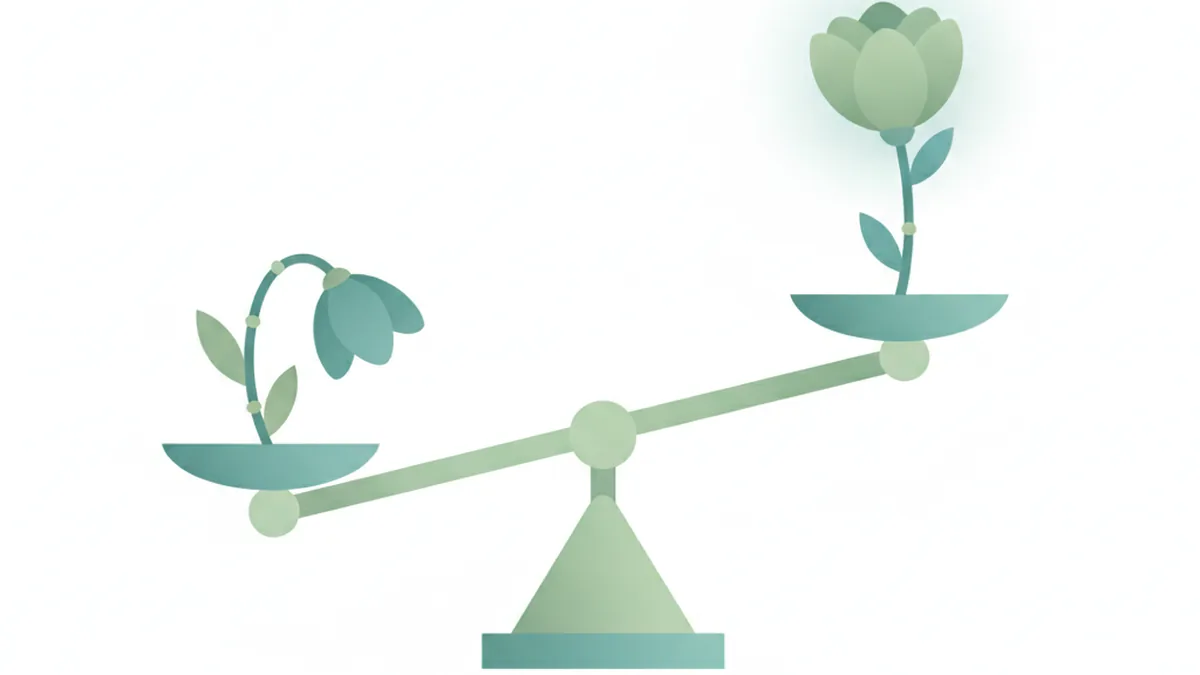
Let's get specific about what warrants medical attention versus what might respond to lifestyle changes or therapy.
Medical red flags that mean you should talk to a doctor:
Sudden, unexplained changes. Libido naturally fluctuates, but a dramatic drop over a few weeks—especially if nothing obvious changed in your life—can indicate hormonal shifts, medication side effects, or underlying illness. Thyroid disorders, for instance, commonly affect sexual desire, and hypothyroidism often develops gradually enough that people don't notice until multiple symptoms accumulate.
Pain during sex. This is never "just how it is." Painful intercourse (dyspareunia) can stem from infections, endometriosis, pelvic floor dysfunction, insufficient lubrication due to hormonal changes, or other treatable conditions. Ignoring it risks worsening the underlying problem and creating psychological associations between sex and pain that outlast the physical cause.
Complete inability to become aroused despite desire. Wanting sex but experiencing no physical response—inadequate lubrication, inability to achieve or maintain erection, lack of genital sensation—suggests vascular, neurological, or hormonal issues. Erectile dysfunction, for example, shares risk factors with heart disease. It's often an early warning sign of cardiovascular problems.
Distress that won't resolve. If low libido is causing significant relationship conflict or personal distress, and self-help strategies haven't worked after a few months, that's reason enough to seek help. You don't need to prove it's "serious" first.
Normal Libido Variations That Usually Don't Require Medical Treatment
Temporary dips during life stress. Job changes, grief, financial pressure, caring for aging parents—these situations legitimately reduce sexual desire. If libido returns as the stressor resolves, it's a normal stress response, not dysfunction.
Relationship-specific changes. Long-term relationships commonly experience decreased novelty and spontaneous desire. This often responds better to couples counseling or sex therapy than medical intervention. The issue isn't broken bodies; it's changed relationship dynamics.
Age-related gradual decline. Sexual desire does shift with age, influenced by hormonal changes and general health. A 60-year-old's libido doesn't match their 25-year-old self's—and that's expected. What matters is whether current levels feel satisfying and whether sexual activity (however defined) remains pleasurable when it happens.
Asexuality or low baseline desire. Some people have naturally low sexual desire that doesn't cause distress. If you're content with infrequent or absent sexual activity, and your relationships accommodate that, there's nothing to "fix." The medical concern arises only when there's a mismatch between your desires and reality, or when low libido accompanies other symptoms.
Approaching the Conversation: What to Actually Say to Your Doctor

Many people avoid bringing up sexual concerns because they don't know how to start, or they fear embarrassment. Doctors, meanwhile, often skip sexual health questions because they're pressed for time or unsure whether patients want to discuss it.
You can break the ice with direct simplicity: "I'd like to talk about changes in my sexual function." Or, "I've noticed my libido has decreased significantly, and I'm wondering if that could be related to any health issues."
What helps doctors help you:
Specificity beats vagueness. "I have no interest in sex anymore" is a start, but "Over the past six months, I've gone from initiating sex weekly to having no desire at all, and even when my partner initiates, I don't feel aroused" gives clearer information.
Timeline and context. When did you first notice changes? What else was happening in your life? Did you start any new medications? Changes in birth control, antidepressants, blood pressure medications, and many other drugs affect libido.
What you've already tried. If you've experimented with stress reduction, increased sleep, relationship communication, or other strategies, mention it. This helps rule out simple fixes and shows you're taking the concern seriously.
How it affects you. Describe the impact on your wellbeing or relationships. "It's causing tension in my marriage" or "I feel disconnected from my body" helps the doctor understand the severity from your perspective.
Questions Worth Asking
Don't leave the appointment without addressing:
- Could any of my current medications affect libido?
- Should we check hormone levels? (Testosterone, thyroid function, prolactin, estrogen if applicable)
- Are there underlying conditions that commonly present with sexual symptoms?
- Would you recommend seeing a specialist? (Urologist, gynecologist, endocrinologist, sex therapist)
- What are the treatment options, and how do we decide between them?
If your doctor dismisses sexual concerns as unimportant or "just stress," push back politely but firmly. "I understand stress is a factor, but I'd like to rule out medical causes before assuming that's the whole picture." If they remain dismissive, consider finding a provider who takes sexual health seriously. It's a legitimate healthcare need.
Practical Self-Care Approaches That Actually Affect Libido
While medical issues need medical solutions, many libido changes do respond to lifestyle modifications—though perhaps not the ones wellness influencers emphasize.
Sleep is non-negotiable. Chronic sleep deprivation tanks testosterone in all genders and disrupts other hormone systems. One study tracking shift workers found that even a few weeks of poor sleep patterns reduced sexual desire and arousal significantly. Prioritizing 7-9 hours consistently often improves libido more than any supplement.
Exercise helps, with caveats. Moderate regular exercise improves body image, reduces stress, and supports healthy hormone levels. But overtraining—especially combined with undereating—can suppress sex hormones and reduce libido. The sweet spot appears to be regular movement that you enjoy and that doesn't exhaust you.
Alcohol: a genuine desire-killer in excess. A drink might lower inhibitions, but regular heavy drinking reduces testosterone, interferes with arousal, and can cause long-term sexual dysfunction. If you're drinking daily or binge drinking on weekends, cutting back is worth trying before assuming your low libido needs medical treatment.
Stress management matters, but be specific. Generic "reduce stress" advice is useless. What works is identifying actual stressors and addressing them: delegating tasks, setting boundaries, therapy for anxiety, reducing social media use if it's genuinely making you anxious. Meditation apps won't fix an objectively overwhelming schedule.
Novelty and intention. Spontaneous desire often decreases in long-term relationships, but responsive desire—arousal that develops after physical intimacy begins—can remain strong. Scheduling sex sounds unromantic, but it actually works for many couples by creating space for desire to develop without waiting for it to strike randomly.
What Probably Won't Help
Despite enthusiastic marketing, several popular approaches have limited evidence:
Supplements. Maca, horny goat weed, various "women's libido" blends—most lack robust clinical evidence. If you have a genuine deficiency (vitamin D, for instance, or iron), correcting it might help. Random supplements probably won't, and some interact with medications.
Testosterone therapy as a first resort. While low testosterone genuinely affects libido, many people with low desire have normal hormone levels. Jumping straight to hormone replacement without ruling out other causes (relationship issues, medication side effects, depression, sleep problems) risks missing the actual problem. Testosterone therapy carries side effects and requires monitoring.
Ignoring relationship dynamics. If you've lost attraction to your partner, resent them for unresolved issues, or no longer feel emotionally safe in the relationship, no medical intervention will restore desire. That's a situation for couples therapy, not a prescription.
Integrating Sexual Wellness Into Routine Healthcare
The ideal scenario: sexual wellness becomes part of standard preventive care, discussed as routinely as diet and exercise.
That's not universal reality yet, but you can push your own healthcare in that direction. Annual physicals can include a simple check-in: "How would you describe your sexual satisfaction and function?" Just asking normalizes the topic.
For people in perimenopause or menopause, vaginal and sexual health should be standard discussion points. Vaginal dryness and pain from estrogen loss are treatable—with localized estrogen therapy, lubricants, or other interventions—but only if someone brings it up.
Men over 40 benefit from conversations about erectile function as a cardiovascular health marker. Difficulty achieving erections can precede heart disease symptoms by several years because penile blood vessels are narrower than coronary arteries—they show damage first. Treating it only as a "performance issue" misses the warning.
Younger adults, meanwhile, navigate sexual wellness in the context of birth control decisions, STI prevention, consent, and pleasure. These aren't separate from health; they're part of living in a body that functions well and brings satisfaction rather than distress.
The shift is gradual. Older generations often got zero sexual health education beyond basic reproduction and disease prevention. Newer approaches recognize that pleasure, desire, and satisfaction are legitimate health components, not frivolous extras you worry about only if everything else is perfect first.
You don't need to wait for your doctor to initiate. Bringing it up yourself helps normalize the conversation and ensures your concerns get addressed. The body doesn't compartmentalize—ignoring sexual wellness because it feels awkward ultimately shortchanges your overall health picture.
This article is for informational purposes only and isn't a substitute for medical advice. Talk to a qualified healthcare provider about your specific situation.
Sources & further reading
This article draws on guidance from recognized health authorities:
- NIH — Addressing STI Epidemics: Integrating Sexual Health, Intersectionality, and Social Determinants
- CDC — Sexual Health and Your Patients: A Provider's Guide


Comments
Post a Comment