Lupus Symptoms: Why This Disease Hides in Plain Sight
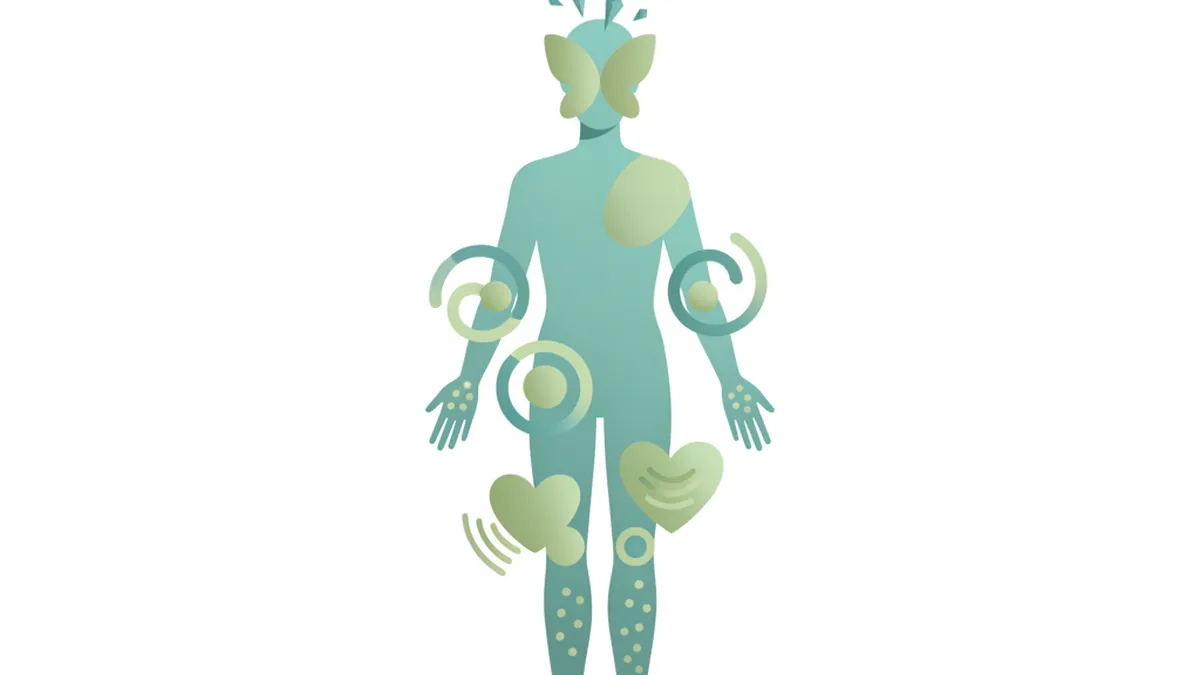
You wake up exhausted despite sleeping nine hours. Your joints ache, but the pain moves around — knees one day, wrists the next. A rash appears across your cheeks after gardening in the sun. Your doctor runs tests for arthritis. Then Lyme disease. Then fibromyalgia. Everything comes back negative or borderline.
This is the frustrating reality of systemic lupus erythematosus (SLE), an autoimmune disease so skilled at impersonation that the average person waits six years between first symptoms and accurate diagnosis. Lupus doesn't just affect one organ system. It can attack your skin, joints, kidneys, blood cells, brain, heart, and lungs — sometimes all at once, sometimes in rotating patterns that confuse even experienced clinicians.
The question isn't really "What does lupus look like?" It's "What doesn't it look like?"
Key Takeaways
- Lupus symptoms often mimic other conditions like rheumatoid arthritis, fibromyalgia, or chronic fatigue syndrome, causing significant diagnostic delays.
- The hallmark malar (butterfly) rash appears in only about half of lupus cases — many people never develop it.
- Fatigue that doesn't improve with rest, joint pain without visible swelling, and symptoms that worsen after sun exposure form a classic triad worth investigating.
- Early diagnosis matters because untreated lupus can cause permanent organ damage, particularly to the kidneys.
Why Does Lupus Happen?
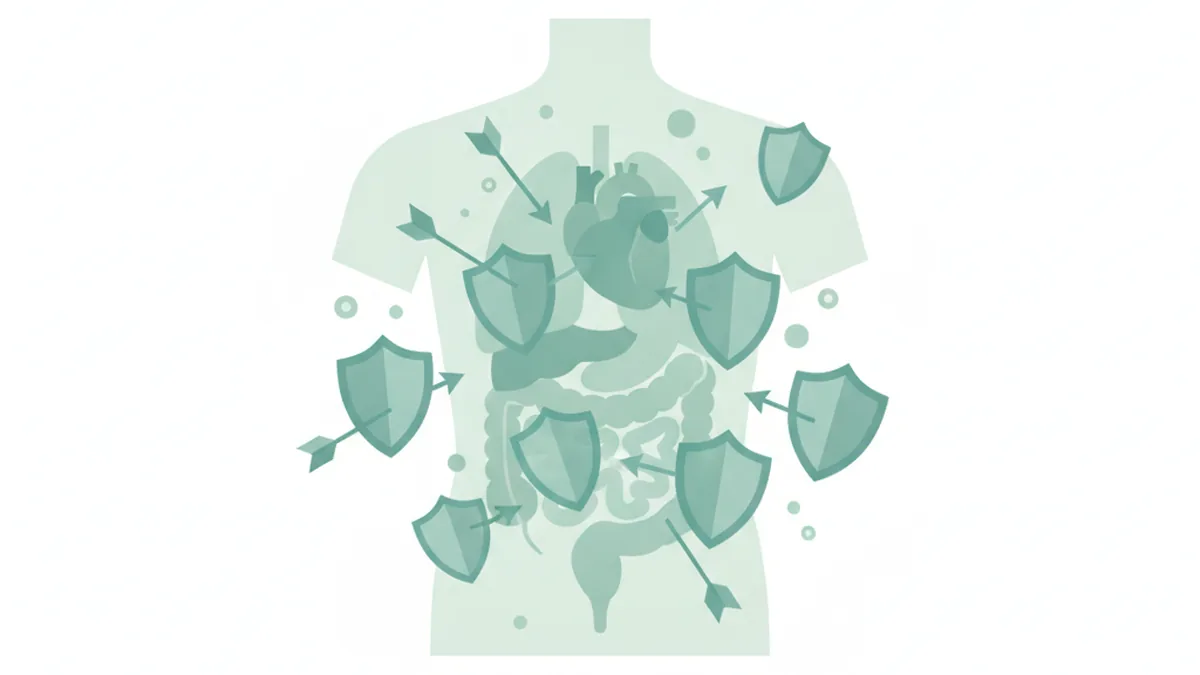
The short answer: your immune system mistakes your own tissues for foreign invaders and launches an attack.
In healthy people, the immune system produces antibodies to fight viruses and bacteria. In lupus, this system malfunctions and creates autoantibodies — antibodies that target your own cells. These rogue antibodies bind to healthy tissue, triggering inflammation throughout the body.
Researchers believe lupus develops from a combination of genetic susceptibility and environmental triggers. You might carry genes that make you vulnerable, but something has to activate them. Potential triggers include viral infections (particularly Epstein-Barr virus), ultraviolet light exposure, certain medications, and significant physical or emotional stress. Women develop lupus nine times more often than men, suggesting hormones play a role, though the exact mechanism remains unclear.
The disease tends to run in families, but not in predictable patterns. If you have lupus, your child has roughly a 5% chance of developing it — higher than the general population's 0.1% risk, but far from guaranteed.
Is This Actually Lupus?
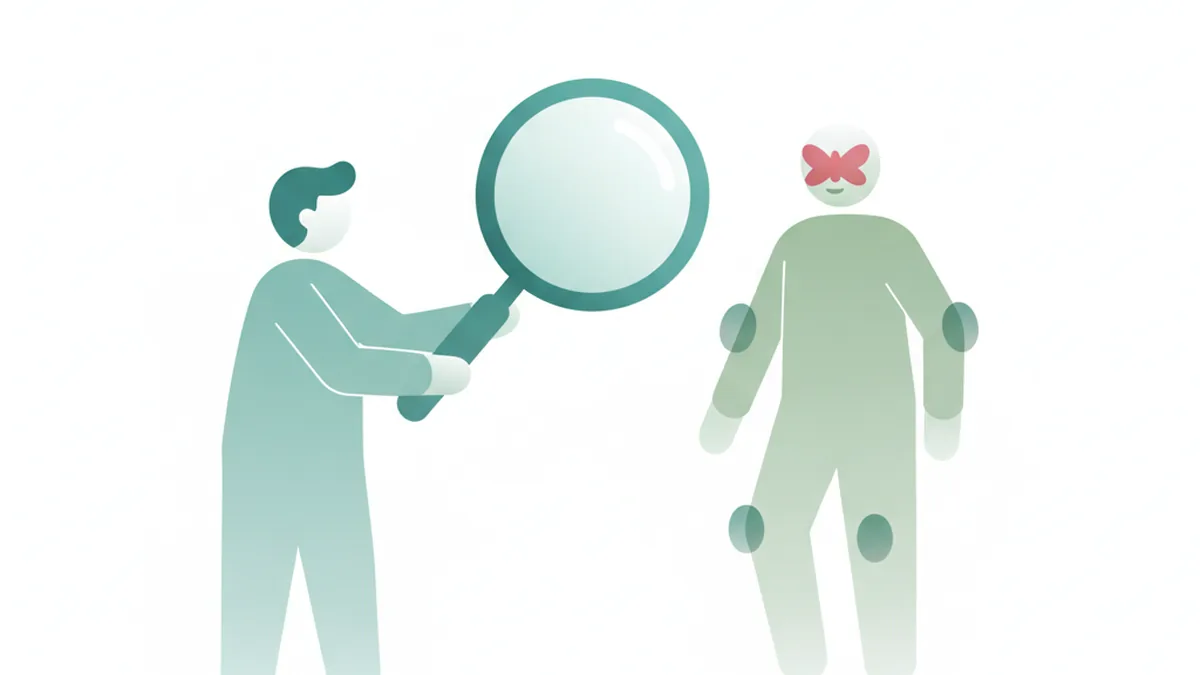
This is where lupus earns its reputation as "the great imitator." The symptoms overlap with so many other conditions that diagnosis becomes a process of elimination.
The fatigue question
Lupus fatigue isn't ordinary tiredness. People describe it as hitting a wall mid-day, even after adequate sleep. You might feel like you're walking through mud. Coffee doesn't touch it. Rest doesn't fix it. This happens because chronic inflammation consumes enormous energy, and many lupus patients also develop anemia, which compounds the exhaustion.
But here's the problem: chronic fatigue syndrome causes identical exhaustion. So does hypothyroidism, depression, vitamin D deficiency, and sleep apnea. Fatigue alone tells you almost nothing specific.
The joint pain puzzle
Lupus arthritis typically affects multiple joints symmetrically — both wrists, both knees. The pain often moves around, unlike rheumatoid arthritis, which tends to settle into specific joints and stay there. Morning stiffness lasting over an hour is common.
What sets lupus joint pain apart? It usually doesn't cause the visible deformity seen in rheumatoid arthritis. Your joints hurt and stiffen, but X-rays often look normal. Blood tests might show inflammation, but not always. You can have active lupus with completely normal inflammatory markers, which throws doctors off the trail.
The rash that isn't always there
The malar rash — that distinctive butterfly pattern across the cheeks and nose — appears in only 40-50% of lupus cases. When present, it's highly suggestive, especially if it appears or worsens after sun exposure. The rash is flat or slightly raised, not bumpy like acne, and it spares the folds around the nose (the nasolabial folds).
Other lupus rashes include discoid lesions (thick, scaly patches that can scar), photosensitive rashes on sun-exposed areas, and painless sores inside the mouth or nose. Some people develop livedo reticularis — a lacy, purplish mottling of the skin, especially on the legs.
But plenty of lupus patients never develop any rash. You can have severe organ involvement without a single skin change.
The less obvious signs
Lupus can cause symptoms that seem completely unrelated to each other:
Hair loss that happens gradually, with hair thinning all over rather than in patches. Cold fingers and toes that turn white or blue (Raynaud's phenomenon). Chest pain that worsens with deep breathing, caused by inflammation of the lung or heart lining. Seizures or psychiatric symptoms like severe depression or anxiety. Severe headaches that mimic migraines. Repeated miscarriages or blood clots at a young age.
Any one of these symptoms has dozens of other explanations. The diagnostic clue is having multiple seemingly unrelated symptoms that persist for months, especially when they come and go in flares.
What Actually Makes a Diagnosis?
There's no single test for lupus. Instead, doctors look for a constellation of findings.
The antinuclear antibody (ANA) test is usually the first step. If it's negative, lupus is unlikely but not impossible — about 5% of lupus patients test negative initially. If it's positive, that's interesting but not diagnostic. Roughly 10-15% of healthy people test positive for ANAs, especially women and older adults.
More specific antibody tests help narrow things down. Anti-double-stranded DNA (anti-dsDNA) and anti-Smith (anti-Sm) antibodies are highly specific for lupus, though only present in about half of patients. Complement levels (C3 and C4) often drop during active disease because these proteins get consumed in the inflammatory process.
Rheumatologists use classification criteria developed by the American College of Rheumatology. You need to meet a certain threshold of clinical symptoms (like the malar rash, oral ulcers, arthritis, kidney problems) combined with immunologic markers. But these criteria were designed for research studies, not necessarily for diagnosing individual patients in real-world settings. A good rheumatologist doesn't just check boxes — they synthesize the clinical picture.
Kidney involvement matters tremendously because it can progress to permanent damage without causing obvious symptoms. Many rheumatologists recommend a urine test at every visit to check for protein and blood cells, which signal inflammation. If kidney involvement is suspected, a biopsy might be needed to determine the type and severity.
What Should I Actually Do?

If you're experiencing persistent symptoms that could be lupus, the first step is documenting patterns. Keep a symptom diary for a few weeks. Note when fatigue is worst, whether joint pain moves around, if sunlight seems to trigger skin changes or worsen overall symptoms, and whether over-the-counter anti-inflammatories provide any relief.
This documentation serves two purposes. First, it helps you recognize patterns you might otherwise miss. Second, it gives your doctor concrete data instead of vague recollections.
Start with your primary care doctor. They can run initial blood work (complete blood count, basic metabolic panel, ANA, inflammatory markers) and rule out more common causes like thyroid disease, vitamin deficiencies, or infections. If those initial tests suggest autoimmune disease or if symptoms persist despite normal results, ask for a rheumatology referral.
Don't wait for textbook presentation. If you have unexplained fatigue plus any two of these — joint pain, sun-sensitive rash, persistent low-grade fevers, hair loss, Raynaud's phenomenon, recurring mouth sores, or chest pain with breathing — get evaluated. Early treatment prevents organ damage.
When to seek urgent care
Some lupus complications require immediate attention. Seek emergency care if you experience:
- Severe chest pain or shortness of breath (could indicate heart or lung inflammation, or blood clots)
- Sudden severe headache, confusion, or seizures
- Sudden vision changes or loss
- Coughing up blood
- Severe abdominal pain
- Fever above 101°F with no obvious source (you're at higher risk for serious infections)
Contact your rheumatologist within 24 hours for: - Significant increase in joint swelling or pain - New or rapidly worsening rash - Blood in urine or significant swelling of legs - Marked increase in fatigue that interferes with basic activities
Living With Diagnostic Uncertainty
Here's something doctors don't always acknowledge: sometimes the answer is "probably lupus, but we need to watch it." Autoimmune diseases exist on a spectrum. You might have undifferentiated connective tissue disease — features of lupus that don't yet meet full criteria. That doesn't mean your symptoms aren't real or don't need treatment.
The goal isn't forcing a diagnosis; it's preventing organ damage and improving quality of life. If you have inflammatory arthritis and positive antibodies but don't check every diagnostic box, treating the inflammation still makes sense.
Treatment usually starts conservatively. Hydroxychloroquine (Plaquenil) serves as a backbone therapy for many lupus patients — it reduces disease activity, prevents flares, and may protect organs even when you feel fine. For more severe symptoms, medications range from NSAIDs for joint pain to immunosuppressants like methotrexate or mycophenolate for organ involvement, to biologics that target specific parts of the immune system.
Sunscreen isn't optional — it's treatment. UV light triggers flares in most photosensitive patients. Use broad-spectrum SPF 50+ daily, even in winter, even on cloudy days. Wear sun-protective clothing and wide-brimmed hats. Some people find that fluorescent lights trigger symptoms too, though research on this is limited.
Rest matters, but so does measured activity. The fatigue creates a vicious cycle: you feel exhausted, so you rest more, which deconditions you, making even basic activities more tiring. Low-impact exercise like swimming or walking, built up gradually, often improves energy over time. Physical therapists who work with chronic disease patients can design realistic programs.
Frequently Asked Questions
Can you have lupus with a negative ANA test?
Yes, though it's uncommon. About 5% of people with lupus test negative for ANAs, at least initially. If clinical suspicion is high based on symptoms, doctors may repeat the test later or order more specific antibody panels. ANA tests can also be falsely negative if you're on certain immunosuppressive medications.
Does lupus always get worse over time?
No. Disease course varies dramatically. Some people experience mild symptoms controlled easily with hydroxychloroquine and never develop organ involvement. Others have aggressive disease requiring multiple medications. Most people have periods of flare and remission. With modern treatment, the 10-year survival rate exceeds 90%, a dramatic improvement from decades past when lupus was often fatal.
Is lupus hereditary?
Lupus has a genetic component but doesn't follow simple inheritance patterns. If you have lupus, each of your children has roughly a 5% chance of developing it — higher than the general population but far from certain. Identical twins share lupus only about 25% of the time, proving environment and chance also play major roles.
Can stress trigger lupus flares?
Research suggests significant stress can trigger or worsen flares, though the exact mechanism isn't clear. Stress hormones affect immune function, and chronic stress disrupts sleep and healthy behaviors, which compounds the problem. Managing stress through therapy, meditation, or other techniques might help reduce flare frequency, though it's not a substitute for medical treatment.
Why does lupus affect women so much more than men?
The 9:1 female-to-male ratio points to hormonal factors, but specifics remain unclear. Estrogen seems to enhance certain immune responses. The disease often worsens during pregnancy or with hormone replacement therapy. Interestingly, the gender gap is smaller in children and older adults, further suggesting sex hormones play a role. When men do develop lupus, they often have more severe kidney and cardiovascular involvement.
This article is for informational purposes only and isn't a substitute for medical advice. Talk to a qualified healthcare provider about your specific situation.
Sources & further reading
This article draws on guidance from recognized health authorities:
- CDC — Lupus Basics
- NIH — Systemic Lupus Erythematosus (StatPearls)
- MedlinePlus — Systemic Lupus Erythematosus


Comments
Post a Comment