Sjögren's Disease: When Your Immune System Attacks Your Moisture

When Claire noticed her eyes felt gritty every afternoon, she chalked it up to too much screen time. The dry mouth? Probably needed more water. Joint stiffness in the morning? Well, she'd just turned 52.
It took two years before a rheumatologist explained what was really happening: her immune system had been systematically attacking the glands that produce tears and saliva. Claire had Sjögren's disease, an autoimmune condition that roughly 4 million Americans live with — many without knowing it.
The insidious thing about Sjögren's is how easily its symptoms masquerade as ordinary aging or environmental irritants. Everyone deals with dry eyes occasionally. Most people wake up with a parched mouth now and then. But there's a crucial difference between temporary dryness and the relentless, progressive nature of this condition.
Sjögren's Disease vs. Regular Dryness: How They Actually Differ
The distinction isn't always obvious at first. Both conditions share surface symptoms. Both can worsen in dry climates or heated buildings. But look closer and the patterns diverge sharply.
Everyday dryness comes and goes. Your eyes feel scratchy after a long flight or a day staring at spreadsheets. Artificial tears help. You drink water, blink more, maybe adjust your screen height. Within hours or a day, things return to normal. The problem has an identifiable cause and a predictable resolution.
Sjögren's dryness is persistent and progressive. The grittiness doesn't fully resolve with eye drops — or if it does, only temporarily. You wake up with a mouth so dry your tongue sticks to your palate. Swallowing becomes genuinely difficult without liquid nearby. Over months, the dryness intensifies regardless of hydration, humidity, or how much you rest your eyes.
Here's what sets them apart in practice:
Duration and pattern: Temporary dryness might plague you for a few days or weeks tied to specific circumstances — allergy season, a new medication, winter heating. Sjögren's symptoms persist for months without clear environmental triggers. The dryness is there when you wake up, midday, before bed. It doesn't take vacations.
Response to simple interventions: Everyday dry eyes typically improve significantly with over-the-counter artificial tears and basic adjustments. Sjögren's-related dryness might see minimal relief from standard drops. Patients often describe needing thick gel formulations or prescription medications just to achieve modest comfort. For dry mouth, sipping water throughout the day helps anyone — but Sjögren's patients often report needing water constantly just to speak or swallow food.
Accompanying symptoms: This is where the picture becomes clearer. Regular dryness exists in isolation. Sjögren's brings companions: joint pain that mimics early rheumatoid arthritis, profound fatigue that rest doesn't fix, dental problems accelerating despite good hygiene, recurrent swollen salivary glands. Many patients develop dry skin, persistent dry cough, or vaginal dryness. These cluster together in ways that environmental dryness simply doesn't produce.
Objective clinical findings: An ophthalmologist examining someone with chronic screen-related dry eyes might find mild inflammation, but tear production tests typically fall within or near normal ranges. In Sjögren's, specialized tests like Schirmer's test (which measures tear production using absorbent strips) often show dramatically reduced output — sometimes less than 5mm of wetting in five minutes, compared to a normal 15mm or more. Dentists notice unusual patterns of decay concentrated at the gumline, where saliva normally protects enamel. These aren't subtle differences; they're measurable departures from typical dryness.
Systemic involvement: Here's perhaps the starkest contrast. Everyday dryness stays local to the eyes or mouth. Sjögren's is a systemic autoimmune disease. The same inflammatory process attacking moisture-producing glands can affect kidneys, lungs, blood vessels, and the nervous system. Roughly 30-40% of people with Sjögren's develop complications beyond the hallmark dryness. You don't see that with dehydration or too much air conditioning.
Research from patient registries consistently shows Sjögren's patients face elevated risks for conditions like non-Hodgkin lymphoma (though still uncommon in absolute terms), interstitial lung disease, and peripheral neuropathy causing numbness or pain in hands and feet. These systemic manifestations underscore that we're dealing with something fundamentally different from local irritation.
Primary Sjögren's vs. Secondary: The Two Presentations

Sjögren's doesn't follow a single playbook. It appears in two distinct forms, each with different implications for diagnosis and management.
Primary Sjögren's syndrome develops on its own, without other autoimmune diseases in the picture. The immune system targets moisture-producing glands as its primary assault. This form accounts for roughly half of all cases. Diagnosis often takes longer because there's no obvious autoimmune "red flag" like lupus or rheumatoid arthritis already on the chart.
People with primary Sjögren's typically notice the dryness symptoms first — often years before getting diagnosed. The condition develops gradually. Looking back, many patients realize they'd been adapting unconsciously: keeping water bottles everywhere, avoiding crackers and bread without liquid, blaming computer work for eye problems. The onset is so subtle that connecting the dots requires either persistent symptoms or a clinician specifically considering Sjögren's.
Blood tests for primary Sjögren's often (but not always) show characteristic antibodies. Anti-SSA (also called anti-Ro) and anti-SSB (anti-La) antibodies appear in 60-70% of cases. But their absence doesn't rule out the disease — diagnosis sometimes requires salivary gland biopsy showing the telltale pattern of lymphocytic infiltration.
Secondary Sjögren's syndrome emerges in people who already have another autoimmune condition — most commonly rheumatoid arthritis, lupus, or scleroderma. The immune dysfunction that drives the primary disease extends to include the moisture-producing glands. This accounts for the other half of cases.
Secondary Sjögren's often gets diagnosed faster because patients are already seeing rheumatologists who recognize the pattern. But there's a catch: the symptoms sometimes get misattributed to the primary disease or its treatments. Joint pain in someone with rheumatoid arthritis seems expected. Dry eyes could be blamed on methotrexate or other medications. Fatigue? That's just lupus being lupus. The Sjögren's component can hide in plain sight.
The management approach differs somewhat between forms. Primary Sjögren's treatment focuses intensely on managing the dryness and watching for systemic complications. Secondary Sjögren's requires balancing treatment for both conditions, sometimes navigating medication interactions or overlapping symptoms that complicate the clinical picture.
Which is more serious? Neither form is inherently "worse," but they carry different risk profiles. Primary Sjögren's patients appear to have a slightly higher risk of developing lymphoma — though we're talking about shifting from very rare to rare. Secondary Sjögren's patients face the combined risks of both their conditions, but their existing relationship with specialists often means closer monitoring.
The practical implication: if you have unexplained persistent dryness plus another autoimmune disease, Sjögren's should be on the differential diagnosis. If the dryness stands alone but won't quit despite reasonable interventions, primary Sjögren's deserves consideration.
What Actually Happens Inside the Body

The mechanism behind Sjögren's reveals why simple hydration or environmental changes don't solve the problem.
In a properly functioning immune system, white blood cells patrol the body looking for genuine threats: bacteria, viruses, damaged cells. In Sjögren's, these immune cells — particularly lymphocytes — get their wiring crossed. They identify the exocrine glands (which produce moisture) as foreign invaders requiring destruction.
These lymphocytes infiltrate the salivary and lacrimal (tear) glands, launching an inflammatory attack. Over time, the chronic inflammation damages and destroys the specialized cells responsible for producing saliva and tears. Imagine a factory where workers are gradually replaced by security guards who don't know how to operate the machinery. Production drops steadily.
The salivary glands, particularly those in the cheeks and under the tongue, become infiltrated with these immune cells. In severe cases, they can swell noticeably — patients sometimes report looking like they have swollen jaws. More often, the destruction happens quietly, with gland output declining month by month without external signs.
The tear glands undergo similar assault. The aqueous (watery) component of tears decreases, but so does the mucin layer that helps tears spread evenly and the lipid layer that prevents rapid evaporation. You end up with not just less tears, but lower-quality tears that don't protect the eye surface effectively. This is why Sjögren's patients often describe their eyes as simultaneously dry and watery — reflex tearing in response to irritation produces tears lacking the right composition to actually help.
We don't fully understand what triggers this immune malfunction. Genetic susceptibility plays a role; certain HLA gene variants appear more commonly in Sjögren's patients. Environmental triggers — possibly viral infections — might flip the switch in genetically vulnerable people. Some researchers investigate whether certain viruses that infect salivary glands (like Epstein-Barr virus) could confuse the immune system into sustained assault. But honest truth? The exact causative pathway remains unclear.
The condition shows strong gender bias, affecting women roughly nine times more often than men. This female predominance, shared with many autoimmune diseases, suggests hormonal factors influence susceptibility — though the precise mechanisms are still being worked out.
Recognizing the Condition Beyond Just Dryness
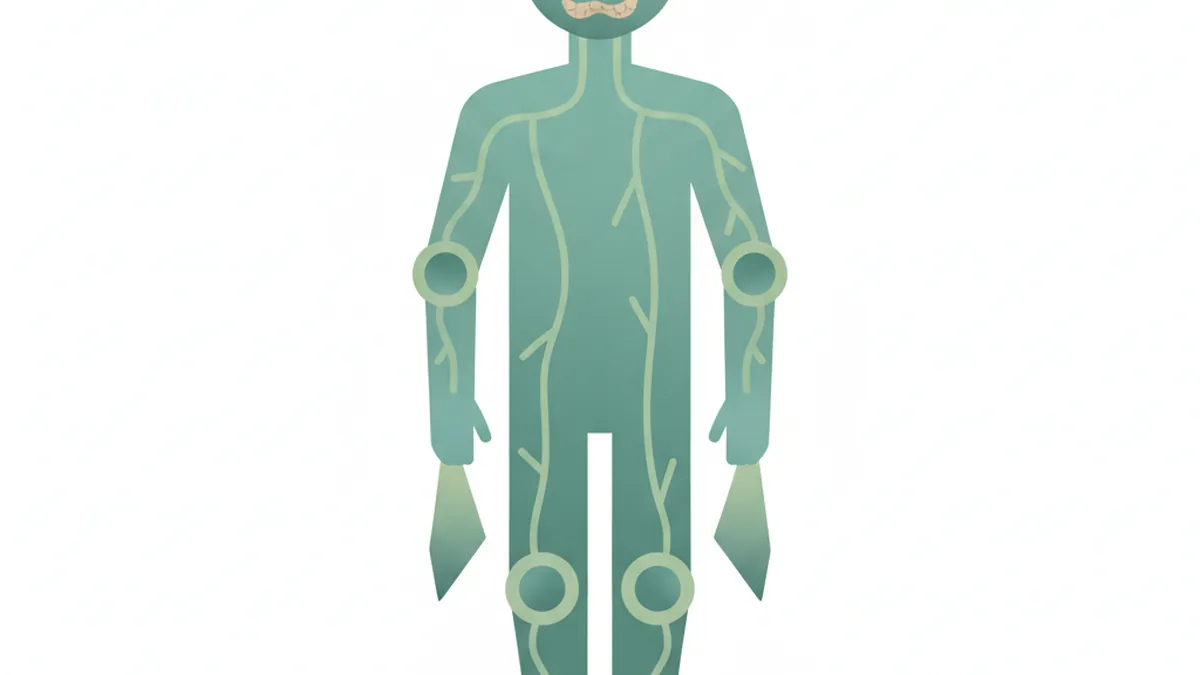
Dryness gets the headline billing, but Sjögren's brings a constellation of symptoms that significantly affect daily life.
Dental problems accelerate. Saliva doesn't just moisten; it neutralizes acid, delivers minerals to tooth enamel, and fights bacteria. Without adequate saliva, cavities develop faster and in unusual patterns. Tooth decay near the gumline becomes common. Yeast infections in the mouth (oral thrush) occur more frequently. Some patients describe their teeth crumbling despite religious brushing and flossing.
Swallowing and eating change. Dry mouth makes it difficult to form a food bolus and swallow it smoothly. Patients often need liquid with every bite, especially for dry foods like bread, crackers, or meat. Many report avoiding certain textures entirely. This isn't fussiness — it's physiology. The lack of lubrication creates genuine swallowing difficulty that can lead to weight loss or nutritional concerns if not addressed.
Fatigue becomes profound. We're not talking about needing an afternoon coffee. Sjögren's fatigue is the bone-deep exhaustion that doesn't improve with sleep. Patients describe it as one of their most debilitating symptoms, yet it's often dismissed or attributed to other causes. The mechanisms aren't perfectly understood but likely involve the chronic inflammatory state, sleep disruption from dryness, and possibly direct effects of immune system dysregulation on the brain.
Joint and muscle pain appear. Roughly half of people with primary Sjögren's develop arthritis-like symptoms — joint pain, stiffness, sometimes swelling. The pattern can mimic early rheumatoid arthritis, which makes sense given both are autoimmune conditions targeting connective tissue. Muscle pain and weakness occur in some patients, occasionally severe enough to warrant specific evaluation for inflammatory myopathy.
Skin becomes troublesome. Beyond general dryness, some patients develop skin rashes, particularly a sun-sensitive rash on sun-exposed areas. Raynaud's phenomenon — where fingers and toes turn white then blue then red in response to cold or stress — affects a significant minority of Sjögren's patients.
Other organ systems can get involved. The lungs may develop inflammation or scarring (interstitial lung disease). Kidneys can show specific types of dysfunction. Blood vessels may become inflamed (vasculitis). The nervous system sometimes develops peripheral neuropathy causing burning, numbness, or pain in extremities. These complications are less common but medically significant when they occur.
Cognitive symptoms trouble many patients. "Brain fog" — difficulty concentrating, memory problems, mental sluggishness — gets reported frequently. Whether this stems from the disease itself, the fatigue, or the chronic discomfort from dryness isn't entirely clear. But it's real and impacts work and daily functioning.
The emotional toll deserves mention too. Living with chronic dryness is genuinely distressing. Having eyes that constantly feel like sandpaper, needing water to swallow, dealing with accelerating dental problems despite good care — these wear on people. Add the fatigue and pain, and it's not surprising that depression and anxiety occur at higher rates in Sjögren's patients than the general population.
When to Move Beyond Home Remedies
Anyone can have a dry spell. But certain patterns demand professional evaluation.
Seek medical attention if:
You've had persistent dry eyes and dry mouth for more than three months that don't improve significantly with artificial tears and increased water intake. The three-month threshold matters because temporary environmental or situational dryness typically resolves well before that.
Your eyes feel gritty or sandy consistently throughout the day, most days, regardless of whether you've been staring at screens. The sensation wakes you at night or is there the moment you open your eyes in the morning.
You experience recurrent swelling of the salivary glands in your cheeks or under your jaw. This might manifest as periodic puffiness that comes and goes, often with tenderness.
You're developing dental cavities at an unusual rate despite maintaining good oral hygiene. Your dentist seems puzzled by the pattern or location of decay.
You have unexplained joint pain or stiffness, particularly in the mornings, combined with the dryness symptoms.
Profound fatigue has become your baseline state, unimproved by adequate sleep, and you're simultaneously dealing with persistent dryness.
You have another autoimmune condition (rheumatoid arthritis, lupus, scleroderma, thyroid disease) and new dryness symptoms have emerged.
Contact a healthcare provider immediately if:
You develop sudden vision changes or severe eye pain — this could indicate corneal damage from severe dryness.
You experience significant difficulty swallowing that worsens or causes choking.
You notice persistent numbness, tingling, or burning in your hands or feet.
You develop unexplained shortness of breath or persistent dry cough.
You see blood in your urine or have new swelling in your legs.
These more urgent symptoms might indicate complications affecting organs beyond the glands.
The typical diagnostic journey starts with a primary care physician or sometimes directly with a rheumatologist. The workup usually includes blood tests looking for characteristic antibodies (anti-SSA, anti-SSB, rheumatoid factor, antinuclear antibodies), tests measuring tear and saliva production, and possibly imaging of salivary glands or a minor salivary gland biopsy taken from inside the lip.
Getting diagnosed can be frustrating. The condition often presents subtly and develops slowly. Many patients see multiple doctors before someone connects the dots. Blood tests might be negative in early disease or even in established cases. But persistent symptoms warrant thorough investigation, even if initial testing doesn't show clear answers.
Treatment focuses on managing symptoms and preventing complications. For dryness, this ranges from over-the-counter artificial tears and mouth moisturizers to prescription medications like pilocarpine or cevimeline that stimulate remaining gland function. Punctal plugs — tiny devices inserted in tear ducts to retain tears — help many people with severe dry eyes. Aggressive dental care becomes critical.
For systemic involvement, treatment escalates to immune-modulating medications like hydroxychloroquine, methotrexate, or other drugs depending on which organs are affected. The approach is individualized based on symptom severity and complications.
Living well with Sjögren's involves more than medication. Environmental modifications matter: using humidifiers, avoiding smoke and dry air, taking frequent breaks from screen time. Dietary adjustments help — avoiding alcohol and caffeine (which reduce saliva production), choosing moist foods, using sugar-free gum or lozenges to stimulate saliva. Regular dental and eye care catch problems early.
The condition varies enormously in severity. Some people manage well with conservative measures and live relatively unaffected lives. Others face significant complications requiring aggressive treatment and ongoing specialist care. The unpredictability is part of what makes Sjögren's challenging — you can't always predict who will have a mild course versus who will develop systemic involvement.
Research continues into better treatments and potentially disease-modifying therapies that could slow or halt the immune attack rather than just managing symptoms. Clinical trials are investigating various targeted therapies. For now, though, management centers on symptom control and complication prevention.
The bottom line: if your dryness feels different from what everyone else seems to experience with aging or environment — if it's relentless, worsening, accompanied by other puzzling symptoms — trust that instinct. Sjögren's hides in plain sight precisely because its main symptoms seem so ordinary at first glance. The difference between living with undiagnosed Sjögren's and getting proper care can be substantial, not just for comfort but for preventing complications that become harder to manage once established.
This article is for informational purposes only and isn't a substitute for medical advice. Talk to a qualified healthcare provider about your specific situation.
Sources & further reading
This article draws on guidance from recognized health authorities:


Comments
Post a Comment