Recurrent UTIs: Why They Keep Coming Back and What Actually Prevents Them
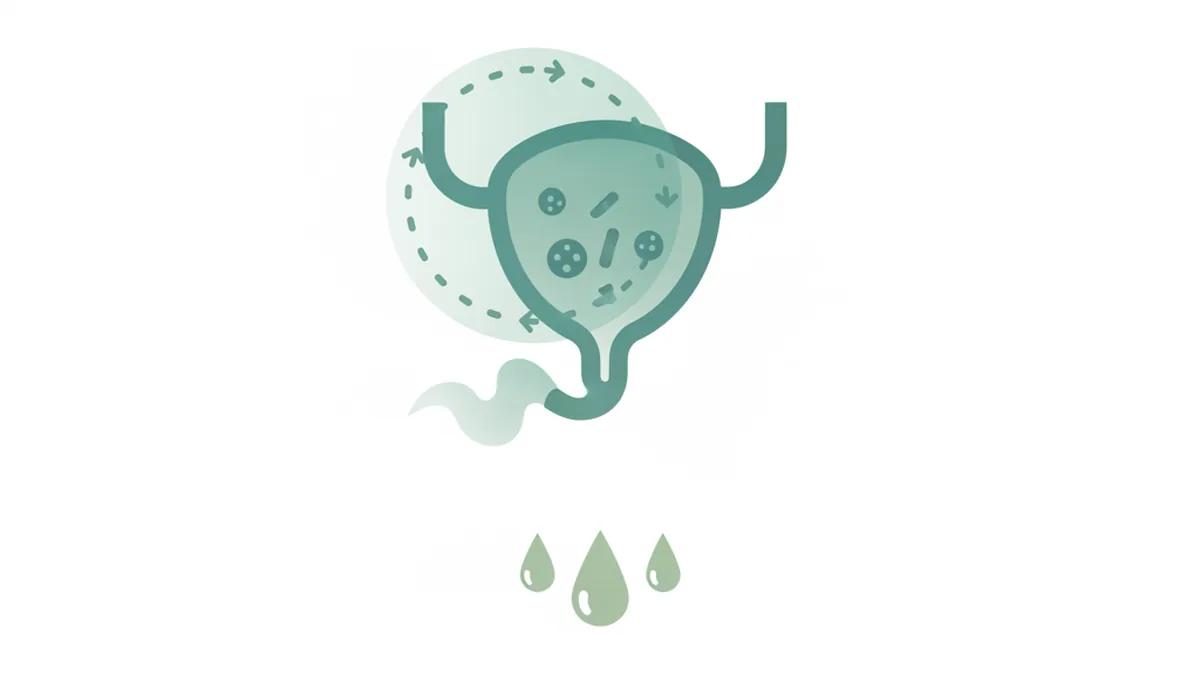
If you've had three or more urinary tract infections in a year, you're dealing with something medical literature calls "recurrent UTI." And if you're reading this, you probably don't need the definition—you need answers about why your body keeps doing this.
The frustration is real. You finish antibiotics, feel better for a few weeks or months, then that familiar burning sensation returns. Your doctor prescribes another round. The cycle continues. At some point, you start wondering if there's something fundamentally wrong, or if you're somehow causing this yourself.
Here's what's actually happening—and what research tells us about breaking the pattern.
Why does this keep happening to me?
The short answer: your urinary tract is getting repeatedly colonized by bacteria, usually E. coli, and your body's natural defenses aren't clearing them effectively between infections.
But that's like saying a door keeps opening because the latch doesn't work. The real question is why the latch doesn't work for you when it works fine for most people.
Anatomical reality plays a significant role. Women experience recurrent UTIs far more often than men simply because of plumbing. The female urethra is roughly four centimeters long; the male urethra is about twenty. Bacteria from the rectal area—where E. coli normally lives—have a much shorter journey. Sexual activity can physically push bacteria toward the urethral opening. Diaphragms and spermicides alter the vaginal environment in ways that make infections more likely.
After menopause, the picture changes again. Estrogen helps maintain the vaginal environment that supports protective Lactobacillus bacteria. When estrogen drops, so do the lactobacilli. The resulting pH shift allows E. coli to colonize more easily. According to gynecological research, about 10-15% of women over 60 experience recurrent UTIs, and the rate climbs with age.
But anatomy isn't destiny. Plenty of women never get UTIs despite identical anatomy. Something else tips the balance.
Research increasingly points to the bladder's protective coating. Your bladder lining produces a substance called glycosaminoglycan, which creates a barrier preventing bacteria from sticking to bladder cells. Some people appear to produce less of this coating, or theirs gets damaged more easily. Picture a nonstick pan that's losing its coating—food starts sticking in places it never did before.
There's also growing evidence that bacteria don't always fully leave between infections. Instead, they may form biofilms—protective communities of bacteria that antibiotics struggle to penetrate—or actually invade bladder cells and go dormant. When conditions become favorable again, they emerge and multiply. This might explain why some people develop a UTI days after finishing antibiotics, even though urine cultures came back clear.
Certain medical conditions stack the deck. Diabetes makes infections more likely and harder to clear. Kidney stones create hiding places where bacteria persist. Anything that prevents complete bladder emptying—whether that's an enlarged prostate, bladder prolapse, or neurological conditions affecting bladder control—lets bacteria linger and multiply instead of being flushed out.
Immunosuppression matters too. If you're on medications that dampen immune response, or if you have conditions that affect immune function, your body simply has fewer resources to fight off bacterial invaders.
The genetics piece is murkier but real. Some research suggests certain people have cell receptors that E. coli binds to more readily. If your mother or sister had recurrent UTIs, your risk is somewhat higher—though we're still figuring out exactly how much of that is genetic versus shared behavioral or environmental factors.
Is this serious, or just really annoying?

Both, actually.
The immediate infection itself usually isn't dangerous. UTIs confined to the bladder (cystitis) cause miserable symptoms—burning, urgency, pelvic pain, sometimes blood in the urine—but they typically don't threaten your overall health.
The concern is when infection travels upward to the kidneys. Pyelonephritis, or kidney infection, is a different beast entirely. You'll know something's wrong: high fever, back or flank pain, nausea, sometimes confusion. This requires urgent medical attention. Left untreated, kidney infections can lead to permanent kidney damage or sepsis, a life-threatening bloodstream infection.
Here's where recurrent UTIs create cumulative risk. Each infection is another opportunity for bacteria to ascend to the kidneys. And each round of antibiotics—while necessary to clear infection—further disrupts your microbiome and potentially breeds antibiotic-resistant bacteria.
That last point deserves emphasis. When you take antibiotics repeatedly, bacteria that happen to have resistance genes survive and multiply. Eventually you may develop infections that don't respond to first-line antibiotics like nitrofurantoin or trimethoprim-sulfamethoxazole. Doctors then reach for stronger antibiotics, which come with more side effects and create more resistance pressure. I've seen patients who've cycled through six or seven different antibiotics, each one working less well than the last.
There's also simply the quality of life impact. Recurrent UTIs disrupt sleep, work, sex, travel—basically everything. The constant low-level anxiety about when the next infection will hit takes a psychological toll. Some people start restricting fluid intake (counterproductive) or avoiding intimacy (understandable but sad).
So while a single UTI is usually just an inconvenience, the pattern of recurrent infections creates genuine medical concerns.
What should I actually do about this?
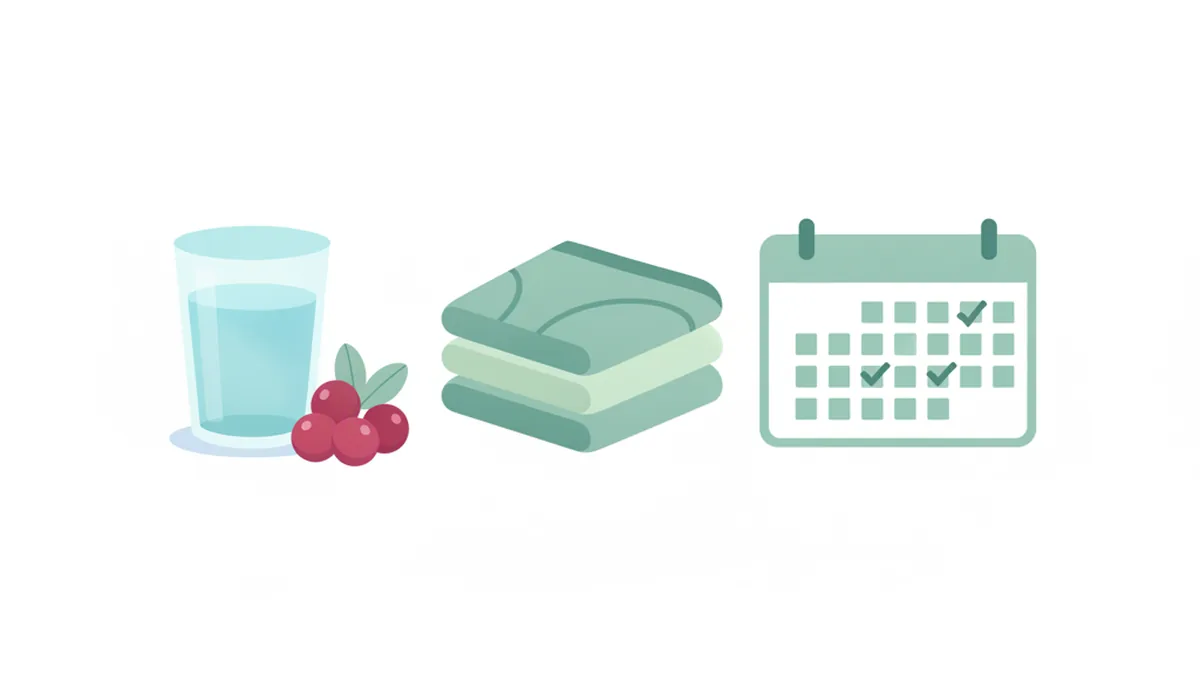
Let's separate what genuinely helps from well-meaning advice that doesn't.
First, the basics that actually matter:
Urinate after sex. This one has solid physiological logic and observational evidence backing it. Sexual activity introduces bacteria near the urethra; urinating shortly after flushes them out before they establish infection. Simple, free, effective for many people.
Complete bladder emptying matters more than most people realize. Don't hover over public toilets—that tense muscle position prevents full emptying. Take your time. If you frequently feel like you haven't completely emptied, mention this to your doctor. Sometimes simple pelvic floor exercises help; other times there's an anatomical issue worth investigating.
Wiping front to back isn't just fussy advice. It genuinely reduces bacterial transfer from the rectal area. Worth mentioning because not everyone learns this.
Stay adequately hydrated. Not because "flushing your system" is magic, but because concentrated urine sitting in your bladder creates a better bacterial growth medium than dilute urine that gets eliminated regularly. You don't need to force fluids obsessively—just don't habitually ignore thirst.
Now the interventions with actual research support:
Vaginal estrogen for postmenopausal women consistently shows benefit. A small amount of topical estrogen—we're talking a cream, tablet, or ring applied vaginally—helps restore the protective vaginal environment without the systemic risks of oral hormone therapy. Multiple studies, including work reviewed by the American College of Obstetricians and Gynecologists, support this for reducing recurrent UTIs in postmenopausal women. Worth discussing with your gynecologist.
Prophylactic antibiotics work but come with trade-offs. Taking a low dose of antibiotic daily, or just after sexual activity, dramatically reduces infection frequency. This is sometimes appropriate—particularly if you're getting UTIs so frequently that you'd be taking antibiotics often anyway. But it accelerates antibiotic resistance, disrupts your microbiome, and sometimes just delays infections rather than preventing them. Generally considered a option when other approaches have failed.
D-mannose shows promise in some research. This is a sugar that bacteria apparently bind to preferentially, potentially preventing them from sticking to bladder walls. A few European studies have found it reduced recurrent UTIs comparably to low-dose antibiotics, though research is still limited. The side effect profile is minimal, so some clinicians suggest trying it for a few months. Available as a supplement; typical dose is about 2 grams daily.
Cranberry products are... complicated. The theory is sound—cranberries contain proanthocyanidins that may prevent bacterial adhesion. But the research is inconsistent. Some studies show modest benefit; others show none. The issue is dosage and formulation. Most cranberry juice is too dilute and too sugary to help. Concentrated cranberry extract supplements might work for some people, but we genuinely don't have great data proving it. Not harmful to try, but don't expect miracles.
Probiotics remain promising but unproven. The idea of restoring protective bacteria makes biological sense. Some small studies have shown benefit from Lactobacillus supplements, particularly vaginal suppositories. But larger trials haven't consistently confirmed benefit. Worth knowing about; worth trying; not yet solidly evidence-based.
The diagnostic work that matters:
If you're getting recurrent UTIs, you and your doctor should figure out why, not just keep treating them. This means:
Actually culturing the urine during symptomatic infections, not just doing dipstick tests. You need to know exactly which bacteria you're dealing with and which antibiotics they're sensitive to.
Considering imaging if infections continue despite appropriate treatment. An ultrasound can reveal kidney stones, structural abnormalities, or bladder issues. Sometimes a cystoscopy—looking inside the bladder with a small camera—reveals interstitial cystitis or other problems masquerading as recurrent infection.
Testing for diabetes if not done recently. Elevated blood sugar makes you more prone to all infections, including UTIs.
Reviewing medications and conditions that might contribute. If you're on immunosuppressants, or have conditions affecting bladder function, addressing those might reduce infection frequency.
What about prevention strategies you've probably heard?
Wearing cotton underwear and avoiding tight pants probably doesn't hurt, but evidence that it prevents UTIs is thin. Same with avoiding baths or particular soaps. These might matter for some individuals with specific sensitivities, but they're not universal game-changers.
Vitamin C to acidify urine shows mixed evidence. Some people swear by it; controlled studies are underwhelming.
The bigger picture: if basic hygiene measures and hydration aren't preventing your recurrent UTIs, you need a medical workup, not just more lifestyle tweaks.
When do I need to push for more investigation?
If you're experiencing three or more UTIs in a year despite reasonable prevention efforts, that warrants investigation beyond just repeated antibiotic prescriptions.
Push for answers if:
- Infections return within weeks of finishing antibiotics
- You're cycling through multiple antibiotics with infections returning anyway
- You develop symptoms of kidney infection (fever, back pain, severe illness)
- You see blood in your urine outside of active infection
- You have new urinary symptoms that don't quite fit the UTI pattern (constant urgency with negative cultures might be interstitial cystitis)
- Prevention strategies that should work aren't working
You deserve a clinician who takes recurrent UTIs seriously. This isn't just bad luck or poor hygiene—it's a medical pattern that often has identifiable causes and targeted solutions.
Some specialists worth considering: urologists for structural issues or complex cases, urogynecologists for women with pelvic floor problems, infectious disease specialists if you're dealing with resistant bacteria.
Emergency signs—seek immediate care:
High fever (over 101°F/38.3°C) with urinary symptoms suggests kidney infection. Don't wait on this one. Back or flank pain with fever, shaking chills, confusion, or nausea alongside urinary symptoms also means you need urgent evaluation. Kidney infections can progress to sepsis, and that's genuinely dangerous.
Recurrent UTIs aren't a personal failing. They're a medical problem with multiple potential causes and various evidence-based solutions. The goal isn't just ending the current infection—it's breaking the cycle. That often takes some investigative work, possibly some trial and error with prevention strategies, and a healthcare provider willing to dig deeper than just prescribing another course of antibiotics.
You're not being dramatic about wanting this solved. Quality research and clinical experience both say that with proper evaluation, most people with recurrent UTIs can significantly reduce infection frequency. It just takes the right approach for your specific situation.
This article is for informational purposes only and isn't a substitute for medical advice. Talk to a qualified healthcare provider about your specific situation.
Sources & further reading
This article draws on guidance from recognized health authorities:
- MedlinePlus — Urinary Tract Infections
- NIH NIDDK — Bladder Infection (UTI) in Adults
- NHS — Urinary tract infections (UTIs)


Comments
Post a Comment