Loneliness Raises Heart Disease Risk as Much as Smoking
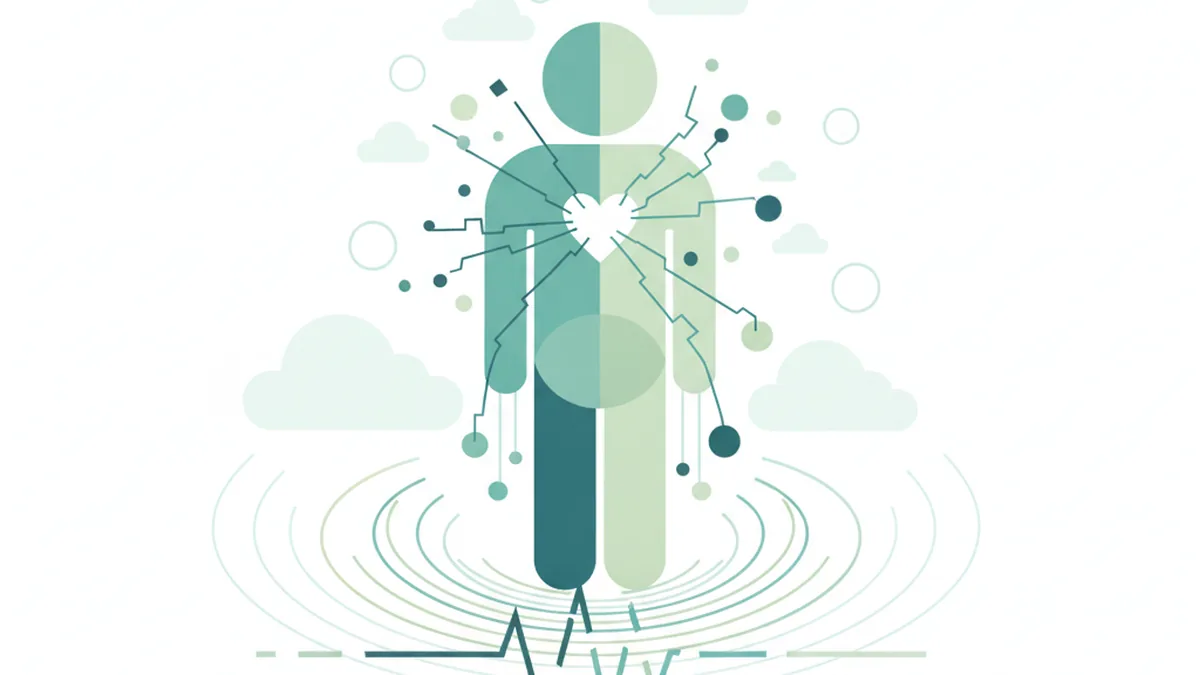
Your annual physical comes back clean — cholesterol fine, blood pressure normal, weight stable. But your doctor never asks about the Thursday nights you spend alone, or how many real conversations you've had this month. Turns out, that omission might matter more than anyone realized.
Growing evidence suggests chronic loneliness doesn't just feel bad — it measurably damages your cardiovascular system. We're not talking about occasional solitude or the quiet satisfaction of an evening to yourself. We're talking about the persistent sense of social disconnection that's become alarmingly common, particularly in the past few years.
Key Takeaways
- Chronic loneliness increases heart disease and stroke risk by roughly 30%, comparable to smoking's cardiovascular impact.
- Social isolation triggers persistent inflammation and stress hormone elevation that directly damages blood vessels.
- The health risk comes from feeling lonely, not from living alone — married people can be lonely, and solo dwellers can be well-connected.
- Building even two or three meaningful connections appears protective; quality matters far more than quantity.
Why does loneliness hurt your heart?
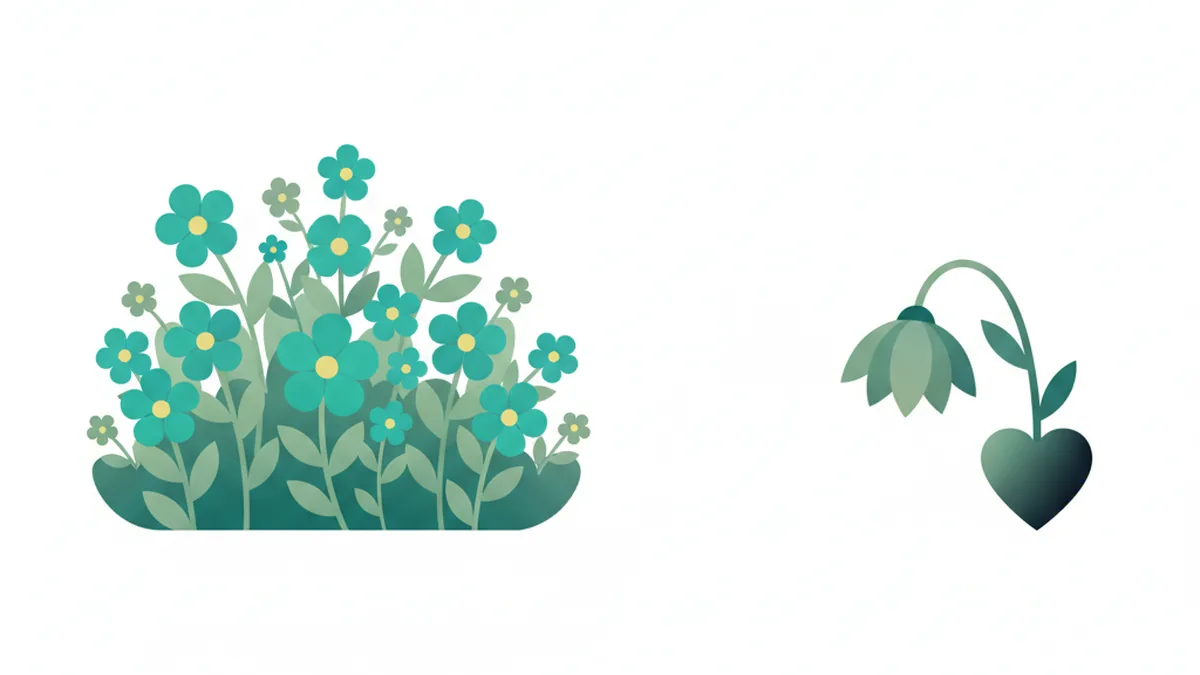
The mechanism isn't mysterious once you understand how your body interprets social threats.
Your cardiovascular system evolved in small social groups where isolation meant genuine danger. Being cut off from the tribe could get you killed. So your body treats chronic loneliness as an ongoing emergency — one that never resolves.
That persistent activation shows up in measurable ways. People reporting high loneliness consistently show elevated cortisol, the primary stress hormone. Not the brief spike you'd get from a tense meeting, but sustained elevation throughout the day. Over months and years, that excess cortisol stiffens arteries, raises blood pressure, and promotes the kind of inflammation that makes plaque more likely to rupture.
The immune response shifts too. Research from multiple institutions has found that lonelier individuals show higher levels of inflammatory markers — particularly C-reactive protein and interleukin-6. These aren't abstract lab values. Chronic inflammation actively damages the endothelial lining of blood vessels, the same process that sets the stage for atherosclerosis.
There's a behavioral component as well, though it's probably smaller than most people assume. Yes, lonely people may exercise less, sleep worse, and lean harder on alcohol or cigarettes. But even when researchers control for those factors statistically, a substantial cardiovascular risk remains. The physiological stress response itself appears to do independent damage.
Here's what surprised researchers: the effect doesn't require complete isolation. You can be surrounded by people and still register the physiological harm of loneliness if those connections feel superficial or unsupportive. Your nervous system responds to perceived isolation, not your actual social calendar.
Is this as serious as other heart disease risks?
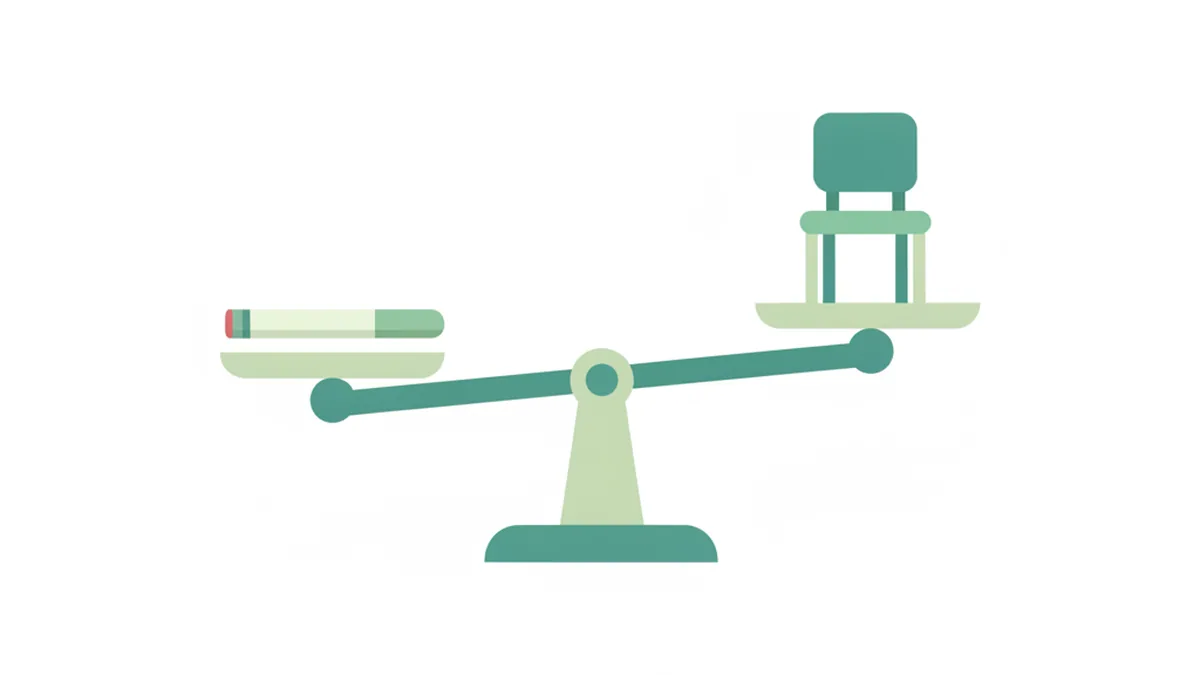
Short answer: yes, and doctors are finally starting to treat it that way.
A 2023 advisory from the U.S. Surgeon General characterized loneliness and social isolation as a public health crisis, noting that the mortality impact rivals smoking up to 15 cigarettes daily. That's not rhetorical exaggeration — the meta-analyses back it up.
When researchers pool data across multiple studies, chronic loneliness consistently associates with a 29-32% increased risk of coronary heart disease and stroke. For context, that's in the same neighborhood as physical inactivity or obesity, both of which get far more attention in preventive cardiology.
The risk appears cumulative. Being lonely for a few months during a major life transition — a move, a divorce, retirement — probably doesn't cause lasting damage. But years of persistent disconnection? That's where the cardiovascular system shows wear.
Age amplifies the danger. Older adults face higher baseline cardiovascular risk anyway, and loneliness compounds it. One large study tracking adults over 50 found that those with minimal social contact had more than twice the rate of fatal heart attacks over a seven-year period compared to well-connected peers, even after accounting for traditional risk factors.
Gender differences exist but aren't straightforward. Some research suggests lonely men face higher cardiac event rates, possibly because they're less likely to maintain non-romantic friendships as they age. Women report loneliness more frequently but may have better coping strategies or more diverse social networks that provide some buffer.
The encouraging part: this risk is modifiable. Unlike your genetic predisposition to high cholesterol, social connection is something you can actually change. Worth discussing with your doctor? Absolutely. Especially if you've got other cardiac risk factors stacking up.
What counts as "lonely" in a medical sense?
This matters because self-assessment can be tricky.
Medical researchers typically measure loneliness through validated scales like the UCLA Loneliness Scale, which asks questions like "How often do you feel left out?" and "How often do you feel isolated from others?" The scoring gives a numerical value, but the core concept is simpler: persistent discrepancy between the social connection you want and what you actually have.
Living alone doesn't automatically mean you're lonely. Plenty of solo dwellers maintain rich social lives — regular meetups with friends, close family bonds, meaningful community involvement. Their cardiovascular risk doesn't necessarily elevate.
Conversely, you can be married, work in a busy office, and still feel profoundly lonely. If those relationships lack emotional depth or genuine reciprocity, your nervous system still registers disconnection. The spouse who's physically present but emotionally checked out doesn't buffer stress the way a genuinely supportive partnership does.
Quality trumps quantity in ways that can seem paradoxical. Having one or two people you can call at 2 AM appears more protective than having 50 casual acquaintances. The cardiovascular benefit seems to come from relationships where you feel known — where someone would notice if you disappeared, where you can be honest about struggles.
Red flags that you might be experiencing health-relevant loneliness:
You regularly go days without meaningful conversation. Small talk with the barista doesn't count — we're talking about exchanges where you share something real.
You don't have anyone to call with good news. If you got exciting news today, who would you tell? If the answer is "no one" or "I'd just post it online," that's worth examining.
You feel disconnected even around others. This one's subtle. You're at the party, the family gathering, the team meeting — but you feel like you're watching through glass.
What should I actually do about this?
Here's where most advice gets uselessly vague. "Connect more" isn't helpful if you're not sure how.
Start with an honest audit. Not how many people you could call, but who you've had a real conversation with in the past two weeks. Who knows what's actually happening in your life? If that number is zero or one, you've identified the problem.
The fix doesn't require becoming extroverted or hosting dinner parties. It requires intentionality about a small number of connections.
Reach out to one specific person this week. Not "I should reconnect with old friends someday." Send one message to one actual person: "Been thinking about you — coffee sometime?" Half of friendship is just showing up repeatedly. The other half is being willing to go first.
Choose consistency over breadth. Joining five different meetup groups sounds ambitious but usually fails. Showing up to the same one thing every week — a volunteer shift, a hobby class, a walking group — lets familiarity build. Weak ties turn into real ones through repeated, low-pressure contact.
Get comfortable with small vulnerability. Surface chitchat doesn't relieve loneliness. You don't have to trauma-dump, but try sharing something one level deeper than usual. Mention you've been stressed about work, or that you're figuring out a health thing, or that you miss your old neighborhood. Vulnerability creates reciprocity — people tend to match the depth you offer.
Seek structured connection if unstructured feels too hard. Some people find it easier to bond through shared activity than face-to-face conversation. Team sports, book clubs, volunteer organizations, faith communities, or hobby groups provide built-in reasons to interact. The connection becomes a byproduct instead of the awkward main goal.
Consider therapy specifically for this. If loneliness has lasted years, or if social anxiety makes connection feel impossible, a therapist can help address the underlying barriers. Cognitive-behavioral approaches have decent evidence for treating chronic loneliness — helping you identify the thought patterns that keep you isolated.
Be patient but persistent. Friendships don't form in one coffee date. Most require 50+ hours of interaction before people report feeling "close." That means months of showing up. The cardiovascular benefit accrues over time too — you're not looking for an instant fix but a gradual shift in your baseline stress load.
If you've got existing heart disease or multiple risk factors, treat loneliness like you would high blood pressure. It's not a character flaw or a personal failing. It's a measurable risk that deserves active management.
When loneliness persists despite genuine effort to connect, or when it's accompanied by depression symptoms (persistent hopelessness, lost interest in things you used to enjoy, significant sleep or appetite changes), see a healthcare provider. Sometimes what feels like simple isolation is actually clinical depression, which needs its own treatment.
Can digital connection help or hurt?
This is where the research gets genuinely complicated.
Online interaction isn't automatically inferior. People maintain real friendships through text, video calls, and online communities. If those connections feel reciprocal and supportive, they probably confer some health benefit. The key test: does the interaction leave you feeling more or less lonely afterward?
But passive consumption — scrolling through others' curated lives on social media — appears actively harmful. Multiple studies have found that heavy social media use correlates with increased loneliness, particularly when it substitutes for in-person contact. The comparison trap (everyone else looks happier/more successful/more connected) amplifies feelings of isolation.
The distinction seems to be active versus passive, reciprocal versus broadcast. A long voice message exchange with a friend who lives across the country? Probably helpful. Watching Instagram stories from people you barely know? Probably not.
Video calls occupy interesting middle ground. They're clearly better than nothing for maintaining long-distance relationships, and they became lifelines during pandemic lockdowns. But research suggests they're not fully equivalent to in-person contact for stress buffering. Something about physical presence — possibly pheromones, possibly synchronization of body language, possibly just primate evolutionary history — provides benefits that screens can't quite replicate.
Use digital tools strategically. They can initiate connection (messaging someone to set up an actual meetup), maintain ties across distance (regular video calls with family), or facilitate finding in-person community (using apps to find local hobby groups). Where they fall short is as a complete replacement for physical proximity.
Frequently Asked Questions
How quickly does loneliness start affecting heart health?
We don't have a precise timeline, but the evidence suggests months to years rather than weeks. Short-term isolation — recovering from surgery alone, spending a semester abroad — probably doesn't cause measurable cardiovascular damage. The risk accumulates with chronic, unrelieved loneliness lasting a year or longer. That said, if you're already at high cardiac risk, even shorter periods of severe isolation might matter. Better to address it early than wait for proof of harm.
Can you be too introverted to have healthy social connection?
Not at all. Introversion is about how you recharge (alone versus with others), not about your capacity for meaningful relationship. Introverts still need close connections — they just typically prefer a few deep friendships over large social circles. That actually aligns well with what the research shows: two or three quality relationships appear more protective than dozens of superficial ones. The health risk comes from unwanted isolation, not from preferring smaller social circles.
Does having a pet help with loneliness-related health risks?
The data is mixed but cautiously optimistic. Pet owners do show some cardiovascular benefits — dog owners in particular tend to have lower blood pressure and get more exercise. But pets don't fully substitute for human connection in terms of stress buffering. They can provide companionship and routine, which helps, but they can't offer the reciprocal emotional support that seems most protective. Think of pets as complementary, not sufficient on their own, especially if you're already quite isolated from people.
If I'm lonely but don't feel stressed, am I still at risk?
Possibly yes. Your subjective experience doesn't always match what's happening physiologically. Some people develop a kind of loneliness numbness — they've adapted to isolation and don't consciously register distress. But research shows elevated inflammatory markers and stress hormones even in people who've "gotten used to" being alone. If you meet the objective criteria for isolation (minimal meaningful social contact, no close confidants), the cardiovascular risk likely exists regardless of whether you feel acutely bothered by it.
Is loneliness more dangerous than I should handle on my own?
If loneliness is accompanied by thoughts of self-harm, inability to function at work, severe depression, or complete social withdrawal lasting months, contact a healthcare provider or mental health professional immediately. Those signs suggest you need professional support, not just self-help strategies. For garden-variety loneliness — you wish you had more connection but you're still managing daily life — starting with the practical steps outlined above makes sense. But if several weeks of genuine effort produce no improvement, or if the emotional weight feels unmanageable, reaching out to a therapist is entirely appropriate. Loneliness sits on a spectrum, and the severe end absolutely warrants clinical intervention.
This article is for informational purposes only and isn't a substitute for medical advice. Talk to a qualified healthcare provider about your specific situation.
Sources & further reading
This article draws on guidance from recognized health authorities:
- CDC — Health Effects of Social Isolation and Loneliness
- American Heart Association — Social Isolation, Loneliness Can Damage Heart and Brain Health
- Cleveland Clinic — How Loneliness Can Impact Your Health


Comments
Post a Comment