Cholesterol Numbers, Explained Without the Jargon

I get it. You just got your lab results back, and there's a bunch of numbers with initials you vaguely recognize from TV commercials. Your doctor circled something in red, mentioned statins, and now you're supposed to "watch your cholesterol." But what does that actually mean?
Let's break this down in plain English.
Why does cholesterol matter at all?
Here's the thing about cholesterol: it's not actually the villain everyone makes it out to be. Your body needs cholesterol. It builds cell membranes, produces hormones like estrogen and testosterone, helps you digest fats, and even contributes to vitamin D production. You'd literally die without it.
The problem isn't cholesterol itself—it's when you have too much of certain types in your bloodstream. Think of it like traffic. A few cars on the road? No problem. But when traffic builds up, eventually someone's getting into an accident.
When cholesterol accumulates in your arteries, it forms plaques—fatty deposits that narrow the passageways where blood flows. Over time, these plaques harden and restrict blood flow to your heart and brain. That's how you end up with a heart attack or stroke. According to the CDC, cardiovascular disease remains the leading cause of death in the United States, and cholesterol plays a major role in that story.
But here's what surprised me when I started digging into the research: not all cholesterol behaves the same way. Some types actually protect your arteries while others clog them up. That's where those initials on your lab report come in.
What's the difference between LDL and HDL?
Right. The alphabet soup.
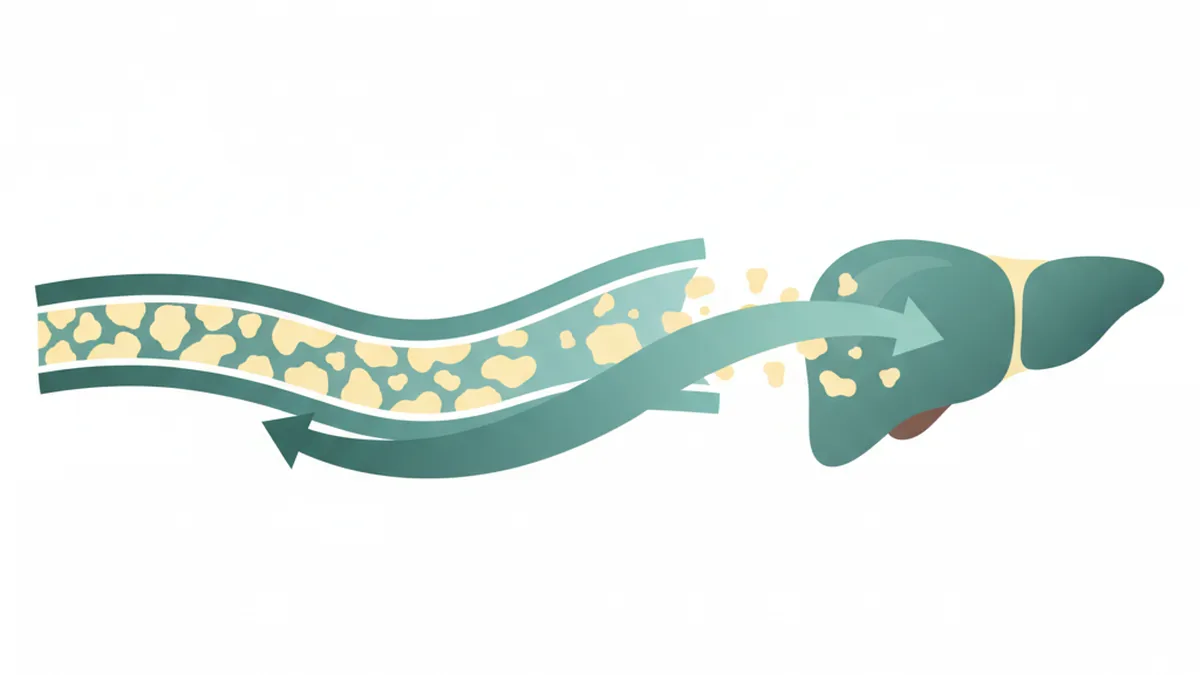
LDL stands for low-density lipoprotein. You've probably heard it called "bad cholesterol," and that's not wrong, but it's not the full picture either. LDL particles carry cholesterol from your liver to cells throughout your body. Perfectly normal job. The problem happens when there's too much LDL floating around—it starts depositing cholesterol into artery walls, building those dangerous plaques.
Think of LDL as delivery trucks dropping off packages (cholesterol) wherever they go. If you have way too many trucks making deliveries in a neighborhood that doesn't need them, packages pile up on the sidewalks. That's essentially what happens in your arteries.
HDL is high-density lipoprotein—the "good cholesterol." These particles do the opposite: they patrol your bloodstream, picking up excess cholesterol and hauling it back to your liver for disposal. HDL acts like the cleanup crew. More HDL generally means better protection against heart disease.
So when you look at your cholesterol panel, you want your LDL low and your HDL high. That's the basic framework.
But wait—there's more.
What about triglycerides and "total cholesterol"?
Your lab report probably shows four main numbers:
Total cholesterol is exactly what it sounds like—the sum of all cholesterol in your blood. It's a starting point, but pretty crude. Two people can have identical total cholesterol levels with wildly different cardiovascular risk depending on how that total breaks down between LDL and HDL.
Triglycerides aren't technically cholesterol, but they show up on the same panel because they matter for heart health. Triglycerides are the form your body uses to store excess calories. Eat more than you burn? Your liver converts those calories into triglycerides and ships them out in your bloodstream.
High triglycerides often travel with low HDL and contribute to arterial plaque formation. They're especially sensitive to diet—cut back on sugar and refined carbs, and your triglycerides often drop dramatically within weeks.
Research consistently links elevated triglycerides with increased cardiac risk, particularly when combined with other metabolic issues like insulin resistance or abdominal obesity. Your body's basically telling you it's got more fuel in the tank than it knows what to do with.
What numbers should I be aiming for?
Here's where things get a bit individualized, but general targets exist.
For most adults, the American Heart Association suggests:
- Total cholesterol: Under 200 mg/dL
- LDL: Under 100 mg/dL (though some guidelines push for under 70 if you've already had cardiovascular problems)
- HDL: Above 40 mg/dL for men, above 50 for women (higher is better—60+ is considered protective)
- Triglycerides: Under 150 mg/dL
But—and this matters—these aren't one-size-fits-all targets. Your doctor should consider your entire risk profile: age, family history, smoking status, blood pressure, diabetes, previous heart events. Someone who's already had a heart attack needs more aggressive LDL targets than someone with no other risk factors.
The ratio of total cholesterol to HDL also matters. Some clinicians pay more attention to this ratio than individual numbers. A total cholesterol of 200 with an HDL of 60 gives you a ratio of 3.3:1, which is pretty good. Same total cholesterol with an HDL of 35 gives you 5.7:1—significantly worse.
Why is my cholesterol high in the first place?
Good question. Several factors contribute.
Genetics plays a huge role. Some people inherit genes that tell their liver to overproduce cholesterol or inefficiently clear LDL from the bloodstream. Familial hypercholesterolemia is an inherited condition affecting roughly one in 250 people, and it can push LDL levels dangerously high even in young, otherwise healthy individuals. If your cholesterol's sky-high and you're not eating sticks of butter for breakfast, genetics might be the culprit.
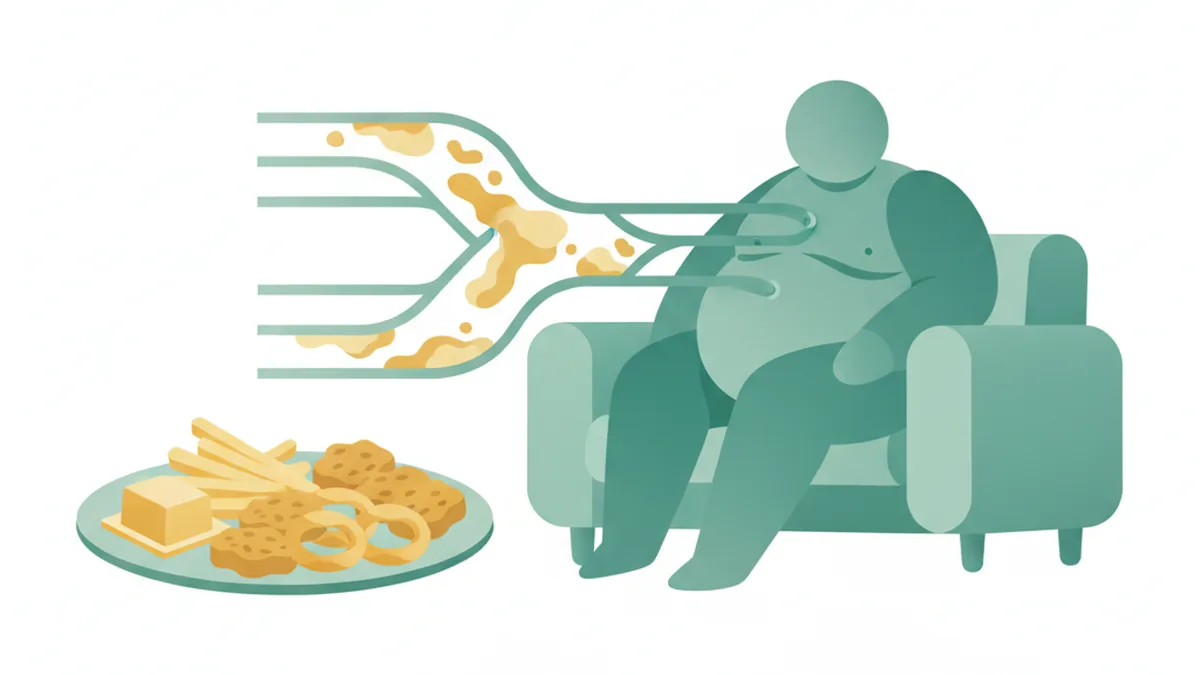
Diet matters, but probably not how you think. Yes, eating foods high in saturated fat and trans fat raises LDL. But for most people, dietary cholesterol itself (like eggs) has a relatively modest effect on blood cholesterol. Your liver produces the majority of your cholesterol regardless of what you eat. Still, a diet heavy in red meat, full-fat dairy, and processed foods tends to push LDL upward over time.
Weight and exercise both influence cholesterol. Carrying excess weight—especially around your midsection—often lowers HDL and raises triglycerides. Physical activity does the opposite: it can boost HDL and help clear triglycerides from your blood. The effect isn't massive, but it's real.
Other conditions interfere with cholesterol metabolism. Hypothyroidism, type 2 diabetes, kidney disease, and liver problems can all throw cholesterol levels off. Sometimes treating the underlying condition improves cholesterol without additional intervention.
Medications can mess with cholesterol too. Steroids, certain blood pressure medications, immunosuppressants, and others can increase LDL or lower HDL as side effects.
Do I automatically need medication if my numbers are high?
Not necessarily. Your doctor should evaluate your overall cardiovascular risk, not just your cholesterol in isolation.
For people with existing heart disease or diabetes, medications—usually statins—are typically recommended even if cholesterol isn't dramatically elevated. The protective benefit is clear in those populations.
For people without established cardiovascular disease, the decision gets more nuanced. If your LDL is 190 or above, medication is generally recommended regardless of other factors—that level poses significant risk on its own. Between 70 and 189, your doctor should calculate a 10-year cardiovascular risk score using factors like age, blood pressure, smoking status, and family history. High risk warrants medication; borderline risk might call for lifestyle changes first.
There's legitimate debate in the medical community about where these thresholds should be. Some cardiologists favor aggressive pharmaceutical intervention; others prefer letting patients try dietary and exercise modifications before prescribing medication. Neither approach is wrong—they reflect different philosophies about balancing benefits and potential side effects.
What actually works to improve cholesterol?
Let's be honest: diet and exercise sound boring. But they legitimately work, especially for triglycerides and HDL.
Reducing saturated fat helps lower LDL. Swap red meat for fish a few times weekly. Use olive oil instead of butter. Choose lean proteins. You don't have to become a monk, but consistent small changes accumulate.
Soluble fiber actively lowers LDL. It binds to cholesterol in your digestive system and carries it out before your body absorbs it. Oatmeal, beans, Brussels sprouts, apples, barley—aim for 5 to 10 grams of soluble fiber daily and you'll likely see measurable improvement.
Regular aerobic exercise raises HDL and lowers triglycerides. We're talking 150 minutes of moderate activity weekly (brisk walking counts). Don't overcomplicate it—just move consistently.
Losing even modest weight—5 to 10 percent of body weight—improves all cholesterol markers if you're carrying extra pounds. This matters more than people realize.
Quitting smoking raises HDL pretty quickly. Within weeks, actually. If you smoke, this is probably the single most impactful change you can make for cardiovascular health generally.
Supplements are trickier. Fish oil, plant sterols, and red yeast rice show modest benefits in some studies, but results vary. Discuss with your doctor before adding supplements—they can interact with medications and aren't regulated as strictly as pharmaceuticals.
When should I actually worry about my cholesterol?
Worth discussing with your doctor if:
- Your LDL is above 160 and you have other risk factors (smoking, high blood pressure, family history of early heart disease)
- Your LDL is above 190 regardless of other factors
- Your HDL is below 40 (men) or 50 (women)
- Your triglycerides are above 200
- Your total cholesterol is above 240
- You have chest pain, shortness of breath with exertion, or other cardiovascular symptoms
If you've got a family history of heart attacks or strokes before age 55 (men) or 65 (women), don't wait for symptoms. Get screened. Familial hypercholesterolemia often goes undiagnosed until someone has a cardiac event that could have been prevented.
Bottom line
Your cholesterol numbers tell a story about cardiovascular risk, but they're just one chapter. LDL damages arteries when it's too high; HDL protects them. Triglycerides signal metabolic health. Together, they help predict your likelihood of heart attack or stroke.
But cholesterol doesn't exist in isolation. Your blood pressure, blood sugar, weight, activity level, family history, and smoking status all factor into the equation. Two people with identical cholesterol profiles might have very different risk levels depending on everything else going on.
Get your levels checked. Understand what the numbers mean. Then have an honest conversation with your doctor about your overall risk and whether lifestyle changes, medication, or both make sense for you specifically.
The goal isn't perfect numbers—it's keeping your arteries clear so your heart can do its job for decades to come.
This article is for informational purposes only and isn't a substitute for medical advice. Talk to a qualified healthcare provider about your specific situation.
Sources & further reading
This article draws on guidance from recognized health authorities:
- CDC — About Cholesterol
- American Heart Association — What Your Cholesterol Levels Mean
- MedlinePlus — Cholesterol Levels: What You Need to Know


Comments
Post a Comment