High Cholesterol: What Actually Lowers It Beyond Cutting Fat

You've been told to cut out butter, switch to egg whites, and avoid red meat. Maybe you've done all that for months. Your cholesterol numbers? Barely budged.
Here's what frustrates so many people: the standard advice focuses almost entirely on dietary fat, particularly saturated fat. And while that matters, it's far from the whole story. Research over the past two decades has revealed that cholesterol management is considerably more nuanced than the "low-fat equals low cholesterol" mantra suggests.
What actually moves the needle? A combination of factors that don't always make it into quick-tip articles: specific fiber types, particular fats that actively lower LDL, exercise intensity, even sleep quality. Some of these work better than cutting saturated fat alone.
Key Takeaways
- Soluble fiber (found in oats, beans, apples) can lower LDL cholesterol by roughly 5-10% when consumed consistently.
- Adding plant stanols/sterols (2 grams daily) blocks cholesterol absorption more effectively than simply avoiding cholesterol-rich foods.
- Exercise intensity matters more than duration — moderate-to-vigorous activity raises protective HDL cholesterol in ways light walking doesn't.
- Replacing saturated fat with polyunsaturated fat (not just cutting fat) produces better cholesterol outcomes than going extremely low-fat.
Myth 1: Cutting Dietary Cholesterol Is What Matters Most
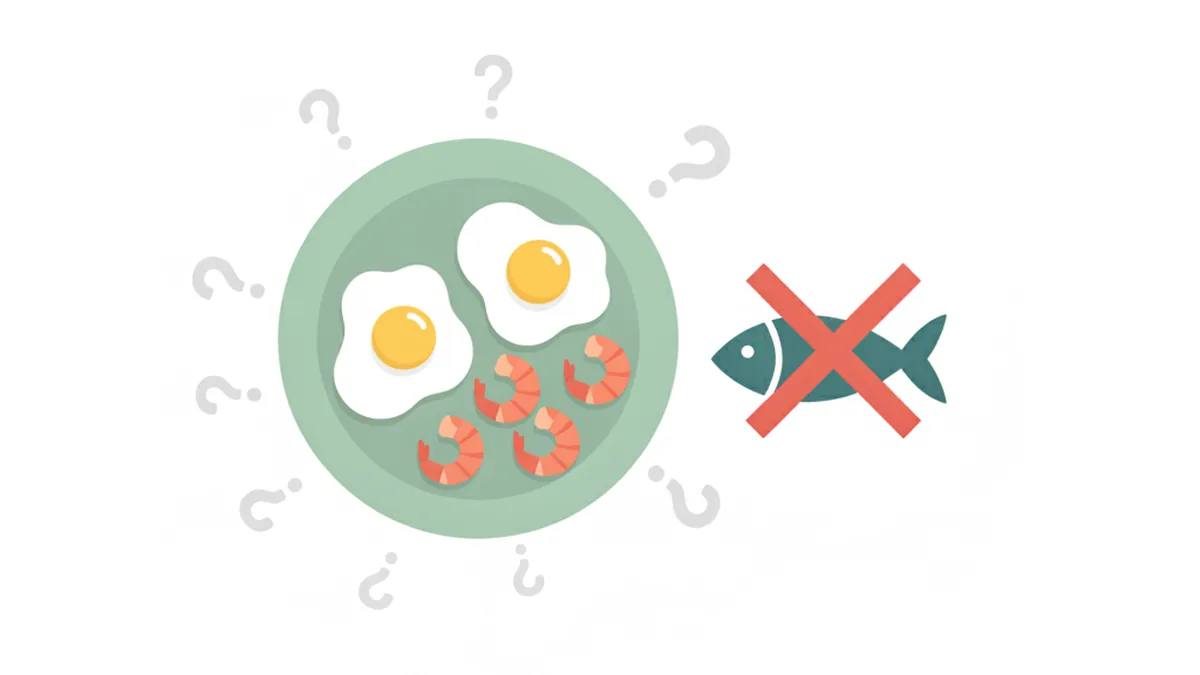
The myth: Avoid shrimp, eggs, and other high-cholesterol foods, and your blood cholesterol will drop.
The reality: For most people, dietary cholesterol has a surprisingly modest effect on blood cholesterol levels. Your liver manufactures about 75% of the cholesterol in your bloodstream, adjusting its production based on what you eat. When you consume more cholesterol, your liver typically makes less. When you eat less, it compensates by producing more.
The 2015-2020 Dietary Guidelines for Americans quietly dropped the long-standing recommendation to limit dietary cholesterol to 300 mg per day, acknowledging that the evidence linking it directly to heart disease was weaker than previously thought.
What confuses people: saturated fat and dietary cholesterol often appear together (think egg yolks, shrimp, fatty meat). Saturated fat does raise LDL cholesterol in many people, but the cholesterol content itself isn't usually the culprit.
Why the myth persists: The word "cholesterol" appears in both contexts — dietary cholesterol and blood cholesterol — creating an intuitive but misleading connection. Plus, the egg industry spent decades defending itself against this very claim, keeping the debate visible.
What to actually do: Don't obsess over cholesterol content in whole foods like eggs or shellfish. Instead, watch your saturated fat intake (more on this below) and focus on overall dietary patterns. An egg or two most days won't sabotage your efforts if the rest of your diet supports healthy cholesterol levels.
Myth 2: All Fat Is Bad for Cholesterol
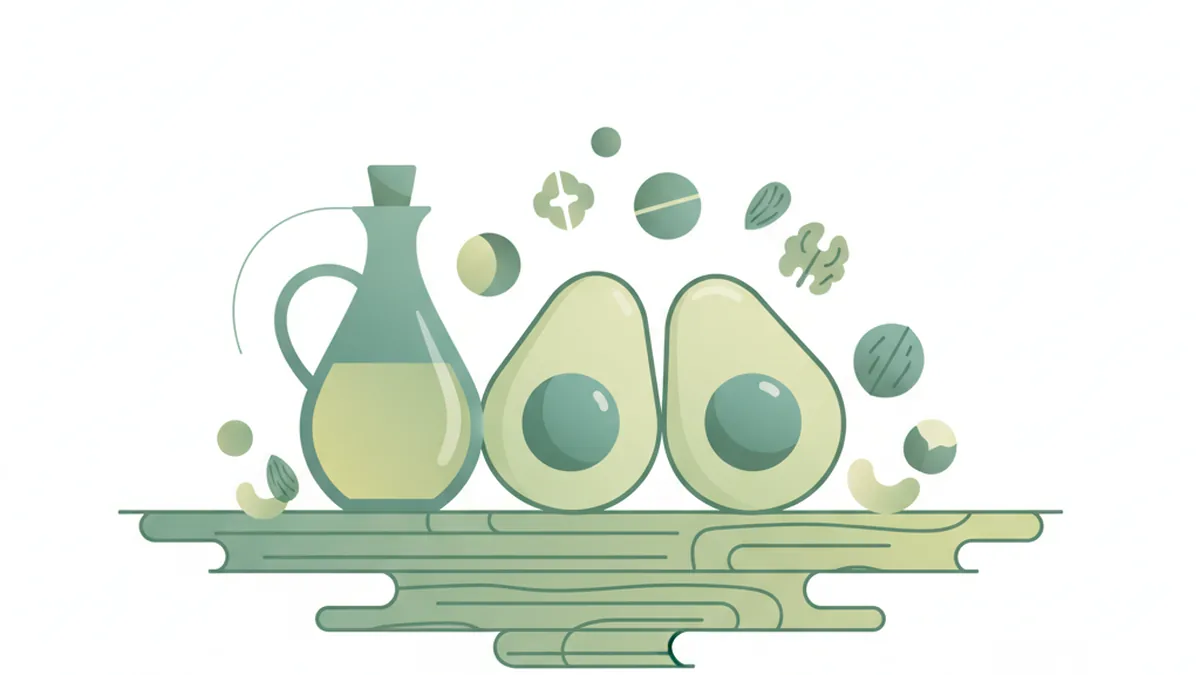
The myth: Going low-fat across the board will improve your cholesterol profile.
The reality: The type of fat matters far more than the total amount. When researchers compare diets, replacing saturated fat with polyunsaturated fat consistently lowers LDL cholesterol and cardiovascular risk. Simply cutting all fat — including beneficial fats — often backfires.
Here's what happens: people on very low-fat diets often compensate with refined carbohydrates (white bread, pasta, sugary foods). That dietary swap can actually lower HDL (the protective cholesterol), raise triglycerides, and increase small, dense LDL particles — a pattern that may increase heart disease risk despite potentially lower total cholesterol numbers.
Monounsaturated fats (olive oil, avocados, nuts) appear neutral to beneficial for LDL while supporting HDL. Polyunsaturated fats, particularly omega-3s from fish and alpha-linolenic acid from sources like walnuts and flaxseed, actively improve the cholesterol ratio.
The catch: saturated fat does raise LDL cholesterol in most people, though individual responses vary considerably. Some people are "hyperresponders" whose LDL shoots up with saturated fat; others show minimal change. You won't know which you are without testing.
Why the myth persists: The low-fat movement of the 1980s and 1990s created decades of messaging that "fat = bad." Food manufacturers capitalized on this, creating "low-fat" processed foods loaded with sugar and refined grains. The simplification stuck.
What to actually do: Replace, don't just eliminate. Swap butter for olive oil when cooking. Choose fatty fish over fatty beef. Snack on nuts instead of crackers. Aim for fat to make up 25-35% of your calories, with most coming from unsaturated sources. Keep saturated fat below 10% of calories if your LDL is elevated.
Myth 3: Exercise Only Matters If You Lose Weight
The myth: Physical activity helps cholesterol primarily through weight loss, so if you're not dropping pounds, it's not working.
The reality: Exercise directly improves your cholesterol profile independent of weight loss. Even when people maintain the same weight, regular physical activity — especially moderate-to-vigorous intensity — raises HDL cholesterol and can modestly lower LDL and triglycerides.
The mechanisms are metabolic: exercise increases enzymes that move LDL from the blood to the liver for processing. It enlarges LDL particle size (larger particles are less atherogenic). It boosts the activity of lipoprotein lipase, which breaks down triglycerides.
But intensity matters. Studies consistently show that brisk walking, jogging, cycling, or swimming at an effort level where you're breathing harder but can still talk raises HDL more effectively than leisurely strolling. The American Heart Association recommends at least 150 minutes of moderate-intensity activity or 75 minutes of vigorous activity weekly for cardiovascular health.
Weight training adds another benefit: building muscle mass improves insulin sensitivity, which indirectly supports healthier triglyceride and HDL levels. Resistance training two or more days per week complements aerobic work.
Why the myth persists: Weight loss does improve cholesterol for many people, and exercise contributes to weight management, so the two get conflated. The benefits seem inseparable. Plus, exercise advice often emphasizes calories burned, reinforcing the weight-centric narrative.
What to actually do: Move with enough intensity to feel it. You don't need to become a marathoner, but a leisurely 20-minute stroll won't substantially change your cholesterol numbers. Aim for 30 minutes most days at a pace where you're breathing harder — you can talk but you couldn't easily sing. Add strength training twice weekly. Track your cholesterol response over 8-12 weeks, not your weight.
What Actually Works: The Evidence-Based Strategies

Once you clear away the myths, what remains? Several approaches with solid research support:
Soluble fiber. This is the most underrated intervention. Soluble fiber (distinct from insoluble fiber, which aids digestion but doesn't lower cholesterol) binds to cholesterol and bile acids in your intestines, preventing absorption. Your liver then pulls cholesterol from your blood to make more bile acids.
Oats are the star here — a bowl of oatmeal daily can lower LDL by roughly 5%, according to meta-analyses of multiple studies. Beans, lentils, barley, apples, citrus fruits, and Brussels sprouts also deliver soluble fiber. You need about 10-25 grams daily to see meaningful effects; most people consume far less.
Plant stanols and sterols. These compounds, found naturally in small amounts in vegetable oils, nuts, seeds, and whole grains, structurally resemble cholesterol. They compete for absorption in your intestines, effectively blocking dietary cholesterol from entering your bloodstream. Fortified foods (certain margarines, orange juices, yogurts) and supplements can provide 2 grams daily, which lowers LDL by roughly 8-10%. This adds to other interventions; it doesn't replace them.
Fatty fish and omega-3s. While omega-3 fatty acids (EPA and DHA from fish) don't dramatically lower LDL, they significantly reduce triglycerides and may modestly raise HDL. More importantly, they reduce inflammation and have direct cardiovascular benefits beyond cholesterol numbers. The American Heart Association suggests at least two servings of fatty fish (salmon, mackerel, sardines, trout) weekly.
Legumes. Beans and lentils deserve special mention. Beyond their soluble fiber content, they replace higher-saturated-fat protein sources and improve glycemic control. A meta-analysis found that consuming about one serving (130 grams) of legumes daily was associated with a 5% reduction in LDL cholesterol.
Nuts. Almonds, walnuts, and other tree nuts provide polyunsaturated fats, plant sterols, and fiber. Research suggests that eating about 1.5 ounces (a small handful) daily can lower LDL cholesterol by roughly 5%. Walnuts, rich in alpha-linolenic acid (a plant omega-3), may have additional benefits.
Soy protein. The effect is modest — replacing animal protein with soy protein can lower LDL by about 3-5%. That's not dramatic, but it contributes when combined with other strategies. Tofu, tempeh, edamame, and soy milk all count.
Sleep quality. This one surprises people, but poor sleep (less than six hours nightly or fragmented sleep) is associated with higher total cholesterol, LDL, and triglycerides. The mechanism likely involves cortisol and inflammatory pathways. Prioritizing 7-9 hours of quality sleep supports all aspects of metabolic health, including cholesterol management.
Alcohol moderation. Light to moderate alcohol consumption (up to one drink daily for women, two for men) is associated with higher HDL cholesterol. But that benefit needs careful context: alcohol carries other health risks, and drinking specifically to raise HDL isn't recommended. If you already drink moderately, it may support your cholesterol goals; if you don't, there's no reason to start.
When Diet and Lifestyle Aren't Enough
Sometimes you do everything right and your LDL remains stubbornly high. This isn't failure; it's genetics.
Familial hypercholesterolemia (FH) affects roughly 1 in 250 people, causing extremely high LDL levels from birth due to genetic mutations. People with FH can exercise daily, eat impeccably, and still have LDL levels above 190 mg/dL. They need medication — typically statins — to prevent early heart disease.
Even without FH, genetics strongly influence how your body produces, processes, and clears cholesterol. Some people are efficient LDL-clearers; others aren't. Your response to dietary changes is also partly genetic. A Mediterranean-style diet might drop one person's LDL by 20% and another's by 5%.
This is why cholesterol guidelines now emphasize individualized risk assessment. Your doctor considers your cholesterol numbers alongside age, blood pressure, diabetes status, smoking, and family history to estimate your 10-year cardiovascular risk. For some people, lifestyle changes suffice. Others benefit from adding medication to achieve meaningful risk reduction.
Statins remain the most effective cholesterol-lowering medications, typically reducing LDL by 30-50%. Newer agents like PCSK9 inhibitors can lower LDL by 50-60% but cost more and are generally reserved for people who can't tolerate statins or who have very high risk. Ezetimibe, which blocks cholesterol absorption, offers another option.
The decision isn't either-or. Medication works better when combined with lifestyle changes, and lifestyle interventions may allow lower medication doses.
Frequently Asked Questions
How long does it take to see cholesterol improvements from lifestyle changes?
You'll typically see measurable changes within 6-12 weeks of consistent effort. Some people notice improvements sooner — adding 2 grams of plant stanols daily, for instance, can lower LDL within 2-3 weeks. But give yourself at least two months before rechecking your numbers, and make sure you're sticking to the changes consistently during that period.
Can you lower cholesterol too much?
Extremely low LDL cholesterol (below 40-50 mg/dL) from aggressive medication therapy occasionally raises concerns about hormone synthesis and cell membrane function, since cholesterol serves essential roles. However, current evidence suggests that very low LDL levels achieved through medication in high-risk patients don't cause harm and continue to reduce cardiovascular events. There doesn't appear to be a practical "too low" threshold for LDL when it comes to heart disease prevention, though this remains an area of ongoing research.
Does stress affect cholesterol levels?
Chronic stress is associated with higher LDL and triglycerides, likely through cortisol's effects on metabolism and through stress-related behaviors (poor sleep, comfort eating, less exercise). Acute stress can temporarily raise cholesterol levels too. While managing stress won't replace dietary changes or exercise, it's part of the broader metabolic picture. Techniques like regular physical activity, adequate sleep, and mindfulness practices support both stress management and cholesterol control.
If my total cholesterol is normal but my HDL is low, should I worry?
Yes, the HDL component matters. Low HDL (below 40 mg/dL for men, below 50 mg/dL for women) is an independent risk factor for heart disease, even when total cholesterol looks acceptable. The ratio of total cholesterol to HDL (ideally below 4:1) and the ratio of LDL to HDL give better risk information than total cholesterol alone. If your HDL is low, focus on exercise (particularly moderate-to-vigorous aerobic activity), avoid trans fats, quit smoking if you smoke, and maintain a healthy weight.
Are eggs really okay to eat if you have high cholesterol?
For most people, yes. Research over the past decade has largely exonerated eggs. Studies show that consuming one egg daily doesn't increase heart disease risk in most individuals, even those with existing high cholesterol. The caveat: if you have diabetes or are among the roughly 25% of people who are "hyperresponders" (meaning dietary cholesterol does significantly raise your blood cholesterol), you might want to limit egg yolks to a few per week and monitor your response. But whole eggs provide valuable nutrients — high-quality protein, choline, lutein, zeaxanthin — that make them worth including for many people.
This article is for informational purposes only and isn't a substitute for medical advice. Talk to a qualified healthcare provider about your specific situation.
Sources & further reading
This article draws on guidance from recognized health authorities:


Comments
Post a Comment