Your Bone Health Hinges on Two Minerals—Not Just One
You're standing in the supplement aisle, staring at rows of calcium bottles. Maybe your doctor mentioned bone health at your last visit, or you're noticing changes—a stress fracture that won't heal, inexplicable fatigue, muscle weakness that feels different from just being out of shape.
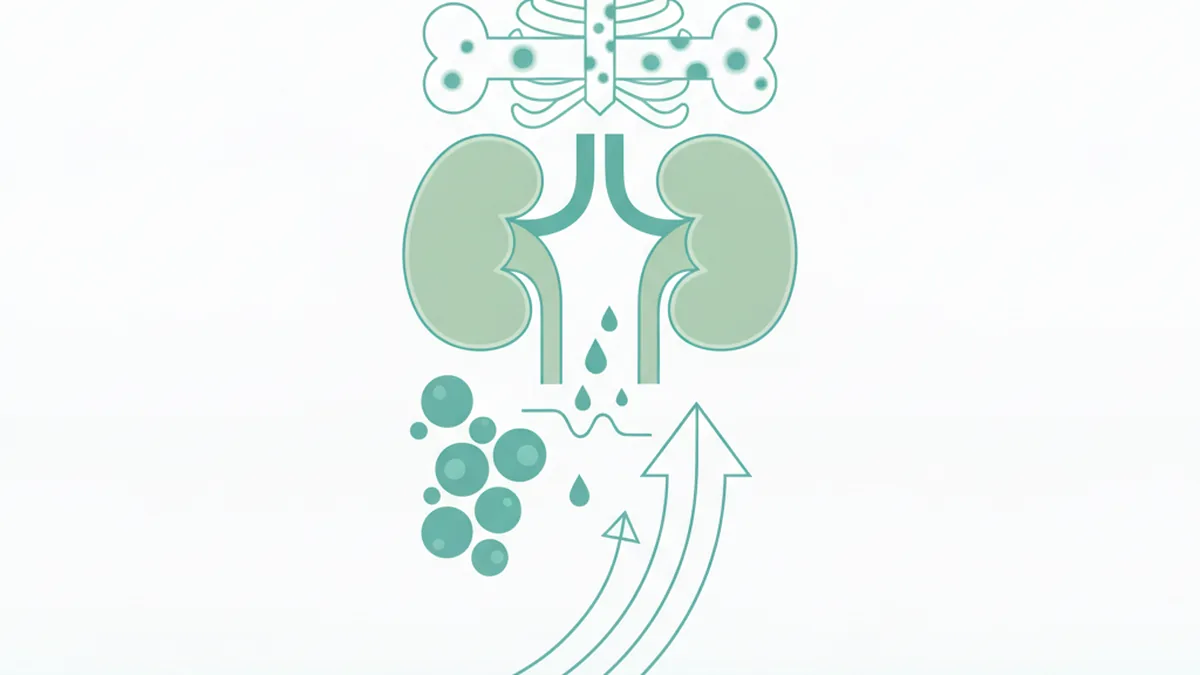
Here's what almost nobody tells you: calcium alone is only half the story. Your bones are constantly remodeling themselves through a delicate chemical dance between calcium and phosphorus. When this partnership goes sideways, the consequences ripple through your body in ways that have nothing to do with fractures.
Most people have heard they need calcium. Far fewer realize that phosphorus—the mineral working alongside it—can make or break bone strength depending on the ratio between them. Get that balance wrong, and you're not just risking osteoporosis. You're potentially setting yourself up for cardiovascular complications, kidney strain, and a cascade of metabolic issues that won't show up on a standard wellness checkup.
Let's talk about what's actually happening inside your skeleton.
The Chemistry Your Doctor Probably Didn't Explain
Your bones aren't static. They're living tissue that constantly breaks down and rebuilds, typically replacing about 10% of your skeleton each year. This process—called remodeling—depends on calcium and phosphorus combining into crystals of hydroxyapatite, the mineral compound that gives bones their strength.
Think of it as construction materials arriving at a building site. Calcium gets delivered, but without phosphorus, there's no cement to bind everything together. The inverse is also true: flood the site with phosphorus, and suddenly you've got chemistry problems that prevent proper construction.
The ideal ratio sits somewhere around 1:1 to 2:1 (calcium to phosphorus). Blood levels typically hover at 8.5-10.5 mg/dL for calcium and 2.5-4.5 mg/dL for phosphorus. When these slip out of range—even modestly—your parathyroid glands kick into action, releasing hormones that pull calcium from bones to normalize blood levels. Your body will literally rob your skeleton to maintain the right chemistry in your bloodstream.
This becomes particularly relevant when phosphorus levels climb too high. Research consistently links elevated phosphorus to increased fracture risk, but not because bones are weak in the traditional sense. Instead, high phosphorus triggers hormonal responses that actually remove calcium from bone to correct the blood ratio. You can be taking calcium supplements religiously and still lose bone density if phosphorus is out of control.
The kidneys normally filter excess phosphorus, but when kidney function declines—which happens gradually with age and goes unnoticed in millions of people—phosphorus accumulates. Worth noting: many adults over 60 have at least mild kidney impairment without realizing it, because early-stage chronic kidney disease rarely causes symptoms.
Where Phosphorus Hides (and How It Accumulates)

Phosphorus naturally occurs in protein-rich foods: meat, poultry, fish, dairy, beans, nuts. That's the organic form, and your body absorbs about 40-60% of it. Not ideal for someone trying to lower phosphorus levels, but manageable.
The real problem is inorganic phosphate additives—the ones food manufacturers dump into processed foods as preservatives, moisture retention agents, and texture enhancers. These show up in deli meats, fast food, soda (especially colas), processed cheese, flavored coffee creamers, instant pudding, chicken nuggets, packaged baked goods, and refrigerated dough products. Your body absorbs nearly 100% of these additives.
Here's the insidious part: food labels don't have to list phosphorus content. You might see "sodium phosphate" or "calcium phosphate" in the ingredients, but there's no number telling you how much phosphorus you're actually consuming. Many people eating what they consider a reasonable diet are unknowingly taking in 2-3 times the recommended amount.
The typical American diet contains about 1,400-1,500 mg of phosphorus daily. Recommended intake sits at 700 mg for adults. Do the math—that's double what your kidneys were designed to process, day after day, year after year.
And if you're drinking cola? Each 12-ounce can delivers 40-50 mg of phosphoric acid, which acidifies your blood. Your body responds by pulling calcium from bones to buffer that acidity. One study tracking soda consumption found that women drinking cola daily had measurably lower bone mineral density in their hips compared to those who didn't—even when calcium intake was identical.
Animal protein compounds this effect. When you metabolize protein, it produces acids that your body must neutralize. Again, calcium gets pulled from bone as a buffering agent. This doesn't mean avoiding protein—you need it for bone matrix formation—but the combination of high protein plus high phosphorus from additives creates a perfect storm for bone loss.
When Low Phosphorus Becomes the Problem
The fixation on lowering phosphorus—especially in kidney disease circles—sometimes swings too far the other way. Hypophosphatemia (low blood phosphorus) is less common but equally disruptive.
You might develop low phosphorus from taking calcium-based antacids for months on end, especially the ones people pop like candy for heartburn. Aluminum and magnesium antacids can bind phosphorus in your gut, preventing absorption. So can calcium supplements if you're taking heroic doses—3,000+ mg daily—without regard for phosphorus intake.
Certain diuretics prescribed for high blood pressure increase phosphorus loss through urine. Same with some seizure medications. Chronic diarrhea or conditions like Crohn's disease interfere with phosphorus absorption. Long-term heavy alcohol use does the same, though the mechanism is more complex.
The symptoms of low phosphorus feel vague: muscle weakness, bone pain, fatigue, irritability. One distinctive sign is difficulty walking—your muscles simply can't generate the energy they need because phosphorus is critical for ATP production, the molecule that powers every cell in your body.
Severe deficiency leads to a condition called osteomalacia, where bones soften because they're not mineralizing properly. It's different from osteoporosis; instead of losing bone mass, the bone you have lacks structural integrity. This causes a characteristic diffuse bone pain that people often describe as "aching all over."
Worth discussing with your doctor: if you've been taking large doses of calcium or antacids for months and you're experiencing unexplained weakness or bone pain, checking your phosphorus levels makes sense.
What Actually Moves the Needle
The evidence for most bone supplements is weaker than you'd think, but phosphorus balance is one area where dietary changes demonstrably matter.
Cut the processed stuff. Not "eat less"—actually eliminate as much as feasible. If it comes in a package with more than five ingredients, there's likely added phosphate. Deli meat, fast food chicken, processed cheese slices, flavored yogurt with "live and active cultures" (they add phosphate to feed those cultures), refrigerated cookie dough—all loaded with inorganic phosphate. Switch to whole foods and your phosphorus intake can drop by 400-600 mg daily without restricting protein.
Rethink dairy as your calcium source. Dairy contains both calcium and phosphorus, but not in a terrible ratio—about 1.3:1. The problem is quantity. Three glasses of milk gives you about 900 mg calcium but also 680 mg phosphorus. If you're already getting phosphorus from other protein sources, you might overshoot. Some people do better getting calcium from fortified plant milks (which contain added calcium without the phosphorus) plus leafy greens like collards and bok choy. Others need dairy's calcium density. It depends on your overall diet pattern.
Protein timing and type matters. You need roughly 0.8-1 gram of protein per kilogram of body weight for bone health—the collagen matrix in bone is protein, after all. But front-loading protein in one meal isn't ideal. Your kidneys process phosphorus better when intake is spread throughout the day. And plant proteins (beans, lentils, tofu) come with less phosphorus per gram than animal proteins, though they also contain phytates that can interfere with calcium absorption. Trade-offs everywhere.
Cola is non-negotiable. The phosphoric acid in dark sodas directly disrupts calcium-phosphorus balance. If you're serious about bone health, this is one of the clearest cuts you can make. Flavored seltzer, iced tea, coffee—plenty of alternatives exist.
Consider magnesium. About 50-60% of magnesium in your body resides in bone, where it helps regulate calcium and phosphorus metabolism. Magnesium deficiency—surprisingly common, especially in people taking proton pump inhibitors for reflux—can throw off the entire mineral balance. Dark leafy greens, nuts, seeds, and whole grains provide magnesium without excess phosphorus.
The Kidney Connection You Can't Ignore
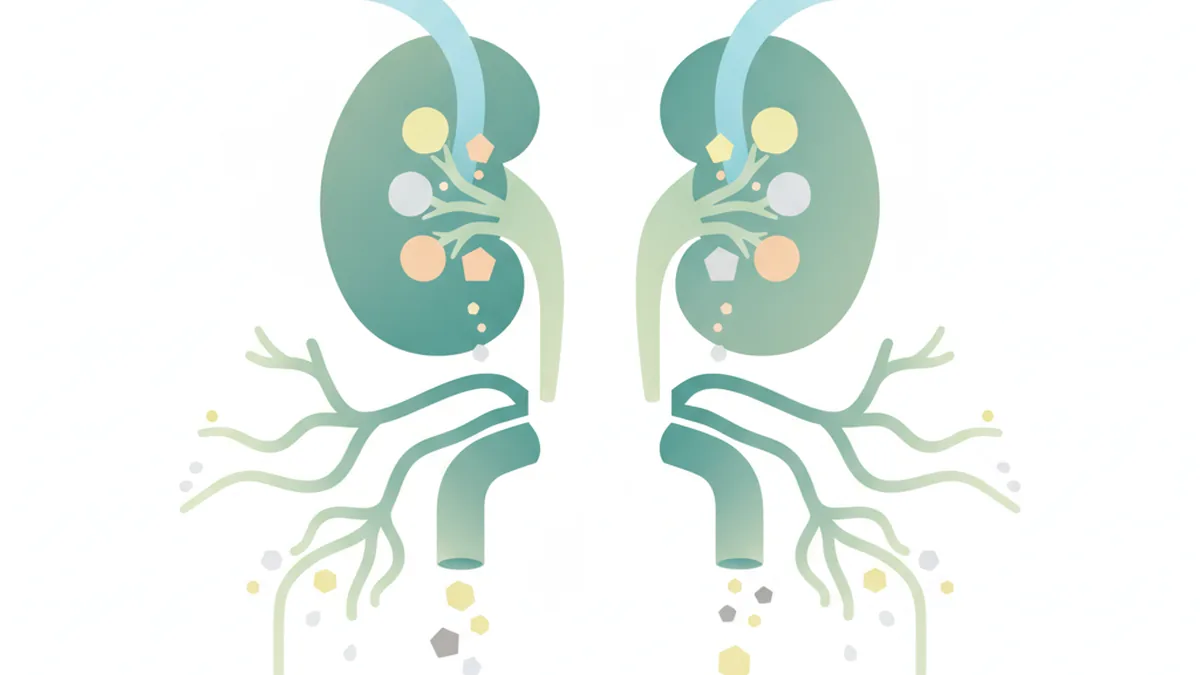
Here's where this gets medically serious: elevated phosphorus isn't just about bones. When levels stay high chronically, phosphorus binds with calcium in your bloodstream, forming deposits in soft tissues. This process—called vascular calcification—stiffens arteries and heart valves.
Research consistently shows associations between elevated phosphorus levels (even in the "high-normal" range of 3.5-4.5 mg/dL) and increased cardiovascular risk. The mechanism appears to involve both direct calcification and the hormonal cascade triggered by high phosphorus, particularly elevated FGF23, a hormone that regulates phosphorus excretion but also appears to damage heart tissue at high levels.
This matters most for people with chronic kidney disease, where impaired phosphorus excretion makes the problem exponentially worse. But emerging evidence suggests even people with normal kidney function may face risks from the phosphorus overload in modern processed diets.
If you have risk factors for kidney disease—diabetes, high blood pressure, family history, or you're over 60—checking your kidney function (via serum creatinine and estimated glomerular filtration rate) alongside phosphorus levels makes sense. Early-stage kidney disease is stealthy. By the time symptoms appear, you've often lost significant function.
When to Actually Worry
Most people don't need routine phosphorus testing. Standard wellness labs don't include it. But consider asking your doctor to check if:
- You have kidney disease of any stage
- You're taking calcium supplements exceeding 1,200 mg daily
- You've been on antacids or PPIs for more than three months
- You've had unexplained stress fractures or bone pain
- You have parathyroid disease (diagnosed or suspected)
- You're experiencing persistent muscle weakness without clear cause
- You consume significant amounts of processed foods or cola
The phosphorus test requires a simple blood draw, usually checked alongside calcium and parathyroid hormone levels for context. If levels are abnormal, your doctor will likely run kidney function tests and check vitamin D status, since vitamin D affects calcium-phosphorus metabolism.
For high phosphorus, the first-line treatment is dietary modification—exactly the changes outlined above. If that doesn't work, phosphate binders (medications that prevent phosphorus absorption in the gut) become an option, though they're typically reserved for people with kidney disease. For low phosphorus, supplementation might be necessary, but identifying the underlying cause matters more than just replacing the mineral.
The Bigger Picture on Bone Health
Calcium and phosphorus don't work in isolation. Vitamin D enables calcium absorption. Vitamin K2 directs calcium into bones rather than arteries. Magnesium regulates the whole system. Weight-bearing exercise signals bones to strengthen. Adequate protein provides the scaffold on which minerals deposit.
This is why single-nutrient thinking fails. You can't calcium-supplement your way out of a diet heavy in phosphate additives while remaining sedentary. You can't ignore phosphorus while taking massive calcium doses and expect your bones to thank you.
The mineral balance approach means treating your skeleton as a dynamic system, not a calcium storage unit. It means recognizing that bones respond to the totality of your biochemistry—what you eat, how you move, how well your kidneys function, how your hormones fluctuate.
And it means acknowledging what's genuinely uncertain: we don't have perfect data on the ideal calcium-to-phosphorus ratio for every population. Recommendations extrapolated from kidney disease research may not apply to people with normal kidney function. Individual variation is huge—some people maintain excellent bone density on relatively low calcium intake, while others lose bone despite adequate calcium if phosphorus is high.
The research continues evolving. What's clear is that phosphorus deserves attention equal to calcium when you're thinking about bone health. It's not sexy. It doesn't sell supplements. But it's biochemically fundamental to whether your bones will hold up over the decades ahead.
This article is for informational purposes only and isn't a substitute for medical advice. Talk to a qualified healthcare provider about your specific situation.
Sources & further reading
This article draws on guidance from recognized health authorities:


Comments
Post a Comment