Liver Enzymes Explained: What Elevated ALT and AST Really Mean
You open the patient portal expecting nothing. Your annual physical was routine — you feel fine, you exercise, you rarely drink. Then two numbers jump out, flagged in urgent red: ALT and AST, both marked "high." A message from the doctor's office asks you to book a follow-up. A test you weren't worried about an hour ago suddenly has your full attention.
It's a familiar gut-punch: abnormal results you weren't braced for. Within minutes you're Googling medical abbreviations, falling down rabbit holes about liver disease, and mentally cataloging every glass of wine from the past year.
Here's what actually happens when those numbers climb above the reference range — and why context matters more than the numbers themselves.
What ALT and AST Actually Measure
These enzymes aren't mysterious. They're working proteins that live inside your liver cells, doing the everyday chemical work that keeps your metabolism running. Alanine aminotransferase (ALT) exists primarily in the liver. Aspartate aminotransferase (AST) appears in liver cells too, but also in your heart, muscles, kidneys, and red blood cells.
When liver cells get damaged or inflamed, they leak these enzymes into your bloodstream. That's it. The blood test picks up the spillage.
Think of it like checking for a roof leak by looking at water stains on your ceiling. The stain tells you something's wrong up there, but it doesn't tell you whether you've got missing shingles, ice damage, or a tree branch punched through. Elevated enzymes signal liver cell injury — they don't diagnose the cause.
Normal ranges vary slightly between labs, but typically run about 7-56 units per liter for ALT and 10-40 units per liter for AST. Most doctors start paying attention when levels creep above the upper limit, though mild elevations — say, 1.5 times the upper normal range — often turn out to be temporary and benign.
The pattern matters as much as the absolute numbers. ALT rises more specifically with liver injury, while AST elevation can come from muscle damage, intense exercise, or even a recent heart event. When ALT is higher than AST, that pattern points more directly toward the liver itself.
The Hidden Causes Nobody Mentions First
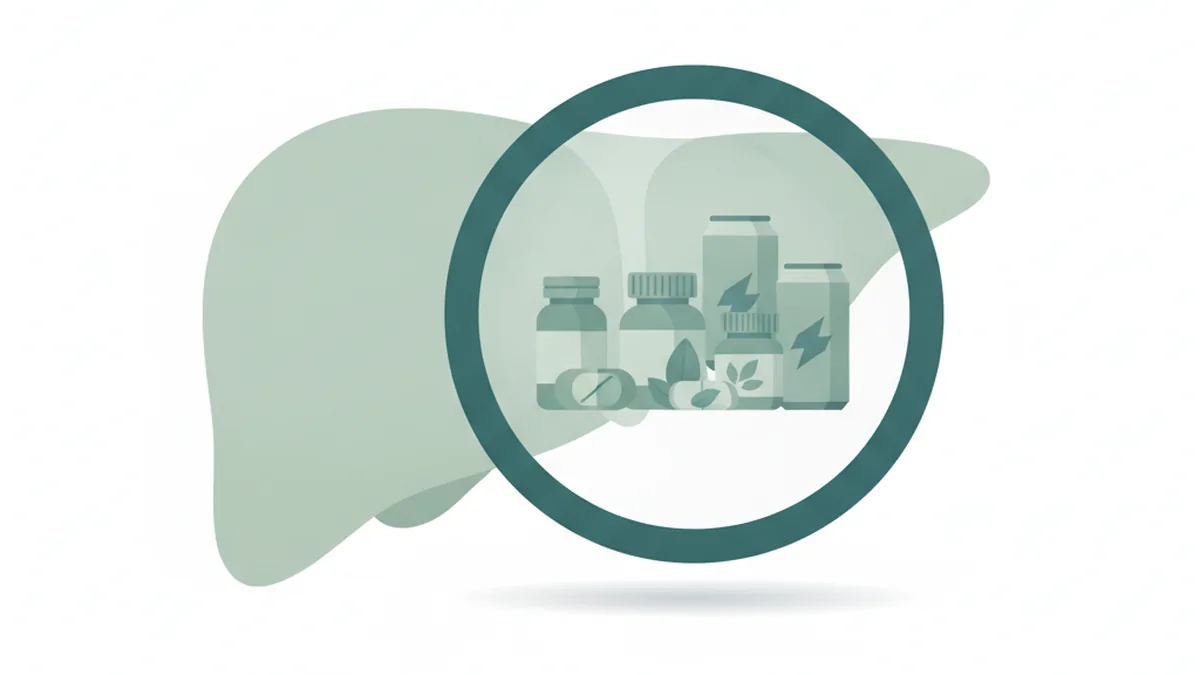
When people see elevated liver enzymes, they immediately think: alcohol or hepatitis. But here's what actually tops the list in a general adult population getting routine blood work.
Fatty liver disease — specifically non-alcoholic fatty liver disease (NAFLD) — drives the majority of mild ALT and AST elevations that show up unexpectedly on standard blood panels. This isn't about heavy drinking. It's about metabolic changes linked to weight, insulin resistance, and how your body handles fat.
Your liver can store excess fat when your system has more energy coming in than going out. Often there are no symptoms at all. No pain, no yellowing skin, no fatigue that stands out from regular life tiredness. Just cells quietly accumulating lipid droplets, sometimes progressing to mild inflammation.
The prevalence surprises people. Research suggests roughly a quarter of adults globally have some degree of fatty liver, with rates climbing alongside obesity and type 2 diabetes. Many walk around with mildly elevated enzymes for years without realizing it.
Medications rank second as a hidden culprit. Common prescriptions can nudge liver enzymes upward:
- Statins (cholesterol medications)
- Certain antibiotics
- NSAIDs taken regularly
- Some blood pressure medications
- Supplements, particularly high-dose vitamins or herbal products
The supplement detail catches people off guard. "Natural" doesn't mean risk-free for your liver. Green tea extract, certain bodybuilding supplements, and mega-doses of vitamin A have all been linked to enzyme elevations. Worth mentioning to your doctor even if they seem unrelated.
Undiagnosed metabolic conditions also show up frequently: prediabetes, insulin resistance, metabolic syndrome. These cluster with fatty liver so consistently that some researchers view them as different manifestations of the same underlying problem with how your body processes energy.
Then there's hepatitis — but often not the kind people assume. Hepatitis C, spread through blood exposure, circulated widely in certain birth cohorts (particularly people born between 1945 and 1965) before screening became standard for blood transfusions. The CDC recommends one-time screening for that age group. Many people contracted it decades ago and never knew.
Autoimmune hepatitis occurs when your immune system mistakenly attacks liver cells. It affects women more than men, can develop at any age, and often gets missed initially because it causes vague symptoms like fatigue and mild abdominal discomfort.
Less common but worth knowing: hemochromatosis (iron overload), Wilson's disease (copper accumulation), celiac disease, and thyroid disorders can all push enzymes above normal.
When the Numbers Actually Demand Urgency

Mild elevations — enzymes running 1.5 to 2 times the upper normal limit — usually allow time for methodical evaluation. Your doctor will likely recheck levels in a few weeks to see if they're climbing, stable, or resolving on their own. Temporary bumps happen with viral illnesses, intense workouts, even recent medication changes.
But certain patterns require faster action.
Enzyme levels above 10 times normal signal acute liver injury. This isn't "let's watch and wait" territory. Something is actively damaging liver cells on a large scale: medication overdose (acetaminophen toxicity remains a leading cause), acute viral hepatitis, autoimmune flare, or sudden bile duct obstruction. Acute liver injury can progress quickly, and symptoms often lag behind the laboratory changes.
When elevated enzymes come with symptoms, the timeline tightens:
- Yellowing of skin or eyes (jaundice)
- Dark urine that looks like tea
- Severe fatigue that came on rapidly
- Abdominal pain, especially in the upper right quadrant
- Unexplained bruising or bleeding
- Confusion or difficulty concentrating (can signal advanced liver dysfunction)
These combinations require same-day evaluation, not a follow-up appointment next week.
The AST/ALT ratio provides another clue about severity. When AST rises more than twice the level of ALT — particularly when AST exceeds 500 — it can indicate more advanced liver injury or alcohol-related damage. This pattern shifts the urgency of the workup.
Also worth immediate attention: elevated enzymes alongside other abnormal liver function tests, particularly low albumin or prolonged clotting times. These signal the liver isn't just injured — it's struggling to perform essential functions.
The Workup Nobody Warns You About
Getting to the bottom of elevated enzymes involves more questions than you'd expect. Your doctor will want a detailed medication history (include over-the-counter drugs and supplements), alcohol consumption (be honest — clinical judgment, not moral judgment, guides the next steps), family history of liver disease, travel history, tattoos or piercings, past blood transfusions, and even your diet patterns.
The physical exam checks for liver enlargement, tenderness, fluid accumulation, and signs of chronic liver disease like spider angiomas (small red blood vessels visible on skin) or palmar erythema (reddened palms).
Additional blood tests usually follow: hepatitis panels (A, B, C), autoimmune markers (ANA, smooth muscle antibodies), iron studies, tests for Wilson's disease in younger patients, and metabolic markers including fasting glucose and lipid panel.
Imaging comes next if the picture isn't clear. Ultrasound can detect fatty infiltration, bile duct dilation, liver masses, or cirrhosis changes. It's non-invasive and often the first imaging step. CT or MRI might follow for more detail.
A liver biopsy — the old gold standard for definitive diagnosis — has largely been replaced by non-invasive assessments for common conditions like fatty liver disease. Newer elastography techniques (FibroScan) measure liver stiffness as a proxy for fibrosis without needing a tissue sample. But biopsy still has a role when the diagnosis remains unclear or when determining the exact stage of disease changes treatment decisions.
The process takes time. Weeks sometimes, working through the differential diagnosis systematically. That waiting period feels excruciating when you're anxious about results, but thoroughness prevents misdiagnosis and unnecessary treatments.
What You Can Actually Control Right Now

While you're waiting for medical evaluation, certain actions help regardless of the underlying cause.
Alcohol deserves honest reckoning. Even moderate drinking can worsen existing liver inflammation. If your enzymes are elevated, stopping alcohol entirely until you have answers makes sense. For some people, that alone brings numbers back to normal within weeks.
Weight loss, if you're carrying extra pounds particularly around the midsection, directly impacts fatty liver disease. Research shows losing just 7-10% of body weight can significantly reduce liver fat and inflammation. This isn't about crash dieting — gradual, sustained changes work better.
Medication review with your doctor matters enormously. Some enzyme elevations resolve simply by stopping an offending medication or supplement. Don't stop prescribed medications on your own, but do have that conversation about what's truly necessary versus what could be adjusted.
Exercise improves liver health through multiple pathways: insulin sensitivity, weight management, direct effects on liver metabolism. You don't need intense workouts — regular moderate activity helps. A brisk 30-minute walk most days of the week measurably impacts liver fat.
Diet adjustments that consistently show benefit: reducing added sugars (particularly fructose from sweetened beverages), limiting refined carbohydrates, increasing fiber, and choosing healthy fats over saturated fats. The Mediterranean dietary pattern — vegetables, fruits, whole grains, fish, olive oil, nuts — aligns well with liver health.
Coffee, interestingly, appears protective. Multiple studies link coffee consumption with lower rates of liver disease progression. The mechanism isn't entirely clear, but people who drink coffee regularly show less liver fibrosis and slower progression to cirrhosis. This doesn't mean you should force yourself to drink it if you don't enjoy it, but if you already do, that's one habit that might be helping.
What doesn't help: expensive liver cleanses, detox teas, or milk thistle supplements. The evidence for supplements in treating fatty liver or reducing elevated enzymes is weak at best. Your liver already detoxifies continuously — that's its job. You can't accelerate that process with a juice cleanse.
The Follow-Up Pattern That Actually Works
Elevated enzymes aren't usually a one-and-done blood test. Monitoring over time reveals whether the problem is resolving, stable, or progressing.
If your first recheck shows normal values, great. But your doctor will likely want at least one more confirmation test months later. Enzymes can fluctuate, and you want to confirm the issue truly resolved rather than just hitting a temporary low point.
For persistent elevations without an obvious cause, testing every 3-6 months tracks trends. Stable mild elevations that don't worsen often don't require aggressive intervention beyond lifestyle modification and addressing underlying metabolic issues. But you need that baseline to know whether "stable" continues.
When lifestyle changes are your primary treatment — weight loss for fatty liver, for instance — expect enzyme improvements to lag behind other changes. You might feel better, have more energy, lose weight, but enzymes take months to reflect those improvements at the cellular level. Don't get discouraged by numbers that move slowly.
Some conditions require indefinite monitoring even after treatment. Hepatitis C, for example, can be cured with modern antivirals, but patients remain at higher risk for liver cancer and need regular screening. Autoimmune hepatitis often requires long-term immunosuppression with regular lab monitoring to ensure the disease stays controlled.
The key question at every follow-up: are we seeing improvement, stability, or progression? That trajectory guides everything else.
What This Actually Means for Your Future
Most people with mildly elevated liver enzymes never progress to serious liver disease. That bears repeating because Dr. Google will terrify you with worst-case scenarios. Fatty liver disease, the most common cause, remains stable or even improves in the majority of people who address metabolic risk factors. Only a minority progress to inflammation (steatohepatitis), and fewer still develop significant fibrosis or cirrhosis.
But that minority exists, which is why monitoring matters. Certain factors increase progression risk: diabetes, obesity, age over 50, elevated triglycerides, and ongoing alcohol use. If you have multiple risk factors, your doctor will likely track more closely and push harder on interventions.
Liver fibrosis can reverse, at least in earlier stages. Stop the injury process — whether that's alcohol, medication, excess weight, or active hepatitis — and scarred tissue can actually remodel over time. The liver has remarkable regenerative capacity compared to other organs.
Advanced cirrhosis, once established, doesn't reverse. But even then, stopping further injury prevents progression and complications. People can live decades with well-compensated cirrhosis if they eliminate ongoing damage.
The bottom line: elevated enzymes are a signal, not a death sentence. They're your body's way of saying "something here needs attention." That attention might be as simple as stopping a supplement and rechecking in a month. Or it might mean significant lifestyle overhaul and ongoing medical management.
Either way, you caught it. You're having the conversation with your doctor, getting the workup, making the changes. That puts you ahead of the many people walking around with silent liver disease who won't know until symptoms appear.
Take the signal seriously. Get the evaluation. Make the changes that matter. Then trust that your liver — given support and time — has extraordinary capacity to heal.
This article is for informational purposes only and isn't a substitute for medical advice. Talk to a qualified healthcare provider about your specific situation.
Sources & further reading
This article draws on guidance from recognized health authorities:


Comments
Post a Comment