When Blood Sugar Crashes After You Eat: Not All Hypoglycemia Is the Same

You finish lunch feeling good. An hour later, you're shaky, sweating, and your heart's racing. This doesn't happen when you skip meals—only after you eat. That counterintuitive pattern is exactly what makes postprandial hypoglycemia so confusing.
Most people associate low blood sugar with diabetes medication or going too long without food. But reactive hypoglycemia flips that script: your blood sugar crashes because you ate, not despite it. Understanding the distinction matters for figuring out what's actually happening in your body.
Reactive vs. Fasting Hypoglycemia: Two Different Problems
The timing tells you which type you're dealing with, and that points toward entirely different causes and management approaches.
Fasting hypoglycemia develops when you haven't eaten—overnight, between meals, or during exercise. It's typically tied to diabetes medications (particularly insulin or sulfonylureas), hormonal disorders affecting cortisol or growth hormone, or occasionally liver disease. The body's baseline glucose production can't keep up with demand.
Reactive (postprandial) hypoglycemia strikes within four hours after eating, most commonly between one and three hours post-meal. Your blood sugar spikes higher than normal, your pancreas overreacts by releasing too much insulin, and glucose plummets below where it started. The National Institute of Diabetes and Digestive and Kidney Diseases notes this pattern most often appears in people who've had gastric surgery, but it also occurs in those with prediabetes or early metabolic dysfunction—and sometimes in people with no clear risk factors at all.
The key difference: reactive hypoglycemia suggests your body's glucose-insulin feedback loop is misfiring in response to food, while fasting hypoglycemia points to problems with baseline glucose production or excess insulin action when you're not eating.
Why does this matter clinically? Because the interventions differ. Fasting hypoglycemia often requires medication adjustment or treating an underlying hormone deficiency. Reactive hypoglycemia responds better to dietary changes that prevent the initial glucose spike. Treating one like the other wastes time and can worsen symptoms.
Who gets reactive hypoglycemia most often? People who've had bariatric surgery (especially gastric bypass) face the highest risk—food moves into the small intestine unusually fast, triggering exaggerated insulin surges. But it also appears in:
- People with prediabetes or early insulin resistance (the pancreas is already overproducing insulin to overcome resistance, then overshoots further after a carb-heavy meal)
- Those with certain enzyme deficiencies affecting carbohydrate metabolism
- Individuals whose bodies simply seem hypersensitive to insulin signals—researchers haven't fully mapped why this happens to otherwise healthy people
One major point of confusion: some people experience shakiness, sweating, and anxiety after eating sugary foods without true hypoglycemia. Their blood sugar stays normal, but the rate of glucose rise and fall triggers adrenaline release. That feels identical to low blood sugar but shows normal readings on a glucose meter. It's worth checking, because the distinction changes how you approach it.
When Reactive Hypoglycemia Shows Up After Surgery
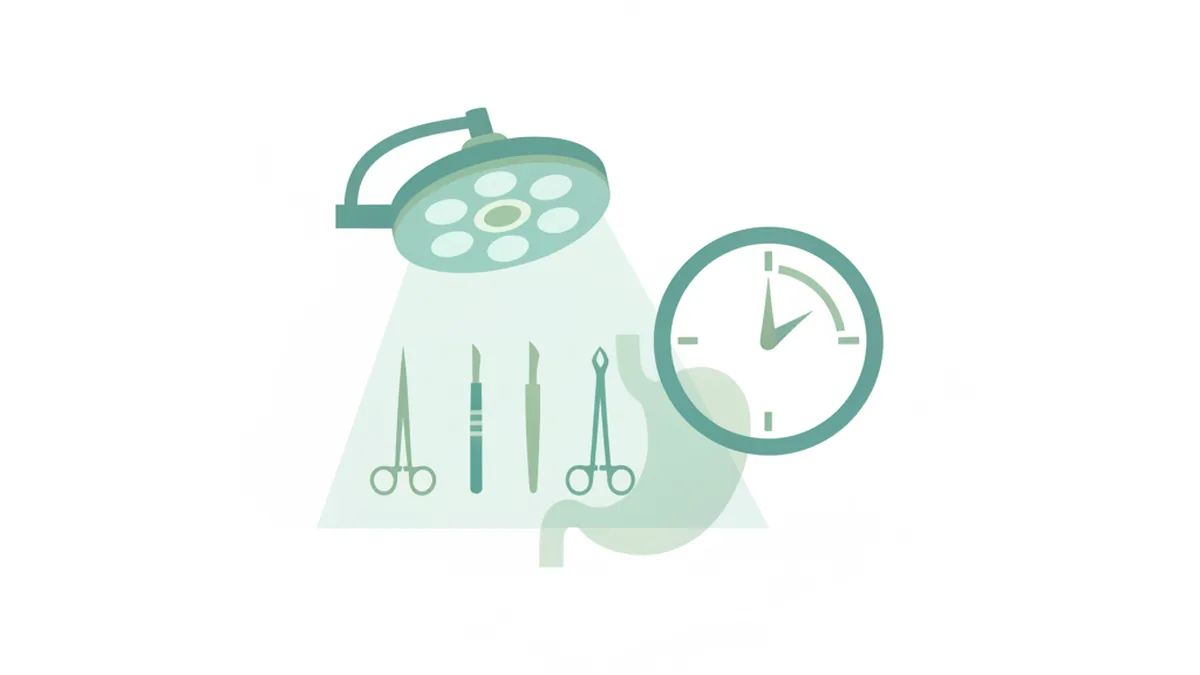
Gastric surgery fundamentally changes how food moves through your digestive tract, and that timing shift creates new metabolic challenges.
After procedures like Roux-en-Y gastric bypass, the stomach is much smaller and food enters the small intestine rapidly—sometimes within minutes rather than the normal 90-120 minutes. Glucose floods your bloodstream fast. Your pancreas, which evolved to handle gradual glucose absorption, sees this spike and responds with an insulin surge sized for a much larger, faster carbohydrate load than what's actually absorbed. Result: blood sugar that shoots up quickly often crashes hard an hour later.
This isn't rare. Research suggests roughly one in three people who've had gastric bypass experience some degree of reactive hypoglycemia, though severity varies widely. For some it's occasional mild shakiness; others have episodes requiring emergency glucose.
The timeline matters for recognition: if symptoms started or dramatically worsened within a few months to a couple years after bariatric surgery, reactive hypoglycemia moves high on the list of likely causes. One pattern surgeons watch for: patients who do well initially, then develop these crashes as they reach the phase where they're introducing more varied foods.
What makes post-surgical reactive hypoglycemia particularly challenging is that the standard dietary advice for weight management (small frequent meals, avoiding simple sugars) overlaps heavily with reactive hypoglycemia management—but the degree of carbohydrate restriction often needs to be more aggressive than what's prescribed for surgery aftercare alone. You might need 15-20g of carbs per meal maximum, not the 30-45g often recommended post-surgery.
There's also a rare but serious condition called post-bariatric hypoglycemia syndrome (sometimes called hyperinsulinemic hypoglycemia) where the pancreas develops clusters of overactive insulin-producing cells. This requires specialist evaluation because it may need medication or, in severe cases, partial pancreas removal. If you're having episodes with blood sugar dropping below 50 mg/dL repeatedly, despite dietary changes, that warrants endocrinology referral.
What Actually Happens During a Reactive Hypoglycemia Episode
The physical symptoms arise from two mechanisms working simultaneously: direct effects of low brain glucose, and your body's counter-regulatory response trying to fix the problem.
When blood sugar drops below roughly 70 mg/dL (the exact threshold varies individually), your brain notices first. It runs almost exclusively on glucose and doesn't store it, so it's exquisitely sensitive to supply drops. You might experience:
- Difficulty concentrating or thinking clearly
- Confusion or feeling mentally "foggy"
- Sudden mood changes—irritability or unexpected anxiety
- Visual changes (occasional blurriness)
- In severe drops, slurred speech or unsteady movement
Your counter-regulatory hormones kick in simultaneously. Glucagon, epinephrine (adrenaline), cortisol, and growth hormone all release to raise blood sugar back up. The adrenaline release causes:
- Trembling or shakiness (classic sign)
- Rapid heartbeat or palpitations
- Sweating (often suddenly profuse)
- Feeling jittery or on edge
- Sometimes nausea
Here's what trips people up: the adrenaline symptoms often appear before the cognitive ones, especially if blood sugar is dropping quickly rather than sitting low. You might feel your heart pounding and start sweating while still thinking clearly. That pattern—physical panic-like symptoms appearing first—is actually characteristic of reactive hypoglycemia and helps distinguish it from anxiety disorders (where the thought pattern usually precedes or accompanies the physical response).
The timing pattern is diagnostic. With reactive hypoglycemia:
- You feel fine right after eating
- Symptoms begin 1-4 hours post-meal (most commonly 1-2 hours)
- They resolve within 15-20 minutes of eating again or taking glucose
- They're worse after high-carbohydrate meals than after protein-heavy ones
If your symptoms appear within 30 minutes of eating, that's more likely dumping syndrome (especially post-surgery) or food-related reactions rather than true reactive hypoglycemia. If they persist for hours regardless of eating, that points elsewhere.
One crucial diagnostic point: symptoms alone aren't enough. Lots of conditions mimic hypoglycemia—anxiety, panic disorder, dysautonomia, even caffeine sensitivity. The gold standard is documenting low blood sugar (below 70 mg/dL, ideally below 55 mg/dL) at the exact moment symptoms occur, with symptom resolution after glucose intake. Doctors call this "Whipple's triad," and all three parts need to align for confident diagnosis.
How to Actually Manage Reactive Hypoglycemia Through Diet
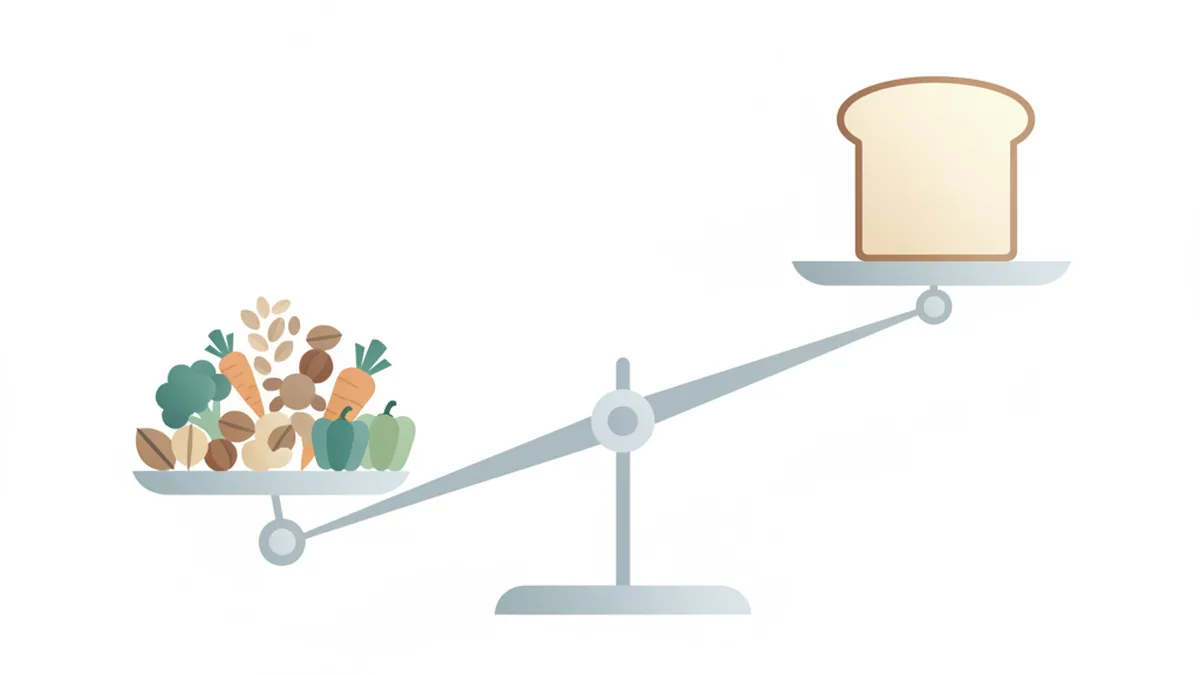
The goal isn't eliminating carbs entirely—it's preventing the initial glucose spike that triggers your pancreas to overreact.
Start with meal composition. The most effective approach pairs these elements:
- Protein as the meal foundation: 20-30g per meal (a palm-sized portion of chicken, fish, tofu, or Greek yogurt). Protein slows gastric emptying and provides steady amino acids without spiking insulin.
- Fiber-rich vegetables: Non-starchy options like broccoli, leafy greens, cauliflower, zucchini. Fiber slows glucose absorption.
- Modest healthy fats: Olive oil, avocado, nuts. Fat further slows digestion and improves satiety without affecting insulin much.
- Limit total carbs per meal to 20-30g maximum: When you do eat carbs, choose complex ones (steel-cut oats, quinoa, legumes) that digest slowly. Save them for the end of the meal after protein and vegetables.
Some people do better with even lower carb amounts—15g per meal—but that's individual. Track what works for you rather than following a rigid number.
Meal timing and size matter as much as content. Smaller, more frequent meals (every 3-4 hours) prevent both the large glucose loads that trigger crashes and the long gaps that might provoke compensatory overeating. But "smaller" means genuinely smaller—300-400 calories, not 600-calorie "snacks."
Foods that commonly trigger episodes (worth testing by elimination):
- White bread, white rice, pasta—refined grains digest rapidly
- Fruit juice, regular soda, sweetened coffee drinks—liquid sugars hit fastest
- Baked goods, especially on an empty stomach
- Large servings of even complex carbs (yes, too much brown rice can still spike you)
- Alcohol without food (it impairs your liver's glucose production while potentially triggering insulin release)
Practical meal examples that often work:
- Breakfast: Three-egg omelet with vegetables, small serving of berries, handful of almonds
- Lunch: Large salad with grilled salmon, olive oil dressing, small portion of chickpeas
- Dinner: Stir-fried tofu with broccoli and bell peppers, small portion of quinoa
- Snacks: Apple with almond butter, string cheese with cucumber slices, Greek yogurt (plain, not flavored)
Notice the pattern: protein first, vegetables always, carbs small and slow-digesting.
What about when you do crash? If you're experiencing active symptoms:
- Take 15g of fast-acting carbs: glucose tablets (ideal), 4oz juice, or 3-4 hard candies
- Wait 15 minutes
- Recheck blood sugar if you can, or assess symptoms
- If still symptomatic, take another 15g
- Once symptoms resolve, eat a small protein + complex carb snack (cheese and whole grain crackers) to stabilize
The instinct is to eat everything in sight when you feel awful, but overcorrecting causes another spike-crash cycle an hour later.
One dietary approach that helps some people but not others: very low carb or ketogenic diets. When your body shifts to using fat-derived ketones for fuel, you become less dependent on glucose, and some find their reactive hypoglycemia episodes dramatically decrease. But this is a significant dietary change that affects more than just blood sugar (and isn't appropriate for everyone). Worth discussing with a physician or registered dietitian rather than experimenting solo.
The hardest part for most people isn't knowing what to eat—it's breaking social eating patterns. Reactive hypoglycemia doesn't care that everyone else is having dessert or that you don't want to be "difficult" at restaurants. The condition requires prioritizing your metabolic needs over social pressure, which gets easier as you realize that managing it well actually gives you more freedom and better energy than letting it run your life.
When to See a Doctor (And What They'll Actually Test)
Occasional mild shakiness after a particularly carb-heavy meal doesn't necessarily require medical evaluation. But certain patterns demand professional assessment.
Seek medical evaluation if:
- You're experiencing episodes more than twice a week despite dietary changes
- Blood sugar readings are dropping below 55 mg/dL during symptoms
- You've lost consciousness, had seizures, or needed someone else's help during an episode
- Symptoms are interfering with work, driving, or daily activities
- You have additional concerning symptoms like unexplained weight loss, abdominal pain, or changes in bowel habits
- You've had gastric surgery and episodes began or worsened afterward
Get immediate medical attention if:
- You can't raise your blood sugar above 60 mg/dL after two rounds of 15g glucose
- You're alone and feel you might lose consciousness
- You have chest pain or severe shortness of breath along with the hypoglycemia symptoms
What will your doctor actually do? They'll likely start with:
Detailed history and symptom diary. You'll need to log meal times, food content, symptom onset, blood sugar readings, and duration. The pattern matters more than any single episode. Most doctors want at least 1-2 weeks of detailed logs before proceeding to testing.
Home glucose monitoring. They'll often ask you to check blood sugar when symptoms occur (to catch the low reading) and 2-3 times after meals for a week or two to see the pattern. Continuous glucose monitors (CGMs) are increasingly used here—they show the full curve of how your blood sugar rises and falls, which is more informative than single fingerstick readings.
Mixed meal tolerance test. If home monitoring is inconclusive but suspicion remains high, you might get a supervised test where you eat a standardized meal (typically one designed to trigger reactive hypoglycemia—higher carb content), then have blood drawn every 30 minutes for 3-5 hours to see if glucose drops below 55 mg/dL while you're symptomatic.
Rule-out testing for other causes. They'll check if you have prediabetes or diabetes (ironically, both can coexist with reactive hypoglycemia), thyroid function, cortisol levels, and sometimes insulin and C-peptide during a low-glucose episode to see if you're making excess insulin.
In rare cases where there's concern for insulinoma (an insulin-producing tumor) or post-bariatric hypoglycemia syndrome, you might need a 72-hour supervised fast or advanced imaging. But that's for cases where blood sugar is dropping dangerously low (below 40 mg/dL) repeatedly despite appropriate management.
What treatment options exist beyond diet? For most people, dietary management is first-line and sufficient. But when it's not:
- Acarbose: A medication that slows carbohydrate digestion and absorption, blunting the glucose spike that triggers the insulin surge. Studies suggest it can reduce episode frequency meaningfully in people who don't respond adequately to diet alone.
- CGM use: Some patients benefit from wearing a continuous glucose monitor not just for diagnosis but ongoing, using real-time data to adjust meals before crashes occur.
- In severe post-surgical cases: Sometimes requires medication adjustment of any diabetic drugs, gastric pouch revision, or rarely, partial pancreatectomy when there's confirmed hyperinsulinemic hypoglycemia.
The realistic expectation: most people with reactive hypoglycemia see substantial improvement with consistent dietary management. Episodes become less frequent and less severe. But it's rare for them to disappear entirely if the underlying metabolic pattern persists. The goal is control and quality of life, not necessarily "cure."
This article is for informational purposes only and isn't a substitute for medical advice. Talk to a qualified healthcare provider about your specific situation.
Sources & further reading
This article draws on guidance from recognized health authorities:
- NIH — Low Blood Glucose (Hypoglycemia)
- MedlinePlus — Hypoglycemia
- Cleveland Clinic — How to Treat Reactive Hypoglycemia


Comments
Post a Comment