Statin Side Effects: Why Muscle Concerns Are Overblown
If you've been prescribed a statin, you've probably heard the warnings about muscle pain. Maybe your neighbor mentioned it. Maybe you read about it online. Maybe you're already tensing up, waiting for the ache to start.
Here's what surprised me about the research: muscle problems from statins are far less common than most people think—and when they do happen, they're usually manageable. Meanwhile, the side effects that actually matter often fly under the radar.
The First Month: What's Normal, What's Not
Those first few weeks on a statin can feel like you're hyper-aware of every twinge in your body. You're not imagining it—you really are paying closer attention. But here's the thing: most people don't develop meaningful muscle problems.
Large reviews of clinical trial data consistently show that severe muscle damage (rhabdomyolysis, the scary version doctors worry about) occurs in about 1 in 10,000 patients. The milder muscle aches people talk about? Research suggests they're often nocebo effects—meaning the expectation of pain creates the sensation. Studies where patients don't know whether they're taking a statin or a placebo show remarkably similar rates of muscle complaints in both groups.
That doesn't mean statin-related muscle pain isn't real when it happens. It absolutely is. But the odds are considerably better than the internet would have you believe.
During this initial period, you might notice genuine fatigue as your body adjusts to the medication. That's different from muscle pain. Fatigue tends to improve after the first month. Muscle symptoms, if they're going to appear, typically show up within weeks to a few months of starting treatment.
What should actually concern you? Dark urine. That's the red flag for rhabdomyolysis. If your urine looks like cola or tea, contact a healthcare provider immediately—that's muscle tissue breaking down and overwhelming your kidneys. This is rare, but it's the scenario where hours matter.
Also worth noting: muscle cramping or weakness that interferes with daily activities. If you're struggling to climb stairs you used to manage easily, or if your legs feel genuinely weak rather than just sore, that warrants a conversation with your doctor.
Three Months In: The Blood Sugar Reality
This is where things get interesting, and it's a side effect that doesn't get nearly enough attention in casual conversations about statins.
Statins modestly increase your risk of developing diabetes. Not by a huge margin—research indicates roughly a 10-15% relative increase in diabetes risk, which translates to about one extra case of diabetes per 250 people treated with statins for four years. But it's real, it's measurable, and if you're already prediabetic, you should be monitoring this.
The mechanism isn't completely understood, but statins appear to interfere slightly with insulin secretion and may increase insulin resistance. Higher-intensity statins (atorvastatin, rosuvastatin) seem to carry slightly more risk than moderate-intensity ones.
Here's what this means practically: if your fasting glucose was 105 before starting a statin (prediabetic range), and it's now 118, that's worth addressing. You haven't failed—this is a known medication effect. Your doctor might adjust your dose, switch statins, or focus more aggressively on diet and exercise interventions.
Get your hemoglobin A1c checked at three months if you're at risk. The test costs about $30 without insurance and gives you a three-month average of blood sugar levels. If you're already monitoring glucose because you're prediabetic, check it more frequently in those first few months.
The frustrating part? Many people don't realize their blood sugar has crept up because they feel fine. Slightly elevated glucose doesn't announce itself. You need the blood test.
Six Months to a Year: Cognitive Function and the Debate
You'll see headlines about statins causing memory problems. The FDA even added a warning label about cognitive side effects in 2012. But the evidence here is genuinely mixed, and that's worth understanding.
Some patients report feeling mentally foggy on statins—trouble finding words, difficulty concentrating, memory lapses. These reports are real enough that the FDA took notice. But large epidemiological studies haven't shown statins increasing dementia risk. In fact, some research suggests the opposite—that controlling cholesterol might be protective for brain health over the long term.
So what's happening?
One possibility: selection bias. People taking statins tend to be older and already at risk for cognitive changes. Attributing normal age-related memory issues to the medication is tempting. Another theory: statins might affect some people's cognitive function in ways that don't show up in population-level studies but matter intensely to the individual experiencing it.
If you notice genuine cognitive changes—not just occasional forgetfulness (that's human), but a clear departure from your baseline—bring it up. This might mean switching statins rather than stopping entirely. Atorvastatin and simvastatin cross the blood-brain barrier more readily than pravastatin or rosuvastatin, so switching could help if brain-based side effects are the issue.
What tends to matter more here: liver enzyme monitoring. Your doctor should check liver function periodically. Statins can elevate liver enzymes in some people, usually mildly. Significant elevation is rare but requires dose adjustment or discontinuation.
The Long Haul: What Actually Derails Statin Therapy

Here's the real problem with statins, and it has nothing to do with muscles or memory: people stop taking them.
Studies show that within one year, about 50% of patients prescribed statins have either stopped taking them or aren't taking them as directed. By two years, that number climbs higher.
Why? Usually because of side effects people assume are from the statin—muscle aches that might have happened anyway, fatigue that's actually from poor sleep, brain fog that's stress or aging. The nocebo effect is powerful. When you're primed to expect problems, you're more likely to attribute any new symptom to the medication.
The tragedy here is that statins work. They reduce heart attack and stroke risk substantially in people who need them. When someone stops a statin because of a side effect that may not have been from the statin at all, they lose that protection.
If you're convinced your statin is causing problems, don't just stop. Work with your doctor on a trial period off the medication, then restart it. If the symptoms disappear and don't return when you restart, the statin probably wasn't the culprit. If they genuinely are statin-related, there are alternatives: different statins (they're not all identical), lower doses taken more frequently, or non-statin cholesterol medications like ezetimibe or PCSK9 inhibitors.
What to Actually Watch For
Forget the overblown muscle panic. Here's your real monitoring checklist:
Dark urine. This is your only true emergency. It's incredibly rare, but if it happens, you need medical attention that day.
Blood sugar trends. Especially if you're prediabetic or have metabolic syndrome. Check your fasting glucose and A1c at three months, then yearly. If numbers are climbing, you're not stuck—you have options.
Liver function. Your doctor should check this periodically. You won't feel elevated liver enzymes, so you need the blood test.
Genuine muscle weakness. Not soreness after exercise. Weakness—difficulty with activities you previously managed. That's different and worth investigating.
Unexplained fatigue that persists beyond three months. Some people do experience ongoing fatigue on statins. It's worth exploring whether it's the medication or something else entirely.
And here's what to ignore: every ache you never paid attention to before starting the statin. You've always had occasional muscle soreness. You've always had days where you felt tired. Don't let the medication label turn normal body sensations into a chronic worry.
The Interaction Most Doctors Forget to Mention
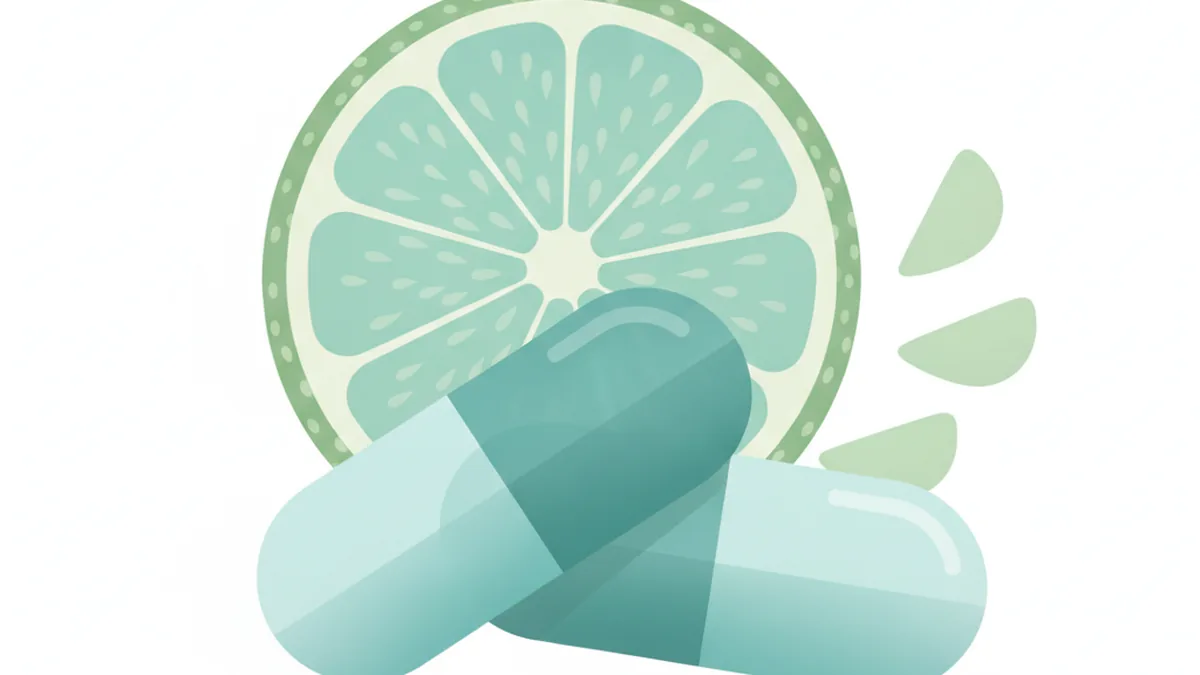
Grapefruit juice. I know, it sounds trivial. But if you're on certain statins—particularly simvastatin or atorvastatin—grapefruit juice can significantly increase the drug's concentration in your bloodstream. That raises the risk of actual side effects.
The mechanism: grapefruit contains compounds that inhibit an enzyme (CYP3A4) responsible for breaking down these statins. When the enzyme is blocked, more of the drug stays active in your system.
You don't have to eliminate grapefruit entirely, but drinking a large glass daily could be a problem. Some people love their morning grapefruit. If that's you, ask your doctor about switching to a statin unaffected by grapefruit (pravastatin, rosuvastatin, or fluvastatin).
Same issue with certain other medications: some antibiotics, antifungals, immunosuppressants, and even certain heart medications can interact with statins. When a new medication is prescribed, always mention you're taking a statin.
The Question No One Asks: Do You Even Need This?
The most underexplored aspect of statin therapy isn't about side effects at all. It's about whether the medication is appropriate in the first place.
Statins are clearly beneficial for people who've already had a heart attack or stroke (secondary prevention). The evidence is overwhelming. But for primary prevention—people with high cholesterol who haven't yet had a cardiovascular event—the calculation is more nuanced.
Your absolute risk matters. A 60-year-old man with diabetes, high blood pressure, and an LDL of 160 faces a very different cardiovascular risk than a 45-year-old woman whose only risk factor is an LDL of 150. Statins help both people, but the magnitude of benefit differs dramatically.
If you're on a statin for primary prevention and struggling with side effects, it's worth revisiting the initial risk calculation with your doctor. Tools like the ASCVD risk calculator (developed by the American College of Cardiology and the American Heart Association) estimate your 10-year risk of a cardiovascular event. If your risk is borderline—say, 7% to 10%—and you're experiencing genuine quality-of-life impacts from the medication, that's a conversation worth having.
Sometimes aggressive dietary changes, weight loss, or exercise can lower cholesterol enough to reconsider medication. Sometimes they can't, and the statin remains the better choice. But it should be a choice made with full information, not a reflexive prescription that no one ever questions.
When the Side Effect Is Actually From Something Else
People often blame statins for symptoms that turn out to be hypothyroidism, vitamin D deficiency, or undiagnosed sleep apnea. Muscle aches, fatigue, cognitive fog—these overlap with a lot of conditions.
If you're experiencing symptoms you attribute to your statin, rule out the other possibilities:
- Check thyroid function (TSH, free T4)
- Check vitamin D levels (many people are deficient, especially in winter)
- Consider whether sleep quality has changed
- Review other medications for fatigue as a side effect
This isn't to dismiss your experience. It's to make sure you're treating the actual problem. Stopping a beneficial medication for a side effect that's coming from somewhere else entirely helps no one.
Making the Decision That Works for You
The conversation around statins has become unnecessarily polarized. Online, you'll find people insisting statins are poison and others claiming they're completely benign. Neither is right.
Statins are powerful medications with real benefits and real risks. For most people, the benefits outweigh the risks substantially. For some, the calculation is closer. And for a small subset, the side effects genuinely make the medication untenable.
What matters is that you're making an informed decision with your healthcare provider based on your actual risk, your actual response to the medication, and your actual health priorities.
If muscle pain concerns are keeping you from trying a statin you likely need, you're probably worrying about the wrong thing. The real risks are more subtle—and more manageable—than the ones that dominate the conversation.
This article is for informational purposes only and isn't a substitute for medical advice. Talk to a qualified healthcare provider about your specific situation.
Sources & further reading
This article draws on guidance from recognized health authorities:
- American Heart Association — Safety of statins emphasized in new report
- NIH — Statin-Associated Muscle Disease: Advances in Diagnosis and Management


Comments
Post a Comment