GLP-1 Drugs Are Changing More Than the Scale

When your neighbor mentions their Ozempic prescription, you probably assume it's about weight loss. That's what dominated headlines for the past two years. But here's what most people don't know: the real story of GLP-1 medications is unfolding in cardiology wards, nephrology clinics, and addiction treatment centers—places that have nothing to do with dress sizes.
Glucagon-like peptide-1 receptor agonists (we'll stick with GLP-1s) were originally developed to manage type 2 diabetes. Their effect on weight became the blockbuster side story. Now researchers are circling back to something more fundamental: these drugs appear to influence inflammatory pathways, vascular function, and reward circuits in ways that extend far beyond blood sugar and appetite.
That matters because we're not just talking about incremental benefits. Early evidence suggests GLP-1s might reduce heart attack risk, slow kidney disease progression, and dampen addictive behaviors—effects that could reshape treatment approaches for some of the most common chronic conditions in medicine.
What People Assume About GLP-1 Medications vs. What the Data Shows
Walk into most conversations about semaglutide (Ozempic, Wegovy) or tirzepatide (Mounjaro, Zepbound), and you'll hear the same narrative: celebrities lost weight, everyone wants a prescription, supply shortages followed. That's not wrong—GLP-1s do produce significant weight loss, often 15-20% of body weight in clinical trials.
But that framing obscures the broader picture. These medications were FDA-approved for type 2 diabetes management starting in 2005 with exenatide, long before the weight loss applications gained attention. The diabetes indication remains their primary use for millions of patients. What's shifted is our understanding of how they work and what else they might treat.
GLP-1 is a hormone your gut releases after eating. It signals your pancreas to produce insulin, tells your brain you're satisfied, and slows stomach emptying. The medications are synthetic versions that last much longer than natural GLP-1—hence the once-weekly injections rather than the hormone's usual five-minute lifespan in your bloodstream.
That extended action is what enables the therapeutic effects. But researchers have noticed something curious: the benefits in certain conditions seem disproportionate to weight loss alone. A patient might lose 10% of their body weight on semaglutide and see a 20% reduction in cardiovascular events. That gap suggests additional mechanisms at play—which is exactly what the newer research is trying to map.
The pharmaceutical companies manufacturing these drugs certainly noticed. They've invested heavily in trials examining non-metabolic applications, and some of those results are genuinely surprising.
Cardiovascular Protection: The Clearest Emerging Benefit

The heart disease connection has the strongest evidence base so far.
In 2016, a large trial called LEADER found that liraglutide (Victoza) reduced major cardiovascular events—heart attacks, strokes, cardiovascular deaths—by 13% in people with type 2 diabetes and established heart disease. That got cardiologists' attention, but the question remained whether the benefit came purely from better glucose control and weight loss, or something more direct.
Subsequent trials provided clarity. The SELECT trial, published in 2023, studied semaglutide specifically in people without diabetes—just obesity and existing cardiovascular disease. These participants experienced a 20% reduction in major cardiac events over roughly three years. This study was significant because it isolated the cardiovascular benefit from diabetes management. Whatever semaglutide was doing for the heart, it wasn't just about lowering blood sugar.
The mechanisms appear multifactorial. GLP-1 receptors exist in heart tissue, blood vessel walls, and inflammatory cells. Animal studies and human tissue research suggest these medications may reduce arterial inflammation, improve endothelial function (the smooth operation of blood vessel linings), lower blood pressure modestly, and reduce oxidative stress in cardiac cells. Some cardiologists describe it as a broad anti-inflammatory effect that happens to benefit the cardiovascular system.
That said, not everyone responds identically. The cardiovascular benefits seem most pronounced in people with established heart disease or multiple risk factors. A healthy 30-year-old using semaglutide purely for cosmetic weight loss probably isn't gaining meaningful cardiac protection—they don't have the underlying disease processes these drugs appear to modify.
The practical implication: if you have obesity plus a history of heart attack, stroke, or peripheral artery disease, GLP-1 medications might reduce your risk of future cardiac events beyond what weight loss alone would achieve. That conversation is worth having with a cardiologist, not just an endocrinologist. We're watching treatment paradigms shift in real time.
Kidney Disease: Slower Decline, Fewer Dialysis Cases
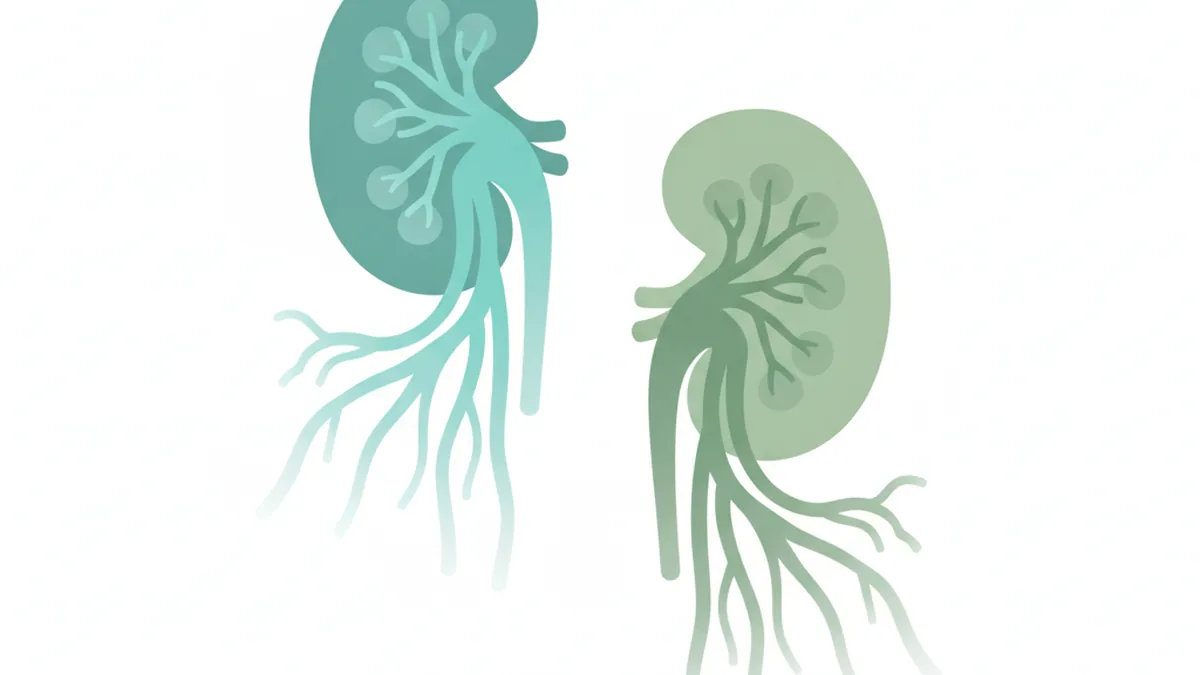
Chronic kidney disease affects roughly 37 million Americans, often progressing silently until kidney function drops below 15% of normal—at which point dialysis or transplant becomes necessary. Slowing that progression, even modestly, translates to years of preserved kidney function and delayed need for renal replacement therapy.
Enter the FLOW trial, reported in 2024. Researchers gave semaglutide to people with type 2 diabetes and chronic kidney disease, then tracked kidney function decline over several years. The results showed a 24% reduction in kidney disease progression—defined as significant loss of filtration capacity, need for dialysis, kidney-related death, or sustained large increases in creatinine (a waste product kidneys normally clear).
That's a substantial effect. For context, ACE inhibitors and SGLT2 inhibitors (other drug classes used to protect kidneys in diabetes) show similar or somewhat smaller risk reductions. The fact that GLP-1s appear to slot into that protective tier matters because kidney disease treatment options remain limited. Most interventions focus on managing complications rather than halting progression.
The mechanisms here likely overlap with cardiovascular protection: reduced inflammation, improved blood pressure control, decreased proteinuria (protein leaking into urine, a marker of kidney damage). Some researchers also point to the drugs' effects on blood sugar variability—wild glucose swings damage small blood vessels, including those in the kidneys.
Again, this benefit appears most relevant for people with existing kidney disease, particularly those with diabetic nephropathy. Healthy kidneys probably don't gain much from GLP-1 therapy. But if you're managing stage 3 chronic kidney disease with an eGFR between 30-60, discussing GLP-1 medications with a nephrologist might be worthwhile. The goal isn't reversing damage—these drugs can't do that—but slowing the march toward dialysis.
One important nuance: if kidney function is severely compromised (eGFR below 30), dosing becomes more complex and side effects may increase. This isn't a medication you start casually with advanced renal impairment. Medical supervision is critical.
Addiction Treatment: Early Evidence, High Stakes

This is where the science gets genuinely speculative—but potentially transformative.
Multiple case reports and small observational studies have noted that people on GLP-1 medications for diabetes or weight loss sometimes spontaneously reduce alcohol consumption, quit smoking more easily, or lose interest in gambling. These aren't controlled trials; they're patterns clinicians noticed. But the patterns were consistent enough to warrant investigation.
The biological rationale exists. GLP-1 receptors are present in brain regions associated with reward processing—the nucleus accumbens, ventral tegmental area, prefrontal cortex. Animal studies show that GLP-1 agonists reduce alcohol intake in rodents bred to prefer alcohol. They also decrease cocaine self-administration and reduce nicotine-seeking behavior in preclinical models.
The proposed mechanism involves dopamine signaling. Addictive substances hijack the brain's reward pathways, flooding them with dopamine and creating powerful motivation to repeat the behavior. GLP-1 appears to modulate dopamine release and receptor sensitivity in these circuits. It doesn't eliminate pleasure or reward—people on semaglutide still enjoy food and activities—but it may dampen the outsized reward signal that drives compulsive use.
Several clinical trials are now underway examining GLP-1s for alcohol use disorder specifically. Early results from small studies suggest reduced drinking days and lower craving scores, but we're talking about dozens of participants, not thousands. The National Institute on Alcohol Abuse and Alcoholism is funding larger trials, with results expected over the next few years.
What does this mean practically? If you're in recovery from alcohol dependence or struggling with cigarette addiction, should you ask about GLP-1 medications? It's complicated. These drugs aren't approved for addiction treatment. Their safety profile in people with active substance use disorders isn't fully characterized. And addiction medicine already has effective treatments—naltrexone for alcohol, bupropion and varenicline for smoking—with established evidence.
That said, if you're already taking a GLP-1 for diabetes or obesity and you're working on addiction recovery, it might provide an unexpected assist. Worth mentioning to both your prescribing physician and addiction counselor. Just don't expect it to replace comprehensive addiction treatment, which typically requires behavioral therapy, support systems, and often other medications.
The risk here is hype outpacing evidence. We've seen this pattern before with medications that showed early promise in addiction—only to disappoint in larger, more rigorous trials. The neuroscience is plausible, but plausible doesn't mean proven. Approach this application with cautious optimism and a healthy dose of skepticism until we have Phase 3 trial data.
What This Means for You: Practical Considerations
If you're already taking a GLP-1 medication for diabetes or weight management, you might be gaining additional protective effects you weren't expecting. That's generally good news, though it doesn't change how you should take the medication or warrant increasing your dose beyond what's prescribed.
If you have heart disease, chronic kidney disease, or addiction issues without diabetes or obesity, should you pursue GLP-1 therapy? That's a nuanced conversation with your physician. These medications have side effects—nausea, vomiting, gastroparesis risk, potential pancreatitis in rare cases. Taking them prophylactically for off-label benefits requires weighing those risks against potential gains, considering your specific medical history.
Insurance coverage is another reality. Most plans cover GLP-1s for diabetes, and increasingly for obesity if certain criteria are met. Coverage for cardiovascular or kidney indications is evolving as clinical guidelines catch up with research. Addiction treatment coverage for these medications essentially doesn't exist yet. Out-of-pocket costs can run $900-$1,400 monthly without insurance—prohibitively expensive for most people.
Some practical questions worth discussing with your doctor:
For heart disease: "Given my cardiac history, would a GLP-1 medication reduce my risk of future events beyond my current treatment plan?" This is most relevant if you have established atherosclerotic disease and either diabetes or obesity.
For kidney disease: "Could semaglutide or another GLP-1 slow my kidney function decline?" Particularly worth asking if you have diabetic kidney disease with proteinuria and declining eGFR.
For addiction: "I'm taking [GLP-1 medication] for diabetes—could this affect my alcohol/smoking cessation efforts?" This frames it as information-gathering rather than requesting off-label prescribing.
Be wary of clinics aggressively marketing GLP-1s as miracle drugs for every condition. The evidence base varies dramatically by indication. Cardiovascular and kidney benefits have solid trial support. Addiction applications remain investigational. Anyone promising guaranteed results across all these domains is overselling the science.
The Bigger Picture: Why Pleiotropic Effects Matter
Medical breakthroughs rarely arrive as single-purpose magic bullets. More often, we discover that a drug developed for one condition affects multiple systems—what pharmacologists call pleiotropic effects. Aspirin started as a pain reliever; we later learned it prevents blood clots. Statins lower cholesterol, but much of their benefit comes from reducing vascular inflammation.
GLP-1 medications appear to be another example of a drug whose full therapeutic potential took years to recognize. That recognition is still unfolding. Ongoing trials are examining GLP-1s for obstructive sleep apnea, non-alcoholic fatty liver disease, polycystic ovary syndrome, and even Alzheimer's disease (GLP-1 receptors exist in brain areas affected by neurodegeneration).
Some of these investigations will hit dead ends. Others might identify genuine new applications. The scientific process moves slowly by design—a few hundred patients showing promise doesn't constitute sufficient evidence for widespread use. We need thousands of participants followed for years to understand true efficacy and safety.
But the pattern itself tells us something important: we're dealing with medications that influence fundamental inflammatory and metabolic pathways, not just single disease processes. That breadth of effect is both exciting and humbling. Exciting because it opens treatment possibilities we didn't anticipate. Humbling because it reminds us how much we still don't understand about these drugs' full biological impact.
If you're considering GLP-1 therapy for any reason—or if you're already taking these medications—stay curious about emerging research but cautious about preliminary findings. The gap between "promising results in a pilot study" and "established treatment guideline" is vast. Let your healthcare providers guide you through that gap with evidence-based recommendations tailored to your specific situation.
The cardiovascular and kidney benefits are real enough that major medical societies are updating their guidance. The addiction applications remain speculative but scientifically plausible. And there's likely more we haven't discovered yet about what these medications can and cannot do.
That's the actual story of GLP-1s—not miracle drugs, not just weight loss tools, but a class of medications with complex, multisystem effects we're still working to fully map. And sometimes, that uncertainty is exactly the right note to strike in medicine.
This article is for informational purposes only and isn't a substitute for medical advice. Talk to a qualified healthcare provider about your specific situation.
Sources & further reading
This article draws on guidance from recognized health authorities:
- NIH — The benefits of GLP1 receptors in cardiovascular diseases
- American Heart Association — Assessing the Benefits of GLP-1 RAs
- Cleveland Clinic — GLP-1a Therapy and Reduced Mortality Risk


Comments
Post a Comment