Side Pain: How Its Location Reveals What's Really Going On
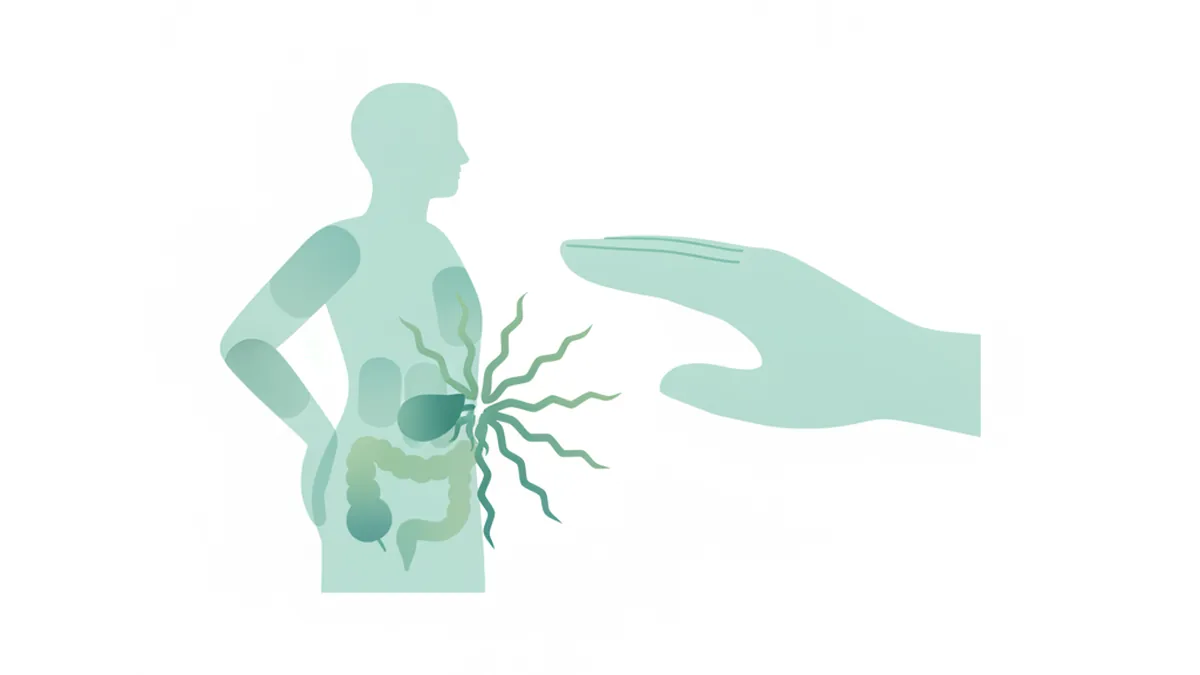
You twist to grab something off a high shelf, and there it is — that sharp twinge in your side. Two hours later? Gone completely. Then it's back the next morning while you're sitting at your desk. This pattern of appearing and vanishing makes side pain particularly frustrating to decode. Unlike constant pain that screams for attention, intermittent discomfort whispers mixed messages.
The location of that on-again, off-again pain matters more than you might think. Your right side houses different organs than your left, and front-to-back positioning changes the diagnostic picture entirely. Understanding these geographic clues helps distinguish between "probably muscle strain" and "call your doctor today."
Key Takeaways
- Right-side pain that comes and goes often involves the gallbladder (especially after fatty meals), appendix (if it's lower and worsening), or kidney, while left-side pain more commonly points to digestive issues, the spleen, or kidney problems.
- Pain location relative to your ribs matters: above the ribcage suggests lung or muscle issues, at rib level often indicates gallbladder or kidney involvement, and below points toward intestinal or reproductive concerns.
- Intermittent patterns that worsen over days, appear with fever, cause blood in urine, or include sudden severe episodes warrant same-day medical evaluation — not a "wait and see" approach.
- Musculoskeletal side pain typically changes with movement and position, while organ-related pain often stays consistent regardless of how you twist or bend.
Right Side vs. Left Side: The Organ Geography That Matters
The human abdomen isn't symmetrical, and that asymmetry creates distinct patterns worth recognizing.
Right-side intermittent pain most commonly involves three culprits. The gallbladder sits tucked under the liver in the upper right quadrant, and gallstones can cause pain that comes in waves — particularly 30 minutes to two hours after eating fatty or heavy meals. The pain often radiates to the right shoulder blade or between the shoulder blades. Think of it as your gallbladder's protest when asked to squeeze out bile to digest that burger or cream sauce.
Lower right pain that starts dull and intensifies over hours raises appendicitis concerns, even if it comes and goes initially. The appendix doesn't read the textbook — pain can wax and wane in early stages before becoming constant. If lower right pain persists beyond twelve hours or includes fever, nausea, or appetite loss, that's a same-day evaluation situation.
The right kidney occupies the flank area — that's the side/back region between your lower ribs and hip. Kidney stones create notoriously severe, intermittent flank pain that comes in waves as the stone moves. People describe it as "worse than childbirth" at its peak, then mysteriously better, then crushing again. The pain may radiate toward the groin, and you might see blood in your urine (even if just microscopic pink tinting).
Left-side intermittent pain brings a somewhat different list. The spleen lives in the upper left quadrant, and while splenic issues are less common than gallbladder problems, a blow to that area or certain infections can cause pain that comes and goes. The left kidney mirrors its right counterpart and causes similar stone-related or infection-related flank pain.
Digestive issues like diverticulitis more frequently affect the left lower abdomen in older adults. These small pouches in the colon wall can become inflamed, creating pain that may fluctuate initially before becoming persistent. The sigmoid colon's location in the left lower quadrant makes this a common site for cramping related to constipation, trapped gas, or inflammatory bowel conditions.
Here's what complicates left-side diagnosis: the pancreas stretches across the upper abdomen with its tail extending leftward. Pancreatitis typically causes deep upper abdominal pain that radiates to the back, but atypical presentations can create left-sided discomfort that intensifies after eating or when lying flat.
High, Middle, or Low: Vertical Location Changes Everything
Where pain sits relative to your ribcage dramatically narrows the possibilities.
Above the ribcage on either side points toward the lungs, pleura (lung lining), or chest wall muscles. Pleurisy — inflammation of the lung lining — creates sharp, stabbing side pain that worsens distinctly with deep breaths or coughing. It comes and goes based on respiratory movement. Pulled intercostal muscles (the muscles between ribs) create similar patterns but typically trace back to a specific movement or coughing fit. You can often reproduce the pain by pressing on the affected rib area or twisting your torso.
Lung issues occasionally create referred pain to the shoulder tip on the same side, a quirk of how the phrenic nerve is wired. If side pain above the ribs comes with shortness of breath, fever, or a productive cough, respiratory infection or pneumonia moves up the concern list.
At rib level is prime real estate for the organs we already mentioned — gallbladder on the right, spleen on the left, both kidneys in back at roughly the same height. Pain here that you can't reproduce by pressing or moving usually originates deeper than the muscle layer. The rib cage itself can be a pain generator, though. Costochondritis — inflammation where ribs meet the breastbone — creates pain that technically sits more frontal but can radiate around toward the side. Unlike organ pain, you can zero in on tender spots with your fingers.
Below the ribcage drops you into intestinal territory. The colon traces a square path around the abdomen: up the right side (ascending colon), across the top (transverse), down the left (descending), then the S-curve of the sigmoid in the lower left before the rectum. Gas, inflammatory bowel disease, diverticulitis, and functional gut issues can cause pain anywhere along this route.
Lower abdominal side pain in women requires consideration of ovarian cysts, which can cause sharp, intermittent pain when they rupture or twist. The pain often comes mid-cycle or varies with the menstrual cycle. Endometriosis can create cyclical side and pelvic pain that worsens during menstruation.
Men experiencing lower right side pain sometimes have it trace to an inguinal hernia, where abdominal contents push through a weak spot in the abdominal wall. The pain may appear with lifting, straining, or standing for long periods, then ease when lying down.
How Movement and Position Separate Muscle from Organ
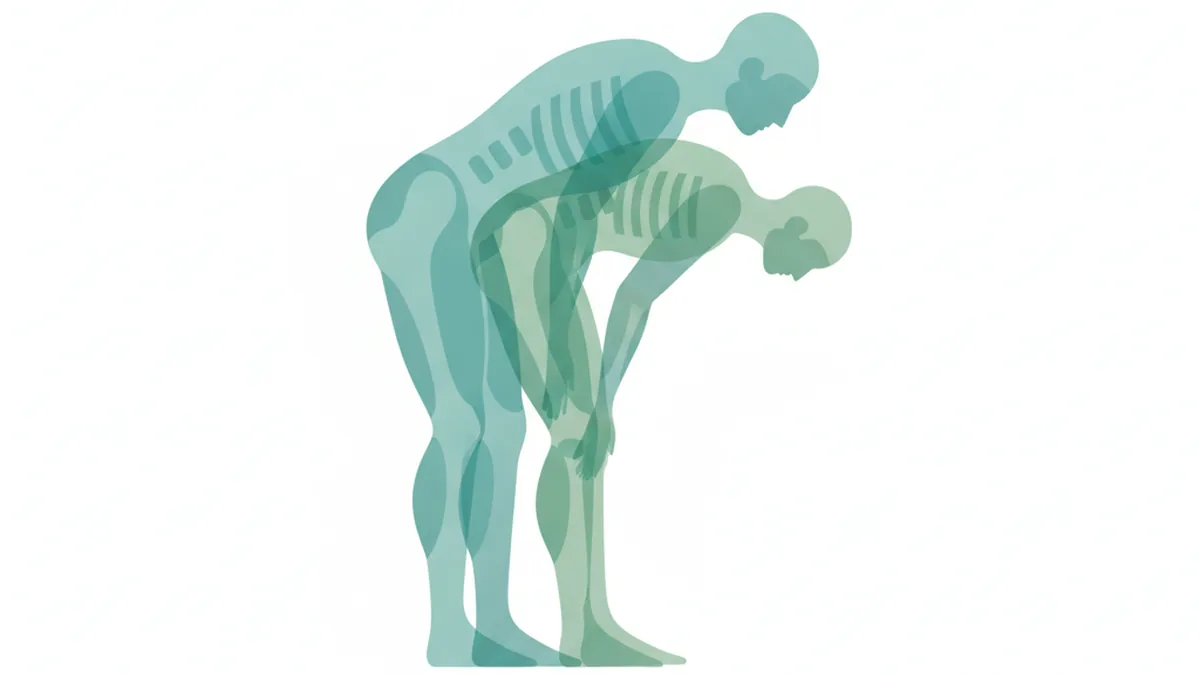
This practical test tells you a lot about pain origin: Does changing position or moving differently make it better or worse?
Musculoskeletal pain almost always changes with movement. If twisting to the left makes right-side pain worse, or if lying on the painful side intensifies it, you're likely dealing with muscle strain, rib issues, or ligament problems. Taking a deep breath that expands the ribcage will worsen muscle or pleural pain but typically won't affect organ pain much.
Try this: press firmly on the painful area. Muscle and rib pain usually get worse with pressure. Organ pain typically doesn't change much when you press — it hurts the same whether you're prodding the area or not. There's a deeper, unreachable quality to visceral pain that makes it feel "inside" rather than surface-level.
Organ-related pain tends to maintain consistent character regardless of position. Kidney stone pain doesn't care if you're lying down, standing up, or twisted like a pretzel — it hurts the same agonizing amount. Gallbladder pain might ease slightly when you're upright versus reclined, but it won't disappear when you shift positions the way muscle pain might.
Digestive pain often responds to eating, bowel movements, or passing gas. Pain that improves after a bowel movement points toward the colon. Pain that appears 30-90 minutes after meals suggests upper digestive involvement — gallbladder, stomach, or pancreas.
Ovarian pain in women may worsen with movement or certain positions, creating some overlap with musculoskeletal patterns. The timing relative to the menstrual cycle offers the distinguishing clue here.
One red flag that transcends this categorization: pain that makes you instinctively stay very still. When people with peritonitis (inflammation of the abdominal lining) or appendicitis get severe, they don't want to move at all. Even the jostling of a car ride becomes unbearable. This "don't touch me, don't make me move" quality indicates something more serious than muscle strain.
The Pattern of Recurrence: What Coming and Going Tells You
The rhythm of intermittent pain provides diagnostic clues beyond location.
Rapid cycling — pain that comes in waves every few minutes — suggests something moving or spasming. Kidney stones create this pattern as they inch down the ureter. Intestinal cramping from gas or diarrhea comes in waves that peak and recede. Gallbladder contractions create similar wave patterns, though usually longer cycles than intestinal cramps.
Meal-related patterns point toward digestive structures. Gallbladder pain typically starts 30 minutes to two hours post-meal, worse after fatty foods. Pancreatic pain may begin while eating or shortly after. Peptic ulcer pain classically appears when the stomach is empty and eases with food, though this pattern is less reliable than once thought.
Cyclical monthly patterns in women obviously suggest reproductive system involvement. Mittelschmerz — ovulation pain mid-cycle — creates sharp, one-sided pain that lasts minutes to hours. Endometriosis creates pain that builds leading up to menstruation and through the period itself.
Activity-related patterns characterize muscle and hernia pain. A hernia may hurt when lifting, coughing, or straining, then disappear completely when you're relaxed and reclined. Muscle strains hurt during use of that muscle group.
Random, unpredictable occurrence makes diagnosis harder but often points toward functional issues rather than structural problems. Irritable bowel syndrome creates abdominal cramping and pain that comes and goes without obvious triggers. Costochondritis can flare randomly or with certain movements that stress the inflamed area.
Here's what should raise concern: pain that's progressively worsening despite its intermittent nature. If each episode is more intense or lasting longer than the previous one, or if pain-free intervals are shortening, something is evolving. This pattern suggests a developing problem rather than a stable, chronic issue. Don't wait for it to become constant — worsening intermittent pain warrants evaluation.
When Intermittent Becomes "Call Someone Now"
Some intermittent pain patterns need urgent attention despite the "coming and going" nature that might seem reassuring.
Seek emergency care if side pain comes with: - Fever above 101°F (38.3°C) — suggests infection - Vomiting blood or coffee-ground material - Blood in urine (frank red or cola-colored) - Sudden, severe pain that peaks within minutes and is worse than anything you've experienced - Inability to pass gas or have a bowel movement with progressive bloating - Fainting or near-fainting episodes - Pregnancy (pain could indicate ectopic pregnancy or ovarian torsion) - Recent trauma to the area
Contact your doctor the same day for: - Pain persisting more than 24 hours, even if intermittent - Pain gradually intensifying over several hours - Associated nausea and appetite loss - Fever with pain (even low-grade) - Pain that's migrating or changing location - New pain in someone with a history of cancer, inflammatory bowel disease, or kidney stones
The mistake people make with intermittent pain is waiting for it to "declare itself" as serious. But appendicitis can be on-and-off for hours before it becomes surgical. Gallstones can cause weeks of meal-related twinges before triggering acute cholecystitis. Kidney infections can smolder with flank pain that comes and goes before turning severe.
The Cleveland Clinic notes that unexplained abdominal pain lasting more than a week deserves medical evaluation, and the threshold is even lower if there are additional symptoms like fever, changes in bowel habits, or blood anywhere it shouldn't be.
The Practical Next Step
When you're trying to decode your own side pain, keep a brief log for a few days. Note: - Exact location (use your fingers to mark the spot) - Time of day it appears - What you were doing when it started - What you'd eaten in the past two hours - How long it lasts - What makes it better or worse - Any other symptoms (even if they seem unrelated)
This record helps your doctor enormously. "My side hurts sometimes" gives a clinician very little to work with. "I get sharp pain in my right flank, always 60-90 minutes after eating, lasting about 30 minutes, worse if the meal was greasy" points directly toward gallbladder.
For women, note where you are in your menstrual cycle. For anyone, note recent physical activities that might have strained something.
Most intermittent side pain isn't dangerous. Muscle strains heal. Gas passes. But the exceptions matter enough that geographic location and associated symptoms deserve your attention. Right-sided pain with nausea? Don't ignore it. Left flank pain with fever? That's worth a call. Pain that's getting worse despite its intermittent nature? Time to get it checked.
Your body uses pain as a signaling system. Intermittent pain might be a whisper rather than a shout, but it's still saying something worth hearing.
Frequently Asked Questions
Can side pain that comes and goes be serious?
Yes, absolutely. Conditions like early appendicitis, kidney stones, and gallbladder disease all cause intermittent pain initially. The "comes and goes" pattern doesn't rule out serious problems — it's the location, associated symptoms, and progression over time that matter most. Any pain that's worsening, includes fever, or persists more than 24 hours warrants medical evaluation.
How can I tell if side pain is kidney-related?
Kidney pain typically appears in the flank area — the side/back region between your lower ribs and hip. It often stays consistent when you move or change position, unlike muscle pain. If it's from a kidney stone, the pain comes in severe waves and may radiate toward your groin. Blood in the urine, even slight pink tinting, strongly suggests kidney involvement. Kidney infections add fever, chills, and often nausea.
Why does my right side hurt after eating fatty meals?
This classic pattern points to your gallbladder. It contracts to release bile that helps digest fats, and if you have gallstones or inflammation, that contraction creates pain. The discomfort typically starts 30 minutes to two hours after eating, may radiate to your right shoulder blade, and lasts anywhere from 15 minutes to several hours. If this pattern repeats regularly, it's worth discussing with your doctor — gallbladder problems don't resolve on their own.
Should I be worried about side pain that only happens when I move certain ways?
Pain that appears with specific movements and disappears when you're still usually indicates a musculoskeletal issue — strained muscle, ligament problem, or rib cartilage inflammation. These conditions are generally not dangerous, though they can be quite uncomfortable. The concern would be if the pain starts appearing without movement, becomes constant, or includes other symptoms like fever or digestive changes.
When is left side pain an emergency?
Seek emergency care for left side pain if you have: sudden severe pain with vomiting, signs of shock (pale skin, rapid heartbeat, dizziness), inability to pass gas or stool with increasing bloating, fever above 101°F with pain, or if you're pregnant. For women, sudden severe left lower pain with dizziness could indicate a ruptured ovarian cyst or ectopic pregnancy. Left upper quadrant pain after trauma to the area might mean splenic injury and requires immediate evaluation.
This article is for informational purposes only and isn't a substitute for medical advice. Talk to a qualified healthcare provider about your specific situation.
Sources & further reading
This article draws on guidance from recognized health authorities:


Comments
Post a Comment