Heartburn That Keeps Coming Back: What's Really Going On?
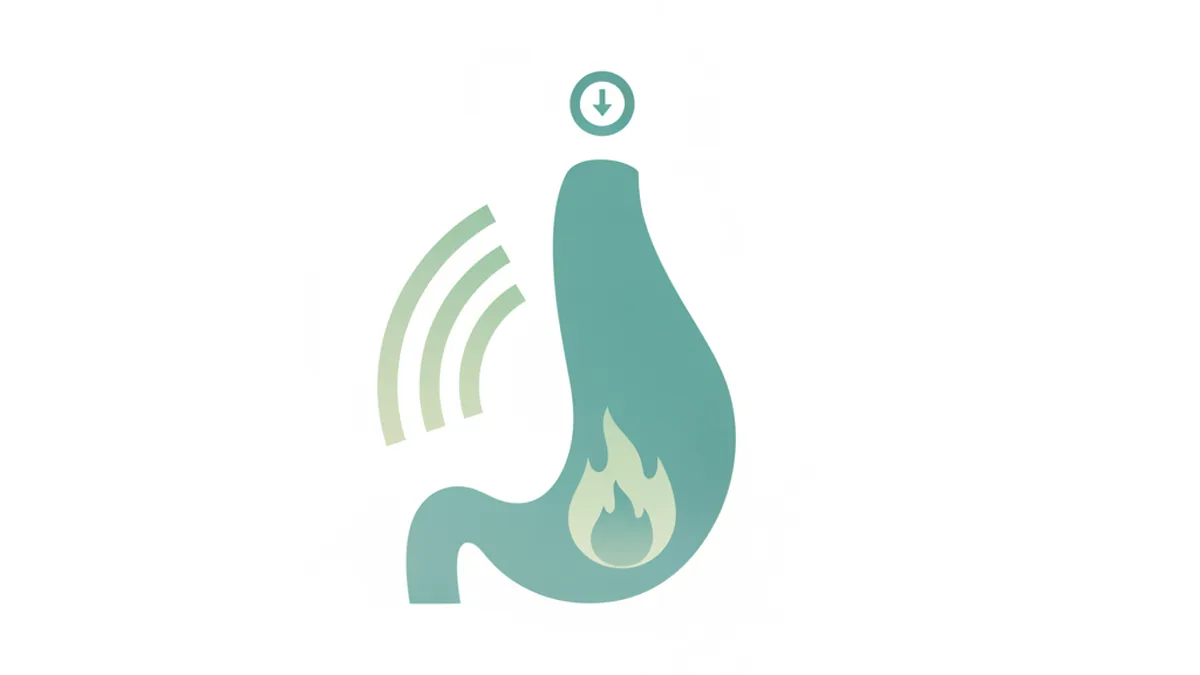
You've felt that familiar burn creep up your chest three times this week. Last week it was twice. The week before, maybe four times? At what point does "I ate too much pizza" become "something's actually wrong here"?
The line between occasional reflux and gastroesophageal reflux disease (GERD) isn't always obvious, but it matters. One's a normal bodily hiccup; the other's a chronic condition that damages tissue over time. Here's how to tell them apart.
Key Takeaways
- Occasional heartburn happens to most people a few times a month after trigger foods or large meals — GERD means symptoms twice weekly or more, often disrupting sleep or daily activities.
- The real difference isn't just frequency: GERD involves a weakened lower esophageal sphincter that stays relaxed when it shouldn't, allowing repeated acid exposure that can scar tissue.
- Left unchecked, GERD raises your risk for Barrett's esophagus (a precancerous condition), esophageal strictures, and chronic inflammation — occasional reflux doesn't carry these long-term risks.
- Lifestyle changes work for both, but persistent GERD typically requires medication or even surgical intervention to prevent complications.
Occasional Reflux: The Body's Temporary Glitch

Think of your lower esophageal sphincter (LES) as a one-way valve between your esophagus and stomach. It's supposed to let food drop down into the stomach, then close tight. Occasionally, it relaxes at the wrong moment — usually because you've overloaded your stomach, eaten something particularly fatty or acidic, or laid down too soon after a meal.
When that happens, stomach acid splashes back up. You feel the burn. Your body corrects the problem within a few hours, and you move on.
Most adults experience this a handful of times each month. The triggers are predictable: that second glass of wine, the late-night burrito, the chocolate dessert you knew better than to eat. You might pop an antacid, feel better within twenty minutes, and genuinely forget about it by morning.
Typical occasional reflux: - Happens less than twice weekly - Clearly linked to a specific trigger (spicy food, alcohol, lying down after eating) - Resolves with over-the-counter antacids - Doesn't wake you at night - Doesn't interfere with work, exercise, or daily routines
The American College of Gastroenterology estimates that roughly 60 million Americans experience heartburn at least once monthly. For the majority, it's this benign, intermittent version.
GERD: When the Valve Stops Working Right
GERD is what happens when that sphincter weakens or relaxes too frequently. Instead of occasional misfires, you're dealing with chronic malfunction. Acid washes up regularly — twice a week or more — and the repeated exposure starts changing the tissue lining your esophagus.
The burn becomes routine. You start planning around it: avoiding certain foods entirely, propping up pillows at night, keeping antacids in your car and desk drawer. That's not normal digestive variation. That's a medical condition.
Why does the LES weaken? Sometimes it's structural — a hiatal hernia physically pushes part of the stomach above the diaphragm, disrupting the valve's mechanics. Sometimes it's hormonal (pregnancy can trigger it). Obesity increases abdominal pressure, forcing the valve open. Certain medications relax smooth muscle tissue, including the LES. Smoking damages the sphincter over time.
But the underlying mechanism is the same: your body's protective barrier against stomach acid has stopped functioning reliably. The esophagus, which isn't built to handle acid the way the stomach is, takes repeated hits.
Hallmark GERD symptoms: - Heartburn two or more times per week - Acid reflux that wakes you at night (this strongly suggests GERD, not occasional reflux) - Difficulty swallowing or the sensation of food sticking - Chronic dry cough or hoarseness, especially in the morning - A sour or bitter taste that lingers in your mouth - Chest pain that's not cardiac-related (always rule out heart issues first with a doctor)
The National Institute of Diabetes and Digestive and Kidney Diseases reports that GERD affects roughly 20% of the U.S. population — about one in five adults. It's not rare. But it does require different management than occasional heartburn.
The Complications That Matter
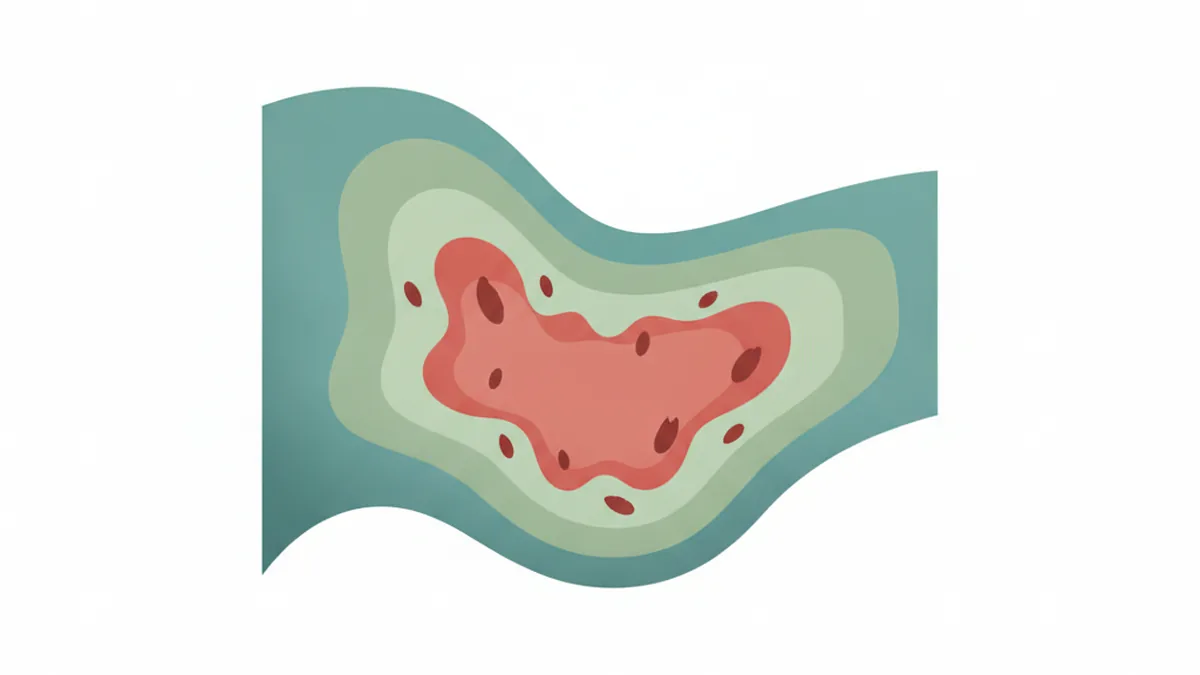
Here's the real dividing line: occasional reflux is uncomfortable but harmless. GERD, if left untreated, causes measurable damage.
Repeated acid exposure inflames the esophageal lining, a condition called esophagitis. Over months and years, that inflammation can lead to scarring and narrowing of the esophagus (strictures), making swallowing difficult. You might find yourself avoiding certain foods not because they trigger reflux, but because they physically won't go down easily.
More concerning is Barrett's esophagus, a change in the cells lining the lower esophagus. Constant acid irritation causes normal squamous cells to be replaced by columnar cells — the kind that line your intestines. This cellular transformation happens in roughly 10-15% of people with chronic GERD (per research on long-term reflux patients). Barrett's itself doesn't cause symptoms, but it's a precancerous condition. A small percentage of Barrett's cases progress to esophageal adenocarcinoma.
That progression isn't inevitable, and regular monitoring catches changes early. But it's a risk occasional reflux simply doesn't carry. Your esophagus isn't exposed to acid long enough or frequently enough to undergo those cellular changes.
GERD also correlates with dental erosion (acid wearing away enamel), chronic respiratory issues (aspiration of acid into the lungs can trigger asthma or recurrent pneumonia), and disrupted sleep. People with severe nighttime reflux often report worse quality of life scores than those with well-controlled chronic conditions like diabetes.
How Treatment Diverges
If you're dealing with occasional reflux, lifestyle tweaks usually solve the problem:
- Eat smaller meals more frequently instead of large portions
- Avoid lying down within three hours of eating
- Identify your triggers (common ones: chocolate, mint, caffeine, alcohol, tomatoes, citrus, fatty foods) and limit them
- Elevate the head of your bed by six inches (not just more pillows — you want your whole torso angled)
- Lose weight if you're carrying excess abdominal fat
Over-the-counter antacids (calcium carbonate or magnesium hydroxide) neutralize acid already in your esophagus. H2 blockers like famotidine reduce acid production for several hours. Both work fine for intermittent symptoms.
GERD, though, typically needs stronger intervention. Proton pump inhibitors (PPIs like omeprazole or esomeprazole) shut down acid production more completely and give the esophagus time to heal. Doctors often prescribe an eight-week course, then reassess. Some people need long-term PPI therapy; others can step down to H2 blockers or on-demand use once inflammation resolves.
The same lifestyle changes help, but they're rarely sufficient alone if you have GERD. You're managing a mechanical problem — the valve doesn't work — which means you need to either reduce what's splashing back (less acid via medication) or physically prevent the backwash (surgical options like fundoplication, where the top of the stomach is wrapped around the LES to reinforce it).
Surgery isn't common, but it's an option for people who don't respond to medication, can't tolerate long-term PPI use, or have structural issues like a large hiatal hernia. It works — fundoplication eliminates reflux in roughly 85-90% of carefully selected patients — but it's invasive, and recovery takes weeks.
The takeaway: if you're buying antacids every week, that's a signal. Your body's telling you this isn't occasional anymore.
When Self-Management Stops Being Enough

So you've cut out coffee, lost fifteen pounds, stopped eating after 7 PM, and propped up your bed. The heartburn's still there three nights a week. That's when you need a gastroenterologist.
Persistent symptoms despite lifestyle changes suggest either GERD that needs pharmaceutical management or, less commonly, something else mimicking reflux. Peptic ulcers, gastroparesis (delayed stomach emptying), even some cardiac conditions can present as "heartburn."
Certain red flags demand immediate evaluation: - Difficulty swallowing that's getting worse (progressive dysphagia) - Unintended weight loss - Vomiting blood or material that looks like coffee grounds - Black, tarry stools (a sign of gastrointestinal bleeding) - Chest pain, especially if it radiates to your arm or jaw (rule out heart attack first, always)
These aren't GERD. They're symptoms of something more serious — bleeding ulcers, esophageal cancer, cardiac events — that require urgent workup.
Even without red flags, chronic reflux warrants a proper diagnosis. A gastroenterologist might recommend an upper endoscopy (a camera down the esophagus to visualize damage), esophageal pH monitoring (measures acid levels over 24 hours), or esophageal manometry (tests how well the sphincter and esophagus muscles work). These tests distinguish GERD from other conditions and assess how much damage has occurred.
If you've had GERD for years, especially if you're over 50, your doctor may screen for Barrett's esophagus. Catching it early means surveillance endoscopies every few years. Finding dysplasia (abnormal cells) means more frequent monitoring or, in some cases, ablation procedures to remove precancerous tissue before it progresses.
The Gray Zone: When Frequency Alone Doesn't Tell the Story
Not everyone fits neatly into "occasional" or "GERD." Some people have weekly symptoms but no esophageal damage on endoscopy — what doctors call non-erosive reflux disease (NERD). Others have silent reflux (laryngopharyngeal reflux), where acid reaches the throat and voice box without much heartburn, causing chronic cough and hoarseness instead.
Pregnancy hormones relax the LES, and the growing uterus increases abdominal pressure, so reflux during pregnancy is nearly universal. But it's temporary. Most cases resolve after delivery, though some women find GERD persists postpartum if they had undiagnosed reflux beforehand.
Athletes, particularly runners and cyclists, report higher rates of reflux during intense training. The mechanical jostling, combined with delayed gastric emptying during hard efforts, pushes acid upward. This is usually exercise-induced and situational, not chronic GERD, but it can blur the lines.
The point is, medicine isn't always binary. If your symptoms don't fit the textbook pattern, that's okay — bring them to a clinician who can sort out what's happening in your case specifically.
Living With It vs. Fixing It
Here's what surprises people: many with GERD assume it's just something to endure. They'll take an antacid daily for years without mentioning it to a doctor. But untreated GERD isn't static. The damage accumulates. The sphincter doesn't spontaneously heal. Esophagitis doesn't reverse itself.
Treatment isn't about comfort alone (though that matters). It's about preventing the long-term consequences: strictures that make eating difficult, Barrett's that requires lifelong surveillance, chronic inflammation that raises cancer risk.
Occasional reflux, on the other hand, is truly something you can manage at home. It doesn't progress. It doesn't damage tissue. You adjust your habits, pop an antacid when needed, and move on.
The difference between the two isn't subtle once you know what you're looking for. If you're wondering which category you're in, track your symptoms for two weeks. How often do they happen? Do they wake you up? Do lifestyle changes help at all? That data — the pattern, not just isolated incidents — tells the story.
And if the answer is "this happens all the time, and nothing I do makes it stop," you're past the point where occasional reflux explains it. That's GERD, and it's worth treating properly.
Frequently Asked Questions
Can GERD turn into cancer?
GERD itself doesn't directly cause cancer, but chronic acid exposure can lead to Barrett's esophagus in 10-15% of GERD patients, and Barrett's carries a small risk of progressing to esophageal adenocarcinoma. Regular monitoring catches precancerous changes early, and most people with Barrett's never develop cancer. Still, untreated severe GERD raises your long-term risk compared to someone without chronic reflux.
How long should I try lifestyle changes before seeing a doctor?
If you have occasional reflux (less than twice weekly), lifestyle adjustments often work within a few weeks. But if you're experiencing symptoms twice a week or more for longer than two weeks despite cutting triggers and elevating your bed, that's GERD, and you should see a healthcare provider. Don't wait months hoping it'll resolve — early treatment prevents complications.
Is it safe to take antacids every day?
Over-the-counter antacids are safe for occasional use, but if you're reaching for them daily or multiple times per week, you likely have GERD and need a different treatment approach. Long-term PPI use (the stronger acid suppressors) does carry some risks — reduced calcium absorption, potential B12 deficiency, slightly higher fracture risk — but these are manageable with monitoring and often outweighed by the benefit of preventing esophageal damage. Discuss long-term medication plans with your doctor.
Does stress cause GERD?
Stress doesn't directly weaken the lower esophageal sphincter, but it does affect eating habits (eating quickly, choosing fatty comfort foods), sleep patterns, and stomach acid production. Many people report worse reflux during high-stress periods. Managing stress won't cure GERD if you have structural issues or a malfunctioning valve, but it can reduce symptom frequency. The condition itself has a physical, mechanical basis.
Can you have GERD without heartburn?
Yes. Some people experience "silent reflux," where acid reaches the throat and larynx but doesn't cause the classic burning sensation. Symptoms include chronic cough, hoarseness, throat clearing, and the feeling of a lump in the throat. This is more common in older adults and can be harder to diagnose because patients don't connect respiratory or throat symptoms to a digestive issue.
This article is for informational purposes only and isn't a substitute for medical advice. Talk to a qualified healthcare provider about your specific situation.
Sources & further reading
This article draws on guidance from recognized health authorities:


Comments
Post a Comment