Bunions: What Actually Works to Relieve Them Without Surgery
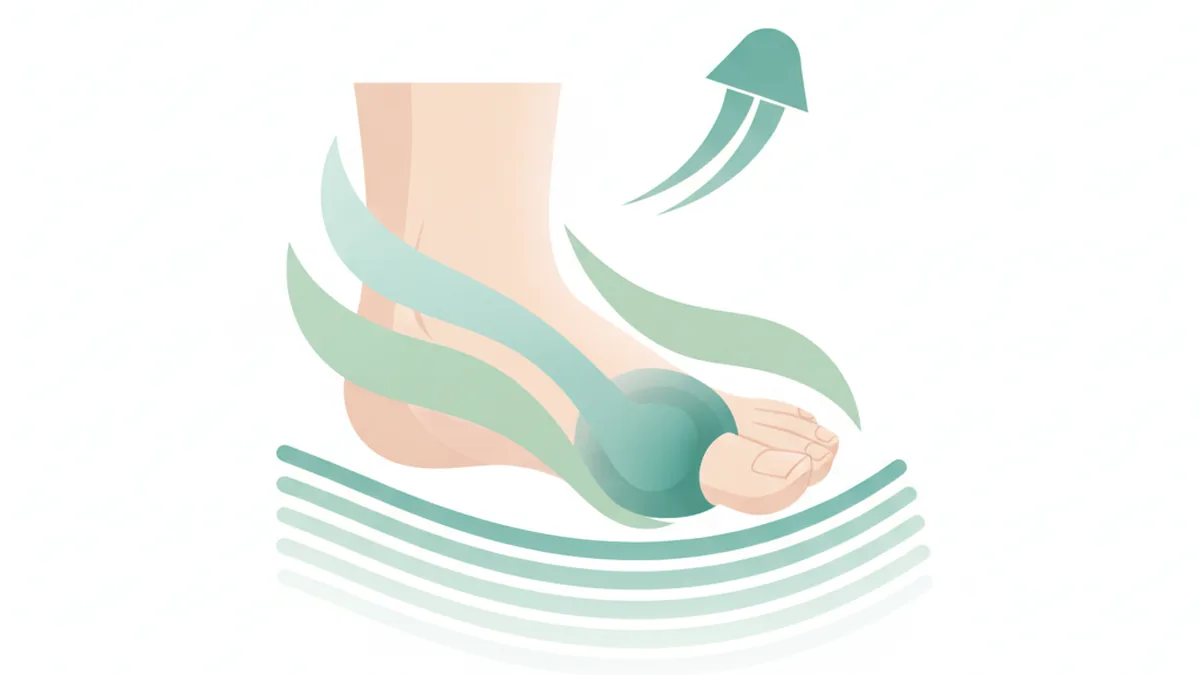
You notice a slight ache when you slip on your favorite shoes. A few months later, that bump at the base of your big toe is visible even barefoot. Fast forward a year, and you're reorganizing your entire wardrobe around what your feet can tolerate. Bunions don't announce themselves dramatically—they creep up slowly, reshaping not just your foot but your daily choices.
Most people assume surgery is inevitable. It's not. The majority of bunions respond well to conservative treatment, especially when you catch them early and commit to changes that actually address the mechanical problem. Here's what works at each stage, backed by research and years of clinical outcomes.
Key Takeaways
- Bunion progression isn't inevitable—specific footwear changes and exercises can halt worsening in many cases, particularly when started early.
- Pain reduction often happens within 2-4 weeks of proper shoe modifications and toe spacers, though the bony prominence itself won't reverse without surgery.
- Surgery becomes necessary for roughly 20-30% of people with bunions, typically only when conservative measures fail and pain interferes with daily function.
- Night splints show mixed results—they may slow progression but rarely reverse deformity; daytime toe spacers during activities provide more consistent relief.
Week One: The Immediate Relief Phase
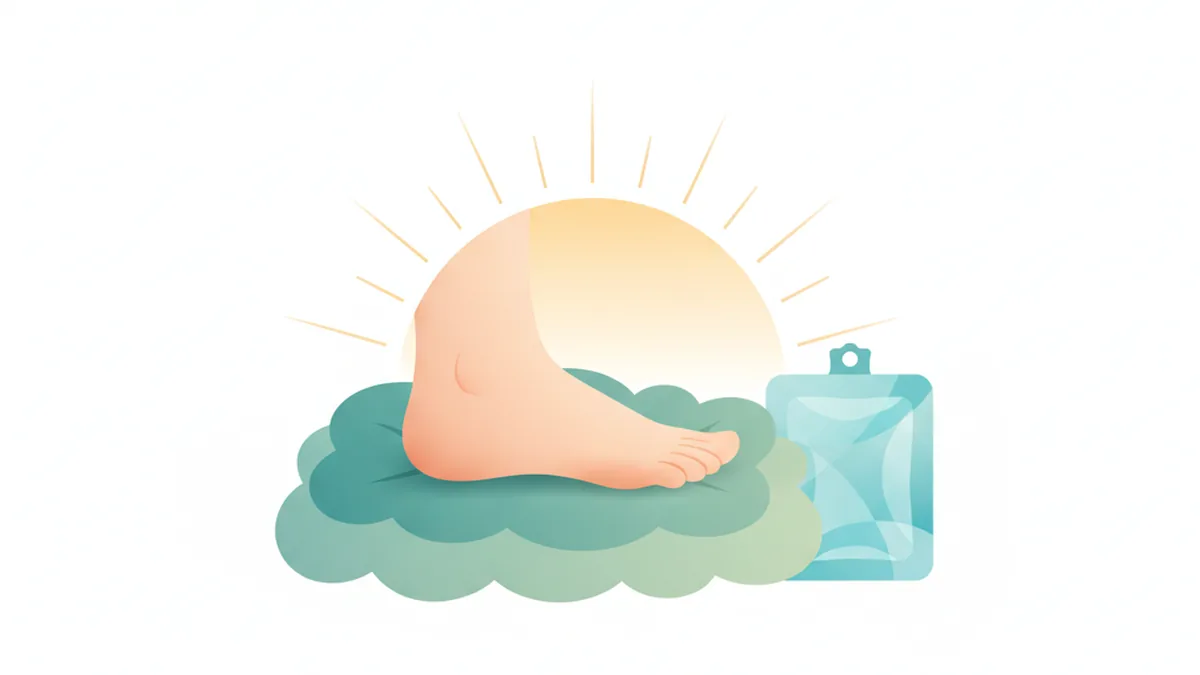
Your first goal isn't fixing the bunion—it's stopping the cycle of inflammation that's causing most of your pain right now.
Ditch the pressure points. That bony bump (technically called a hallux valgus deformity) is your first metatarsal head being pushed outward while your big toe angles toward the others. Every time your shoe presses against it, you're irritating the bursa—a fluid-filled sac that cushions the joint. When irritated chronically, it swells and hurts disproportionately to the bunion's size.
Switch immediately to shoes with a wide toe box. Not "wide width" shoes—those are wider everywhere. You need depth and breadth specifically at the toes. The gold standard: you should be able to wiggle all your toes freely when standing. Brands like Altra, Topo Athletic, and certain Hoka models are built this way from the ground up. If you're wearing heels regularly, this is your intervention point. Heels above two inches shift your body weight forward, jamming your toes into the front of the shoe and accelerating bunion progression.
Ice the inflammation down. Ten minutes on, twenty minutes off, three times daily for the first week. The bunion itself won't shrink, but the angry, red, swollen tissue around it will calm considerably. Some people see a 40-50% reduction in discomfort just from eliminating the pressure and icing consistently.
Start using toe spacers during rest. Not the flimsy foam pedicure kind—medical-grade silicone spacers that gently separate your big toe from the second toe. Wear them while sitting, watching TV, reading. Start with 15-20 minutes if they feel strange, then build up to an hour or more. They're retraining the soft tissues to tolerate a more anatomically correct position.
Within seven days, most people notice the throbbing, end-of-day ache diminishes. You're not reversing bone changes, but you're removing the irritants that make bunions hurt.
Month One: Addressing the Biomechanics
Now that the acute inflammation has settled, you can address why the bunion formed in the first place. Bunions aren't just bad luck—they're often the result of how your foot functions when you walk.
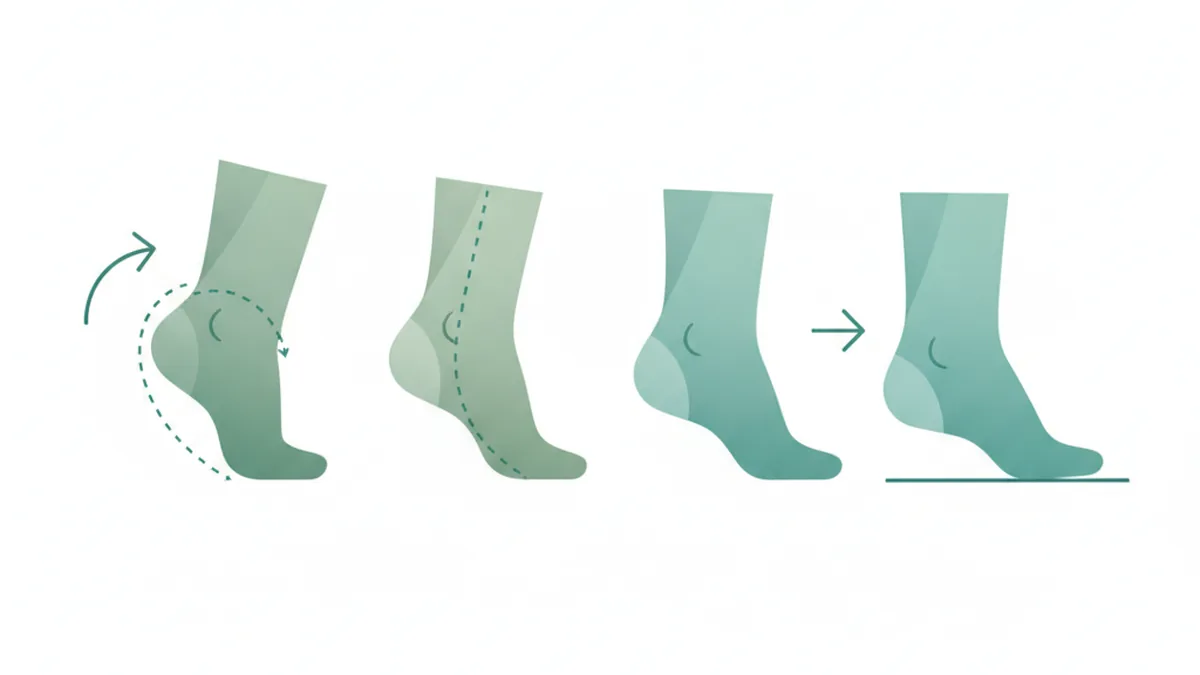
Consider custom or over-the-counter orthotics. Many bunions develop because of overpronation—your arch collapses inward with each step, causing the first metatarsal to splay outward over time. Arch support that controls this motion can genuinely slow progression. Research suggests orthotics work best for flexible bunions (where you can manually straighten the toe) versus rigid ones.
You don't necessarily need custom orthotics. Well-designed over-the-counter options from Superfeet or Powerstep often provide adequate arch control for mild to moderate pronation. If your bunion is advanced or you have other foot issues (flat feet, high arches, plantar fasciitis), a podiatrist can assess whether custom devices are worth the investment—usually $400-600.
Begin daily toe exercises. The muscles controlling your big toe have likely weakened or stopped firing correctly. Specific exercises can rebuild that motor control:
Toe spreading: Sit barefoot and consciously spread all five toes apart without curling them. Hold 5 seconds. Repeat 10 times, twice daily. Harder than it sounds, especially at first.
Big toe lifts: Keep your other four toes on the ground and lift just your big toe. Then reverse—keep the big toe down, lift the other four. This builds independent control. Ten reps each direction.
Towel scrunches: Place a small towel on the floor and use your toes to scrunch it toward you. Builds the small intrinsic foot muscles.
These won't unbend your toe, but they improve the foot's overall stability and can reduce compensatory pain in your arch or second toe (which often bears extra weight as you avoid the bunion).
Assess your walking pattern. Some people unconsciously walk on the outside of their foot to avoid bunion pressure, which creates new problems in the ankle and knee. A physical therapist can identify these compensatory patterns and retrain a more neutral gait. Even three or four sessions can make a meaningful difference.
By the end of month one, you should have significantly less day-to-day pain and a system in place to prevent worsening.
Months Two to Six: The Stabilization Phase
This is where many people plateau—and that's actually success. If your bunion isn't getting worse, you've won a significant victory.
Night splints: worth it? The evidence is honestly mixed. Night splints hold your big toe in a straighter position while you sleep. Some small studies suggest they may slow progression in early bunions, but they don't reverse established deformity. They're bulky, and many people abandon them because of sleep disruption.
If you try one, give it six weeks minimum. The goal isn't dramatic realignment—it's maintaining soft tissue flexibility and possibly slowing progression by a few degrees. They work best for people under 40 with flexible bunions who are highly motivated.
Monitor your second toe. As a bunion worsens, the big toe often pushes the second toe upward, creating a hammertoe. You might notice the second toe sitting higher than the others or developing a painful corn on top from shoe rubbing. Addressing this early—through toe sleeves, better shoes, and exercises—prevents a second surgical problem down the road.
Track your pain objectively. Rate your pain weekly on a simple 0-10 scale, same time of day, after similar activity. If conservative measures are working, you should see steady decline or stabilization. If pain is creeping upward despite three months of diligent effort, that's data worth discussing with a podiatrist or orthopedic surgeon.
Manage expectations about the bump. Once bone has remodeled, non-surgical treatments won't make the bunion smaller. You're managing symptoms and preventing progression, not reversing the clock. Some people find this disappointing until they realize that pain-free function with a visible bunion is far preferable to months of surgical recovery.
Most people reach a sustainable equilibrium somewhere in this phase. The bunion exists, but it's not limiting their life.
When Conservative Treatment Isn't Enough
Surgery makes sense when pain persists despite consistent non-surgical efforts for at least three to six months, when the bunion prevents you from activities that matter to you, or when the toe crosses over the second toe and creates additional deformities.
But here's what you should know: bunion surgery has evolved. The old "bunionectomy" that just shaved the bump rarely works long-term because it didn't address the structural problem. Modern procedures reposition the bones, sometimes with screws or pins, actually correcting the angle. Recovery is substantial—typically six to twelve weeks before walking normally, three to six months before athletic activities. Success rates are generally good (85-90% patient satisfaction in research), but recurrence happens in 10-15% of cases, usually related to genetic foot structure or continued poor footwear choices.
Worth discussing with your doctor: Are you a candidate for minimally invasive bunion surgery? Some surgeons now perform percutaneous procedures through tiny incisions, with potentially faster recovery. The data is still emerging on long-term outcomes compared to traditional open surgery.
The Footwear Question That Actually Matters
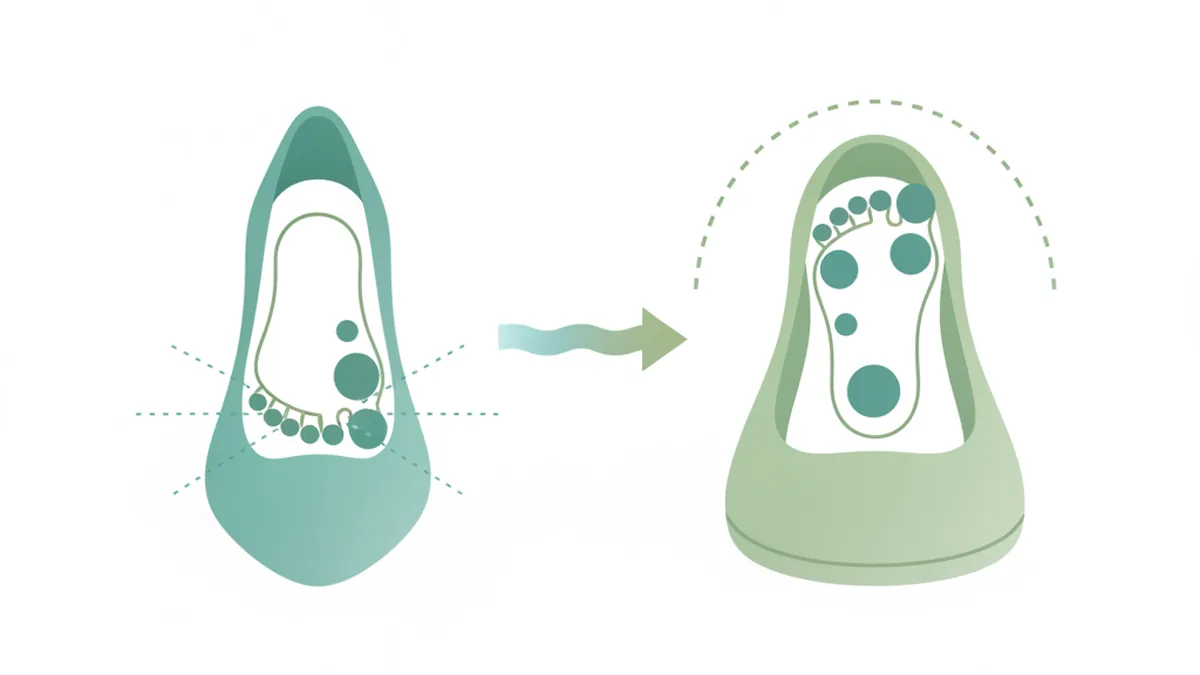
Can you ever wear narrow or heeled shoes again? Honestly, it depends on your bunion's severity and your pain tolerance.
Some people reach a point where they can occasionally wear dressier shoes for a few hours without reigniting inflammation—if they've maintained foot strength through exercises and immediately return to supportive footwear afterward. Others find even short periods in problematic shoes trigger days of discomfort.
The key word: occasionally. Wearing constrictive shoes daily while doing exercises and orthotics on the side is like bailing water from a boat while someone's still drilling holes in the hull.
If fashion footwear is non-negotiable for your work or lifestyle, that's legitimate—but it probably moves you closer to surgical consideration, because you're choosing not to remove the primary mechanical stressor.
What Research Suggests About Prevention
Can you prevent bunions if they run in your family? Not entirely, but you can likely delay onset or reduce severity.
Bunions have a strong genetic component—if your parent had them, your odds increase substantially. You inherit foot structure: bone length, ligament laxity, arch height. But genes aren't destiny. People who wear supportive, roomy shoes throughout life tend to develop less severe bunions later than those in chronic footwear that crowds the toes.
Children and teens are a special case. Pediatric bunions should be evaluated by a specialist, because growing feet sometimes respond to aggressive bracing or orthotics in ways adult feet don't. Early intervention occasionally prevents surgical need later.
Frequently Asked Questions
Can bunions go away on their own without treatment?
No. Once the bone has shifted, it won't spontaneously return to its original position. However, the pain and inflammation around a bunion can absolutely improve—sometimes dramatically—with proper footwear, exercises, and orthotics. Many people reach a point where the bunion exists but doesn't bother them, which is a successful outcome that doesn't require surgery.
How long should I try conservative treatment before considering surgery?
Most orthopedic surgeons recommend at least three to six months of consistent non-surgical treatment before discussing surgery, assuming your bunion isn't severely affecting your ability to walk or work. If you've genuinely committed to wider shoes, orthotics, exercises, and activity modification for six months and you're still in significant daily pain, that's a reasonable timeline to have a surgical conversation.
Do bunion correctors and toe spacers actually work?
Toe spacers provide genuine symptomatic relief for many people by reducing pressure between toes and maintaining soft tissue flexibility, but they don't reverse bone deformity. Rigid "bunion corrector" splints marketed online often overpromise—they can't permanently realign an established bunion, though night splints may slow progression in early, flexible cases. The most honest benefit: they keep you conscious of your toe position and prevent stiffening of the joint.
Is it true that bunion surgery has a high failure rate?
Older bunion procedures had higher recurrence rates, sometimes 20-30%, because they only addressed the bump without correcting the underlying bone angle. Modern bunion surgeries—particularly those that reposition the metatarsal bone and address joint alignment—have success rates of 85-90% when performed by experienced foot and ankle surgeons. Recurrence still happens, usually in people with genetic predisposition or those who return to poorly-fitting footwear, but outcomes have improved significantly with better surgical techniques.
Can losing weight help reduce bunion pain?
Weight loss can reduce overall stress on your feet and may decrease the rate of bunion progression, but it won't eliminate an existing bunion or its associated pain. That said, carrying less weight means less force through the big toe joint with every step, which can make a noticeable difference in daily comfort, particularly during long periods of standing or walking. It's one factor among many—supportive footwear and proper biomechanics matter more for bunion-specific pain.
This article is for informational purposes only and isn't a substitute for medical advice. Talk to a qualified healthcare provider about your specific situation.
Sources & further reading
This article draws on guidance from recognized health authorities:


Comments
Post a Comment