That Headache Isn't Cancer — But Your Google Search Says Otherwise
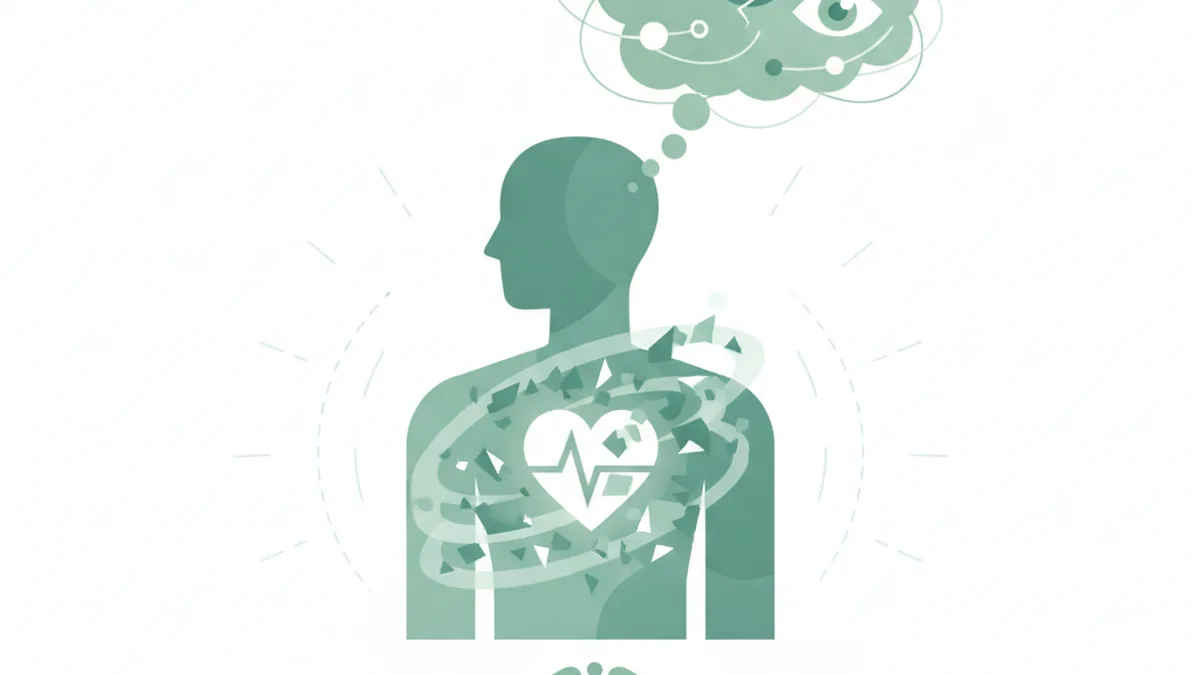
You notice a mild headache. Nothing dramatic — just a dull throb behind your left eye. You open your phone. Five minutes later, you're reading about brain tumors. Ten minutes after that, you're convinced the slight numbness in your fingertips (which you only noticed after reading) confirms it. Welcome to cyberchondria: the uniquely modern anxiety spiral that turns every minor symptom into a catastrophic diagnosis.
The term sounds almost cute, but the experience isn't. Cyberchondria — health anxiety amplified by online symptom searching — affects roughly 30-40% of people who regularly search medical information online, according to research from multiple health psychology studies. What starts as a reasonable attempt to understand your body becomes a compulsive loop of searching, cross-checking, and escalating fear.
Key Takeaways
- Cyberchondria typically follows a predictable pattern: initial symptom awareness, first search leading to worst-case scenarios, temporary relief from negative tests followed by renewed searching, and progressive isolation as anxiety increases.
- The first 24-48 hours after noticing a symptom are the highest risk period for developing an anxiety spiral — setting boundaries on searches during this window is crucial.
- Breaking the cycle requires both immediate interruption strategies (time delays, search limits) and addressing the underlying anxiety driving the behavior, often with professional support.
- Most people with cyberchondria have real physical sensations — the problem isn't that symptoms are imagined, but that minor, benign issues get catastrophically misinterpreted online.
Hour 1: The Innocent Search
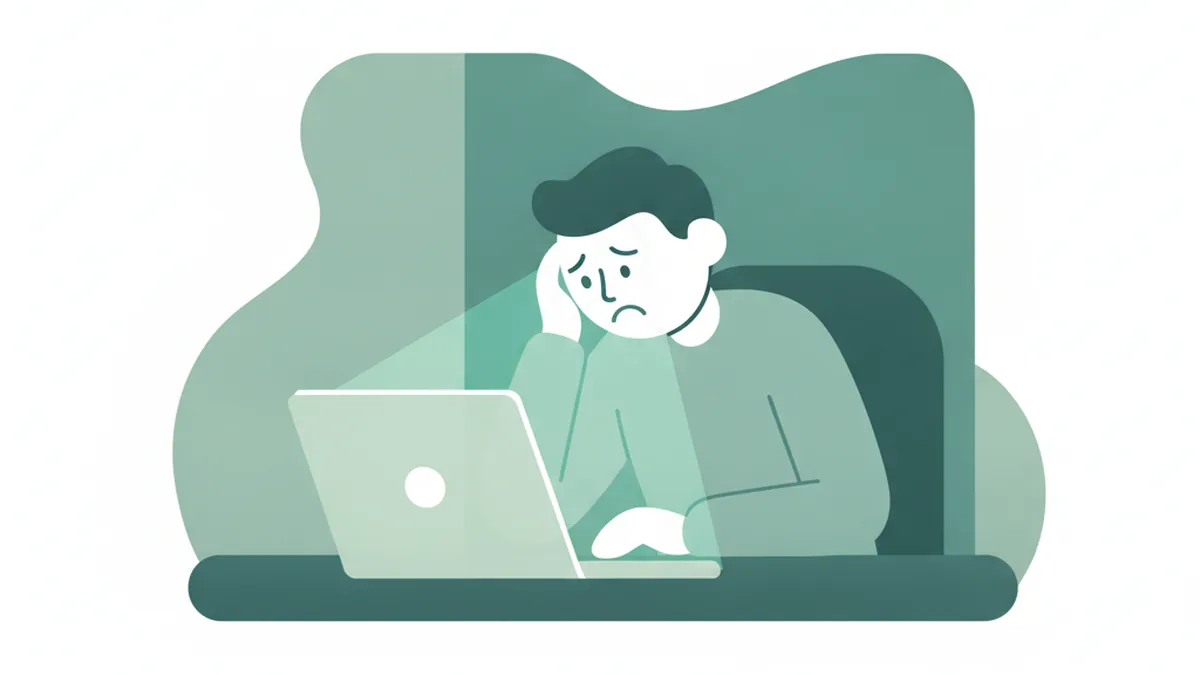
Let's trace how this unfolds. You notice something off with your body. Maybe it's: - Persistent fatigue that sleep doesn't fix - A strange rash on your forearm - Chest tightness after climbing stairs - Random sharp pains in your abdomen
Completely reasonable to wonder what's happening. So you type your symptoms into Google.
Here's where the algorithm betrays you. Search engines optimize for engagement, not reassurance. You're not served the most likely explanation for your symptoms — you get the most clicked results. And people click on scary diagnoses far more than "you're probably fine." A study on health-related search patterns found that symptom searches disproportionately surface rare, severe conditions in the top results, even when common benign causes are statistically thousands of times more likely.
Your mild headache? The top results mention migraines (plausible), tension headaches (boring), and brain tumors (terrifying). Guess which one your anxious brain latches onto.
Within the first hour, you've typically read three to seven articles. You've opened multiple tabs. You've mentally checked off symptoms you didn't even notice before reading about them. The medical term for this is "symptom amplification" — once you know a symptom could exist, you start detecting it everywhere.
Day 1: The Spiral Tightens
By the end of the first day, you've entered what psychologists call the "reassurance-seeking cycle." But here's the cruel irony: seeking reassurance online rarely provides it.
You search for "headache NOT brain tumor." You find forums where someone with similar symptoms was eventually diagnosed with cancer. You read that 95% of headaches are benign — but your brain fixates on the 5%. You look up statistics, survival rates, early warning signs. Each search is an attempt to feel better, but actually deepens the groove of anxiety.
The physical symptoms often intensify during this phase, which creates a devastating feedback loop. Anxiety itself produces real, measurable bodily changes: muscle tension, altered breathing patterns, heightened pain sensitivity, digestive upset, heart palpitations. You're not imagining these sensations — they're genuine physiological responses to stress. But they also perfectly mimic the symptoms of serious illness, which drives more searching.
Many people start keeping symptom journals at this stage. They photograph rashes. They measure their heart rate obsessively. They track every twinge and fluctuation. This hyper-vigilance guarantees you'll notice more symptoms, because you're monitoring your body with microscopic intensity that no healthy person maintains.
A particularly insidious feature kicks in: you start noticing that other people aren't constantly monitoring their bodies this way. Friends mention headaches casually, then forget about them. This awareness that your response is disproportionate sometimes helps — but often just adds a layer of shame that prevents you from seeking actual help.
Week 1: The Doctor Visit (That Doesn't Help)
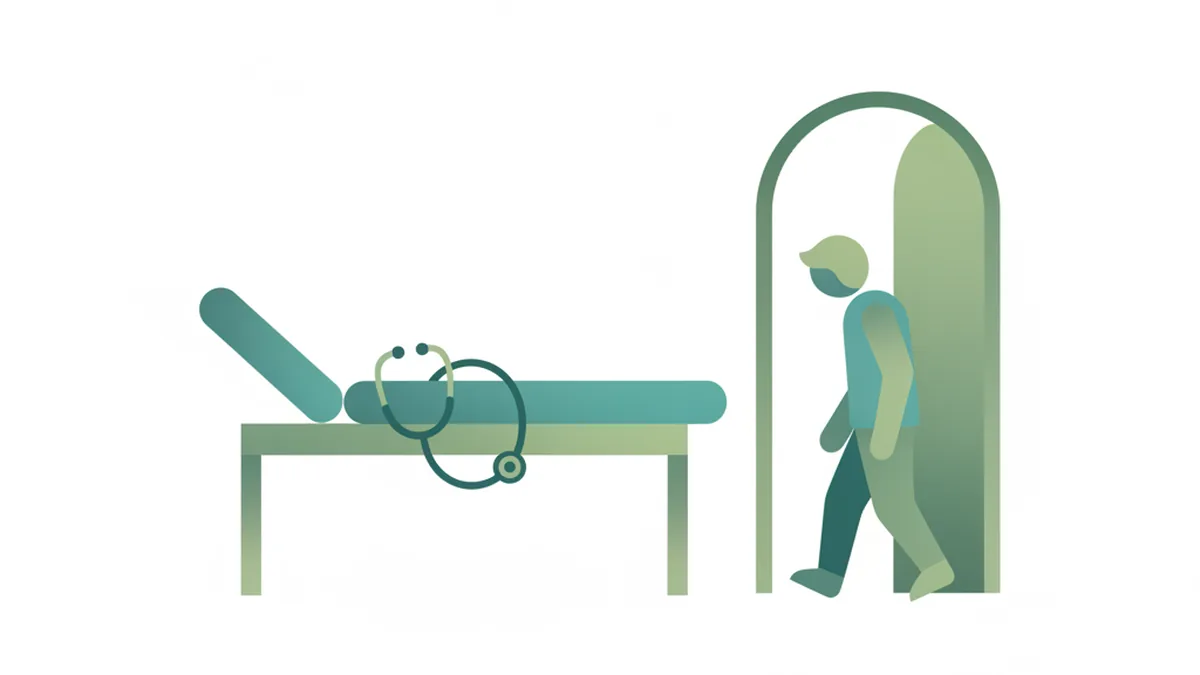
By the end of the first week, many people have seen a physician. This is actually good — ruling out serious conditions is appropriate medical care. The problem is what happens after the doctor says you're fine.
"Your exam is normal. Your blood work is normal. I'm confident this isn't anything serious."
Most people would feel relief. But with cyberchondria, the relief lasts about four hours. Then new doubts creep in: - "But did they check for this specific thing I read about?" - "What if it's too early to detect on tests?" - "The doctor seemed rushed — did they really listen?" - "I read about someone who got misdiagnosed three times before..."
You return to searching, but now with a new goal: finding information that explains why the doctor might have missed something. Medical error statistics. Cases of delayed diagnosis. Rare presentations of common diseases. The reassurance you sought from a professional consultation evaporates under the weight of online information suggesting doctors aren't infallible.
Some people seek second opinions during this phase. Some request specific tests they've read about. Some simply resume the search cycle with renewed intensity, convinced they need to be their own medical detective.
The relationship with healthcare providers can become strained. Doctors recognize the pattern — a patient presenting with minor symptoms, excessive anxiety, extensive self-research, and resistance to reassurance. It's frustrating on both sides. The patient feels unheard; the physician feels their expertise is being second-guessed by Dr. Google.
Month 1: When It Becomes a Pattern
If cyberchondria continues for weeks, it typically evolves from acute anxiety into a chronic pattern that reshapes daily life.
Work productivity drops. You're searching symptoms during meetings, unable to concentrate on anything except the physical sensation you're monitoring. Social interactions feel hollow because part of your mind is always tracking your heartbeat or analyzing that twinge in your side.
Sleep deteriorates, which is particularly cruel because sleep deprivation amplifies both anxiety and physical symptoms. You lie awake performing body scans, noticing every sensation, sometimes pulling out your phone at 2 AM to search "does fatigue mean cancer" for the fifteenth time. The next day's exhaustion seems to confirm something is deeply wrong, fueling another search cycle.
Relationships suffer. Partners grow frustrated hearing the same health fears repeatedly. Friends stop asking how you're doing because the answer is always a detailed symptom report. You might start avoiding social situations because they interfere with symptom monitoring — or because your anxiety is so high that normal activities feel impossible.
Financial costs accumulate. Multiple doctor visits, specialist referrals, tests, supplements and treatments you read about online. People with severe health anxiety spend significantly more on healthcare despite generally being medically healthy.
Some people develop avoidance behaviors in the opposite direction — skipping preventive care because they're terrified of what might be found, or avoiding any situation (exercise, stress, certain foods) that might trigger symptoms. The anxiety that started as hyper-vigilance can paradoxically lead to neglecting actual health.
Month 3+: The Long Tail

For those where cyberchondria persists beyond a few months, it often becomes interwoven with generalized anxiety or depression. The constant state of physiological arousal exhausts the nervous system. The isolation and loss of normal activities create depressive symptoms. The original symptom — if it even still exists — has become almost irrelevant. The anxiety itself is now the primary health problem.
Research on health anxiety disorder (the clinical term when cyberchondria becomes severe and persistent) shows that without intervention, symptoms often fluctuate but rarely resolve spontaneously. People might fixate on different body systems over time — this month it's cardiac fears, next month gastrointestinal, then neurological — but the underlying pattern remains.
Some people develop elaborate mental rules: "I can only search symptoms once per day," which they immediately violate. "I'll just check one more reliable source," which leads to seventeen tabs. These attempted controls that fail create additional shame and sense of lost control.
The tragedy is that effective treatments exist. Cognitive-behavioral therapy specifically designed for health anxiety shows strong success rates. The core principle: learning to tolerate uncertainty about health without compulsive checking, and addressing the underlying catastrophic thinking patterns that fuel the anxiety. But many people struggle for months or years before seeking mental health support, either because they don't recognize the pattern as psychological, or because accepting that diagnosis feels like admitting the symptoms were "all in your head."
They weren't. The symptoms were real. The anxiety is real. The suffering is absolutely real. What's distorted is the interpretation and the response.
Breaking the Pattern: What Actually Works
If you recognize yourself in this timeline, here's what evidence and clinical experience suggest helps:
Immediate interruption strategies: Set a firm boundary on symptom searches. Not "I won't search" — that's often too hard to maintain — but "I'll wait 48 hours before searching this symptom." Delay, don't prohibit. Often, symptoms resolve or your anxiety decreases enough to search more rationally. Use a physical timer if helpful.
Designate one trusted medical resource (Mayo Clinic, Cleveland Clinic, NHS) and ONLY consult that source, once. Not forums. Not Reddit threads. Not AI chatbots. Definitely not obscure medical journals you're not qualified to interpret.
When you catch yourself in reassurance-seeking, label it: "I'm doing the cyberchondria thing again." Sometimes just naming the pattern creates enough distance to interrupt it.
Address the underlying anxiety: Consider therapy specifically for health anxiety, particularly Acceptance and Commitment Therapy (ACT) or Cognitive Behavioral Therapy (CBT). These approaches help you develop tolerance for the discomfort of uncertainty — which is ultimately the skill you're missing.
Practice sitting with physical sensations without immediately investigating or solving them. Body scan meditations can help, though they initially might increase anxiety as you notice more sensations. The goal isn't to eliminate awareness but to change your relationship with it.
Explore what the health anxiety might be protecting you from or expressing. Many people develop cyberchondria during life transitions, losses, or when facing other anxieties that feel more overwhelming than health fears. Sometimes health anxiety is the one thing that feels somewhat controllable when everything else doesn't.
Rebuild normal activity: Gradually re-engage with activities you've been avoiding. Social connection, exercise, hobbies, and work projects all help shift attention away from symptom monitoring. They also rebuild your identity as someone beyond "person with worrying symptoms."
If you're in a relationship, have an honest conversation about the pattern. Ask your partner to stop providing reassurance (which feeds the cycle) and instead gently redirect: "I think this might be the anxiety talking. Let's take a walk."
Know when to seek professional help: If searching symptoms consumes more than an hour daily, if it's disrupting work or relationships, if you're avoiding medical care due to fear, or if you're experiencing significant depression or panic attacks — these warrant professional mental health support. Contact a therapist who specializes in anxiety disorders or specifically health anxiety.
Worth discussing with your primary care physician, too. They can rule out actual medical issues and also refer you to appropriate mental health resources. A good doctor won't dismiss your concerns as "just anxiety" — they'll acknowledge that anxiety is producing real suffering that deserves real treatment.
Frequently Asked Questions
How do I know if I actually have a serious condition or just health anxiety?
The key distinction: serious medical conditions typically produce progressive or consistent symptoms, whereas anxiety-driven symptoms fluctuate wildly with stress levels and attention. If extensive medical evaluation finds nothing, and your symptoms shift or change based on what you're worried about, anxiety is very likely the primary issue. That said, you can have both real medical conditions and health anxiety — they're not mutually exclusive.
Can cyberchondria actually make me physically sick?
Yes. Chronic anxiety produces measurable physiological effects: elevated cortisol, muscle tension, sleep disruption, digestive problems, weakened immune response, and increased pain sensitivity. People with severe health anxiety often develop real stress-related conditions like tension headaches, irritable bowel syndrome, or chronic fatigue — creating a cruel irony where the anxiety itself becomes the health problem.
Is it better to just avoid all health information online?
Complete avoidance isn't realistic or helpful — legitimate health information serves important purposes. The issue is compulsive searching driven by anxiety, not occasional informed research. Set boundaries: wait 24-48 hours before searching new symptoms, limit yourself to one reputable source, avoid symptom forums entirely, and discuss significant concerns with an actual healthcare provider rather than trying to diagnose yourself.
How long does it take to recover from cyberchondria?
With appropriate treatment (usually cognitive-behavioral therapy), many people see significant improvement within 8-12 weeks, though full recovery may take several months. The pattern often decreases gradually rather than stopping abruptly — you'll notice longer gaps between search episodes and lower anxiety when symptoms appear. Without treatment, cyberchondria typically fluctuates but persists, often for years.
Can children and teenagers develop cyberchondria?
Absolutely, and it's increasingly common as younger people gain unrestricted internet access. Adolescents may be particularly vulnerable due to developmental changes in anxiety sensitivity and less experience contextualizing health information. If your teen is obsessively searching symptoms or expressing disproportionate health fears, address it early — patterns that develop young can become more entrenched.
This article is for informational purposes only and isn't a substitute for medical advice. Talk to a qualified healthcare provider about your specific situation.
Sources & further reading
This article draws on guidance from recognized health authorities:


Comments
Post a Comment