Metallic Taste in Your Mouth: The Surprising Range of Causes
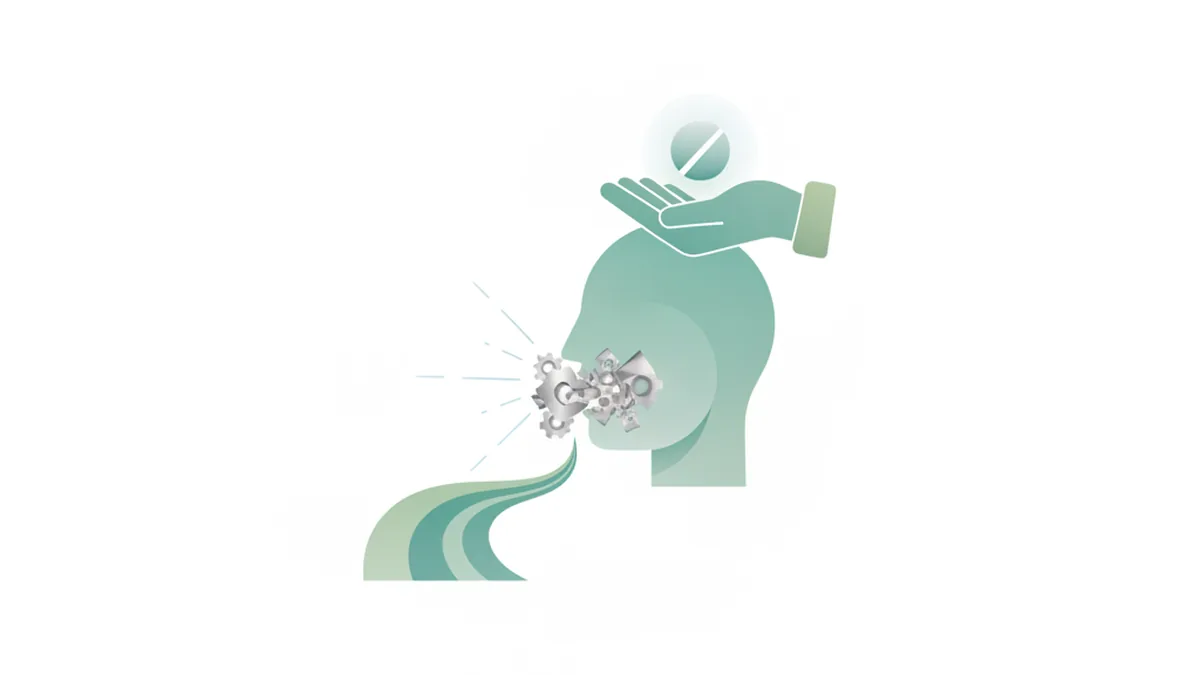
You bite into your favorite meal and taste... pennies? That metallic tang in your mouth can turn even the best food into an unpleasant experience. Many people assume it's just something they ate, but the causes run deeper than your last meal—from medications your doctor prescribed last month to early pregnancy to something as serious as kidney disease.
Here's what matters: a metallic taste (called dysgeusia in medical terminology) isn't a diagnosis—it's a symptom. And unlike some vague health complaints, this one usually has an identifiable cause you can address.
What's Actually Happening When You Taste Metal
Your taste buds aren't broken. They're picking up legitimate chemical signals, just not from food.
The sensation happens through several pathways. Sometimes medications or supplements release metal ions as they metabolize—you're literally tasting the chemistry of what's in your bloodstream. Other times, nerve signals get scrambled between your taste buds and brain, creating phantom flavors that weren't there to begin with. Inflammation in your mouth or sinuses can alter the environment around taste receptors. And occasionally, actual metal exposure (think dental work or certain occupational hazards) leaves residue that your taste buds detect.
The intensity varies wildly. Some people describe a faint coppery hint that comes and goes. Others report an overwhelming metallic wash that makes eating unbearable. Both experiences point to the same underlying mechanism: something has disrupted the normal taste signaling process.
The Medication Connection—More Common Than You'd Think

Prescription and over-the-counter drugs trigger metallic taste more often than any other single cause. We're talking about incredibly common medications.
Antibiotics lead the list. If you've ever taken Biaxin (clarithromycin) or metronidazole (Flagyl), you might have experienced this firsthand. These drugs seem particularly talented at creating that persistent metallic sensation. Tetracyclines do it too. The taste typically starts within days of beginning the antibiotic and resolves after you finish the course—though it can linger for a week or two beyond your last dose.
Blood pressure medications, particularly ACE inhibitors and calcium channel blockers, cause taste changes in a notable percentage of users. The effect might not appear immediately. Some patients report the metallic taste developing months into treatment, which makes the connection less obvious.
Chemotherapy drugs create severe taste distortions. Up to 70% of cancer patients undergoing chemo report taste changes, with metallic taste being one of the most common. This happens because chemotherapy affects rapidly dividing cells—which includes taste bud cells that regenerate frequently.
Antidepressants, particularly tricyclics, can alter taste perception. So can lithium for bipolar disorder. Certain antihistamines. Some diabetes medications. Even prenatal vitamins and iron supplements—technically not drugs, but they're notorious for leaving that metallic aftertaste, especially if they dissolve partially in your mouth rather than making it all the way down.
Worth noting: You can develop this side effect even if you've taken the same medication for years without problems. Bodies change. The way you metabolize drugs shifts over time.
Pregnancy—The First Trimester Surprise
Many women experience a persistent metallic taste in early pregnancy, often before they even confirm they're pregnant. It's common enough to serve as an early sign.
The hormonal surge—particularly rising estrogen—seems responsible. Estrogen influences taste perception more than researchers initially realized. The effect typically peaks in the first trimester and fades by the second, though some women taste metal throughout pregnancy.
Here's what makes this particularly frustrating: the metallic taste often coincides with morning sickness. You're already nauseous, and now food tastes like you're licking a battery. The combination can make adequate nutrition challenging when you most need it.
Practical approaches that help: Cold foods taste less metallic than hot ones. Citrus can cut through the taste—lemon water, orange slices. Some women find that plastic utensils taste better than metal. (Yes, really. That's not superstition—metal flatware can intensify the sensation.) Saltine crackers, strangely, seem to help reset taste temporarily.
If the metallic taste makes eating difficult enough that you're losing weight or can't keep down prenatal vitamins, talk to your OB. This crosses from annoying symptom into something that needs medical attention.
Sinus and Dental Infections—The Obvious Culprits That Get Missed
Sinus infections create perfect conditions for taste distortion. When your sinuses fill with infected mucus, that drainage runs across taste receptors in the back of your throat. You're tasting the byproducts of bacterial activity—which includes metal-binding proteins and inflammatory compounds. The effect persists until the infection clears.
This typically comes packaged with other obvious sinus symptoms: facial pressure, nasal congestion, thick yellow or green discharge. But occasionally the metallic taste appears before the congestion becomes severe, serving as an early warning sign.
Dental problems cause metallic taste through different mechanisms. An abscess releases bacteria and pus into your mouth—you're tasting infection. Gum disease (periodontitis) creates chronic inflammation that alters the mouth's chemical environment. And here's one people don't expect: different metals in dental work can create a galvanic reaction. If you have both amalgam fillings (which contain mercury, silver, tin, and copper) and gold crowns, they can essentially form a weak battery in your mouth. The reaction releases metal ions you can taste.
Recent dental work—even routine cleanings—can temporarily leave a metallic taste as tissues heal and any blood in the mouth breaks down. This should resolve within days. If it persists beyond a week, the dental work itself might need evaluation.
Vitamin and Mineral Deficiencies—When Your Body's Running Low

Zinc deficiency disrupts taste more dramatically than almost any other nutritional shortage. Zinc plays a direct role in maintaining taste bud structure and function. When levels drop too low, taste perception becomes distorted—metallic taste is common, but so is a generalized dulling where everything tastes bland or "off."
This develops gradually. Mild deficiency might cause only subtle taste changes you'd barely notice. Moderate to severe deficiency makes eating unpleasant enough that people lose their appetite, which worsens the deficiency, creating a frustrating cycle.
Who's at risk? People with gastrointestinal conditions like Crohn's disease or ulcerative colitis (which impair zinc absorption). Vegetarians and vegans (plant-based zinc is less bioavailable). Older adults. Heavy drinkers. Anyone taking certain diuretics long-term.
Vitamin B12 deficiency can also alter taste, though it's less consistent than zinc deficiency. The mechanism involves nerve function—B12 is essential for healthy nerve signaling, including the nerves that carry taste information. This typically appears alongside other B12 deficiency symptoms: fatigue, tingling in hands and feet, memory problems, balance issues.
Before you rush out to buy supplements: excessive zinc supplementation can itself cause metallic taste and actually interfere with copper absorption, creating new problems. If you suspect a deficiency, get tested first.
Neurological Causes—When the Problem Is Signal Processing
Sometimes the issue isn't your mouth at all—it's how your brain interprets signals.
Migraine sufferers report taste changes, including metallic taste, during the prodrome phase (the warning period before the headache hits) or during the aura. This reflects the complex neurological event unfolding. Taste distortion can even persist between migraine episodes in people with chronic migraine.
Dementia and Alzheimer's disease sometimes manifest with altered taste perception early in the disease process. The neurons responsible for processing taste signals degenerate along with other brain cells. Family members might first notice this when the person starts complaining that food "tastes funny" or has gone bad when it hasn't.
Bell's palsy—temporary facial paralysis from nerve inflammation—frequently causes taste changes on the affected side of the tongue. The same nerve (the facial nerve) that controls those muscles also carries taste signals from the front two-thirds of your tongue.
Head injuries, even seemingly minor concussions, can damage olfactory and taste nerves. Since much of what we perceive as "taste" actually comes from smell, damage to smell pathways often manifests as taste distortion. This might resolve as nerves heal, but it can become permanent.
Seizure disorders occasionally cause taste hallucinations, including metallic taste, as part of the seizure activity itself or in the postictal period afterward.
If metallic taste appears suddenly along with weakness, numbness, confusion, vision changes, or severe headache, that's a medical emergency. Stroke can affect taste processing, and you need immediate evaluation.
The Serious Conditions—Kidney Disease and Heavy Metal Toxicity
Kidney disease allows metabolic waste products to build up in your bloodstream. As these compounds reach high concentrations, you can literally taste them. Metallic taste is particularly common in advanced kidney disease or when kidney function declines rapidly.
This rarely appears in isolation. Watch for swelling (especially in ankles and around eyes), foamy urine, decreased urination, fatigue, nausea, and confusion. If metallic taste develops alongside these symptoms, contact your doctor promptly. Kidney function can be evaluated with simple blood and urine tests.
Diabetes that's poorly controlled creates similar issues through a different mechanism—high blood sugar alters taste perception, and diabetic kidney disease adds the metabolic waste issue.
Heavy metal poisoning—lead, mercury, cadmium, or other metals—creates obvious metallic taste, though this requires significant exposure. Occupational exposure is the typical culprit: welders, battery manufacturing workers, certain mining operations, renovation work on old buildings with lead paint. Some traditional remedies imported from other countries have contained dangerous metal levels.
Heavy metal toxicity doesn't just cause metallic taste. Look for nausea, abdominal pain, headaches, confusion, fatigue. In children, lead exposure can occur from old paint or contaminated water and causes developmental delays, learning difficulties, and behavioral changes along with the physical symptoms.
If you suspect heavy metal exposure, this requires specific blood or urine testing. Don't try to self-treat—some "detox" protocols can actually mobilize stored metals and worsen symptoms.
The Autoimmune Connection—Sjögren's Syndrome and Beyond

Sjögren's syndrome, an autoimmune condition that attacks moisture-producing glands, commonly causes taste disturbances. The hallmark symptoms are severe dry mouth and dry eyes, but the reduced saliva flow creates perfect conditions for taste distortion. Saliva is essential for taste—it dissolves food molecules so they can reach taste receptors. Without adequate saliva, everything tastes wrong.
The metallic taste here often comes with a burning sensation on the tongue, difficulty swallowing dry foods, and increased dental cavities. Sjögren's predominantly affects women and often develops alongside other autoimmune conditions like rheumatoid arthritis or lupus.
Other autoimmune conditions can cause taste changes through inflammation affecting nerves or blood vessels. This symptom rarely appears alone in autoimmune disease—you'd typically notice joint pain, fatigue, rashes, or other systemic symptoms first.
What You Can Actually Do About It
Start by reviewing your medications and supplements. Check when each started relative to when you first noticed the metallic taste. If the timing lines up, discuss alternatives with your doctor. Many drug classes offer multiple options, and switching might eliminate the problem. Don't stop medications on your own—some require gradual tapering.
For immediate relief, try these approaches that many people find helpful:
Rinse with salt water or baking soda solution several times daily. This neutralizes mouth pH and can temporarily reduce the metallic sensation. Chewing sugar-free gum or sucking on sugar-free mints stimulates saliva production, which helps flush away the taste. Citrus—lemon water, particularly—cuts through the metallic taste for many people.
Maintain impeccable oral hygiene. Brush teeth at least twice daily, floss daily, use an antibacterial mouthwash. Any low-grade infection or buildup intensifies taste distortion.
Stay well-hydrated. Dehydration concentrates everything in your mouth and reduces saliva production.
Plastic or ceramic utensils sometimes help more than you'd expect, particularly if metal cookware or utensils intensify the sensation. This isn't just psychological—actual metal contact can worsen taste distortion in susceptible people.
Add stronger flavors to food. Herbs, spices, marinades—they won't eliminate the metallic taste, but they can provide competing flavors that make eating more tolerable. Cold foods typically taste less metallic than hot.
When to See a Doctor
Seek medical attention if:
- The metallic taste persists beyond two weeks without an obvious cause like a new medication
- You develop it suddenly along with other neurological symptoms (weakness, confusion, vision changes, severe headache)
- It appears alongside signs of kidney problems (swelling, decreased urination, extreme fatigue)
- You're losing weight because eating has become too unpleasant
- You might have been exposed to heavy metals
- It's accompanied by severe dry mouth, difficulty swallowing, or mouth sores
- You have other unexplained symptoms—fever, night sweats, unintentional weight loss, persistent fatigue
Your doctor can evaluate kidney function, check for infections, review your medication list, order vitamin level testing, or refer you to specialists if needed. An ENT can assess for sinus disease or nerve damage. A dentist can evaluate for oral health problems. A neurologist might be appropriate if there's concern about nerve issues.
Most cases of metallic taste resolve once the underlying cause is addressed. That antibiotic finishes. The sinus infection clears. You switch blood pressure medications. The zinc deficiency is corrected. First trimester ends.
What matters is identifying which category applies to you—and that starts with paying attention to when it started, what else you notice, and whether it's getting better or worse. That information guides your doctor toward the right diagnostic path far more efficiently than any test ordered in isolation.
This article is for informational purposes only and isn't a substitute for medical advice. Talk to a qualified healthcare provider about your specific situation.
Sources & further reading
This article draws on guidance from recognized health authorities:
- Cleveland Clinic — Dysgeusia (Altered Taste)
- MedlinePlus — How do we taste…and why does it go wrong?
- NHS — Metallic taste


Comments
Post a Comment