Insulin Resistance Without Diabetes: What Your Body Is Trying to Tell You
Most people assume insulin problems only matter once you have diabetes. That's like waiting for smoke detectors to go off instead of noticing the burning smell.
Insulin resistance — when your cells stop responding efficiently to insulin's signals — operates silently for years, sometimes decades, before blood sugar climbs high enough for a diabetes diagnosis. During that window, your pancreas compensates by flooding your system with extra insulin, masking the underlying problem while quietly damaging your metabolism. You can have completely normal fasting glucose and still be metabolically compromised.
Here's what catches people off guard: by the time standard screening catches prediabetes, insulin resistance has typically been progressing for 10-15 years. Your body has been shouting warnings, just not in a language most people recognize.
Key Takeaways
- Insulin resistance develops years before blood sugar rises, making standard glucose tests miss early-stage metabolic dysfunction.
- Common signs include persistent belly fat, energy crashes after meals, darkened skin patches, and elevated triglycerides — even with normal glucose readings.
- Muscle is your primary glucose disposal system; building it through resistance training directly counters insulin resistance.
- Reversing insulin resistance early prevents not just diabetes, but cardiovascular disease, fatty liver, and certain cancers tied to chronic hyperinsulinemia.
What People Commonly Believe About Insulin Resistance
The standard narrative goes like this: eat too much sugar, gain weight, maybe develop diabetes someday. Get your annual fasting glucose checked. If it's under 100 mg/dL, you're fine.
This framework misses the actual pathology entirely.
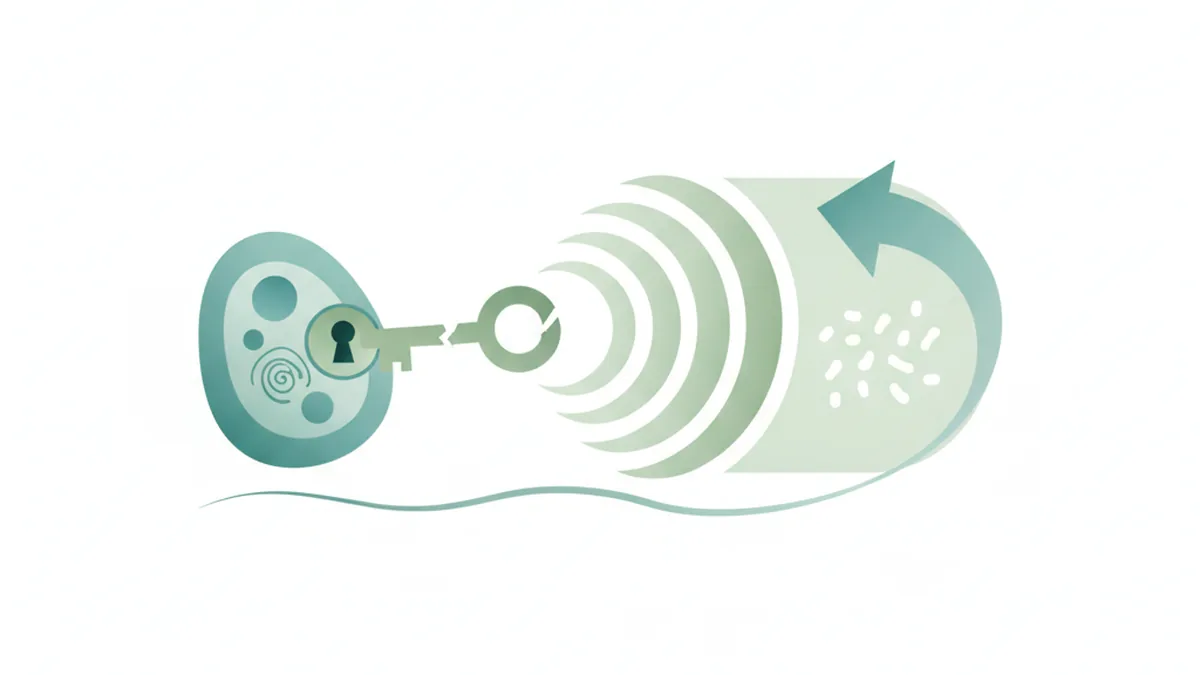
Insulin resistance isn't primarily about sugar intake — it's about how your cells respond to insulin's signal to absorb glucose. Think of insulin as a key. In insulin resistance, the locks on your cells get gummed up. Your pancreas compensates by making more keys (more insulin), which works for a while. Your blood sugar stays normal because you're producing enough insulin to overcome the resistance.
The problem? That excess insulin itself becomes toxic. Chronically elevated insulin — hyperinsulinemia — drives fat storage (particularly visceral fat around organs), raises blood pressure, promotes inflammation, and increases cancer risk. You're metabolically sick while your glucose remains "normal."
Standard medical screening only checks fasting glucose and sometimes HbA1c (a three-month glucose average). Both can remain in the normal range for years while insulin resistance worsens. By the time glucose rises enough to trigger a prediabetes diagnosis, you've lost roughly 50-70% of your pancreatic beta cell function. You're halfway to diabetes.
What the Research Actually Shows

Insulin resistance is the earliest detectable metabolic abnormality in people who later develop type 2 diabetes — appearing up to two decades before diagnosis, according to longitudinal metabolic studies. But diabetes is just one outcome.
Research consistently links insulin resistance to:
Cardiovascular disease. The Framingham Heart Study and similar large cohorts have shown that hyperinsulinemia predicts heart disease independently of other risk factors. Excess insulin promotes arterial inflammation, raises blood pressure through kidney sodium retention, and shifts cholesterol toward small, dense LDL particles that penetrate artery walls more easily.
Nonalcoholic fatty liver disease (NAFLD). Your liver, when bombarded with insulin, converts excess glucose to fat. Roughly 70% of people with insulin resistance develop fatty liver, which can progress to cirrhosis without ever involving alcohol. Standard liver enzyme tests often remain normal until significant damage occurs.
Polycystic ovary syndrome (PCOS). Elevated insulin drives ovarian androgen production, disrupting ovulation. Many women with PCOS have completely normal glucose tolerance tests while severe insulin resistance fuels their symptoms.
Certain cancers. Insulin is a growth factor. Chronically high levels stimulate cell proliferation pathways. Studies have linked hyperinsulinemia to increased risk of breast, colon, pancreatic, and endometrial cancers, independent of obesity.
The most important research finding: insulin resistance is largely reversible in its early stages. Lifestyle interventions — particularly those targeting skeletal muscle — can restore insulin sensitivity before permanent beta cell damage occurs.
Why This Matters More Than You Think
Your muscle tissue accounts for roughly 80% of insulin-mediated glucose disposal after meals. When muscle becomes insulin resistant, glucose has nowhere to go. Your pancreas cranks out more insulin. That excess insulin:
- Blocks fat breakdown, making weight loss nearly impossible
- Increases appetite and cravings, particularly for carbohydrates (your brain senses the energy isn't reaching cells)
- Triggers inflammation throughout your body
- Raises uric acid levels, increasing gout and kidney stone risk
- Disrupts sex hormone production in both men and women
Here's the vicious cycle: insulin resistance makes you gain weight (especially visceral fat), and that fat tissue itself secretes inflammatory molecules that worsen insulin resistance. You feel tired because your cells aren't efficiently accessing fuel, so you move less, losing muscle and worsening the problem further.
Meanwhile, your annual physical shows normal fasting glucose. Your doctor says you're fine.
The Warning Signs Hiding in Plain Sight
Insulin resistance doesn't stay completely silent. Your body sends signals — they're just easy to misinterpret:
Energy crashes 1-3 hours after eating. When you're insulin resistant, your pancreas overreacts to meals, flooding your system with insulin. This drives blood sugar too low (reactive hypoglycemia), causing shakiness, brain fog, and intense hunger shortly after eating.
Stubborn abdominal fat. Visceral fat that doesn't respond to diet and exercise is often driven by hyperinsulinemia. High insulin actively blocks fat breakdown from this depot.
Skin changes. Acanthosis nigricans — darkened, velvety patches in skin folds (neck, armpits, groin) — directly indicates high insulin levels. This isn't just cosmetic; it's visible metabolic dysfunction.
Sleep problems. Insulin resistance disrupts cortisol rhythms and increases inflammation, both of which interfere with deep sleep. Poor sleep then worsens insulin resistance — another vicious cycle.
Carbohydrate cravings. If you feel like you can't control your hunger for bread, pasta, sweets, and snacks, that's often your brain responding to cells that aren't efficiently accessing glucose despite normal blood levels.
Physical signs worth noting: waist circumference greater than 35 inches in women or 40 inches in men, skin tags, irregular periods, difficulty concentrating after meals.
Testing That Actually Catches It Early
Fasting glucose and HbA1c miss early insulin resistance entirely. Here's what to ask your doctor about:
Fasting insulin. This simple blood test measures insulin directly. Levels above 5-7 μIU/mL suggest insulin resistance, though some clinicians use higher cutoffs. Above 10-12 μIU/mL indicates significant hyperinsulinemia. This is not part of standard panels — you have to request it.
HOMA-IR. A calculated score using fasting glucose and insulin that estimates insulin resistance. Values above 2.0 warrant concern; above 2.9 indicates definite insulin resistance.
Triglyceride-to-HDL ratio. Surprisingly predictive of insulin resistance. Calculate it by dividing your triglyceride number by your HDL cholesterol number. A ratio above 2.0 (using mg/dL units) suggests insulin resistance; above 3.0 indicates high likelihood.
Oral glucose tolerance test with insulin measurements. The gold standard, but rarely done outside research. You drink 75 grams of glucose and measure both glucose and insulin at intervals. Insulin levels above 60 μIU/mL at one hour indicate insulin resistance even if glucose stays normal.
Continuous glucose monitoring. These devices (now available without prescription in many pharmacies) reveal glucose variability that fasting tests miss. Large spikes and crashes indicate poor metabolic control despite normal fasting levels.
Most doctors don't routinely order these tests unless you specifically request them or you've already reached prediabetes. If you have risk factors — family history of diabetes, PCOS, fatty liver, stubborn weight, or the warning signs above — advocating for more comprehensive testing makes sense.
The Levers That Actually Move the Needle
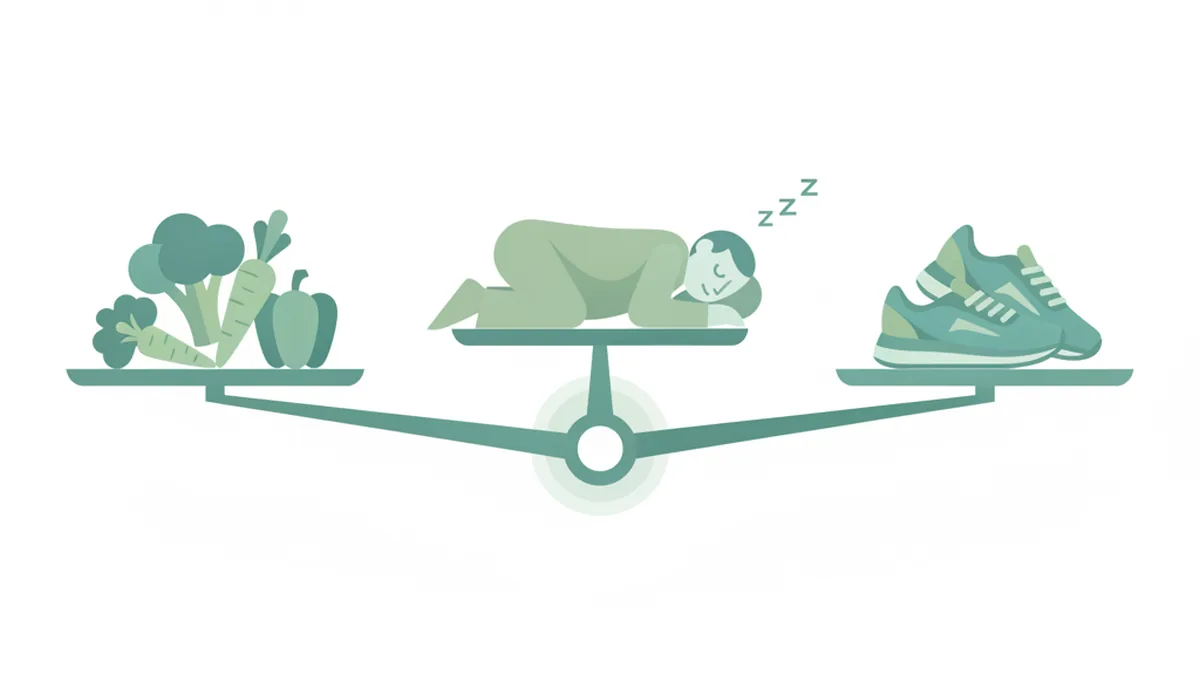
The standard advice — "lose weight and exercise" — isn't wrong, but it's uselessly vague. Here's what specifically counters insulin resistance:
Build Muscle, Period
Muscle is metabolically active tissue that soaks up glucose. Resistance training — lifting weights, bodyweight exercises, resistance bands — directly improves insulin sensitivity in ways that cardio alone doesn't match. A single strength training session improves insulin sensitivity for 24-48 hours.
Aim for at least two sessions per week targeting major muscle groups. Progressive overload matters more than perfection. You don't need a gym — squats, pushups, and lunges work.
Why this works: when muscle contracts, it activates glucose transporters (GLUT4) independent of insulin. You're creating a parallel glucose disposal pathway. Over time, increased muscle mass provides more storage capacity for glucose, reducing the pancreatic burden.
Manipulate Meal Timing and Composition
Your first meal of the day sets your metabolic tone. Starting with protein and fat instead of carbohydrates keeps insulin lower and improves glucose control for subsequent meals (second meal effect).
Time-restricted eating — condensing meals into an 8-10 hour window — consistently improves insulin sensitivity in studies. This isn't about calorie restriction; it's about giving your pancreas a rest. Many people find that skipping breakfast (counterintuitive, I know) and eating between noon and 8 PM works well.
When you do eat carbohydrates, pairing them with protein, fat, or fiber blunts the insulin response. A potato with butter and steak produces a much smaller insulin spike than a plain baked potato, despite similar carbohydrate content.
Move After Meals
A 10-15 minute walk after eating — particularly after dinner — significantly reduces post-meal glucose and insulin spikes. Muscle contraction during and after a meal diverts glucose directly into muscle tissue.
This doesn't need to be intense. Gentle walking, light housework, casual movement — anything beats sitting. The timing matters more than the intensity.
Address Sleep and Stress
A single night of poor sleep can temporarily induce insulin resistance comparable to six months of high-fat diet in controlled studies. Chronic stress elevates cortisol, which directly antagonizes insulin action and promotes visceral fat accumulation.
You can't exercise your way out of sleep deprivation or chronic stress. These aren't lifestyle bonuses; they're metabolic requirements. Prioritizing 7-8 hours of sleep and finding sustainable stress management approaches (meditation, therapy, time in nature — whatever actually works for you) directly improves insulin sensitivity.
Consider Specific Supplements With Evidence
Magnesium. Involved in over 300 enzymatic reactions including glucose metabolism. Many people are deficient. Magnesium glycinate (400-500 mg daily) improves insulin sensitivity in several studies and helps with sleep.
Berberine. Activates AMPK (the same pathway as metformin) and consistently lowers blood glucose in trials. Typical dose: 500 mg two or three times daily with meals. Can cause GI upset initially.
Omega-3 fatty acids. Reduce inflammation and improve insulin signaling. Aim for 2-3 grams of combined EPA and DHA daily from fish oil or algae sources.
Vitamin D. Deficiency is associated with worse insulin resistance. Optimal levels (40-60 ng/mL) may require 2,000-4,000 IU daily supplementation depending on sun exposure and genetics.
These aren't magic bullets. They support dietary and lifestyle changes but don't replace them.
When Professional Help Becomes Essential
See a healthcare provider if you:
- Have a waist circumference exceeding recommended limits despite diet and exercise efforts
- Experience frequent energy crashes, brain fog, or uncontrollable hunger
- Notice skin darkening in body folds
- Have a family history of diabetes and any warning signs
- Show elevated triglycerides (above 150 mg/dL) or low HDL (below 40 mg/dL in men, 50 mg/dL in women)
- Have been diagnosed with PCOS, fatty liver, or hypertension
A healthcare provider can order appropriate testing, rule out other conditions, and prescribe medications if needed. Metformin, for instance, can help reverse insulin resistance and prevent diabetes progression when lifestyle changes alone aren't sufficient. It's not a failure to need medication — it's a tool.
If you develop symptoms of actual diabetes — excessive thirst, frequent urination, blurred vision, unexplained weight loss — seek care promptly. These suggest your compensation mechanisms are failing.
Frequently Asked Questions
Can you reverse insulin resistance completely?
Caught early, yes — insulin resistance is largely reversible through sustained lifestyle changes, particularly building muscle and optimizing meal timing. The key word is "early." Once significant beta cell damage occurs (typically when glucose rises into prediabetes range), full reversal becomes harder. Even then, substantial improvement is possible. Research shows that people who engage in intensive lifestyle interventions can prevent or delay diabetes by 58% even after a prediabetes diagnosis.
How long does it take to improve insulin sensitivity?
You'll see measurable changes within days to weeks. A single resistance training session improves insulin sensitivity for 24-48 hours. Consistent intervention — combining exercise, dietary changes, and sleep improvement — produces detectable improvements in fasting insulin and glucose within 2-4 weeks. Substantial reversal of severe insulin resistance typically requires 3-6 months of sustained effort. The time frame depends on how advanced the resistance is and how aggressively you address it.
Is insulin resistance the same as metabolic syndrome?
Insulin resistance is the underlying driver; metabolic syndrome is the clinical diagnosis when you meet three of five criteria: high waist circumference, elevated triglycerides, low HDL cholesterol, high blood pressure, and elevated fasting glucose. You can have significant insulin resistance without meeting metabolic syndrome criteria, particularly if your pancreas is still compensating well enough to keep glucose and blood pressure normal. Think of insulin resistance as the engine problem and metabolic syndrome as the dashboard warning lights finally illuminating.
Does eating fat cause insulin resistance?
Not in the simplistic way often assumed. Certain types of fat — particularly industrial trans fats and excessive omega-6 oils from processed foods — may contribute to inflammation and insulin resistance. But whole-food sources of fat (olive oil, avocados, nuts, fatty fish) generally improve insulin sensitivity. The research suggests that refined carbohydrates, particularly when combined with sedentary behavior and poor sleep, drive insulin resistance more directly than dietary fat. The old "low-fat diet" recommendations for diabetes prevention have largely been replaced by evidence favoring low-glycemic, whole-food approaches that include healthy fats.
Can thin people have insulin resistance?
Absolutely. Roughly 20% of people with normal BMI have metabolic dysfunction including insulin resistance — sometimes called "metabolically obese, normal weight" or MONW. These individuals often have low muscle mass and higher visceral fat despite appearing lean. Family history, genetics, lack of muscle-building activity, and poor sleep can all contribute. Being thin doesn't guarantee metabolic health, just as carrying extra weight doesn't automatically mean insulin resistance. Body composition and metabolic function matter more than weight alone.
This article is for informational purposes only and isn't a substitute for medical advice. Talk to a qualified healthcare provider about your specific situation.
Sources & further reading
This article draws on guidance from recognized health authorities:


Comments
Post a Comment