Flu Symptoms vs. COVID vs. RSV: What You're Actually Dealing With
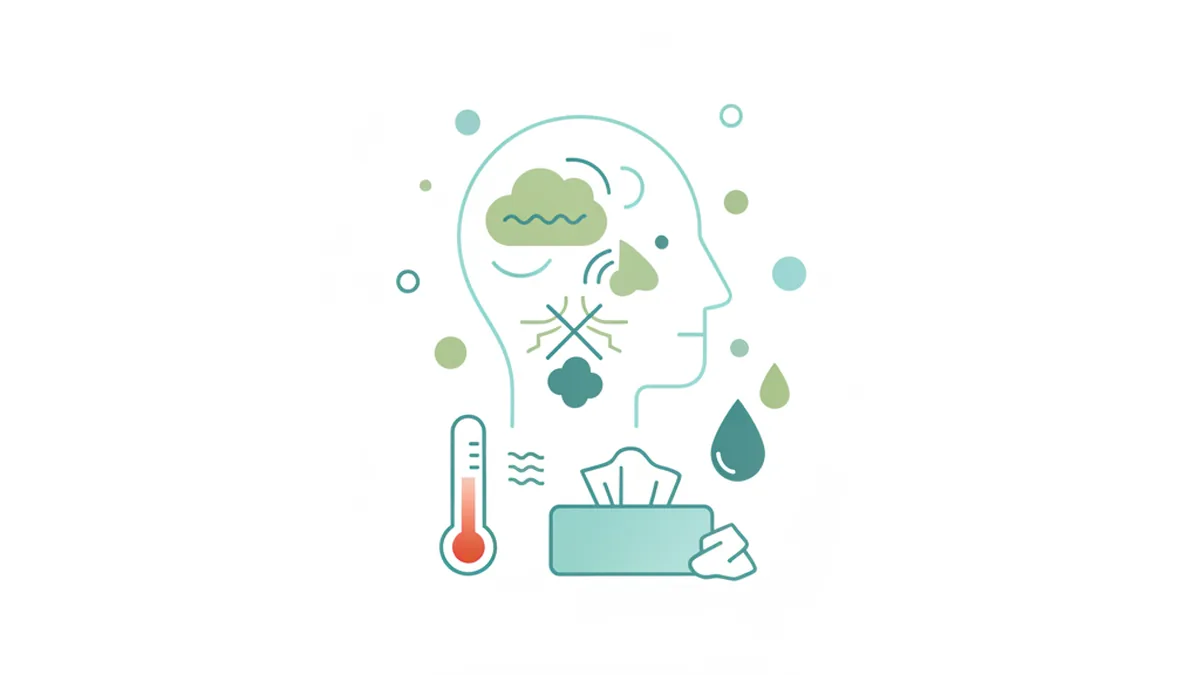
You wake up feeling miserable. Your throat burns, your head aches, and you're not sure if you're cold or hot. But which respiratory virus knocked you flat?
In 2024, we're juggling three major respiratory infections that peak during overlapping seasons. The symptoms blur together enough that even clinicians often can't tell them apart without testing. But the timeline — how symptoms unfold hour by hour and day by day — offers real clues. Here's how to read your own symptom progression and make smarter decisions about testing and care.
Key Takeaways
- All three viruses share fever, cough, and fatigue, but their timing and pace differ: flu hits hard within hours, COVID builds over 2-3 days, and RSV starts with clear nasal symptoms.
- COVID is the only one that commonly causes persistent loss of smell or taste, though this happens less with newer variants.
- RSV in adults looks like a bad cold but causes distinctive wheezing; it's far more dangerous in infants and older adults.
- Home tests for flu exist but are less reliable than COVID rapid tests; when in doubt, a healthcare provider can run a combined respiratory panel.
The First 24 Hours: Which Virus Announces Itself How
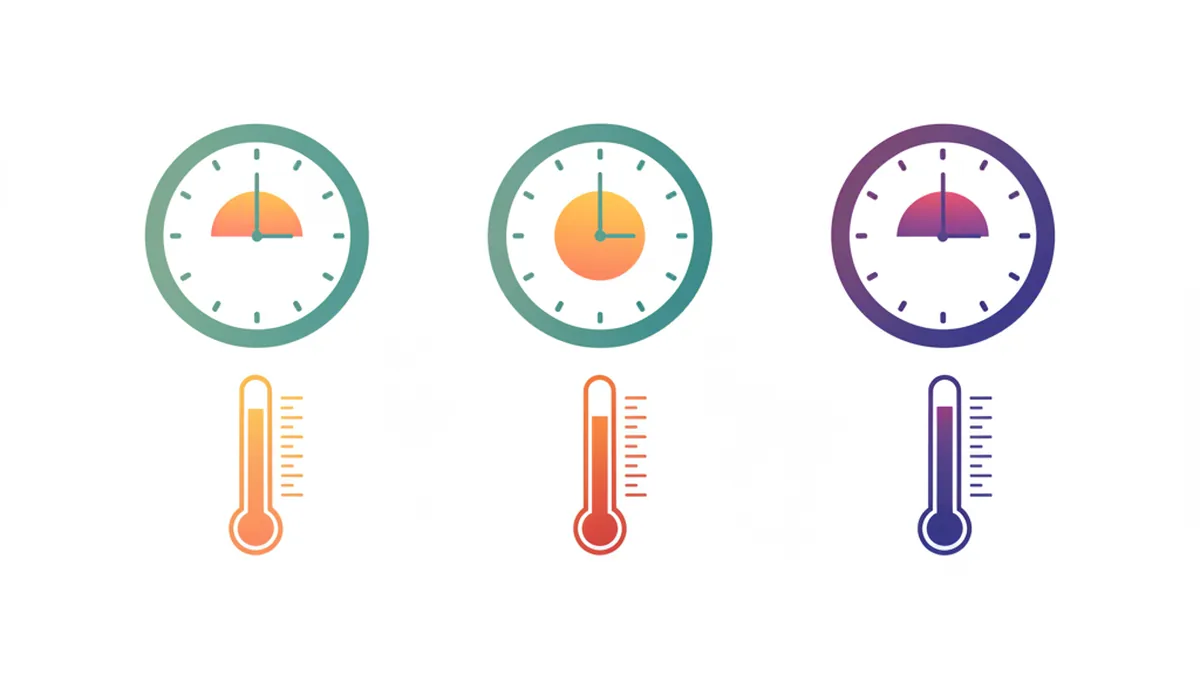
Flu (Influenza A or B)
Influenza doesn't sneak up. Most people can pinpoint the hour they got sick. You feel fine at lunch, wobbly by dinner, and utterly wrecked by bedtime. Within 12 to 24 hours of the virus taking hold, you'll likely have spiked a fever — often 101°F to 104°F — along with body aches severe enough that your muscles hurt just lying still. The headache tends to settle behind your eyes. You might feel chilled one moment and drenched in sweat the next.
Respiratory symptoms in the first day are surprisingly mild. You might have a scratchy throat or a dry cough, but your main complaint is feeling like you've been hit by a truck. This sudden, systemic wallop is flu's signature.
COVID-19 (Current Variants)
COVID builds more gradually. Early variants often started with loss of smell or a distinctive dry cough, but Omicron subvariants and their descendants behave differently. You might notice a mild sore throat or a tickle in your chest. Fatigue creeps in. Some people describe a scratchy feeling deep in the throat or chest — not quite pain, not quite normal.
Fever may or may not appear in the first 24 hours. When it does, it's often lower-grade than flu, hovering around 99°F to 101°F. The variability is maddening: one person gets a splitting headache, another just feels vaguely off. This unpredictability is actually a clue. Flu is consistent. COVID is weird.
RSV (Respiratory Syncytial Virus)
In adults, RSV almost always starts like a common cold. The first sign is usually a runny nose — genuinely runny, not just congested — followed by sneezing and a mild sore throat. You might feel tired, but not the profound exhaustion of flu. Many adults in the first day think, "Oh, just a cold," and they're half right.
For infants and older adults, though, RSV can turn serious fast. Watch for rapid breathing, flaring nostrils, or a baby who's feeding poorly. These are emergency signs.
Days 2-3: The Patterns Diverge
Flu
Your fever peaks on day two or three, often spiking twice daily. The dry cough that was mild yesterday becomes relentless and painful. Your chest might ache from coughing. The body aches persist, though they may ease slightly. Fatigue is crushing — getting out of bed to use the bathroom feels like a marathon.
Most people with flu lose their appetite completely. Food sounds repulsive. You're thirsty but nothing tastes right. Some people develop gastrointestinal symptoms — nausea, vomiting, or diarrhea — though this is more common in children. The CDC notes that "flu" is actually a misnomer for what's really "stomach flu"; true influenza is a respiratory disease, but it can upset your gut.
Here's what doesn't usually happen with flu: you don't lose your sense of smell, you don't develop a rash, and your breathing shouldn't become labored unless you're developing a complication like pneumonia.
COVID-19
Day two or three is when COVID often declares itself fully. The sore throat may worsen or suddenly improve — COVID's throat involvement is inconsistent. Cough becomes more prominent, sometimes wet, sometimes dry. Fatigue deepens, but it's qualitatively different from flu: less about muscle pain, more about a mental fog and profound weakness.
This is when loss of taste or smell might appear, though newer variants cause this less often. When it happens, it's abrupt and total — coffee tastes like hot water, garlic has no smell. You might develop a headache that feels like pressure across your forehead. Some people notice a strange symptom: their oxygen saturation drops (if they're checking with a pulse oximeter) before they feel truly short of breath. This "silent hypoxia" was more common with earlier variants but still occurs.
Fever behavior with COVID is erratic. You might spike to 102°F one day and be normal the next, then spike again. This on-and-off pattern differs from flu's more predictable fever curve.
RSV
By day two or three, RSV's cold-like symptoms intensify. The cough develops — often a wet, productive cough that sounds loose and congested. The hallmark of RSV in adults is wheezing. You might hear a high-pitched whistle when you breathe out, or feel tightness in your chest. This happens because RSV inflames the small airways.
Fever with RSV in adults is uncommon. When it appears, it's usually low-grade. The congestion can be severe, leading to sinus pressure and headaches. Your ears might feel full or ache — RSV readily triggers middle ear inflammation.
In young children, this is the danger window. Watch for fast breathing (more than 60 breaths per minute in infants), bluish lips or skin, or significant struggling to breathe. Don't wait to seek emergency care.
Days 4-7: Recovery or Complication?
Flu
Most uncomplicated flu cases turn the corner around day four or five. Your fever breaks and stays down. The body aches fade. You're still exhausted and coughing, but you can tell you're improving. The lingering cough can persist for two weeks, but it gradually softens and becomes less frequent.
If you're not improving by day five — if fever persists or returns after breaking, if breathing becomes difficult, if you develop chest pain or confusion — you may have developed a secondary bacterial infection like pneumonia. This is the time to contact a healthcare provider. According to the CDC, flu complications are more common in adults over 65, pregnant people, and those with chronic conditions like asthma or diabetes.
COVID-19
COVID's trajectory is maddeningly unpredictable. Some people feel nearly normal by day seven. Others plateau at "moderately sick" and stay there for ten days. A subset — even among previously healthy people — develop worsening symptoms in the second week.
The key danger sign is progressive shortness of breath. If you find yourself winded walking to the bathroom, if you can't speak a full sentence without pausing for air, if your oxygen saturation drops below 94% (if you're checking), seek medical evaluation. Don't tough it out.
Long COVID is a real concern that sets this virus apart. Roughly 10 to 30 percent of people (estimates vary widely) develop persistent symptoms: crushing fatigue, cognitive fog, exercise intolerance, or dysautonomia symptoms like dizziness upon standing. These can emerge even after mild initial illness. We're still learning why this happens and how to treat it effectively.
RSV
Most healthy adults recover from RSV within one to two weeks. The congestion and cough linger, gradually improving. You might feel tired for several days after other symptoms clear.
For older adults and those with underlying lung or heart disease, RSV poses serious risk. Studies consistently show that RSV in these populations can cause severe lower respiratory tract infections. Watch for increasing shortness of breath, persistent high fever (if it develops), or difficulty eating and drinking due to breathing trouble. These warrant medical attention.
Infants remain vulnerable throughout the first week and beyond. RSV is the leading cause of bronchiolitis and pneumonia in children under one year in the United States (per the CDC). Parents should maintain close contact with their pediatrician during this window.
Week 2 and Beyond: The Long Tail
Flu
By week two, most people are back to baseline, though a nagging cough and some fatigue may persist. If you're still significantly ill two weeks out, something else is likely going on — either a complication of flu or a separate infection. Worth discussing with your doctor.
Some people notice reduced exercise tolerance for a few weeks after flu. Your lungs and muscles need time to recover. Pushing too hard too fast can extend your recovery.
COVID-19
Week two is when COVID diverges most dramatically. Many people are fully recovered. Others are still symptomatic — tired, coughing, dealing with brain fog. A concerning minority worsen during week two, developing pneumonia or other complications.
If symptoms persist beyond three weeks, you've entered the realm of post-acute COVID. If they persist beyond three months, that's long COVID by current definitions. These aren't just extended colds; they can be genuinely disabling. Cardiologists report seeing young, previously athletic patients who can't climb stairs without resting. Neurologists see profound cognitive impairment. The mechanisms are still being researched.
RSV
RSV rarely causes prolonged symptoms in healthy adults. If you're still wheezing or short of breath two weeks later, you may have developed reactive airway disease — essentially temporary asthma triggered by the infection. This can last weeks but usually responds to inhalers prescribed by a clinician.
In children, some develop recurrent wheezing episodes after RSV infection. The data is mixed on whether RSV causes lasting lung changes or simply unmasks underlying asthma tendency, but it's a real phenomenon pediatricians watch for.
The Testing Question: When and What
You can't reliably distinguish these viruses by symptoms alone. Fever-cough-fatigue is the Venn diagram where all three overlap completely. So when should you test?
Test if: - You're at high risk for severe disease (over 65, immunocompromised, pregnant, multiple chronic conditions) - You need to know for treatment decisions (antivirals work for both flu and COVID but must start early) - You live or work with high-risk people - Symptoms worsen or persist beyond expected timelines - You develop severe symptoms like difficulty breathing or confusion
What to test for:
COVID rapid antigen tests are widely available and reasonably reliable, though false negatives happen, especially early in infection. Test when you first develop symptoms, and if negative but symptoms persist, test again 24 to 48 hours later.
Home flu tests exist but are less reliable than COVID tests. A negative home flu test doesn't rule out flu.
Your healthcare provider can order a respiratory pathogen panel — a single nasal swab that tests for flu A, flu B, COVID-19, RSV, and other respiratory viruses simultaneously. This is the gold standard when you need a definitive answer.
Treatment implications:
If you test positive for flu within 48 hours of symptom onset, antivirals like oseltamivir (Tamiflu) can shorten illness by about a day and reduce complication risk. They work best started early.
If you test positive for COVID and are at high risk for severe disease, antiviral medications like Paxlovid or monoclonal antibodies may be appropriate. These have specific eligibility criteria and must be started within five to seven days.
RSV has no specific antiviral treatment for most people, though a new monoclonal antibody (nirsevimab) is now recommended for all infants entering their first RSV season.
When to Seek Emergency Care
Some symptoms demand immediate medical attention, regardless of which virus you have:
Call 911 or go to the ER if you experience: - Severe difficulty breathing or shortness of breath that's getting worse - Persistent chest pain or pressure - Confusion, inability to stay awake, or difficulty waking up - Bluish lips or face - Severe, persistent dizziness - Seizures - Severe muscle pain or weakness - Not urinating (a sign of severe dehydration)
Contact a healthcare provider promptly for: - Fever above 103°F that doesn't respond to medication - Fever that lasts more than three days (flu or RSV) or returns after breaking - Cough that produces bloody mucus - Symptoms that improve then suddenly worsen - Difficulty breathing that's not severe but definitely abnormal for you - Inability to keep down fluids
Don't minimize symptoms because you're "young and healthy." Severe cases happen across all demographics with all three viruses, though risk is higher in certain groups.
The Overlap Season: What's Actually Circulating
Flu typically peaks between December and February in the Northern Hemisphere. COVID circulates year-round but often surges in winter and sometimes again in summer. RSV traditionally peaked in winter but has shown irregular patterns since 2020.
This means November through March is effectively a triple threat. The viruses overlap, co-infect (you can have two at once — miserable but possible), and make population-level predictions difficult.
Pay attention to local surveillance data. The CDC publishes weekly respiratory illness tracking. Many state health departments do the same. If COVID is surging in your area, that scratchy throat is more likely COVID. If flu activity is high and you got the sudden-onset severe symptoms, flu is probable.
The Bottom Line: Read Your Own Timeline
Symptom timelines aren't perfect predictors, but they're better than nothing. Flu's sudden, severe onset differs from COVID's gradual build and RSV's cold-like start. Flu peaks hard in days two to three then improves; COVID meanders and sometimes worsens late; RSV causes wheezing more than the other two.
When in doubt, test. The worst decision is assuming you know which virus you have and either exposing others or missing the window for treatment. The best decision is gathering actual data — a positive test, a healthcare provider's assessment — and acting on it.
Your body is telling you a story. Listen to the timeline, note the patterns, and know when to ask for help.
Frequently Asked Questions
Can you have flu and COVID at the same time?
Yes, co-infection with multiple respiratory viruses is possible, though not common. Studies suggest roughly 2 to 5 percent of people with respiratory symptoms test positive for more than one virus. Co-infections can be more severe, so if you test positive for one virus but symptoms seem unusually bad, mention this to your healthcare provider.
Why do I feel so much worse with flu than I did with COVID (or vice versa)?
Individual immune responses vary wildly. Your immune system's reaction to the virus — the inflammation it mounts — causes most of your symptoms. Some people's immune systems overreact to flu, others to COVID. Viral load, the specific strain, your recent health, sleep, stress levels, and genetics all play roles. There's no universal "worse" virus; it's person-dependent.
Should I treat all three viruses the same way at home?
The basic supportive care is similar: rest, fluids, fever reduction with acetaminophen or ibuprofen if needed, and monitoring for worsening symptoms. But the decision to isolate differs — COVID still requires stricter isolation than flu or RSV in most settings. And treatment options differ: antivirals exist for flu and COVID but not RSV (for adults), so testing can change your management.
How long am I contagious with each virus?
Flu: most contagious in the first 3 to 4 days of illness, but you can spread it from one day before symptoms start until about five to seven days after. COVID: contagious from roughly two days before symptoms through at least five days after symptom onset, sometimes longer, especially if immunocompromised. RSV: usually contagious for three to eight days, but infants and immunocompromised people can shed virus for weeks. When in doubt, isolate until symptoms substantially improve and you're fever-free for 24 hours without medication.
Does getting vaccinated change my symptom timeline?
Yes, often. People vaccinated against flu or COVID tend to have milder, shorter illnesses if they do get infected. Your symptoms might peak at day two instead of three, or your fever might be lower. Vaccination doesn't guarantee you won't get sick, but it generally blunts the severity and duration. There's now an RSV vaccine for adults 60 and older and pregnant people (to protect newborns), which similarly reduces severity.
This article is for informational purposes only and isn't a substitute for medical advice. Talk to a qualified healthcare provider about your specific situation.
Sources & further reading
This article draws on guidance from recognized health authorities:


Comments
Post a Comment