Hair Loss in Women: The Real Difference Between Hormonal and Nutritional Causes
Most women who notice their ponytail getting thinner assume it's temporary. Stress from work. Postpartum recovery. Maybe just getting older.
Here's what surprised me when researching this: roughly half of all women experience noticeable hair loss by age 50, according to data from the American Academy of Dermatology. But the assumption that it's "just aging" often masks what's actually happening—and that distinction matters tremendously for what you do about it.
The difference between hormonal and nutritional hair loss isn't academic. These two causes show up differently, progress differently, and respond to completely different interventions. Treating hormonal thinning with iron supplements won't work. Neither will addressing a nutrient deficiency with hormone therapy. You end up frustrated, poorer, and still losing hair.
So let's break down what's actually happening when you see more strands in your brush.
What People Believe vs. What the Pattern Actually Shows
Most women I've talked to in researching this assume hair loss looks the same regardless of cause—just "less hair everywhere." That's not quite right.
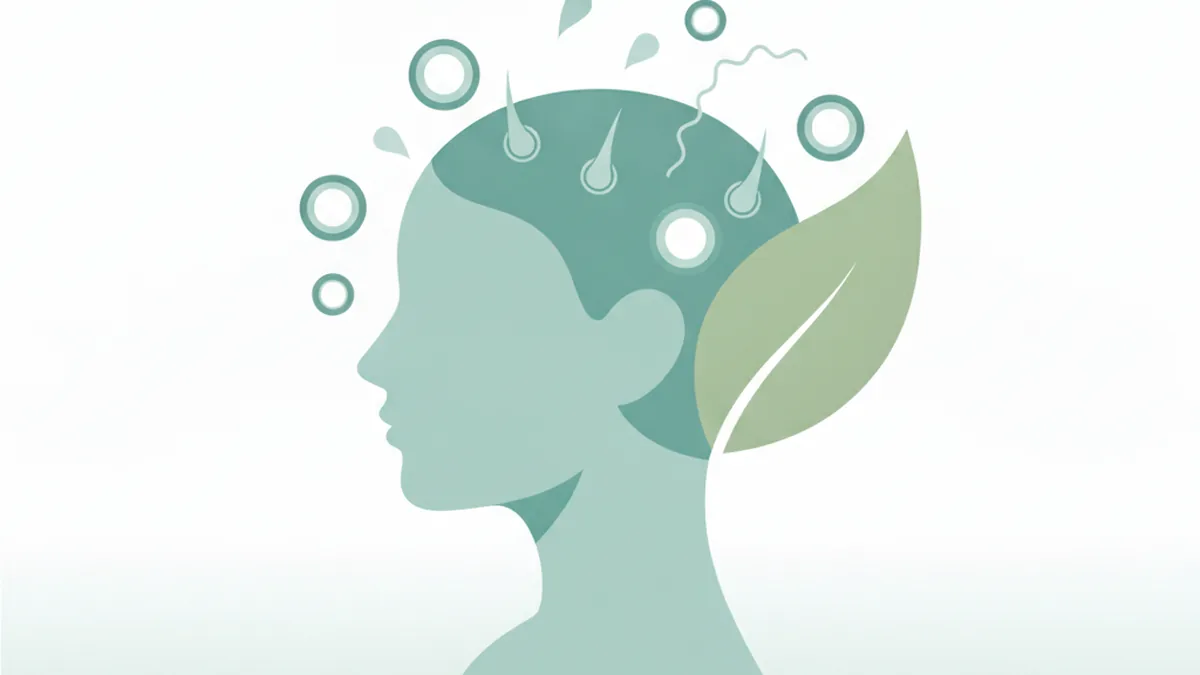
Hormonal hair loss typically shows a specific pattern. The part widens. The top of the scalp becomes more visible, especially under bright light. You can still feel hair along your hairline and temples, but the crown area thins progressively. This matches what dermatologists call "female pattern hair loss," driven primarily by shifting ratios of estrogen to androgens (particularly after menopause or during perimenopause).
The hair follicles aren't dying—they're miniaturizing. Each growth cycle produces a finer, shorter strand. Over time, those baby-fine hairs can't cover the scalp the way thicker ones did.
Nutritional hair loss looks different. The thinning is more diffuse—spread evenly across the entire scalp rather than concentrated at the crown. You might notice it first as unusual shedding: clumps in the shower drain, more on your pillow, handfuls when you run your fingers through. The medical term is "telogen effluvium," where a systemic stressor (like severe iron deficiency or inadequate protein) pushes a larger-than-normal percentage of follicles into the resting phase simultaneously. They all shed together a few months later.
Here's the catch, though: these patterns overlap more than you'd think. Hormonal changes can trigger telogen effluvium. Nutritional deficiencies can worsen androgenic sensitivity. You can have both at once, which is why self-diagnosis usually fails.
Timing Tells You More Than You'd Expect
When the hair loss started—and what else was happening in your life—offers major clues.
Hormonal thinning usually creeps up gradually. You don't wake up one morning with half your hair gone. Instead, you notice over months or years that your part looks wider in photos. Maybe you need more product to get the same volume. Your stylist mentions it before you fully register the change.
Common timing patterns for hormonal causes:
- Starting in your late 30s or 40s as estrogen begins its slow decline
- Accelerating noticeably within two years of your last period
- Worsening after stopping birth control pills (which had been masking the pattern)
- Beginning or intensifying during pregnancy (when hormones shift dramatically) or postpartum (when they crash)
That postpartum situation confuses people. Pregnancy floods you with estrogen, which holds hair in the growth phase longer—so you have gloriously thick hair for nine months. Then estrogen plummets after delivery, and all that "bonus" hair sheds at once. It looks like nutritional loss but it's pure hormones.
Nutritional hair loss tends to show up more suddenly, roughly three to four months after the nutritional insult. That delay is biological: follicles already in the growth phase finish their cycle before shedding. The new, inadequately nourished hairs fail to launch. So you won't notice iron-deficiency hair loss the week you become anemic—you'll notice it a season later, which makes the connection harder to spot.
Common triggers for nutritional loss:
- Crash dieting or severe calorie restriction
- Going vegetarian or vegan without carefully replacing nutrients (especially iron, zinc, and B12)
- Heavy menstrual bleeding depleting iron stores over months
- Digestive issues (celiac disease, Crohn's, chronic diarrhea) preventing nutrient absorption
- Major surgery or illness that burned through protein reserves
One woman I spoke with went vegan in January, felt great, then started shedding alarming amounts of hair in May. She'd connected it to work stress that month—but the real cause was four months of inadequate iron and B12 intake. The timing gap hid the truth.
The Symptoms That Come Along for the Ride
Hair doesn't thin in isolation. What else is happening in your body matters enormously.
Hormonal hair loss often arrives with a cluster of other symptoms, though not always. You might notice:
- Irregular periods, or periods that have stopped entirely
- Weight gain that doesn't respond normally to diet changes, especially around the midsection
- Changes in skin texture—drier, or paradoxically more acne than you had in your twenties
- Hot flashes, night sweats, mood shifts (if perimenopausal or menopausal)
- Thinning eyebrows, particularly the outer third
- Excess hair in places you don't want it—chin, upper lip, chest
That last point seems contradictory but it's not. Androgenic sensitivity can cause hair miniaturization on your scalp while stimulating coarser growth on your face. Different follicle types, different responses to the same hormonal environment.
For some women, though, hair loss is the only symptom. Your periods are regular, weight is stable, no hot flashes. The follicles are just more sensitive to normal hormone levels than someone else's would be. Genetics loads the gun here.
Nutritional hair loss shows up with different companions:
- Unusual fatigue that doesn't improve with sleep
- Brittle nails that crack or develop vertical ridges
- Pale skin, or pale inner eyelids (classic sign of anemia)
- Cold sensitivity—you're chilly when others are comfortable
- Brain fog, difficulty concentrating
- Muscle weakness or unusually slow workout recovery
Iron deficiency is sneaky. You can be meaningfully deficient—enough to trigger hair loss—without being clinically anemic. Your hemoglobin might test normal while your ferritin (stored iron) is nearly depleted. That's why some women get a "everything's fine" verdict from basic bloodwork while their hair keeps falling out.
Protein deficiency shows up differently. If you're eating under 50 grams daily (very easy on restrictive diets), you might notice weak, ridged nails alongside the hair loss, plus slower healing from cuts or workouts.
What to Actually Do: The Decision Tree
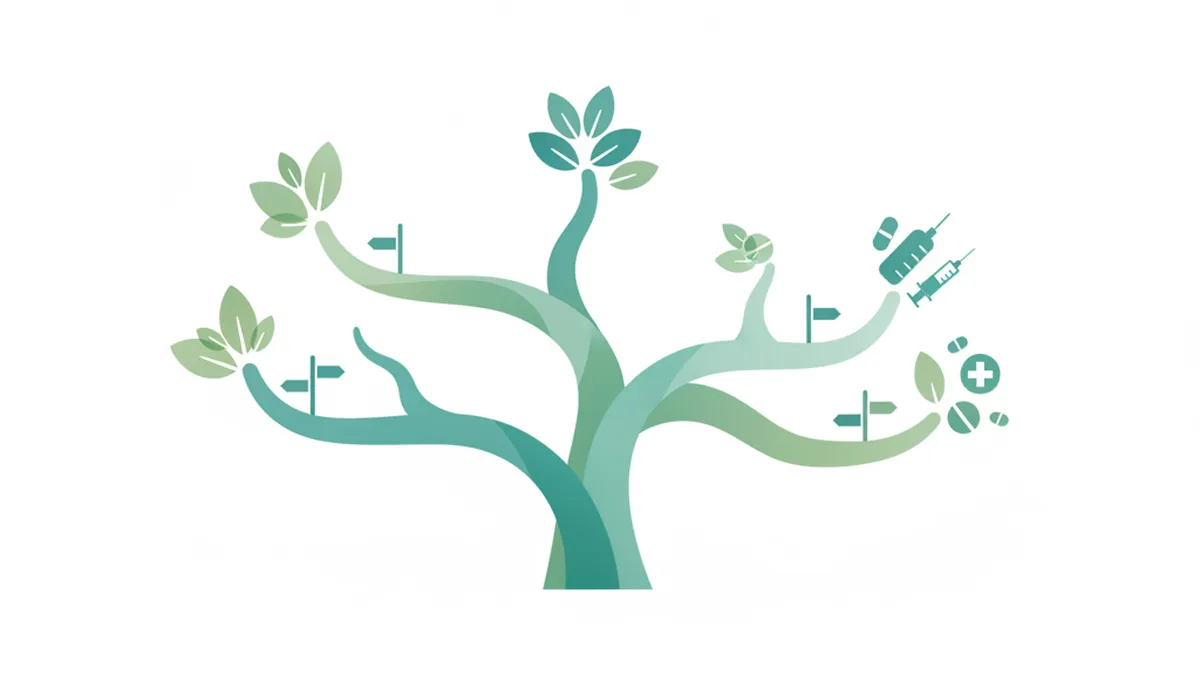
So you're losing hair. Here's how to figure out what's driving it and what to do next.
Step 1: Track the basics for two weeks
Before seeing anyone, document:
- Menstrual pattern (regular? changing? stopped?)
- Energy levels throughout the day
- What you're actually eating (protein grams, sources of iron and B12)
- When you first noticed thinning
- Other symptoms (skin changes, temperature sensitivity, nail quality)
This data helps your doctor immensely. "I'm tired and losing hair" is hard to work with. "My periods went from 28 days to 45 days over six months, I'm exhausted by 2pm daily despite 8 hours of sleep, and I'm eating roughly 40 grams of protein a day" gives real direction.
Step 2: Get the right blood tests
Don't accept "routine bloodwork." Specifically request:
- Complete blood count (CBC) for anemia
- Ferritin level (not just hemoglobin—ferritin shows stored iron)
- Thyroid panel: TSH, free T3, free T4
- Vitamin B12
- Vitamin D
- Zinc
- For some: testosterone, DHEA-S, and estradiol if hormone imbalance is suspected
Many of these aren't standard. You have to ask. Some doctors resist zinc and ferritin testing as "unnecessary," but they're directly relevant to hair growth.
Target ferritin levels for healthy hair growth are debated, but research suggests at least 40-70 ng/mL is needed, possibly higher. Many women with ferritin around 20-30 ng/mL (technically "normal") still experience thinning.
Step 3: Look at the pattern physically
Stand under bright bathroom light. Part your hair in several places. Take photos.
Widening center part + visible scalp at crown + intact hairline = likely hormonal pattern.
Diffuse thinning everywhere + dramatic shedding + normal part width = more likely nutritional or telogen effluvium.
Patchy bald spots (not just thinner—actually bald) = likely autoimmune (alopecia areata), a different animal entirely. Needs immediate dermatology referral.
Step 4: Consider timing and triggers
Did this start 3-4 months after a specific event? Major diet change, illness, surgery, crash diet, medication change? That points toward reactive loss (often nutritional or stress-related telogen effluvium).
Did it creep up gradually over a year or more, especially if you're over 35? More consistent with hormonal pattern.
Step 5: See the right specialist
Your primary care doctor can order bloodwork and catch obvious deficiencies. But for persistent hair loss, a dermatologist with specific hair-loss expertise (sometimes called a "hair restoration specialist") offers more targeted help. They can perform a scalp biopsy if needed, examine follicles under dermoscopy, and distinguish between scarring and non-scarring types.
For suspected hormonal causes, an endocrinologist or gynecologist experienced with menopause and PCOS can be invaluable, especially if you're dealing with multiple hormone-related symptoms beyond hair.
Treatment: What Actually Works for Each Cause
Here's where the distinction becomes critical. The interventions are almost completely different.
For hormonal hair loss:
The gold-standard treatment is topical minoxidil (Rogaine). It's FDA-approved for female pattern hair loss, works by prolonging the growth phase of follicles, and actually has decent evidence behind it. You apply it daily to the scalp. It doesn't stop the underlying hormonal shift, but it can slow or stabilize the thinning. Most women see results around the six-month mark, if they're going to see them.
Some caveats: if you stop using it, you'll lose any hair it helped you keep. And about 40% of women don't respond meaningfully—it works better for some than others.
Other options include:
- Spironolactone: An anti-androgen medication that blocks testosterone's effects. Dermatologists often prescribe it off-label for female pattern hair loss, particularly for women who also have acne or excess facial hair. It requires monitoring (affects potassium and blood pressure) and you can't get pregnant on it.
- Hormone replacement therapy (HRT): For perimenopausal or postmenopausal women, estrogen therapy may slow hair loss, though it's not prescribed solely for that reason. If you're already considering HRT for hot flashes or bone density, hair might be a side benefit.
- Low-level laser therapy: Some evidence supports red light devices for stimulating follicles. The data is mixed and it's expensive, but some women report improvement.
- Platelet-rich plasma (PRP) injections: Increasingly popular. Your own blood is processed to concentrate growth factors, then injected into the scalp. Results vary widely; research is still catching up.
What doesn't work reliably: biotin supplements (unless you're actually biotin-deficient, which is rare), most over-the-counter "hair growth" shampoos, and scalp massage alone.
For nutritional hair loss:
Here, you're correcting the deficiency, and the hair loss should reverse once you do—assuming the follicles aren't permanently damaged.
- Iron deficiency: Supplement with ferrous sulfate or ferrous gluconate (not ferrous fumarate, which absorbs poorly). Take it with vitamin C to boost absorption, away from calcium or tea (which block it). Target ferritin above 50-70 ng/mL. This takes months. Recheck bloodwork every 8-12 weeks.
Note: high-dose iron causes constipation and nausea for many women. Start low, increase gradually. If oral iron isn't working or you can't tolerate it, IV iron infusions are an option—discuss with your doctor.
-
Protein deficiency: Aim for at least 0.8 grams per kilogram of body weight daily, more if you're active. That's roughly 60 grams for a 150-pound woman. Track it for a week—most people overestimate their intake. Add a protein source to each meal.
-
B12 deficiency: Supplement orally (1000-2000 mcg daily) or, if absorption is the issue (common with certain GI conditions), get B12 injections. Vegans need supplementation—there's no debate here. Nutritional yeast and fortified foods don't cut it reliably.
-
Vitamin D deficiency: Common, especially in northern climates. Supplement with D3 (more effective than D2) to get blood levels above 30 ng/mL, ideally 40-60 ng/mL.
-
Zinc deficiency: Harder to test accurately, but if bloodwork suggests it or you're on a restricted diet, supplementing with 15-30 mg daily can help. Don't overdo it—excess zinc interferes with copper absorption.
Hair regrowth from nutritional correction is slow. You won't see results for at least three months, often closer to six. The follicles need to complete a full growth cycle with adequate nutrients before you notice filling-in.
When to Worry—and When Not To
Not all hair loss signals something serious, but certain patterns warrant faster action.
Seek prompt medical evaluation if:
- You're shedding more than 150-200 strands daily for longer than two weeks (normal is 50-100)
- You notice patchy bald spots rather than diffuse thinning
- Hair loss is accompanied by severe fatigue, unexplained weight changes, or other systemic symptoms
- You're under 30 and experiencing rapid thinning (less common, more likely to indicate an underlying condition)
- The hair loss started suddenly after a new medication
Less urgent, but still worth investigating:
- Gradual thinning over months to years with no other symptoms
- Family history of similar patterns (still worth checking hormones and nutrients, but less alarming)
- Thinning that stabilizes on its own after a known trigger (postpartum, illness, diet change)
One thing I want to be clear about: hair loss is psychologically distressing for most women in a way that's often dismissed. You're not vain for caring about it. The social and emotional impact is real. Seeking treatment isn't frivolous—it's taking care of yourself.
The Overlap No One Talks About
Here's the complicating factor: hormonal shifts can create nutritional vulnerabilities, and nutritional deficiencies can worsen hormonal imbalances.
Heavy periods (often from perimenopause or PCOS) deplete iron. Thyroid dysfunction (hormonal) reduces nutrient absorption. Chronic stress elevates cortisol (hormone) and depletes B vitamins (nutritional). A restrictive diet (nutritional) can disrupt your menstrual cycle (hormonal).
So you can start with one problem and end up with both. A 45-year-old woman in perimenopause experiencing heavy bleeding might develop iron-deficiency hair loss on top of androgenic thinning. Addressing only one won't fully solve the problem.
This is why comprehensive bloodwork matters. And why, if you correct an obvious deficiency and the hair loss continues, it's worth looking at the hormonal piece—or vice versa.
What Actually Happens If You Do Nothing
Some women wonder: if I just wait, will it stop on its own?
For nutritional hair loss, maybe. If the trigger was temporary (a crash diet you've since stopped, an illness you've recovered from), and your nutrient levels have normalized, the shedding should slow within a few months. New growth will eventually fill in the thinning, though it takes six months to a year to get back to baseline.
But if the deficiency is ongoing—you're still eating inadequate protein, still losing blood heavily each month without replacing iron—the hair loss will continue or worsen. Follicles can only function without nutrients for so long before they miniaturize or enter prolonged dormancy.
For hormonal hair loss, doing nothing means progressive thinning. It won't usually stabilize on its own, because the underlying hormone shift (menopause, androgen sensitivity) doesn't reverse. You'll lose ground gradually year by year. Early intervention preserves more follicles—they're easier to support than to resurrect.
The brutal truth: once a follicle miniaturizes past a certain point, it's very hard to bring it back. The earlier you act, the more hair you save.
This article is for informational purposes only and isn't a substitute for medical advice. Talk to a qualified healthcare provider about your specific situation.
Sources & further reading
This article draws on guidance from recognized health authorities:


Comments
Post a Comment