Cortisol, Explained: What It Does and Whether You Can Really Lower It

Cortisol gets blamed for everything from stubborn belly fat to bad moods to premature aging. Open Instagram and you'll find influencers hawking supplements to "crush cortisol" or morning routines to "reset your stress hormones."
But here's what most of those posts won't tell you: cortisol isn't the enemy. It's a carefully calibrated survival hormone that keeps you alive during actual threats. The real question isn't whether you should lower it—it's whether your levels are genuinely problematic and, if so, what actually moves the needle.
Let me walk you through what cortisol does in a healthy body versus a chronically stressed one, how the two situations differ in ways that matter for your health, and which interventions have real evidence behind them.
What Cortisol Actually Does (And Why You Need It)
Your adrenal glands release cortisol in response to signals from your brain, particularly the hypothalamus and pituitary gland. This happens throughout the day in a predictable rhythm—highest in the morning to get you out of bed, tapering off by evening so you can sleep.
Cortisol's job is to mobilize resources during stress. It raises blood sugar so your muscles have fuel. It suppresses non-urgent systems like digestion and reproduction. It sharpens focus and memory formation in the short term. When a genuine threat appears—say, you're about to get hit by a car—this response can save your life. You need that burst of glucose. You need heightened alertness.
The hormone also plays quieter roles. It helps regulate blood pressure, manages inflammation, and influences how your body uses proteins, carbohydrates, and fats. People with Addison's disease, who can't produce enough cortisol, experience dangerous drops in blood pressure and blood sugar. Too little cortisol is a medical emergency.
So cortisol in reasonable amounts, released at appropriate times? Essential.
Cortisol released constantly because your brain interprets your inbox, your commute, and your argument with your partner as survival threats? That's where problems creep in. The system isn't broken—it's just running a program designed for escaping predators in a world full of emails and deadlines.
Here's the catch, though: genuinely high cortisol—the kind that shows up on lab tests and causes medical problems—is relatively rare. When endocrinologists talk about high cortisol, they usually mean Cushing's syndrome, a disorder where tumors or other issues cause massive overproduction. You'd see profound symptoms: severe weight gain in the face and trunk, purple stretch marks, muscle weakness, easy bruising, bone loss.
Most people worried about cortisol don't have that. They have chronic stress, which may elevate cortisol somewhat but doesn't typically push levels into the range that causes Cushing's. The distinction matters because it changes what you're actually treating.
When Cortisol Is Genuinely Elevated (And How To Tell)
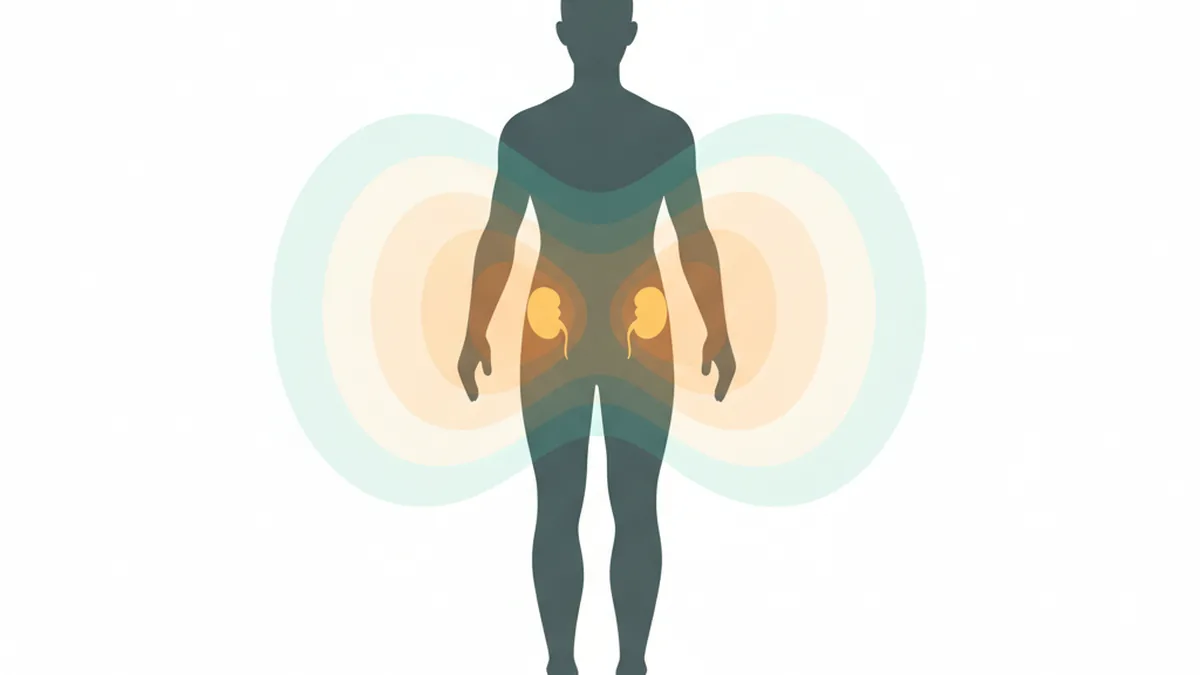
Let's separate clinical hypercortisolism from everyday stress.
Cushing's syndrome is diagnosed through specific tests: 24-hour urinary free cortisol, late-night salivary cortisol, or a dexamethasone suppression test. These measure whether your body is producing abnormal amounts at abnormal times. If you have Cushing's, you need medical treatment—often surgery to remove a tumor. Lifestyle changes won't cut it.
But most people experiencing fatigue, weight gain, trouble sleeping, or feeling "wired and tired" don't have Cushing's. They have a stress response that's frequently activated, which is not the same thing.
Chronic stress does alter cortisol patterns. Research suggests that over time, the normal daily rhythm can flatten—you might not get that healthy morning peak, or cortisol might stay elevated into the evening when it should drop. Some people eventually show blunted responses, where the adrenal glands become less reactive. This isn't "adrenal fatigue," a term you'll see in wellness circles but that lacks recognition in endocrinology. The adrenals aren't exhausted; the signaling system is dysregulated.
What symptoms might suggest your stress response is overactive?
Difficulty falling asleep despite feeling exhausted. Weight gain, particularly around the midsection, that doesn't respond to the usual diet and exercise efforts. Frequent infections or slow healing, since chronic cortisol suppresses immune function. Blood sugar swings or increased cravings for sugar and fat. Brain fog, irritability, or feeling like your emotions are on a hair trigger. In women, irregular periods.
None of these symptoms are specific to cortisol. They overlap with thyroid disorders, sleep apnea, depression, blood sugar problems, and a dozen other conditions. That's why testing matters if you're genuinely concerned.
Standard cortisol testing includes a morning serum cortisol (taken via blood draw between 7-9 AM) or the more comprehensive 24-hour urine test. Some clinicians use four-point salivary cortisol to map your daily rhythm. If results come back normal but you're still symptomatic, the issue may not be cortisol levels themselves but how your nervous system is managing stress.
Worth noting: single-point cortisol tests can be misleading because cortisol fluctuates. One high reading after a stressful morning doesn't mean you have a cortisol problem. One low reading doesn't mean your adrenals are failing. Context matters.
Lowering Cortisol Through Lifestyle: What Works (And What Doesn't)

Assuming your cortisol levels are in a normal range but your stress response feels chronically activated, what actually helps?
The evidence is messy, partly because it's hard to isolate cortisol from other stress markers. But some interventions consistently show benefit.
Sleep quality makes the biggest difference. Poor sleep drives cortisol up, and elevated cortisol disrupts sleep—a vicious cycle. Studies find that even partial sleep deprivation increases next-day cortisol, particularly in the evening when it should be lowest. Prioritizing 7-8 hours of consistent sleep does more for your stress hormone profile than almost any supplement.
Practical moves: keep your bedroom cool and dark, limit screen time an hour before bed, go to bed at roughly the same time nightly. If you're waking at 3 AM wired and anxious, that late-night cortisol spike is often the culprit. It's worth addressing with a healthcare provider because it can indicate broader sleep architecture issues.
Exercise is a paradox. Intense workouts spike cortisol acutely—that's part of the adaptive stress response that makes you stronger. But regular moderate exercise lowers baseline cortisol over time and improves how your body recovers from stress. The key is not overdoing it. If you're already burned out and you add two-hour CrossFit sessions six days a week, you might dig the hole deeper.
Research suggests activities like walking, yoga, tai chi, and moderate cycling show clear benefits for stress markers without the recovery burden of high-intensity training. That doesn't mean high-intensity exercise is bad—it's beneficial for many people—but timing and recovery matter when stress is already high.
Mindfulness-based practices have solid backing. Meditation, deep breathing exercises, progressive muscle relaxation—these aren't just woo. Multiple studies show they reduce cortisol reactivity and help restore normal daily rhythms. Even short sessions help. Ten minutes of focused breathing before bed can measurably lower evening cortisol.
The mechanism seems to involve the parasympathetic nervous system, which acts as a brake on the stress response. When you activate it deliberately through slow breathing or body scanning, you're essentially signaling to your brain that you're safe. Over time, this can recalibrate how reactive your system is to perceived threats.
Diet plays a role, though it's not as dramatic as influencers claim. Ultra-processed foods, excess sugar, and chronic undereating can all stress the body. Some evidence suggests omega-3 fatty acids (from fish or algae) and dark chocolate (in reasonable amounts—we're talking 1-2 ounces, not a whole bar) may modestly reduce cortisol.
But there's no magic "cortisol-crushing smoothie." If you're eating in a way that stabilizes blood sugar, provides adequate protein and healthy fats, and doesn't involve severe restriction, you're doing most of what diet can do for stress hormones.
Caffeine is a wildcard. It raises cortisol acutely, but regular consumers develop tolerance. If you notice that your third coffee leaves you jittery and anxious, that's a signal to cut back. But moderate caffeine intake doesn't seem to chronically elevate cortisol in most people.
Social connection and purpose matter more than most give credit for. Loneliness and lack of meaning are potent stressors. They don't show up on a cortisol test, but they shape how your nervous system interprets the world. Regularly spending time with people you trust, engaging in work or hobbies that feel meaningful—these aren't frivolous. They're stress-regulation tools.
Supplements and "Cortisol-Lowering" Products: Sorting Signal From Noise

Walk into any health food store and you'll find shelves dedicated to adrenal support and cortisol management. Most are garbage. Some have limited evidence. A few might help specific people.
Ashwagandha is the supplement with the most research. Several studies suggest it can reduce cortisol and subjective stress in adults experiencing chronic stress. The effects are modest—often around a 10-30% reduction in measured cortisol levels—but that's more than most supplements can claim. Typical doses are 300-500 mg of a standardized extract daily.
The catch: ashwagandha can interact with thyroid medications and sedatives. It's not appropriate for everyone, especially pregnant or breastfeeding women. And if your cortisol is normal to begin with, there's no clear benefit.
Phosphatidylserine, a phospholipid, shows some promise for blunting exercise-induced cortisol spikes, which is why athletes sometimes use it. But evidence for lowering baseline cortisol is weak.
Rhodiola rosea and holy basil are marketed as adaptogens—substances that supposedly help the body adapt to stress. The research is thin and often low-quality. They're probably not harmful in standard doses, but don't expect miracles.
Magnesium is worth mentioning because many people are deficient, and magnesium plays a role in nervous system regulation. Supplementing won't directly lower cortisol, but if you're deficient and stressed, fixing that deficiency might help you feel calmer. Magnesium glycinate is a well-absorbed, gentle form.
Here's the bigger issue: cortisol-lowering supplements are a solution to the wrong problem for most people. Your body doesn't need help suppressing cortisol. It needs help processing stress, getting restorative sleep, and not being in fight-or-flight mode all day. Supplements that claim to "block cortisol" are often just making you feel sedated, which isn't the same as being genuinely less stressed.
When To See A Doctor (And What To Ask For)
If you're experiencing severe fatigue, unexplained weight gain, new stretch marks, easy bruising, or muscle weakness, get evaluated. Those could indicate Cushing's syndrome or another endocrine disorder that requires medical treatment.
If your symptoms are milder but persistent—chronic insomnia, brain fog, irritability, difficulty recovering from workouts—start with your primary care provider. Ask for a comprehensive metabolic panel, thyroid function tests (TSH, free T4, free T3), and a fasting glucose or hemoglobin A1c. These help rule out other conditions that mimic stress-related symptoms.
If those come back normal and cortisol is still a concern, request either a morning serum cortisol, a 24-hour urinary free cortisol test, or a four-point salivary cortisol test to assess your daily rhythm. Not all providers are familiar with salivary testing, but it's available through specialty labs and can be informative if chronic stress is the issue rather than a tumor or gland problem.
Be prepared for the possibility that your cortisol levels are fine. That doesn't mean your symptoms aren't real—it means the problem may lie in how your nervous system is regulated, your sleep quality, your mental health, or another system entirely. Cortisol is one piece of a much larger puzzle.
And if a provider dismisses your concerns without any testing or exploration of underlying causes, find another provider. Chronic stress-related symptoms are real and deserve attention, even if the solution isn't as simple as "your cortisol is high."
This article is for informational purposes only and isn't a substitute for medical advice. Talk to a qualified healthcare provider about your specific situation.
Sources & further reading
This article draws on guidance from recognized health authorities:


Comments
Post a Comment