Hormone Therapy for Menopause: What the Evidence Actually Says

Our inbox fills daily with variations of the same question: "I'm 52, miserable with hot flashes, can't sleep, and my doctor mentioned hormones. But didn't they cause cancer?"
This confusion didn't appear from nowhere. For two decades, women have navigated wildly shifting guidance on hormone replacement therapy — from routine prescription in the 1990s to abrupt reversal after 2002, and now to something more nuanced that most people haven't heard about yet.
Here's what actually happened, what we know now, and how to think through whether estrogen therapy makes sense for your situation.
The Study That Changed Everything (And What We Misunderstood About It)
In July 2002, the Women's Health Initiative released findings that stopped hormone therapy cold. Headlines screamed about breast cancer and heart attacks. Prescriptions plummeted 80% within months. Women who'd been taking hormones for years threw away their pills.
The initial interpretation seemed straightforward: hormones increase breast cancer risk. Stop taking them.
But the full picture was considerably messier. The WHI studied two groups — women with a uterus who took combined estrogen-progestin, and women who'd had hysterectomies who took estrogen alone. The combined therapy group showed a small increase in breast cancer (about 8 additional cases per 10,000 women yearly). The estrogen-only group? Actually showed fewer breast cancers during the study period.
More importantly, the average participant was 63 years old. Many started hormones over a decade past menopause. That timing detail turned out to matter enormously.
When researchers later separated the data by age, a different pattern emerged. Women who started hormones within ten years of menopause showed different outcomes than those who started later. The under-60 group had lower rates of heart disease and death. The over-60 group had higher rates.
This "timing hypothesis" — that when you start matters as much as whether you start — has reshaped the entire conversation. Yet many women still operate on 2002 information.
What Happens When Estrogen Drops (And Why It's Not Just Hot Flashes)
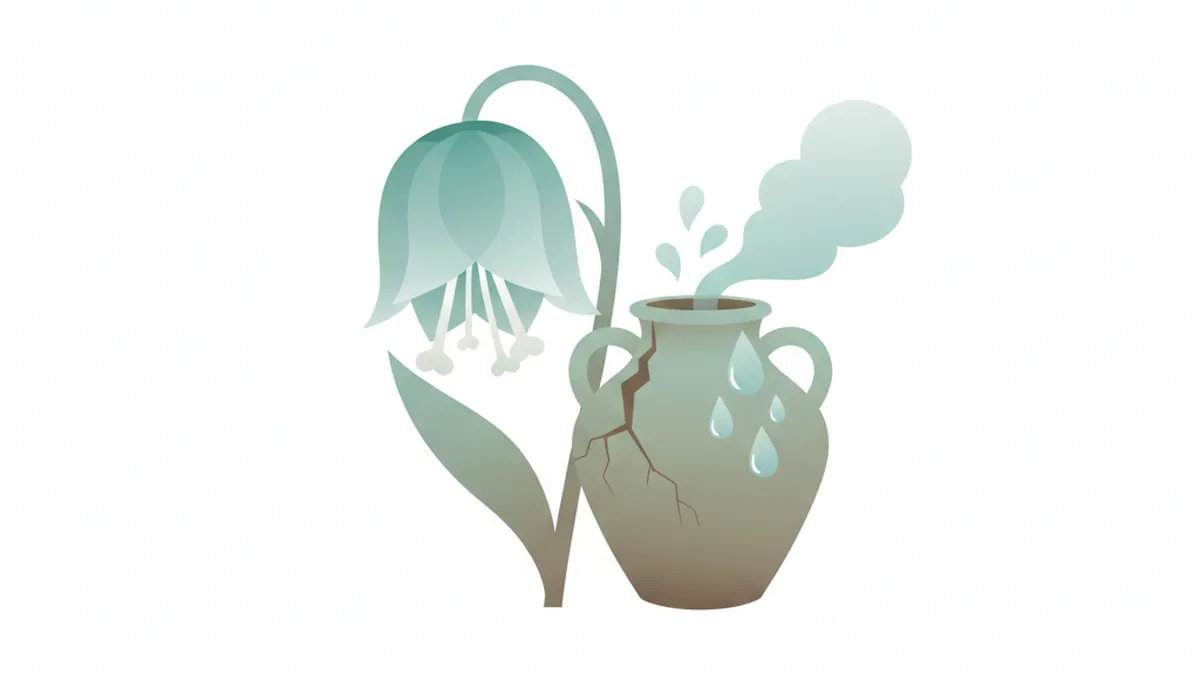
Let's talk about what you're actually treating. Menopause isn't a single symptom. It's a systemic shift affecting multiple body systems simultaneously.
The obvious symptoms — hot flashes, night sweats — are just the surface. Research consistently shows estrogen decline affects:
Sleep architecture. Not just waking up drenched. The loss of estrogen disrupts REM cycles and deep sleep stages. You might sleep seven hours but wake exhausted because you never entered restorative sleep. This compounds everything else.
Bone density. Estrogen regulates osteoclast activity — the cells that break down bone. Without it, you lose bone mass rapidly in the first five years after menopause, roughly 1-2% yearly. That rate slows eventually, but the early loss sets your trajectory for osteoporosis risk decades later.
Vaginal and urinary tissue. The genitourinary syndrome of menopause — painful sex, urinary urgency, recurrent infections — affects about half of postmenopausal women. Unlike hot flashes, which often diminish over time, this worsens without treatment.
Metabolic changes. Estrogen influences how your body handles glucose and stores fat. Many women notice weight redistributing to the abdomen even without eating differently. This isn't vanity — visceral fat carries different health risks than subcutaneous fat.
Cognitive function. Some women describe "brain fog" during the menopause transition. Whether estrogen therapy prevents cognitive decline remains debated, but the subjective experience of concentration difficulty is real and measurable.
Here's the question: Which of these matter enough to you to consider treatment with known risks?
The Actual Numbers (Not the Headlines)
Let's ground this in concrete risk. If 10,000 women take combined estrogen-progestin for one year, research suggests we'd expect roughly:
- 8 additional breast cancers
- 8 additional strokes
- 8 additional blood clots
- 6 fewer colorectal cancers
- 6 fewer hip fractures
Those numbers shift based on your age when you start, how long you take them, your family history, and whether you take estrogen alone or combined with progestin.
The breast cancer increase is real but small. For context, drinking two alcoholic drinks daily increases breast cancer risk more than hormone therapy does. So does obesity. That doesn't make hormones safe — it means we're talking about modest risk elevation, not certainty.
The cardiovascular risk follows that timing pattern. Starting hormones in your 50s appears neutral or possibly protective for heart disease. Starting in your 60s or 70s increases risk. Blood clot risk exists at any age, especially with oral estrogen.
One number matters most: symptom relief. For moderate-to-severe hot flashes, estrogen therapy works dramatically better than anything else we have. Roughly 80-90% of women get substantial relief. Antidepressants might reduce hot flashes by 40-50%. Placebo reduces them about 25-30%. Nothing else comes close to estrogen's effectiveness.
Who Benefits Most (And Who Should Think Hard Before Starting)
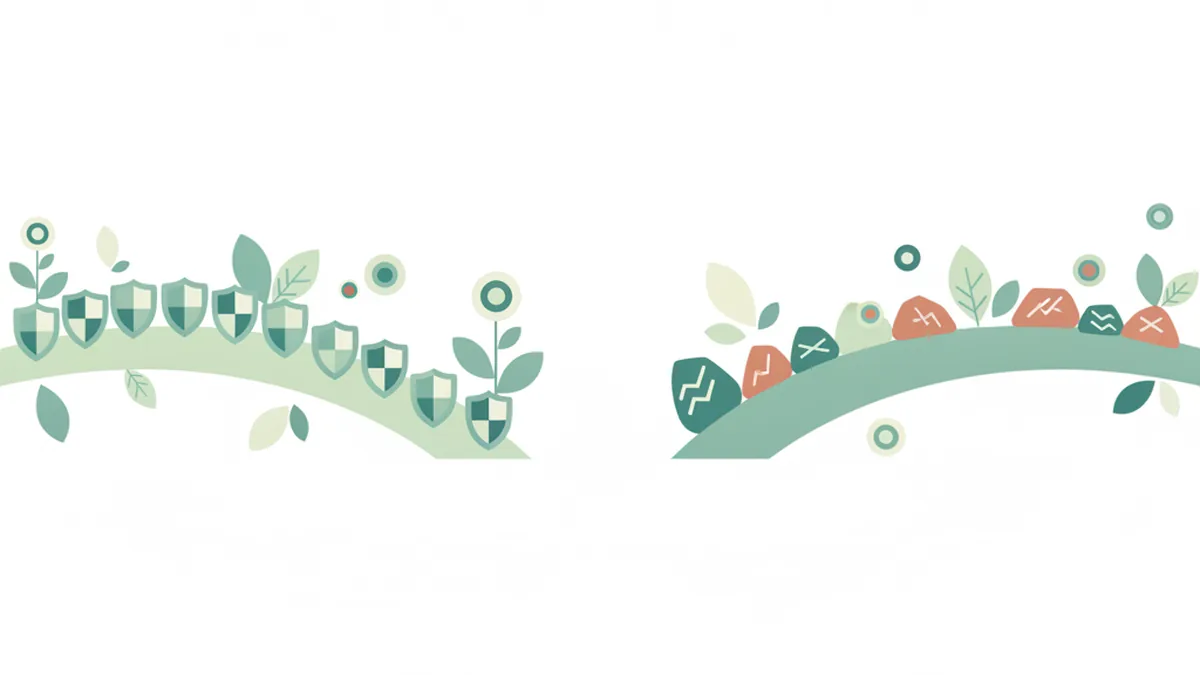
The risk-benefit calculation shifts dramatically based on your specific situation.
You might strongly benefit if:
You're under 60 or within ten years of menopause. You have severe hot flashes interfering with sleep, work, or quality of life. You've had a hysterectomy (meaning you can take estrogen without progestin). You have low bone density or family history of osteoporosis. You have no personal history of breast cancer or blood clots.
The calculation gets complicated if:
You're over 60 or more than ten years past menopause. You have mild symptoms. You have high cardiovascular risk. You've had previous blood clots. You have strong family history of breast cancer (especially if you haven't been genetically tested). You smoke. You have liver disease.
You probably shouldn't start if:
You've had estrogen-sensitive breast cancer. You've had unexplained vaginal bleeding. You've had blood clots, stroke, or heart attack. You have active liver disease.
But even these aren't absolute. A woman with severe osteoporosis and debilitating hot flashes might accept breast cancer risk a healthy woman wouldn't. A woman who had breast cancer a decade ago might decide quality of life matters more than slightly increased recurrence risk. These are values decisions, not just medical ones.
The Types Matter More Than Most People Realize
Not all estrogen therapy is identical. Your choices affect both efficacy and risk.
Delivery method: Oral estrogen goes through the liver first, raising blood clot risk more than transdermal patches or gels. If you're at higher cardiovascular risk, transdermal makes more sense. Pills are convenient and cheaper. Patches bypass first-pass liver metabolism but can irritate skin.
Estrogen type: Most prescriptions use estradiol, chemically identical to what your ovaries made. "Conjugated equine estrogen" (from pregnant horse urine) is older but still used. No strong evidence one works better, but bioidentical estradiol appeals to many women.
Progestin choice: If you have a uterus, you need progestin to protect the uterine lining. But different progestins carry different risks. Synthetic progestins like medroxyprogesterone may increase breast cancer risk more than micronized progesterone (according to some European studies). The progesterone IUD delivers progestin locally with minimal systemic absorption.
Dosing: We now use lower doses than in the 1990s. The goal is the minimum effective dose for your symptoms. More isn't better — it just increases risk without additional benefit.
The phrase "bioidentical hormone therapy" gets thrown around loosely. It can mean FDA-approved bioidentical estradiol and progesterone, or it can mean custom-compounded hormones from specialty pharmacies. Compounded products aren't regulated the same way. They might appeal philosophically, but you're accepting unknown quality control for unproven benefit.
How to Actually Make This Decision

First, get clear on what you're treating. Track your symptoms for a month. Hot flashes keeping you awake? Rate the severity honestly. Painful sex? Mood changes? Weight changes? Bring data to your doctor, not vague complaints.
Second, understand your baseline risks. Family history of breast cancer, heart disease, or osteoporosis? Prior blood clots? These aren't absolute contraindications (except active cancer), but they shift the calculation. Get a baseline bone density scan if you're considering hormones primarily for bone health.
Third, set a timeline. We used to prescribe hormones indefinitely. Now we think in terms of years, not decades. Many women take them for 3-5 years through the worst symptom period, then taper off. Some continue longer if symptoms return. There's no magic cutoff, but the longer you take them, the more breast cancer risk accumulates.
Fourth, plan monitoring. Annual mammograms regardless. Possibly breast MRI if you're high risk. Definitely discussion with your doctor about whether symptoms justify continuing.
What if you start and hate the side effects? Breast tenderness, bloating, headaches, and irregular bleeding are common initially. They often improve after three months. If they don't, trying a different formulation often helps. Finding the right type and dose can take adjusting.
The Stuff Nobody Mentions (But You'll Wish You'd Known)
Insurance coverage varies wildly. Generic estradiol patches or pills cost roughly $20-50 monthly. Branded versions can run $200+. Compounded bioidenticals often aren't covered at all.
Starting hormones in your 50s then stopping in your 60s doesn't just return you to baseline. The bone protection disappears. Some women experience symptom recurrence years after menopause when they stop. Tapering gradually helps but doesn't eliminate this.
If you're considering hormones solely for vaginal symptoms, local estrogen (vaginal creams, tablets, or rings) delivers relief without systemic exposure. The breast cancer concern largely doesn't apply to local therapy. Many doctors start there before considering systemic hormones.
The cognitive effects remain genuinely unclear. Some studies suggested hormones started during the menopause transition might protect against dementia. Others showed no benefit or slight harm when started later. The truth is we don't know yet, and you can't bank on cognitive protection as a reason to start.
Sex drive is complicated. Estrogen helps vaginal symptoms that make sex painful. It doesn't directly increase libido the way testosterone does (and some doctors do prescribe testosterone for postmenopausal women, though it's off-label). If low libido is your primary concern, talk specifically about that — estrogen might not be the right tool.
What This Looks Like in Real Life
Here's how three women might reasonably approach this differently:
Sarah, 53, surgical menopause after hysterectomy for fibroids. Severe hot flashes, no sleep for weeks, works as an attorney with back-to-back court appearances. No breast cancer history, healthy heart. She's an excellent candidate — estrogen-only therapy, transdermal, addressing genuinely disabling symptoms during the low-risk window.
Maria, 58, natural menopause at 54, moderate hot flashes that improved but returned. Mother had breast cancer at 68. She's anxious about hormones but miserable. She might try low-dose therapy for targeted relief with extra breast monitoring, planning to use them short-term. Or she might choose an SSRI instead, accepting less effectiveness to avoid cancer anxiety.
Jennifer, 64, menopause at 52, started hormones at 63 for vaginal symptoms and bone density. She's outside the timing window, adding cardiovascular risk for bone protection we could achieve other ways (bisphosphonates, weight-bearing exercise). She might be better served by local vaginal estrogen plus bone-specific treatment.
None of these decisions is wrong. They reflect different values applied to the same evidence.
Moving Forward With Clear Eyes
The estrogen question isn't "should I or shouldn't I." It's "do the benefits I care about outweigh the risks I'm willing to accept, right now, given my particular body and history?"
That calculation changes over time. The decision you make at 52 might differ from what makes sense at 62. What feels intolerable in year one of menopause might become manageable by year five.
If you're leaning toward trying hormone therapy, find a doctor who knows the current evidence, not 2002 headlines. Ask specifically: What type do you recommend and why? What risks apply to me specifically? How will we monitor? When should we reassess?
If you're leaning against it, know that's completely valid. Hormone therapy isn't necessary. It's one option among several for managing symptoms. Not treating is a choice too, and for many women, it's the right one.
The most important shift since 2002 isn't what we learned about hormones. It's recognizing that this decision is individual, time-sensitive, and reversible. You're not locked into a forever choice. You're making the best decision you can with current evidence for your current situation.
That's all anyone can do.
This article is for informational purposes only and isn't a substitute for medical advice. Talk to a qualified healthcare provider about your specific situation.
Sources & further reading
This article draws on guidance from recognized health authorities:


Comments
Post a Comment