When Your Testosterone Is Actually Low (And When It Isn't)
The ads make it sound simple: tired all the time? Can't lose weight? Low libido? Must be low testosterone. Book your appointment, get your prescription, feel like yourself again.
Except that's not how it works for most men who suspect they have "low T."
Here's what surprised me when I dug into the research: the vast majority of men experiencing those symptoms have completely normal testosterone levels. Their fatigue, weight gain, and reduced sex drive stem from poor sleep, stress, lack of exercise, or a dozen other fixable issues that have nothing to do with their hormones. Yet testosterone clinics have proliferated across the country, treating symptoms rather than actually measuring what's happening hormonally.
So when is low testosterone actually low? And how do you know if your symptoms warrant investigation?
What People Commonly Believe About Low T
The cultural narrative around testosterone has gotten noisy. Men often believe that feeling less energetic than they did at 25 means their testosterone has tanked. They read that belly fat and testosterone are connected (true) and assume the fat caused low testosterone (usually backwards). They hear that testosterone naturally declines with age and figure their levels must need "fixing."
The supplement industry and men's health clinics amplify this. Walk into certain clinics with complaints of fatigue and reduced libido, and you'll walk out with a prescription—sometimes without even getting your levels checked first. I've seen practices advertise testosterone therapy for "optimization" in men whose levels are solidly normal.
This matters because testosterone replacement isn't benign. It can shrink testicles, reduce sperm production (sometimes permanently), worsen sleep apnea, increase red blood cell count to concerning levels, and potentially affect cardiovascular risk. Taking it when you don't need it means accepting real risks for imaginary benefits.
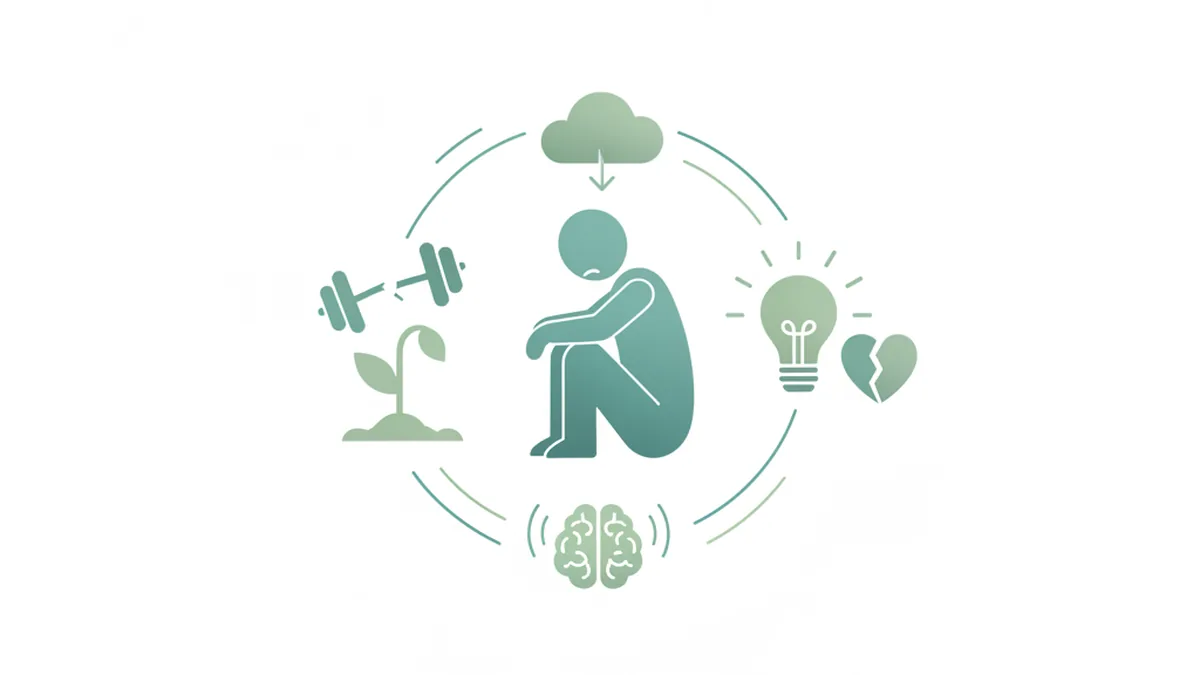
The confusion stems partly from how nonspecific the symptoms are. Fatigue, reduced muscle mass, weight gain, low mood, decreased libido—these describe half the men over 40 in America, most of whom have normal testosterone. These symptoms also perfectly describe untreated sleep apnea, clinical depression, hypothyroidism, diabetes, and chronic stress. Testosterone gets blamed because it's easier to treat a hormone than to address sleep habits, exercise routines, relationship problems, or work stress.
What the Research Actually Shows
Let's establish what "low" actually means. According to guidelines from the Endocrine Society and the American Urological Association, low testosterone (hypogonadism) is defined as total testosterone below 300 ng/dL confirmed on at least two separate morning measurements, combined with symptoms. Both parts matter. A number without symptoms doesn't warrant treatment. Symptoms without a low number aren't testosterone deficiency.
That 300 ng/dL threshold isn't arbitrary. Below that level, men consistently show physiological changes: reduced bone density, altered body composition, decreased red blood cell production. Above 300 ng/dL, even up to 350 or 400, the evidence for clinically meaningful problems gets murkier. Some men function perfectly well at 350; others feel symptomatic. The normal range stretches from roughly 300 to 1000 ng/dL, which tells you how much individual variation exists.
Age does affect testosterone, but not as dramatically as many assume. Research shows testosterone declines about 1-2% per year after age 30. That's real but gradual. A man with a level of 700 at age 30 might have 560 at age 60—still well within normal range. Significant drops suggest something beyond normal aging: obesity, diabetes, sleep disorders, medications, or pituitary problems.
Here's where it gets interesting: when researchers study men with symptoms commonly attributed to low testosterone, only a fraction actually have low levels. A 2018 population-based study found that among men reporting sexual dysfunction, less than 20% had testosterone levels below 300 ng/dL. The other 80% had normal levels but still experienced the symptoms. Their problems weren't hormonal.
The relationship between testosterone and body fat runs in both directions. Low testosterone can contribute to fat gain, particularly around the midsection. But obesity itself suppresses testosterone production through increased aromatase activity (converting testosterone to estrogen in fat tissue). So excess weight causes low testosterone more often than low testosterone causes excess weight. This matters enormously for treatment: lose the weight, and testosterone often normalizes without medication.
Sleep apnea deserves special mention. Untreated sleep apnea can cut testosterone levels significantly—sometimes by 30-40%. The interrupted breathing prevents normal nighttime testosterone production. Men with apnea frequently get diagnosed with "low T" and started on replacement therapy when treating the sleep disorder would restore their levels naturally. If you snore heavily, wake unrefreshed, or have witnessed breathing pauses during sleep, that's a more likely culprit than primary testosterone deficiency.
True testosterone deficiency typically stems from testicular problems (primary hypogonadism) or pituitary/hypothalamic dysfunction (secondary hypogonadism). Primary causes include Klinefelter syndrome, chemotherapy, radiation, mumps orchitis, or testicular injury. Secondary causes include pituitary tumors, certain medications (particularly opioids and steroids), severe stress, malnutrition, or genetic conditions. These aren't subtle—they usually come with clear signs beyond just feeling tired.
Why This Matters for Your Health
Getting this diagnosis right changes everything about treatment. If your testosterone is genuinely low, replacement therapy can be life-altering: improved energy, better body composition, enhanced libido, improved mood. But if you're misdiagnosed, you're taking on risk without benefit while missing the actual problem.
Consider a 45-year-old man complaining of fatigue and low libido. His testosterone comes back at 380 ng/dL—low-normal. An overeager clinic starts him on testosterone. He might feel better initially (placebo effects are powerful for these symptoms), but he hasn't addressed his actual issues: he works 60 hours weekly, sleeps five hours nightly, hasn't exercised in months, and his marriage is strained. His "low T" was really burnout, poor sleep, deconditioning, and relationship stress. The testosterone may provide temporary mood lift, but it won't fix the root causes.
Worse, starting testosterone when you don't need it can create dependency. External testosterone suppresses your body's natural production through negative feedback on the hypothalamus and pituitary. Stop the therapy, and your own production may not restart fully—or may restart slowly over months. Some men end up needing long-term replacement after short-term use that was never medically necessary.
The cardiovascular question remains unsettled. Early studies suggested testosterone replacement might increase heart attack and stroke risk, particularly in older men or those with preexisting heart disease. More recent research presents a mixed picture. The FDA requires warnings about cardiovascular events, though the absolute risk appears small in men with genuinely low testosterone who are properly monitored. What's clear: taking testosterone when your levels are already normal likely shifts the risk-benefit calculation unfavorably.
Fertility is another consideration. Testosterone replacement shuts down sperm production. That's why testosterone is actually being studied as male contraception—it's quite effective at eliminating sperm. Men who might want children in the future need to know this upfront. "Testosterone therapy for low libido" can inadvertently cause infertility.
The flip side matters too: untreated genuine hypogonadism has consequences. Low testosterone contributes to osteoporosis in men, increasing fracture risk. It affects muscle mass and strength in ways that matter for functional independence as men age. Sexual dysfunction from truly low levels can strain relationships and quality of life. Mood effects can be significant—though whether low testosterone causes clinical depression or just contributes remains debated.
What to Actually Do
If you're experiencing fatigue, low libido, difficulty building muscle, or unexplained weight gain, here's a sensible approach:
First, get honest about the basics. How much are you sleeping? Seven hours or more of quality sleep? Sleep deprivation mimics low testosterone almost perfectly. Are you exercising consistently? Strength training in particular supports healthy testosterone levels. What's your stress level? Chronic elevated cortisol suppresses testosterone production. Alcohol intake? More than moderate drinking (two drinks daily) can affect testosterone. These aren't exciting answers, but they're usually the actual problem.
Check your medications. Opioids are notorious testosterone suppressors—even "moderate" use can drop levels significantly. Steroids (prednisone and similar) affect the hypothalamic-pituitary-testicular axis. Some blood pressure medications, antidepressants, and anti-anxiety medications can impact testosterone or sexual function. Worth discussing with the prescriber.
If symptoms persist despite addressing lifestyle factors, testing makes sense. But do it right. Testosterone levels fluctuate throughout the day, peaking in the morning. A single afternoon test showing 320 ng/dL might be 450 ng/dL in the morning—completely normal. Proper testing means two separate morning draws (ideally before 10 AM), typically a week or more apart. If both show levels below 300 ng/dL and you have clear symptoms, you've got something to investigate.
Insist on full hormone panels, not just total testosterone. You need to know about luteinizing hormone (LH) and follicle-stimulating hormone (FSH)—these tell whether the problem is testicular or pituitary. Thyroid function tests rule out hypothyroidism, which mimics low testosterone. Prolactin levels matter—elevated prolactin suppresses testosterone and can signal a pituitary tumor. Estradiol helps assess whether excess aromatase activity is converting testosterone to estrogen. A complete metabolic panel and hemoglobin A1c screen for diabetes and liver or kidney problems that affect hormone levels.
If your levels are genuinely low, the next question is why. Your doctor should investigate secondary causes: sleep apnea screening, pituitary MRI if secondary hypogonadism is suspected, medication review, evaluation for chronic illnesses affecting hormone production. Treating the underlying cause beats lifelong hormone replacement.
When replacement therapy is genuinely indicated, multiple options exist. Injections (weekly or biweekly) are most common and cost-effective. Topical gels work but require careful application (they can transfer to partners or children). Pellets implanted under the skin last months but can't be adjusted if side effects occur. Oral testosterone has improved recently with newer formulations. Each has trade-offs worth discussing.
Monitoring during therapy isn't optional. Regular blood tests check that testosterone levels reach the normal range without overshooting, that red blood cell count doesn't climb dangerously high, and that estradiol doesn't surge from excessive aromatization. Prostate-specific antigen (PSA) gets tracked because testosterone doesn't cause prostate cancer but can fuel existing cancer growth. Digital rectal exams screen for prostate abnormalities.
What about supplements? The market is flooded with "testosterone boosters"—zinc, magnesium, D-aspartic acid, fenugreek, ashwagandha, DHEA. The evidence is weak for most. Zinc and vitamin D help if you're deficient in them, but supplementing when you're not deficient doesn't raise testosterone. DHEA is a hormone precursor with mixed evidence and potential side effects. Most other supplements have minimal data supporting meaningful testosterone increases. They're profitable but rarely effective.
Here's a scenario that should prompt urgent evaluation: young man (under 40) with markedly low testosterone without obvious cause. This isn't normal aging. It suggests something specific: pituitary tumor, genetic condition, testicular failure, or serious systemic illness. Similarly, testosterone that drops rapidly over months rather than gradually over years warrants thorough investigation.
The mental game matters too. Men often tie testosterone levels to masculinity and self-worth in unhelpful ways. A level of 350 ng/dL doesn't make you less of a man than someone at 750 ng/dL. What matters is whether your levels are causing actual physiological problems and whether treatment addresses those problems. Avoid the trap of "optimization"—trying to push levels to the high end of normal when you're already functioning well. Higher isn't always better and can mean more side effects.
This article is for informational purposes only and isn't a substitute for medical advice. Talk to a qualified healthcare provider about your specific situation.
Sources & further reading
This article draws on guidance from recognized health authorities:
- Cleveland Clinic — Low Testosterone (Male Hypogonadism)
- NIH — Diagnosis of Hypogonadism: Clinical Assessments and Laboratory Tests


Comments
Post a Comment