Creatine for Women: Beyond the Muscle Myth

Open your average gym supplement aisle and you'll find creatine marketed almost exclusively to men, usually with images of hulking bodybuilders. Many women walk right past it, assuming it's only for those trying to bulk up. That's a shame, because they're missing one of the most researched supplements in existence—one that might help with everything from brain fog to bone density to the metabolic chaos of perimenopause.
The muscle-bro marketing has obscured something important: creatine is a compound your body makes naturally (about a gram per day) and uses constantly, in every cell, for energy production. Women typically have lower creatine stores than men, partly because the main dietary sources are meat and fish, and partly due to hormonal differences in how the body synthesizes and uses it. When estrogen drops during menopause, those stores can decline further, right when the body needs energy support most.
So why aren't more women taking it? Let's clear up the confusion.
Why Does Creatine Matter for Women Specifically?
Here's the short answer: creatine helps regenerate ATP, the molecule your cells use for quick energy bursts. That matters for obvious things like lifting weights or sprinting, but also for less obvious processes—neuron firing in your brain, maintaining bone cell activity, buffering against oxidative stress.
Research consistently shows women have about 70-80% of the creatine stores men do, even when accounting for muscle mass differences. This gap widens with age. After menopause, when estrogen's protective effects fade, the body becomes less efficient at making and storing creatine on its own.
Here's where it gets interesting. Creatine isn't just sitting in muscle tissue waiting for your next workout. Your brain uses it. Your bones use it. The energy demands of these tissues don't stop because you're not trying to set a deadlift PR.
One area drawing real attention: cognitive function. Several studies have found that creatine supplementation improves working memory and reduces mental fatigue, particularly in people who are sleep-deprived or under stress. (Sound familiar to anyone juggling work, family, and the hormonal rollercoaster of middle age?) The effect seems especially pronounced in women, possibly because we start with lower baseline stores.
Then there's bone health. Emerging research suggests creatine may help maintain bone mineral density when combined with resistance training—a one-two punch that's particularly relevant as women age and osteoporosis risk climbs. The mechanism isn't entirely clear, but it likely involves creatine supporting the energy-intensive work of bone-building cells called osteoblasts.
And for women navigating perimenopause or menopause? This is where things get compelling. Some researchers are investigating whether creatine can help offset the metabolic and cognitive shifts that come with declining estrogen—the brain fog, the harder time building or maintaining muscle, the fatigue that settles in like unwanted houseguests.
Will Creatine Make You Bulky or Bloated?

Let's tackle the elephant in the room. No, creatine will not make you bulky unless you're also lifting heavy weights consistently and eating in a caloric surplus. Muscle growth requires specific training stimulus and adequate protein—creatine alone doesn't trigger hypertrophy.
What creatine does do: it pulls water into your muscle cells. This is intracellular water, not the subcutaneous bloat that makes your jeans tight. Most women notice an initial weight increase of 1-3 pounds in the first week or two of supplementation. That's not fat. It's water being stored where it's supposed to be, inside muscle tissue, which actually makes muscles function better.
Some women do report feeling slightly bloated, though this is less common than the internet would have you believe. If it happens, it's usually temporary and resolves as your body adjusts. Drinking plenty of water (counterintuitive, but it helps) and splitting your dose throughout the day rather than taking it all at once can minimize any discomfort.
The "loading phase" you might have heard about—taking 20 grams per day for a week to saturate your muscles quickly—isn't necessary. It works faster, sure, but it's also more likely to cause that bloated feeling. Taking 3-5 grams daily achieves the same muscle saturation in about three weeks, with far fewer digestive complaints.
Worth noting: the cosmetic concerns about water weight are largely aesthetic, not medical. If you're training for a physique competition or need to make weight for a sport, timing matters. For general health and performance? That small amount of intramuscular water is exactly what you want.
What Are the Real Benefits Women Can Expect?
Let's get specific about what creatine can and can't do.
Strength and muscle preservation: When combined with resistance training, creatine helps women build and maintain lean muscle mass more effectively. This matters at any age, but especially during and after menopause when muscle loss accelerates. Research shows creatine supplementation alongside strength training produces better outcomes for muscle mass and strength than training alone. We're talking meaningful differences—the kind that affect whether you can carry groceries up stairs at 70.
Bone density support: The data here is still evolving, but promising. Studies examining creatine supplementation in postmenopausal women doing resistance training have found improvements in bone mineral density compared to training alone. The effect isn't dramatic enough to replace other bone-health strategies (you still need weight-bearing exercise, adequate calcium and vitamin D, and often medical management if you have osteoporosis), but it appears to enhance the benefits you get from proper training.
Cognitive performance: This is where the research gets really interesting. Creatine supplementation has been shown to improve performance on tasks requiring short-term memory and quick thinking, particularly under conditions of sleep deprivation or mental stress. One frequently cited finding: vegetarians (who get no dietary creatine from meat) show the most dramatic cognitive improvements with supplementation, suggesting that people with lower baseline stores benefit most. Women, who generally have lower stores, may see similar advantages.
The brain uses a tremendous amount of energy. Creatine helps ensure that energy supply remains steady. Some researchers are even investigating whether it might have neuroprotective effects—helping brain cells resist damage from stress or aging. That research is preliminary, but the theoretical basis is solid.
Menopausal symptom management: Here's where we need careful language, because the research is newer and less definitive. Some studies suggest that creatine supplementation, combined with resistance training, may help offset some of the metabolic and mood-related challenges of menopause—things like reduced insulin sensitivity, increased fat accumulation, and difficulty maintaining muscle mass. But we can't yet say "creatine treats menopause symptoms" the way we can say "it improves strength performance."
What we can say: the hormonal changes of menopause make it harder to build and maintain muscle. Creatine helps with that process. The energy metabolism shifts that contribute to fatigue and brain fog might be partially addressed by improving cellular energy availability. Those are plausible mechanisms worth paying attention to.
Exercise recovery: Creatine may reduce muscle damage and inflammation after intense training, leading to faster recovery. This isn't a miracle effect—you can't train recklessly and expect creatine to fix it—but it might mean you can train consistently without feeling wrecked for days afterward.
How Should Women Actually Use It?
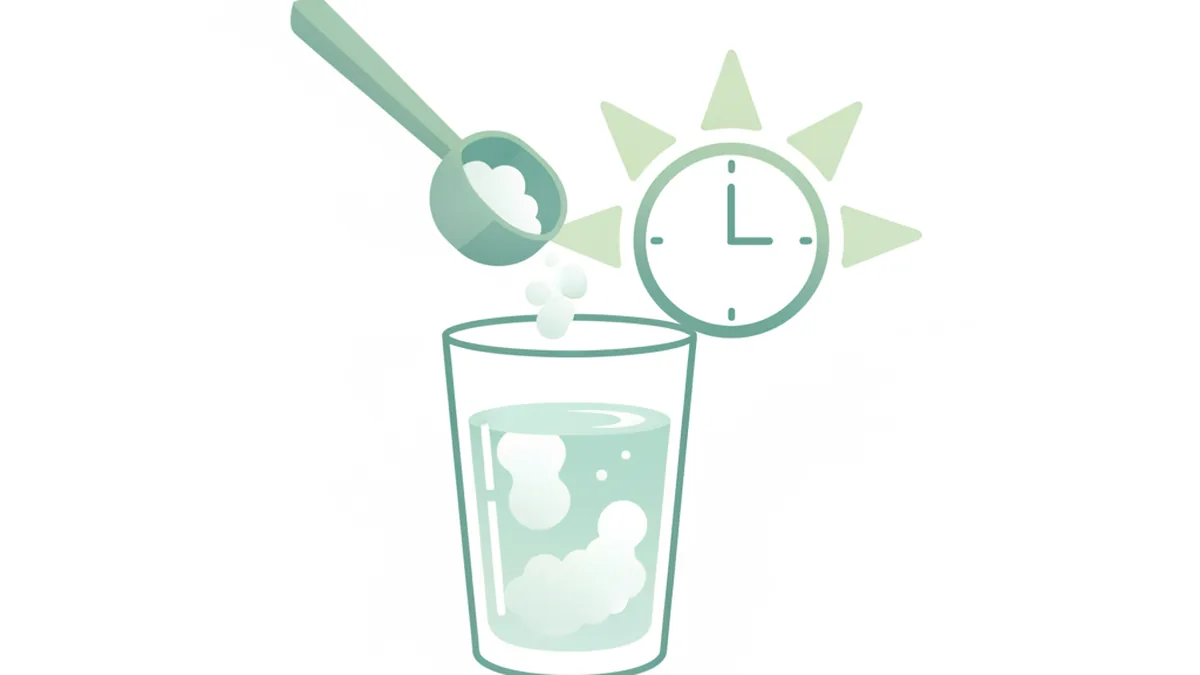
The standard effective dose is 3-5 grams per day. That's it. Not 20 grams during a loading phase (unless you want faster saturation and don't mind the bloating risk), not 10 grams "just to be sure." More isn't better with creatine—your muscles can only store so much, and excess gets excreted by your kidneys.
Creatine monohydrate is the form you want. It's the most studied, the most effective, and the cheapest. All those fancy variations—creatine HCL, buffered creatine, creatine ethyl ester—have little evidence showing they work better, despite costing more.
Timing doesn't matter much. Some evidence suggests taking it post-workout might have a slight edge for muscle building, but the effect is marginal. Consistency matters more than timing. Pick a time you'll remember—with breakfast, with your post-workout shake, before bed—and stick with it.
Mix it with whatever you like. It dissolves better in warm liquids, but cold water is fine. Juice works. Coffee works. It doesn't need to be paired with carbohydrates for absorption, though that myth persists from early research.
You don't need to cycle off creatine. It's not a hormone or stimulant that requires periodic breaks. Taking it continuously maintains stable muscle stores, which is the goal.
What About Safety and Side Effects?
Creatine monohydrate is one of the most extensively studied sports supplements in existence, with decades of research showing it's safe for healthy adults at standard doses. The International Society of Sports Nutrition has stated that creatine monohydrate is safe and effective, and organizations like the Mayo Clinic acknowledge its widespread use with minimal adverse effects.
The most common side effect is mild gastrointestinal discomfort, usually during a high-dose loading phase. Taking smaller doses (3-5 grams) and splitting them throughout the day eliminates this for most people.
Let's address the kidney concern directly, because it comes up constantly. Early case reports suggested creatine might harm kidney function, but subsequent research in healthy individuals has consistently found no negative effects on kidney health at standard doses. Your kidneys filter creatine and its breakdown product, creatinine, but that's normal metabolic work—not damage. If you have existing kidney disease, that's different. Discuss supplementation with your nephrologist.
Creatine does increase creatinine levels, which is a marker doctors use to assess kidney function. If you're supplementing and getting routine bloodwork, tell your doctor—elevated creatinine from creatine supplementation can be misinterpreted as kidney dysfunction if they don't know you're taking it.
There's no good evidence that creatine causes hair loss, despite that particular internet rumor. The theory came from a single study in rugby players that showed increased DHT (a hormone linked to male pattern baldness). That finding hasn't been replicated, and no studies have actually documented hair loss from creatine use.
During pregnancy and breastfeeding, the data is limited, so most healthcare providers recommend avoiding it. This isn't because we know it's harmful—we simply don't have enough research to confirm it's safe in those specific circumstances. The precautionary principle applies.
Who Shouldn't Take Creatine?
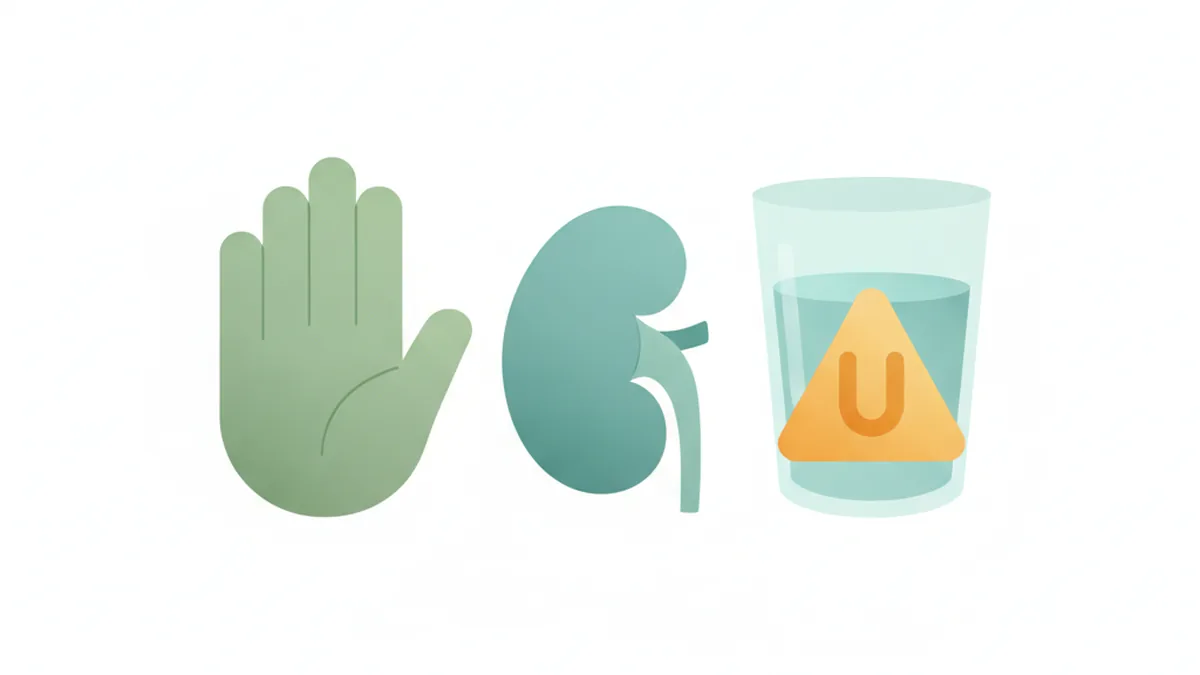
If you have kidney disease, chronic kidney dysfunction, or a history of kidney stones, skip creatine or get explicit clearance from your doctor. The metabolic load matters more when kidney function is already compromised.
People with diabetes should monitor blood sugar carefully when starting creatine, as some research suggests it may affect glucose metabolism. That effect appears to be beneficial (improved insulin sensitivity), but it's worth tracking, especially if you're on medication.
If you're taking diuretics or medications that affect kidney function, discuss creatine with your prescribing physician. The combination isn't automatically dangerous, but it warrants professional oversight.
Anyone with bipolar disorder should be cautious. There have been isolated reports of creatine potentially triggering manic episodes, though the data is limited. Worth discussing with your psychiatrist if you're interested in trying it.
What About Testing and Results?
You won't feel creatine working like you would a stimulant—there's no buzz, no immediate energy surge. The effects are cumulative. After 3-4 weeks of consistent supplementation, you might notice you can do an extra rep or two on exercises you've been doing regularly. Or that your last set doesn't feel as brutally difficult as it used to. Or that you're less mentally drained in the afternoon.
These aren't dramatic, suddenly-I-can-lift-twice-as-much changes. They're marginal gains that compound over time. That's actually the point—creatine is a long-term strategy for supporting performance and health, not a quick fix.
If you want to assess whether it's working, track objective measures. How many pushups can you do? How long can you hold a plank? What's your 5K time? How's your performance on memory-intensive work tasks? Compare before supplementation and 4-6 weeks after.
Some women notice no performance change at all. About 20-30% of people are "non-responders" to creatine, meaning their muscles are already saturated or they have genetic factors affecting how they respond to supplementation. If you've been taking 5 grams daily for six weeks and notice absolutely no difference in training capacity or recovery, you might be in that group. It's not harmful to continue, but you're probably not getting much benefit.
The Bottom Line: Should You Try It?
If you're doing any kind of resistance training—whether that's heavy lifting, bodyweight exercises, or working with bands—creatine likely has something to offer. The strength and recovery benefits are real and well-documented.
If you're dealing with perimenopause or menopause and struggling with maintaining muscle, bone health, or cognitive clarity, it's worth considering, especially combined with a solid strength training program.
If you're vegetarian or vegan (and therefore getting zero dietary creatine), supplementation might have more noticeable effects than it would for someone eating meat regularly.
If you're just looking for general health optimization and already exercising regularly, it's a low-risk addition with potential upside.
The cost is minimal—a six-month supply of quality creatine monohydrate runs about $20-30. The safety profile is excellent for healthy adults. The research base is extensive. For something so thoroughly studied and generally well-tolerated, the barrier to trying it is low.
What creatine won't do: replace proper training, fix a poor diet, cause dramatic body composition changes on its own, or work miracles. It's a support player, not the star of the show. But for women who've been told it's not for them, or who've skipped it because of unfounded fears about bloating or bulking, it's worth reconsidering.
Worth discussing with your healthcare provider, particularly if you have existing health conditions or take medications. But for most women? The question isn't really "why should I take creatine?" It's "why have I been avoiding something this well-studied and potentially beneficial?"
This article is for informational purposes only and isn't a substitute for medical advice. Talk to a qualified healthcare provider about your specific situation.
Sources & further reading
This article draws on guidance from recognized health authorities:


Comments
Post a Comment