How Much Protein Do You Actually Need? Cutting Through the Hype
Walk into any grocery store and you'll find protein-fortified everything: cereal, pancake mix, ice cream, even water. The fitness industry insists you need a post-workout shake within 30 minutes or your muscles will waste away. Meanwhile, your aunt swears she feels better eating mostly plants.
Here's what actually matters: your protein needs depend on far more than the number on a powder tub. Let's cut through the noise.
Why does your body need protein in the first place?
Protein does more than build muscle, though that's what gets the attention. Every cell in your body contains protein. Your immune system relies on antibodies—specialized proteins—to fight infection. Enzymes that digest food? Proteins. Hormones that regulate everything from blood sugar to mood? Many are proteins. Even the collagen holding your skin together is protein.
Your body constantly breaks down and rebuilds these proteins. Unlike fat or carbohydrate, you can't store protein for later use. What you don't use gets converted to energy or, if you're eating excess calories, fat. This means you need a steady supply.
The nitrogen in protein makes it unique among macronutrients. When your body breaks down protein, it releases nitrogen through urine. Researchers measure nitrogen intake versus nitrogen loss to determine protein needs—a process called nitrogen balance. Eat too little protein, and you lose more nitrogen than you take in. Your body starts breaking down muscle and other tissues to get what it needs.
But here's where it gets interesting: your baseline needs are surprisingly modest. The real question isn't just "how much" but "how much for what purpose?"
How much protein do most people actually need?
The official recommendation from the Institute of Medicine sets the Recommended Dietary Allowance (RDA) at 0.8 grams per kilogram of body weight per day for adults. For a 150-pound person, that's about 54 grams daily. For someone who weighs 200 pounds, roughly 72 grams.
That RDA covers basic physiological needs—preventing deficiency, maintaining nitrogen balance, supporting normal function. It's designed to meet the needs of about 97-98% of healthy adults. Not athletes. Not people trying to build muscle. Not older adults fighting sarcopenia. Just... not becoming protein deficient.
Most Americans easily clear this bar. The average man consumes around 100 grams daily; the average woman about 70 grams (per USDA dietary data). Actual protein deficiency is rare in developed countries unless someone has a severely restricted diet, an eating disorder, or a medical condition affecting absorption.
So why all the fuss? Because the RDA represents a floor, not a ceiling. It's the minimum to avoid problems, not the amount that might optimize health, body composition, or athletic performance.
Think of it like sleep. You might survive on five hours a night, but that doesn't mean it's ideal. Similarly, 0.8 g/kg might prevent deficiency, but research suggests higher intakes offer benefits for specific goals and populations.
The International Society of Sports Nutrition suggests that people engaged in regular training might benefit from 1.4 to 2.0 g/kg daily. That same 150-pound person would need 95-136 grams. Older adults—particularly those over 65—may need 1.0 to 1.2 g/kg to preserve muscle mass and function, even if they're not particularly active.
Is there such a thing as too much protein?
Your kidneys filter the nitrogen waste from protein metabolism, which has led to persistent concerns about kidney damage from high-protein diets. The evidence doesn't support this worry—for people with healthy kidneys.
Studies of athletes consuming 2-3 g/kg daily show no adverse kidney effects. Bodybuilders eating massive amounts of protein for years don't develop kidney disease at higher rates than the general population. If your kidneys function normally, they handle the load just fine.
The caveat: if you already have kidney disease, high protein intake can accelerate decline. Anyone with chronic kidney disease should work with a nephrologist to determine appropriate limits. This is one reason blanket recommendations fall short.
What about bone health? An older theory suggested high protein intake caused calcium loss, weakening bones. Turns out the opposite is closer to truth. Higher protein intake associates with better bone density and fewer fractures, particularly when paired with adequate calcium (research from several large cohort studies supports this association, though the relationship is complex and likely bidirectional).
The real concern with very high protein isn't toxicity—it's displacement. If you're cramming in 200+ grams of protein daily, you're probably shortballing carbohydrates, fiber, and micronutrients from fruits, vegetables, and whole grains. That creates different problems.
Some people also experience digestive discomfort with sudden protein increases. Constipation is common when people dramatically up their protein without adjusting fiber and fluid intake. Less often, people report bloating or changes in gut motility.
There's also the matter of practicality. Eating 200 grams of protein requires serious planning and often gets expensive. For most people, there's a point of diminishing returns where more protein doesn't meaningfully improve outcomes but does complicate life and strain the grocery budget.
What affects how much protein you actually need?
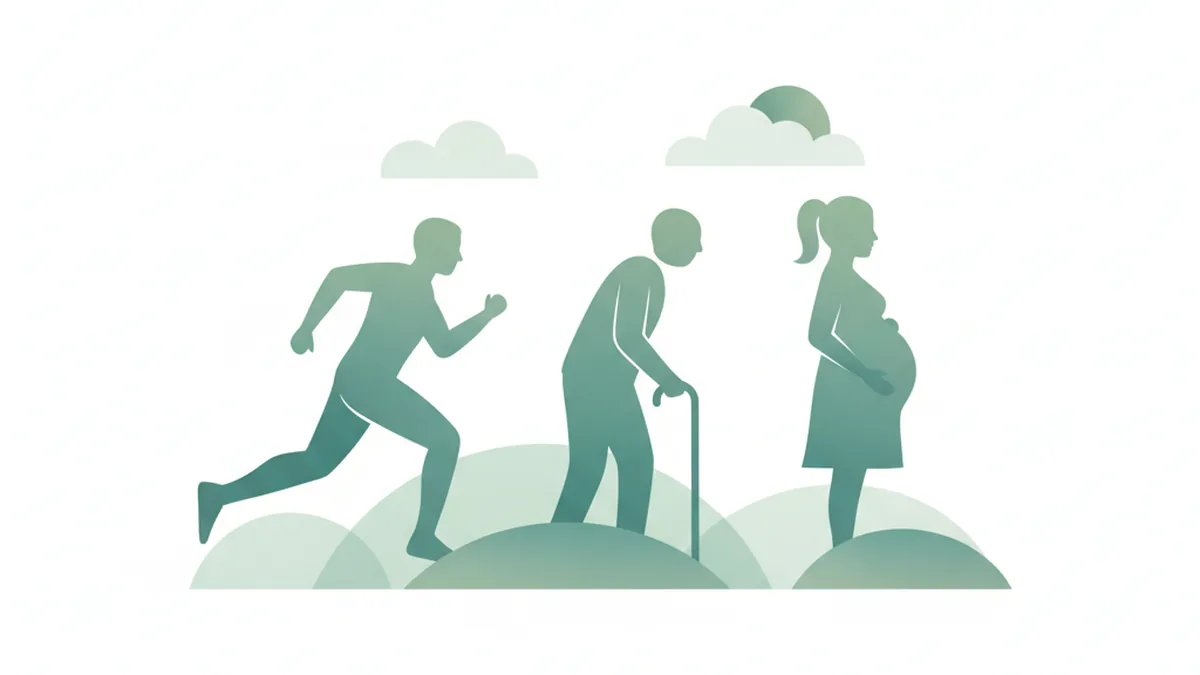
Age matters more than most people realize. After about age 50, you become less efficient at using dietary protein to maintain muscle. This phenomenon, called anabolic resistance, means older adults need more protein per meal to trigger the same muscle protein synthesis as younger people.
A 25-year-old might max out muscle protein synthesis with 20-25 grams of protein in a meal. A 70-year-old might need 35-40 grams to achieve the same response. This isn't about bodybuilding—it's about preventing the muscle loss that contributes to falls, fractures, and loss of independence.
Activity level obviously influences needs. If you're training for a marathon, lifting heavy several times weekly, or working a physically demanding job, your requirements increase. But the increases aren't as dramatic as supplement marketing suggests. An athlete might need 1.6-2.2 g/kg compared to a sedentary person's 0.8-1.0 g/kg—roughly double, not quadruple.
Weight loss changes the equation significantly. When you're in a caloric deficit, your body becomes more likely to break down muscle for energy. Higher protein intake—somewhere in the 1.2-1.6 g/kg range, potentially higher for athletes—helps preserve lean mass while losing fat. This explains why high-protein diets consistently outperform high-carb diets for fat loss when calories are matched. The extra protein protects muscle.
The inverse happens with weight gain. If you're eating in a surplus trying to build muscle, you still need adequate protein (around 1.6-2.2 g/kg for optimizing muscle growth), but the caloric surplus itself is muscle-sparing. You don't need as much protein per pound of body weight when gaining as when cutting.
Pregnancy and breastfeeding increase protein needs. The RDA adds 25 grams daily during pregnancy and 25-30 grams during lactation. Most pregnant women meeting their increased caloric needs automatically hit these targets, but it's worth tracking if you're vegetarian or vegan.
Illness and injury can temporarily spike protein requirements. Wound healing, fighting infection, and recovering from surgery all demand more protein. Burn victims, for instance, may need 2-3 g/kg. Anyone recovering from major trauma should discuss protein needs with their medical team.
When should you actually worry about protein intake?
Most people don't need to obsessively track protein. If you're eating a varied diet with animal products or well-planned plant proteins, hitting adequate levels happens naturally. A chicken breast here, Greek yogurt there, some beans with dinner—it adds up.
But certain situations warrant closer attention.
You might genuinely need more protein if you're:
- Losing weight deliberately and want to preserve muscle
- Over 65 and noticing declining strength or muscle mass
- Recovering from illness, surgery, or injury
- Training seriously for strength or endurance sports
- Eating entirely plant-based (more on this shortly)
Signs of inadequate protein are subtle at first. You might notice:
- Unexplained fatigue despite adequate sleep
- Slow wound healing
- Frequent infections (your immune system needs protein)
- Hair thinning or nail changes
- Edema (swelling in hands/feet caused by low albumin, a protein)
- Difficulty building or maintaining muscle despite training
These symptoms have many potential causes, so don't self-diagnose protein deficiency. Worth discussing with your doctor, though, particularly if you've been restricting food intake or eating a very limited diet.
On the flip side, you might be overdoing protein if you're:
- Consistently eating 2.5+ g/kg daily without specific athletic goals
- Experiencing persistent digestive issues after protein increases
- Finding it difficult to eat adequate fruits, vegetables, and whole grains because you're too full from protein
- Spending a disproportionate amount of your food budget on protein supplements
Do plant-based eaters need to worry more?
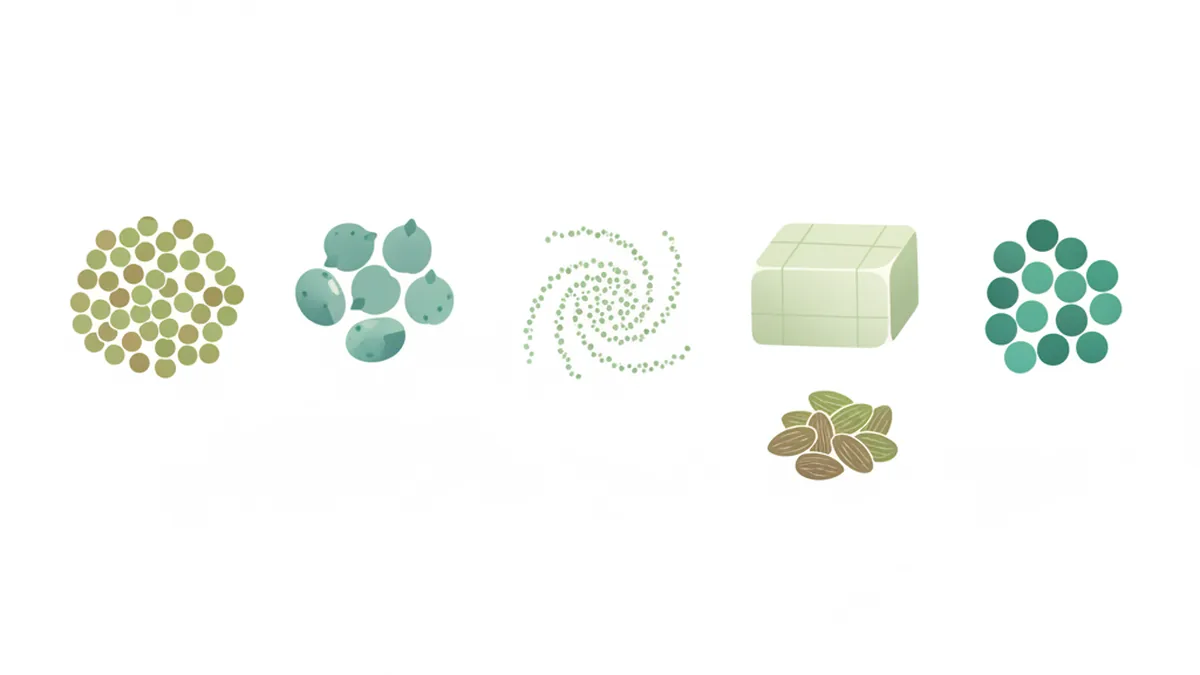
Yes and no. Plant proteins are generally less bioavailable than animal proteins and often lower in certain essential amino acids, particularly leucine. This doesn't mean you can't meet needs on a plant-based diet—millions of people do—but it requires more attention.
Plant proteins fall into "complete" (containing all essential amino acids in adequate amounts) and "incomplete" categories. Soy, quinoa, and buckwheat are complete. Most beans, grains, nuts, and vegetables are incomplete.
The old advice about combining proteins at every meal (rice and beans together, always) has fallen out of favor. Your body maintains an amino acid pool throughout the day, so eating varied protein sources across 24 hours works fine. That said, if your meals typically include combinations—hummus and pita, peanut butter on whole wheat, beans with rice—you're naturally optimizing amino acid profiles.
Plant-based eaters might aim for the higher end of protein recommendations (1.0-1.2 g/kg minimum) to account for lower digestibility. A vegan athlete should probably target 1.8-2.2 g/kg rather than the 1.4-2.0 g/kg suggested for omnivores.
Practically, this means being thoughtful about protein sources at each meal. A breakfast of fruit and toast won't cut it. You'd want something like oatmeal with nuts and soy milk, or tofu scramble, or protein-fortified smoothie. Dinner shouldn't just be pasta with marinara—add white beans, nutritional yeast, or serve it alongside a lentil soup.
What about protein timing—does it matter?
The "anabolic window"—that magical 30-minute post-workout period where you supposedly must consume protein—is mostly myth. Research shows muscle protein synthesis stays elevated for at least 24 hours after resistance training. Whether you eat protein immediately after working out or two hours later makes minimal practical difference for most people.
What does matter: total daily intake spread somewhat evenly across meals. Eating 80% of your protein at dinner and barely any at breakfast and lunch is less effective than distributing it. Your body can only use so much protein at once for muscle building—somewhere around 20-40 grams per meal depending on your size and age.
This means a pattern like:
- Breakfast: 30g
- Lunch: 35g
- Dinner: 35g
- Snack: 15g
...outperforms:
- Breakfast: 10g
- Lunch: 15g
- Dinner: 90g
Both total 115 grams, but the first pattern keeps muscle protein synthesis elevated throughout the day rather than creating one big spike that your body can't fully utilize.
Before bed protein has garnered research attention. Some evidence suggests casein protein (slow-digesting, found in dairy) before sleep can enhance overnight muscle recovery and growth, particularly in athletes. But the effect is modest—not a game-changer for most people, possibly useful for serious strength trainers.
Should you supplement, or is food enough?
Real food should come first. A chicken breast, salmon fillet, cup of lentils, or Greek yogurt provides protein plus other nutrients—B vitamins, iron, zinc, omega-3s, probiotics. Protein powder is protein and maybe some added vitamins. It's not bad, just incomplete.
That said, powder has legitimate uses:
- Convenience when you need quick protein and real food isn't available
- Helping meet higher targets (getting 150g from whole foods alone is a lot of chewing)
- Smoothies for people with poor appetite or difficulty swallowing
- Specific athletic situations where liquid protein sits better pre-workout
Whey protein (dairy-based) is highly bioavailable and relatively inexpensive. Casein (also dairy) digests more slowly. Plant-based options include pea, rice, hemp, and soy protein, often blended to improve amino acid profiles.
Quality varies wildly. Some powders contain concerning levels of heavy metals or don't deliver the protein amounts claimed on the label. Third-party testing from NSF Certified for Sport, Informed Choice, or USP can help identify cleaner products, but it's voluntary, not required.
If you're already meeting protein needs through food, adding a shake won't transform your health. If protein powder helps you hit targets you'd otherwise miss, it's a useful tool.
What's the bottom line for most people?
For generally healthy adults, somewhere around 1.0-1.6 g/kg daily covers most bases—enough to support muscle maintenance, immune function, and overall health without overthinking it. That's roughly 70-110 grams for a 150-pound person.
Athletes and very active people should aim higher: 1.4-2.2 g/kg. Older adults, particularly those over 65, should target at least 1.0-1.2 g/kg with emphasis on protein-rich meals rather than small amounts scattered throughout the day.
If you're trying to lose weight, keeping protein at 1.2-1.6 g/kg (or higher if you're very active) helps preserve muscle mass while dropping fat.
The quality and distribution of protein matter more than many people realize. Spreading intake across meals rather than loading up once daily optimizes muscle protein synthesis. Choosing bioavailable protein sources—whether animal or well-combined plant proteins—ensures you actually use what you eat.
Most people in Western countries get plenty of protein without trying. The exceptions: older adults not eating much due to decreased appetite, people on very restrictive diets, those recovering from illness, and some plant-based eaters who haven't planned well.
Trust your body more than Instagram fitness influencers. If you're maintaining muscle mass, recovering well from exercise, and feeling energetic, you're probably fine. If you're losing muscle despite training, constantly exhausted, or recovering poorly, protein intake is worth examining—though those symptoms warrant a medical workup regardless, since they could signal many issues beyond diet.
Worth discussing with your doctor if you have kidney disease, are significantly overweight or underweight, have a condition affecting digestion or absorption, are over 65 with declining function, or are planning significant dietary changes. A registered dietitian can provide personalized guidance based on your health status, activity level, and goals.
This article is for informational purposes only and isn't a substitute for medical advice. Talk to a qualified healthcare provider about your specific situation.
Sources & further reading
This article draws on guidance from recognized health authorities:


Comments
Post a Comment