Memory Lapses: When Forgetfulness Is Normal and When It's Not
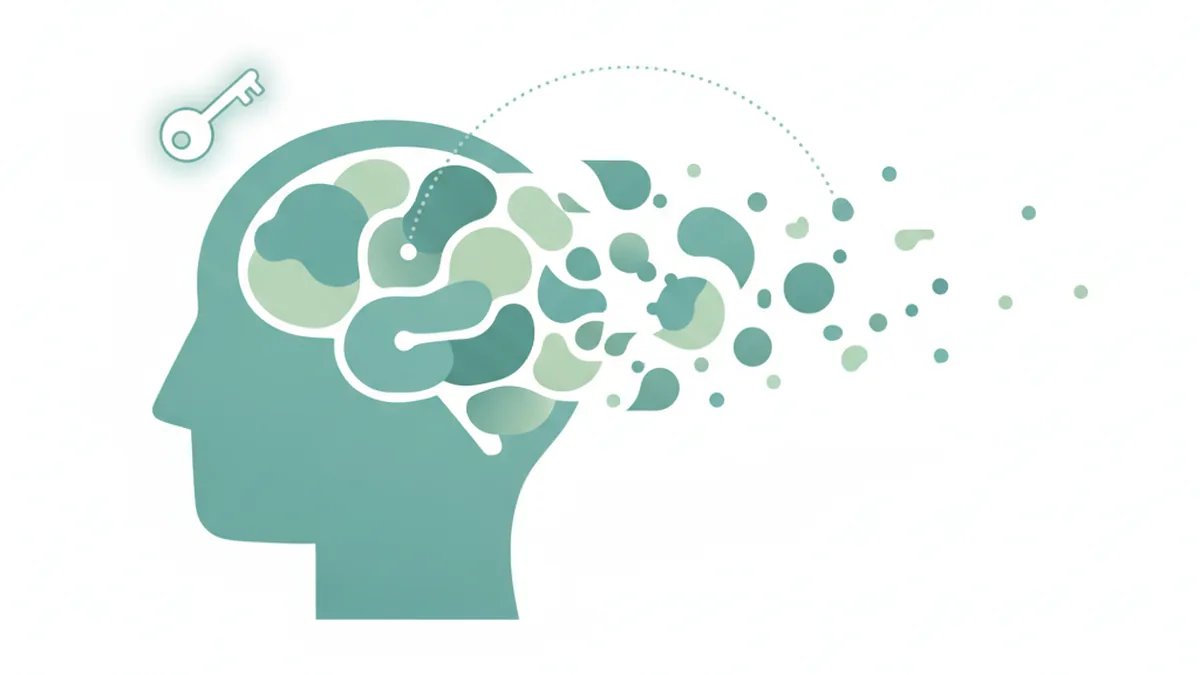
We've all been there. You walk into a room and forget why. Someone's name vanishes mid-introduction. You tell the same story twice to your spouse in a week. These moments feel unsettling—especially if you're over 50 and wondering if this is "the beginning."
Here's what surprised me about the research: most memory complaints in healthy adults have nothing to do with dementia. The brain changes we associate with normal aging look completely different from pathological decline, and learning to tell them apart can save you unnecessary worry—or catch something real early enough to matter.
What People Commonly Believe About Memory
The prevailing narrative goes something like this: memory naturally deteriorates as we age, and there's not much distinction between "senior moments" and early dementia. Any forgetfulness after 60 becomes suspect. This belief drives enormous anxiety and, paradoxically, often prevents people from seeking help when they actually need it.
This view is both too pessimistic and too vague.
Yes, certain memory functions do shift with age. Processing speed slows. Retrieving proper nouns gets harder. You might need an extra second to remember where you parked. But the brain also develops compensatory strengths—better judgment, improved pattern recognition, enhanced ability to solve problems using accumulated knowledge.
Normal aging doesn't steal your Tuesday. It doesn't make you forget you had breakfast. It doesn't erase your grandson's name or leave you confused about what year it is.
The real story is more nuanced—and more useful.
What the Research Actually Shows

Cognitive neuroscience distinguishes between several memory systems, and they age at different rates. Understanding these differences clarifies what deserves concern.
Working memory—the mental scratchpad you use to hold a phone number long enough to dial it—shows measurable decline starting around age 30. That's right, thirty. But the drop is gradual and usually compensated by writing things down or using technology. If you've always made lists and now you make more lists, that's adaptation, not disease.
Episodic memory—recalling specific events from your life—does become less sharp. Details blur. You remember the vacation but not which restaurant you ate at Thursday night. Research consistently shows this type of age-related change is normal and doesn't predict dementia (per multiple longitudinal studies tracking healthy older adults).
Semantic memory—general knowledge, vocabulary, facts about the world—often improves or stays stable well into your 70s and 80s. This is why older adults frequently perform better on crossword puzzles and word games despite slower recall of proper names.
Procedural memory—how to ride a bike, play piano, drive your usual route home—remains remarkably preserved in healthy aging. When this starts failing, it's a red flag.
The critical insight: normal aging affects efficiency of recall, not the existence of memories themselves. You haven't lost the information; accessing it takes longer or requires a cue. With dementia, the information itself disappears. There's nothing to retrieve.
A neurologist I know describes it this way: "Normal aging is misplacing your keys and retracing your steps to find them. Dementia is finding your keys in the refrigerator and having no idea why that's strange."
When Forgetfulness Crosses the Line
The difference isn't always obvious in a single moment, which is why pattern recognition matters more than isolated incidents.
Red flags that warrant evaluation:
You forget conversations entirely. Not just what someone said in passing, but entire discussions—and when reminded, you have zero recollection they happened. Someone says, "We talked about this Tuesday," and you're genuinely certain they're mistaken.
The same question loops. You ask what time the appointment is, get an answer, then ask again twenty minutes later with no awareness you already asked. This repetitive questioning, especially within short time windows, signals encoding problems—memories aren't forming in the first place.
You get lost in familiar places. Taking a wrong turn in a new area is normal. Losing your way in your own neighborhood, or forgetting how you arrived somewhere you drive weekly, is not.
Judgment starts slipping in unusual ways. You make financial decisions wildly out of character—giving money to obvious scams, paying bills multiple times, or forgetting bills entirely despite decades of consistent financial management.
Misplacing items in bizarre locations. We all lose the remote. Finding your wallet in the freezer, mail in the bathroom cabinet, or glasses in the pantry repeatedly suggests spatial and logical reasoning breakdowns.
Personality changes accompany the forgetfulness. You've always been social but now withdraw because following conversations feels exhausting. Or you've become uncharacteristically irritable when confused, then deny being confused at all.
The insight pattern matters more than single events. Anyone can space out and miss a turn. What's concerning is the accumulation of these episodes, particularly when they:
- Increase in frequency over 6-12 months
- Impact daily functioning (managing medications, cooking, handling finances)
- Feel qualitatively different from previous absent-mindedness
- Prompt comments from multiple people in your life
The Alzheimer's Association uses a helpful framework: if the memory problem would prevent you from living independently, it needs evaluation. Can you still manage your household, medication, and basic self-care? If yes, you're likely experiencing normal age-related changes, even if they're annoying.
Why the Distinction Matters
Getting this right has real consequences.
Unnecessary fear is cognitively harmful. Anxiety about dementia actually impairs memory performance—creating a feedback loop where worry generates the very lapses that fuel more worry. Studies tracking healthy adults show that those with higher dementia anxiety perform worse on memory tests despite having no pathological changes. Stress floods the brain with cortisol, which interferes with hippocampal function (the brain's memory center).
On the other hand, dismissing real symptoms delays diagnosis when treatment could help most. Medications like cholinesterase inhibitors work better early in the disease process. More importantly, early diagnosis allows time for legal planning, care discussions, and clinical trial enrollment when those options are still available.
There's also the reversible cause issue. Roughly 10-15% of what presents as cognitive decline stems from treatable conditions—thyroid disorders, B12 deficiency, depression, sleep apnea, medication interactions, chronic infections. A man I heard about through medical colleagues spent two years convinced he had early Alzheimer's; turned out he had severe sleep apnea, and his cognition normalized once treated.
What You Should Actually Do
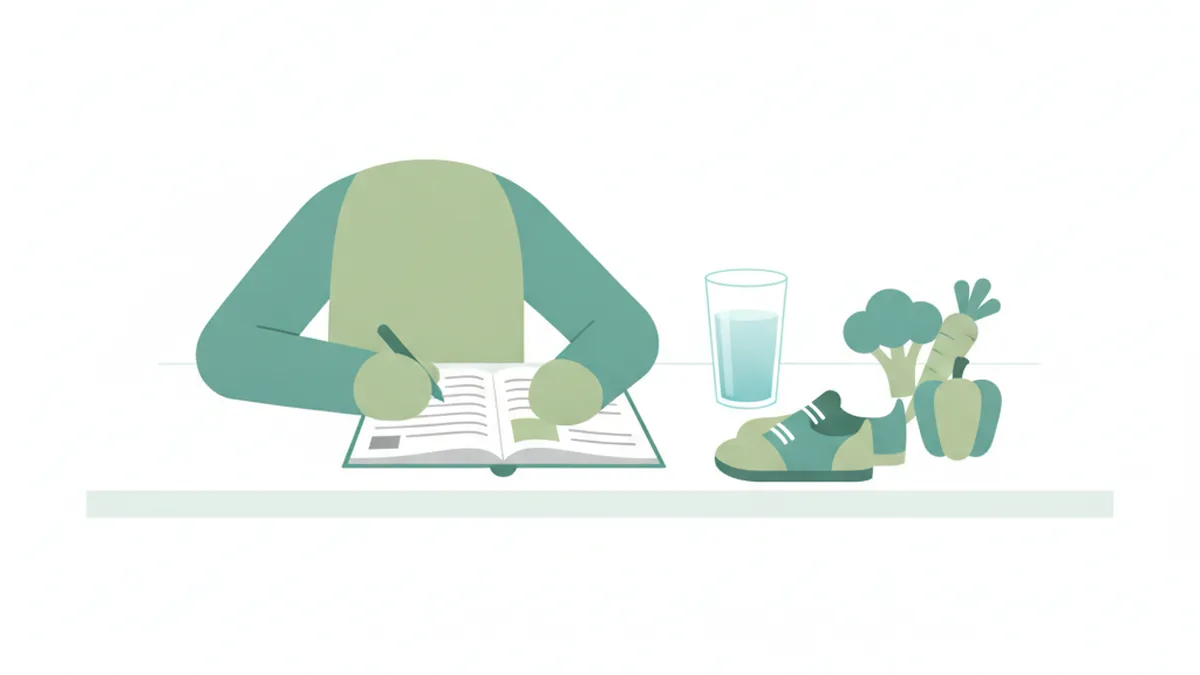
If you're concerned about your own memory or someone else's, here's the reasonable path forward:
Start with a baseline assessment. Schedule a standard physical with your primary care doctor and explicitly mention the memory concerns. They'll likely run basic labs (thyroid, B12, metabolic panel) and screen for depression. This catches low-hanging fruit—the treatable stuff.
Ask about medications. Many drugs impair cognition, especially in combination: benzodiazepines, anticholinergics (including over-the-counter sleep aids and allergy medications), and opioids top the list. Your doctor may suggest alternatives.
Track the patterns yourself. Keep a brief log for two weeks. When do lapses happen? What type are they—word-finding, event recall, spatial confusion? Are they worse when you're stressed, tired, or multitasking? This record helps distinguish age-related changes (worse under stress, better when rested) from progressive decline (consistent or worsening regardless of conditions).
Consider formal cognitive testing if:
- Basic labs come back normal
- Symptoms persist or worsen over several months
- You or family members notice functional impacts on daily life
Neuropsychological testing is more sensitive than the brief office screens doctors use. It establishes a baseline and can detect subtle patterns that predict later problems. Yes, it takes 2-4 hours and insurance coverage varies, but it provides actual data instead of guesswork.
Don't wait for "bad enough." The common pattern is waiting until someone can't manage independently anymore. That's too late for many interventions. The threshold should be persistent concern from people who know you well, not catastrophic impairment.
Meanwhile, protect your brain. The evidence is solid for certain lifestyle factors: regular aerobic exercise (most consistently protective), social engagement, cognitive challenge (learning new things, not just repeating familiar tasks), quality sleep, and cardiovascular health management. These won't reverse dementia, but they reduce risk and may slow progression in early stages.
The Trickier Middle Ground
Some people live in the grey zone: more impairment than typical aging, but not dementia either. This condition, mild cognitive impairment (MCI), affects roughly 15-20% of adults over 65.
With MCI, you notice real changes and so does your family, but you still function independently. You might need written reminders for appointments you used to track mentally, or you frequently lose your train of thought mid-sentence. About 10-15% of people with MCI progress to dementia each year, but many remain stable or even improve—especially when the cause is vascular and cardiovascular risk factors get aggressively managed.
If testing reveals MCI, the response is monitoring (usually annual follow-up), addressing modifiable risk factors, and practical adaptation strategies. Depression treatment makes a real difference if present. Hearing aids matter more than most people realize—untreated hearing loss accelerates cognitive decline, probably because the effort of processing degraded auditory input exhausts cognitive resources.
When to Seek Emergency Evaluation
A few patterns demand urgent medical attention, not a scheduled appointment:
Sudden onset confusion or memory loss, especially with fever, severe headache, or neurological symptoms (weakness, vision changes, slurred speech). This could signal stroke, infection, or other acute brain processes.
Memory loss following head injury, even if the injury seemed minor. Subdural hematomas can develop slowly and cause progressive confusion.
Rapidly progressing symptoms over days to weeks. Typical dementia unfolds over months to years. Fast decline suggests delirium from infection, medication toxicity, metabolic crisis, or rapidly progressive neurological conditions requiring immediate workup.
Contact a healthcare provider immediately if memory problems appear alongside these signs.
Your Working Framework
Here's your decision map:
Occasionally forgetting names, where you put things, or what you walked into a room for → Normal. Annoying, but normal.
These lapses increasing noticeably over 6-12 months, starting to require workarounds you didn't need before → Worth discussing with your doctor. Probably still normal aging, but get labs and a baseline.
Forgetting entire conversations, getting lost in familiar places, repeatedly asking the same questions, or having others express concern about your memory → Time for formal evaluation, not just a chat with your primary care doctor.
Sudden confusion, rapid decline, or memory problems after head injury → Emergency medical evaluation.
The goal isn't to eliminate all memory lapses—that's both impossible and unnecessary. The goal is distinguishing the noise of an aging brain from signals that something needs attention.
Most people worrying about dementia don't have it. But some people dismissing real symptoms miss the window when intervention matters most. Learn the patterns. Track the changes. And when in doubt, get it checked. The worst outcome is years of unnecessary anxiety or delayed diagnosis of something treatable.
You know your brain better than any screening test. If something feels genuinely different—not just more of the same forgetfulness you've lived with, but a shift in kind, not just degree—trust that instinct enough to get professional assessment. Peace of mind or early intervention, either way you benefit.
This article is for informational purposes only and isn't a substitute for medical advice. Talk to a qualified healthcare provider about your specific situation.
Sources & further reading
This article draws on guidance from recognized health authorities:
- CDC — Signs and Symptoms of Dementia
- NIH — Memory Problems, Forgetfulness, and Aging
- MedlinePlus — Dementia


Comments
Post a Comment