Managing Food Noise After Stopping GLP-1 Drugs

Food noise after stopping GLP-1 medications is not a moral failing or a sudden collapse of discipline; it is an anticipated neurochemical rebound triggered as synthetic hormone levels drop and baseline appetite circuits reactivate.
For months, the constant mental chatter about food was simply gone. You might have walked past the office break room donuts without a second glance, left half a restaurant meal on the plate without regret, or realized at 3:00 PM that you had completely forgotten to think about lunch. For many people taking medications like semaglutide or tirzepatide, this mental quietude—the lifting of what researchers call "food noise"—proves far more liberating than the weight loss itself.
Then the treatment ends.
Perhaps insurance dropped coverage. Perhaps side effects became unsustainable, financial priorities shifted, or you reached a target weight and agreed with your clinician to test life without weekly injections. A few weeks pass. The medication slowly clears your bloodstream. And then, often with startling intensity, the thoughts return. You find yourself standing in front of an open refrigerator at 9:30 PM, cataloging pantry snacks during work calls, and feeling an insistent, nagging urge to eat that feels even louder than it did before you started treatment.
If this sounds familiar, you are experiencing the reality of a GLP-1 appetite rebound. Understanding why this happens physiologically—and having a concrete, practical strategy to counter it—is the difference between panicking and regaining your footing.
Key Takeaways
- Intrusive food thoughts return after discontinuing GLP-1s because synthetic suppression of appetite pathways in the hypothalamus fades while counter-regulatory hunger hormones surge.
- Because medications like semaglutide have a five-week elimination window, appetite resurgence rarely hits immediately; it typically peaks between weeks three and eight post-injection.
- Countering this rebound requires replacing chemical satiety with mechanical and hormonal satiety: prioritizing viscous fibers, distributing protein evenly across meals, and avoiding severe caloric restriction.
- Re-emergence of unmanageable food noise suggests that obesity and metabolic dysfunction should be viewed as chronic conditions, warranting an open conversation with your doctor about long-term management strategies.
Why the Silence Ends: The Neurobiology of the Rebound
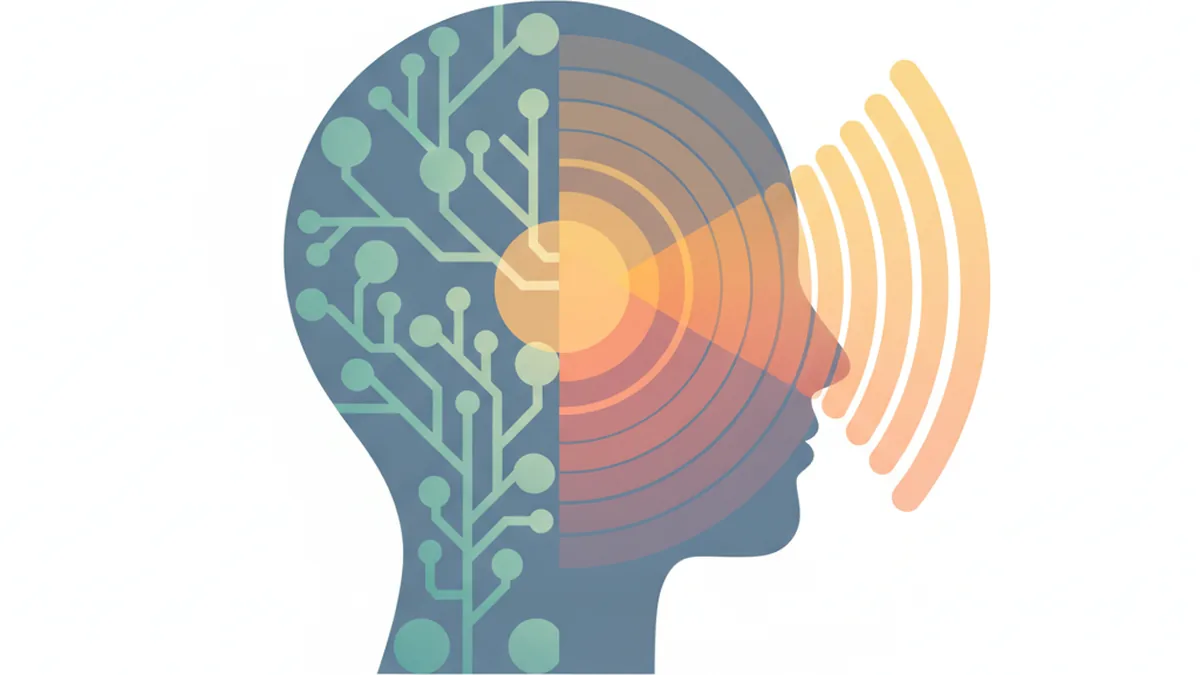
To handle the resurgence of food noise, you have to understand what these drugs were actually doing inside your brain. Glucagon-like peptide-1 receptor agonists do not merely slow digestion in the gut; they cross the blood-brain barrier and bind directly to receptors in the hypothalamus, the brain's central command post for energy balance.
In the hypothalamus, two opposing sets of neurons govern your drive to eat:
- POMC/CART neurons, which signal fullness and reduce food-seeking behavior.
- AgRP/NPY neurons, which stimulate appetite and urge you to find dense calories.
GLP-1 medications simultaneously stimulate the fullness neurons and quiet the hunger neurons. At the same time, they blunt signaling in the mesolimbic dopamine pathway—the brain's reward center. This dual action is what silences food noise. It reduces both homeostatic hunger (eating to survive) and hedonic hunger (eating for pleasure, reward, or emotional soothing).
- GLP-1 Drug Clears System
-
Hypothalamic Suppression Ends
- AgRP/NPY (Hunger) Neurons Fire
-
Reward Centers Reactivate
- Dopamine-Seeking Cravings Surge
-
Metabolic Adaptation
- Ghrelin Rises / Leptin Remains Suppressed
- Intense Experience of "Food Noise" & Appetite Rebound
When you stop taking the drug, that synthetic dampening vanishes. But your brain does not simply return to its original baseline. If you lost a significant amount of weight, your body perceives that loss as a metabolic crisis.
According to the Endocrine Society, when body mass decreases, circulating levels of leptin (the satiety hormone produced by fat tissue) fall, while circulating ghrelin (the stomach-derived hunger hormone) climbs. Your resting metabolic rate often slows down to conserve energy—a well-documented survival mechanism known as adaptive thermogenesis.
Once the pharmacological shield is removed, your brain finds itself exposed to this altered hormonal landscape. The AgRP neurons fire aggressively. The dopamine pathways, suddenly released from medication-induced suppression, seek out quick hits of pleasure from calorie-dense, palatable foods.
The resulting surge in food noise after GLP-1 cessation is not your imagination. It is a biological alarm system blaring at full volume.
The Elimination Timeline: What to Expect Week by Week
Many people make the mistake of assuming they are "in the clear" if they feel fine two weeks after their last dose. This overlooks the long elimination half-life of modern weight-loss medications.
Both semaglutide (Wegovy, Ozempic) and tirzepatide (Zepbound, Mounjaro) have a half-life of roughly five to seven days. It takes approximately four to five half-lives—about four to five weeks—for the medication to clear from your tissues completely. The timeline below illustrates how this metabolic shift unfolds.
| Phase | Timeline | Physiological State | What You Actually Experience |
|---|---|---|---|
| Phase 1: The Residual Washout | Weeks 1–2 | Drug blood concentration drops by 50% to 75%; gastric emptying begins to speed back up. | Mild cravings may spark, but physical fullness from small meals generally lingers. It is easy to assume you will not struggle. |
| Phase 2: The Rebound Peak | Weeks 3–6 | Drug levels become negligible; counter-regulatory ghrelin surges; hypothalamic receptors clear. | Food noise escalates sharply. Thoughts about food feel intrusive, persistent, and unprompted by physical hunger cues. |
| Phase 3: The New Baseline | Weeks 7–12+ | Synthetic medication is completely gone; endogenous hormonal signaling establishes a steady state. | Cravings stabilize somewhat, but natural appetite signals remain elevated compared to the medicated state. |
Recognizing this timeline helps you brace for the psychological shock. When you know that week four is likely to bring a biological spike in cravings, you can prepare practical defenses rather than interpreting the appetite surge as personal failure.
Rethinking the Exit: Cold Turkey vs. Planned Taper

One of the most frequent clinical missteps in stopping Wegovy or other GLP-1 medications is abrupt cessation. Patients often stop cold turkey because a prescription renewal is denied or because they assume they can simply lean on the habits they built while medicated.
Stopping abruptly creates a physiological cliff. The sudden vacuum at the receptor level leaves hunger signaling unchecked before your body can adjust.
Whenever clinically viable, discuss a structured step-down protocol with your healthcare provider. While formal prescribing guidelines for discontinuation are still being refined across the medical community, clinical experience suggests that gradually reducing the dose can help soften the appetite rebound.
A provider might suggest:
- Dose Reduction: Stepping down through previous dose tiers (e.g., from 2.4 mg of semaglutide to 1.7 mg, then 1.0 mg, then 0.5 mg) over several months.
- Interval Spacing: Gradually stretching the time between doses (e.g., taking an injection every 10 days instead of every 7, then every 14 days) under direct medical guidance.
A taper does not prevent the eventual return of your natural biology, but it avoids an acute sensory shock. It gives you time to implement behavioral scaffolding while some pharmacological support remains in place.
Nutritional Countermeasures: Replacing Synthetic Satiety
When you were on a GLP-1, you had automated biochemical satiety. You did not have to think about feeling full; the drug delayed your stomach emptying and altered your brain chemistry to make overeating physically unappealing.
Off the medication, you must build mechanical and hormonal satiety through intentional dietary design.
1. Leverage Viscous and Fermentable Fibers
On GLP-1s, your stomach emptied slowly. To mimic that physical retention without the drug, turn to viscous soluble fiber.
Viscous fibers form a thick gel when mixed with water in your digestive tract, physically slowing the transit of chyme through the stomach and small intestine. This prolongs nutrient absorption and sustains the post-meal release of your body's own endogenous GLP-1 and peptide YY (PYY).
Target 30 to 40 grams of total fiber daily, with an emphasis on: - Beta-glucan: Found abundantly in whole oats, oat bran, and barley. - Psyllium husk: Stirred into water before meals or mixed into food. - Legumes: Lentils, black beans, and chickpeas, which supply both viscous fiber and resistant starch. - Pectin: Present in apples, citrus fruits, and berries.
When fermentable fibers reach the large intestine, gut bacteria ferment them into short-chain fatty acids (SCFAs), notably acetate, propionate, and butyrate. Research consistently shows that SCFAs bind to receptors on intestinal L-cells, triggering the natural secretion of native GLP-1 into the portal vein. It is a subtler effect than an injectable drug, but every bit of native hormonal signaling matters when you are working without pharmaceutical support.
2. Space Protein to Counter Muscle Loss and Drive Fullness
Protein is the most satiating macronutrient, but how you distribute it matters just as much as the daily total.
Aim for 1.2 to 1.6 grams of protein per kilogram of ideal body weight per day, distributed in roughly equal allotments of 30 to 45 grams across three or four meals. This distribution does two things:
- Triggers Muscle Protein Synthesis: It hits the necessary leucine threshold to preserve lean muscle tissue, keeping your metabolic rate as robust as possible.
- Suppresses Postprandial Ghrelin: A substantial dose of protein blunts post-meal ghrelin production more effectively than equal calories of carbohydrates or fats.
Prioritize whole food sources: eggs, Greek yogurt, skinless poultry, fish, tofu, and lean cuts of meat. Liquid proteins (such as shakes) pass through the stomach rapidly and rarely provide the same sustained satiety as solid proteins that require mechanical digestion.
3. The Volume Principle
During a GLP-1 appetite rebound, your stomach walls are no longer subject to medication-induced delayed emptying. Mechanoreceptors in the gastric wall respond to physical stretch, sending signals through the vagus nerve to the brainstem to confirm you have eaten enough.
If you eat calorie-dense, low-volume foods (nuts, pastries, crackers, cheeses), you can consume an enormous number of calories before those gastric stretch receptors fire.
Counter this by deliberately increasing the volume of your meals while keeping energy density low: - Start lunches and dinners with a large bowl of dark leafy greens or a broth-based vegetable soup. - Double the vegetable portions in mixed dishes, bulking out stir-fries, sauces, and stews with cauliflower rice, shredded cabbage, zucchini, or mushrooms. - Keep water-dense fruits—like melon, strawberries, and oranges—readily available when a sweet craving strikes.
Cognitive Defusion and Environmental Redesign
Food noise is not purely physical hunger. Much of it is cognitive and sensory: intrusive thoughts, memories of pleasant tastes, and conditioned responses to environmental cues.
When food noise returns, your instinct may be to fight the thoughts or shame yourself for having them. This almost always backfires. In cognitive psychology, trying to suppress a thought guarantees its recurrence—a phenomenon known as the ironic process theory.
Practice Cognitive Defusion
Instead of treating food noise as an urgent command that requires either compliance or white-knuckled resistance, view it as neutral biological background static.
- Acknowledge the signal: When a persistent craving pops up, mentally state: "My brain is sending out dopamine-seeking signals because my medication levels are low. That is an expected biological reaction, not an emergency."
- Create a buffer: Institute an unconditional 15-minute delay between the arrival of food noise and any decision to eat. Tell yourself: "I can choose to eat this, but I will wait 15 minutes first."
- Engage a competing task: During that buffer, switch physical environments. Leave the kitchen, take a brisk walk around the block, or complete a hands-on chore. Often, the transient dopamine spike that generated the craving will subside.
- Intrusive Food Thought Arrives
- Cognitive Defusion: "This is biological static, not an emergency."
- 15-Minute Buffer: Step away from food; change environments.
-
Assess Physical Need:
- True Hunger: High-Protein Snack (e.g., Greek Yogurt)
- Sensory Craving: Drink Water / Resume Competing Activity
Clean Your Food Environment
While taking a GLP-1, you could sit next to an open bag of chips and feel indifferent. Your brain's reward centers were muted enough that visual and olfactory cues rarely triggered an impulsive eating episode.
Off the medication, you can no longer rely on that internal insulation. Environmental triggers will provoke cravings.
Conduct an objective audit of your living and working spaces: - Remove high-temptation foods from line of sight. If hyper-palatable snacks are in the house, store them in opaque containers on high shelves, in the basement, or behind healthier alternatives. - Pre-portion snacks. Never eat directly from a family-sized bag or box. Pour a single portion into a small bowl and put the package away before you sit down. - Avoid eating while distracted. Eating while scrolling on your phone or watching television uncouples your sensory awareness from your meal, blunting the brain's recognition of satiety and speeding the return of food noise shortly afterward.
Lifestyle Factors That Amplify the Rebound
Your neurochemistry does not operate in a vacuum. Two major lifestyle variables can dramatically worsen food noise: sleep deprivation and chronic psychological stress.
Sleep Debt
When you are chronically short on sleep (regularly getting fewer than seven hours per night), your body undergoes predictable endocrine shifts: - Ghrelin levels rise significantly. - Leptin levels decline further. - The endocannabinoid system—which stimulates the desire to eat palatable foods for pleasure—becomes overactive.
If you are navigating a GLP-1 taper or sudden cessation while sleep-deprived, you are doubling down on biological hunger signals. Make seven to eight hours of consistent, high-quality sleep a non-negotiable medical priority.
Stress and Cortisol
Chronic psychological stress elevates circulating cortisol. Cortisol, in combination with insulin, acts on the brain to drive cravings specifically for foods high in both sugar and fat—the classic "comfort foods."
These energy-dense choices temporarily dampen the hypothalamic-pituitary-adrenal (HPA) axis, acting as a short-term chemical pacifier. Off GLP-1s, your brain remembers that fast-acting carbohydrates are an effective tool to quiet stress.
Countering this requires finding non-caloric substitutes to regulate your nervous system: progressive muscle relaxation, resistance training, breathwork, or structured therapy like Cognitive Behavioral Therapy (CBT).
When Food Noise Signals a Clinical Problem
There is an important difference between experiencing natural appetite resurgence and slipping into dangerous eating patterns or severe weight recurrence.
You should consult your prescribing physician or an obesity medicine specialist if you notice any of the following warning signs:
- Loss of Control Eating: Finding yourself eating unusually large amounts of food in short windows while feeling powerless to stop, often accompanied by intense guilt or shame.
- Rapid, Sustained Weight Regain: Gaining weight at a rate of several pounds per week past the initial water-weight rebound that typically occurs after stopping a medication.
- Severe Mental Distress: When intrusive thoughts about food consume hours of your day, disrupt your job performance, or trigger debilitating anxiety or depressive symptoms.
- Resurgence of Metabolic Comorbidities: Deterioration in blood sugar control, blood pressure, or lipid markers that had normalized while on the medication.
The medical consensus from organizations like the American Diabetes Association and the Endocrine Society increasingly views obesity as a complex, chronic, relapsing disease rather than an acute condition that can be permanently "fixed" with a short course of medication.
For many individuals, the return of intense food noise simply confirms that the underlying neurobiological drivers of their disease remain active. If your food noise proves intractable despite solid nutritional, behavioral, and psychological habits, it does not mean you have failed. It means you may require long-term medical therapy.
This might look like: - Resuming a GLP-1 at a Lower Maintenance Dose: Using the lowest effective dose to control symptoms rather than driving maximum weight loss. - Adjunctive or Alternative Medications: Discussing non-GLP-1 oral medications (such as bupropion-naltrexone, topiramate, or metformin) with your clinician to manage appetite and cravings at a lower cost or with a different side-effect profile. - Targeted Behavioral Support: Working directly with a registered dietitian specializing in weight management and a licensed mental health professional trained in disordered eating patterns.
Frequently Asked Questions
How long does the peak appetite rebound last after stopping Wegovy or Zepbound?
For most people, the sharpest phase of the rebound hits between weeks three and eight after the last injection, coinciding with the medication clearing your system while endogenous hunger hormones peak. After two to three months, hunger signals typically stabilize, though your appetite will settle at your natural biological baseline rather than the suppressed levels you experienced on the drug.
Does tapering off a GLP-1 prevent weight regain better than quitting cold turkey?
While definitive clinical trials comparing tapering directly to abrupt cessation are ongoing, clinical experience strongly favors tapering. A gradual step-down allows your brain's appetite centers and your digestive tract to adjust progressively, reducing the severity of sudden, intense cravings and giving you time to implement sustainable behavioral strategies.
Can supplements or "natural GLP-1" products quiet food noise?
No over-the-counter supplement replicates the potency of prescription GLP-1 receptor agonists. However, specific dietary elements like viscous fibers (psyllium, beta-glucan) and short-chain fatty acids from fermentable plant fibers gently stimulate your body's natural L-cells to release native GLP-1. They offer mild physiological support, but they cannot match the pharmacological suppression of injectable medications.
Is the return of food noise a sign of an eating disorder?
Not necessarily. In most cases, food noise after stopping a GLP-1 is a normal neurobiological reaction to the clearance of a powerful appetite-suppressing drug combined with lower leptin levels from weight loss. However, if the thoughts progress to full episodes of binge eating, distress, or compensatory purging behaviors, it is essential to seek evaluation from a clinician trained in eating disorders.
This article is for informational purposes only and isn't a substitute for medical advice. Talk to a qualified healthcare provider about your specific situation.
Comments
Post a Comment