GLP-1s and Blood Sugar: The Truth Beyond Weight Loss
GLP-1 medications are not merely diet drugs packaged in an auto-injector pen; their primary biological purpose is repairing disrupted blood sugar regulation, restoring insulin sensitivity, and protecting organs long before the scale moves.
Before these medications became ubiquitous cultural phenomena, scientists spent more than twenty years studying them for a completely different purpose: treating type 2 diabetes. The dramatic weight loss that dominates headlines today was originally considered an unexpected side effect in early glycemic trials. When the conversation treats these therapies purely as cosmetic fixes or simple appetite suppressants, it misses the far more profound revolution happening beneath the surface.
For millions of people living with prediabetes, insulin resistance, or established type 2 diabetes, these agents alter metabolic chemistry at a cellular level. Understanding how they interact with glucose, insulin, and the liver is essential for anyone trying to take charge of their metabolic health.
Key Takeaways
- GLP-1 receptor agonists stimulate insulin secretion exclusively when blood glucose is elevated, drastically minimizing the danger of hypoglycemia.
- The improvement in hemoglobin A1C and prediabetes markers is driven by direct neuroendocrine signaling in the pancreas and liver, not solely by caloric restriction.
- Prediabetes causes silent microvascular and beta-cell damage years before a type 2 diabetes diagnosis; early glycemic intervention can interrupt this progression.
- Stopping medication without a structured management plan frequently leads to a swift rebound in glucose levels because the underlying metabolic impairment remains.
Myth 1: GLP-1 Drugs Are Just Strong Appetite Suppressants
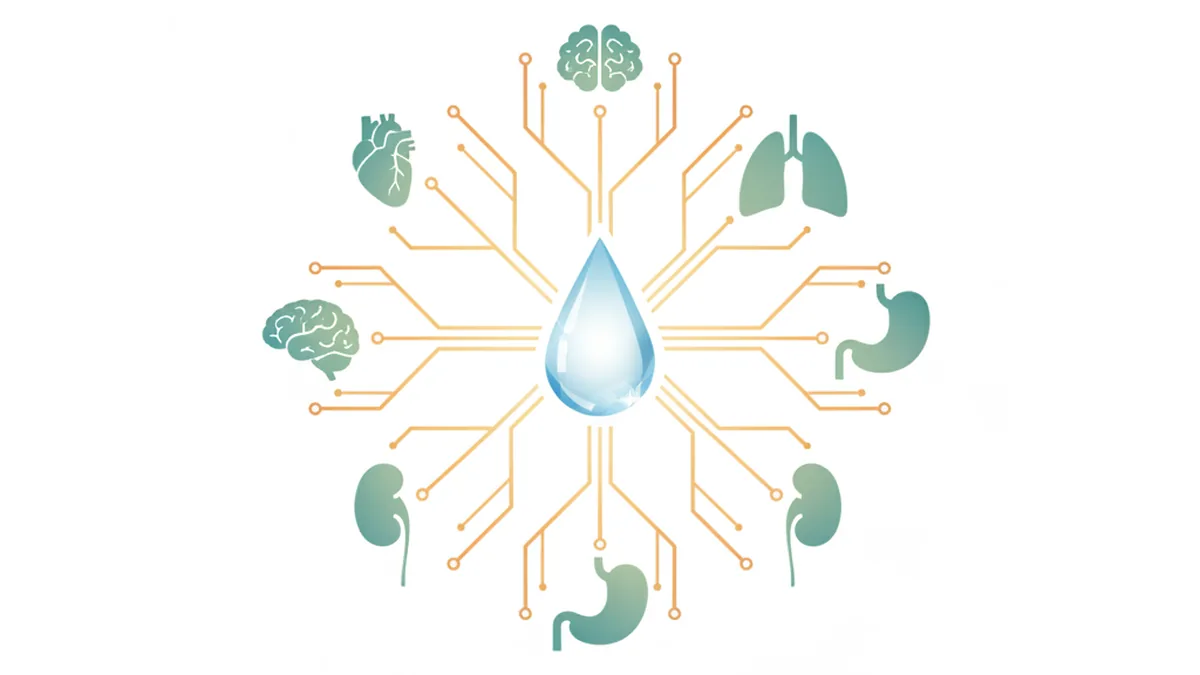
The prevailing narrative suggests that GLP-1 receptor agonists work simply by making you feel full so you eat less, and that any drop in blood sugar is just the natural byproduct of eating fewer carbohydrates.
The reality is far more sophisticated.
Glucagon-like peptide-1 is a native incretin hormone produced in the L-cells of your small intestine. In a healthy body, the arrival of food triggers a rapid release of this hormone into the bloodstream. It travels directly to the pancreas, alerting beta cells that nutrients are entering circulation and that insulin will soon be required.
In people with insulin resistance, prediabetes, or type 2 diabetes, this incretin effect is blunted or largely absent. The pancreas does not get the message in time. Blood sugar spikes rapidly after meals, forcing the body to scramble, produce erratic waves of insulin, and leave the vascular system exposed to damaging glucose fluctuations.
Synthetic GLP-1 medications (such as semaglutide and liraglutide), as well as dual GLP-1/GIP receptor agonists (such as tirzepatide), replace and amplify this missing signal. They restore the body's natural post-meal communication loop in three distinct, non-appetite-related ways:
1. Glucose-Dependent Insulin Secretion
Older diabetes medications, particularly sulfonylureas, force the pancreas to pump out insulin continuously, whether your blood sugar is 180 mg/dL or 65 mg/dL. This blunt-force approach carries a high risk of hypoglycemia (dangerously low blood sugar), which can cause shakiness, confusion, fainting, or worse.
GLP-1 receptor agonists act like a smart thermostat. They prompt beta cells to release insulin only when glucose levels are elevated. Once circulating blood sugar returns to a normal baseline, the drug’s insulin-releasing signal switches off.
2. Glucagon Suppression
Insulin is only half of the blood sugar equation; glucagon is the other. Secreted by alpha cells in the pancreas, glucagon tells the liver to dump stored glucose into the bloodstream. In healthy metabolism, eating a meal turns glucagon production down.
In people with metabolic dysfunction, alpha cells malfunction. They keep pumping out glucagon even while food is being digested, causing the liver to flood the bloodstream with glucose at the exact moment blood sugar is already surging. GLP-1 medications shut down this inappropriate glucagon secretion, putting an immediate brake on unnecessary liver glucose output.
3. Gastric Emptying Deceleration
By moderating the speed at which the stomach empties its contents into the duodenum, these drugs prevent the sharp, jagged spikes in blood sugar that typically follow a meal. Instead of a steep cliff of glucose followed by a crash, the curve becomes a manageable, rolling hill. This gives your existing insulin time to clear glucose efficiently without overwhelming peripheral tissues.
Eating less helps, certainly. But clinical evaluations repeatedly show that even when daily food intake is matched between groups, individuals on GLP-1 therapy experience faster, deeper improvements in glycemic variability than those relying on caloric restriction alone.
Myth 2: Prediabetes Is a Mild Condition That Doesn't Need Medical Attention

Many people view prediabetes as a gentle warning light on the dashboard—a distant problem that can be pushed off to next year's annual physical.
The data tells a very different story.
According to the Centers for Disease Control and Prevention (CDC), more than one in three American adults has prediabetes, and over 80% do not know they have it. A normal hemoglobin A1C sits below 5.7%. Prediabetes falls between 5.7% and 6.4%, while an A1C of 6.5% or higher indicates type 2 diabetes.
| Category | A1C Range | Notes |
|---|---|---|
| Normal A1C | Below 5.7% | |
| Prediabetes | 5.7% to 6.4% | Beta-cell loss and vascular damage begin here |
| Type 2 Diabetes | 6.5% or higher |
The dangerous misconception is that tissue damage waits until the 6.5% threshold. It does not.
By the time someone receives a prediabetes diagnosis, researchers estimate they have already lost a substantial portion of their functional beta-cell capacity. The cells responsible for making insulin have spent years working in overdrive to overcome cellular insulin resistance. Eventually, they become exhausted, undergo metabolic stress, and begin to die off.
Furthermore, subtle microvascular damage—the kind that damages the tiny blood vessels in the retinas, peripheral nerves, and kidneys—quietly takes root during the prediabetic phase. Elevated circulating glucose, even at "moderate" prediabetic ranges, triggers oxidative stress and systemic inflammation within the endothelium (the inner lining of the blood vessels).
This is why health organizations, including the American Diabetes Association (ADA), have expanded their clinical focus toward aggressive, early intervention. Reversing prediabetes is not merely about staying out of the "diabetes" diagnostic box. It is about salvaging remaining beta cells before the loss becomes permanent.
GLP-1 receptor agonists reduce systemic insulin demand. By lowering ambient blood sugar and easing the workload placed on the pancreas, these drugs relieve cellular stress on beta cells. In multiple clinical trials evaluating glycemic outcomes, a vast majority of participants with prediabetes who were treated with these agents returned to normoglycemia (an A1C below 5.7%).
Treating prediabetes seriously changes the entire trajectory of a person's metabolic life.
Myth 3: These Drugs Overwork the Pancreas and Cause It to Burn Out
Because GLP-1 therapies prompt the release of insulin, a frequent concern among patients is whether these medications act like a whip to an exhausted horse. The fear is intuitive: if my pancreas is already struggling, won't forcing it to produce more insulin exhaust it faster?
This myth stems from a basic misunderstanding of how different classes of diabetes drugs work.
Older secretagogues, such as glipizide or glimepiride, bind to potassium channels on the beta cell membrane, mechanically forcing the cell to open its gates and dump insulin regardless of surrounding biological signals. Over years of sustained use, this constant stimulation can contribute to secondary treatment failure, where the beta cells simply give out.
GLP-1 receptor agonists operate through an entirely different biological pathway:
- They bind to the GLP-1 receptor on the beta cell, triggering an increase in intracellular cyclic adenosine monophosphate (cAMP).
- cAMP amplifies insulin release only in the presence of elevated adenosine triphosphate (ATP), which is generated when glucose enters the cell and metabolizes.
- If blood sugar is normal or low, intracellular ATP is low, and the medication cannot trigger insulin discharge.
Far from exhausting the pancreas, animal models and human biomarker studies suggest that GLP-1 signaling may actually support beta-cell health. In preclinical studies, GLP-1 exposure inhibited beta-cell apoptosis (programmed cell death) and promoted cellular preservation.
Additionally, because these drugs lower peripheral insulin resistance by reducing ectopic fat stored inside the liver and pancreas, the total daily amount of insulin your body requires to process food goes down, not up. The pancreas works far less over a 24-hour cycle, not more.
What about pancreatitis? Early observational reports raised questions about an increased risk of pancreatic inflammation with incretin therapies. However, extensive evaluations and large-scale cardiovascular outcome trials monitored by regulatory agencies, including the FDA, have found that while acute pancreatitis remains a potential risk noted on product labels, the absolute incidence is low and comparable to the baseline risk seen in populations with untreated diabetes and obesity. Anyone with a personal history of pancreatitis should have an in-depth conversation with their doctor before starting treatment.
Myth 4: Once Your A1C Normalizes, You Can Stop Taking the Medication
We live in a culture accustomed to the antibiotic model of medicine: you identify an infection, take a ten-day course of pills, clear the pathogen, and stop the drug.
Applying this mindset to metabolic disease leads to frustration, self-blame, and health setbacks.
Type 2 diabetes and chronic insulin resistance are progressive, lifelong neuroendocrine and metabolic conditions. They are not acute illnesses. When a patient with an A1C of 7.2% begins a GLP-1 medication and watches their A1C fall to 5.4% over six months, the medication has not permanently rewritten their genetic or physiological baseline. It is actively managing the condition.
The evidence on this point is unambiguous: when patients discontinue GLP-1 receptor agonists, their blood sugar and A1C typically climb back toward their pre-treatment numbers over the following months.
Why does this happen? - The synthetic amplification of the incretin signal disappears. - Gastric emptying returns to its baseline rate, allowing postprandial glucose to spike again. - The liver resumes its unrestrained output of morning glucose via unsuppressed glucagon. - Appetite signals in the hypothalamus reset to their baseline intensity.
This rebound is not a sign of personal failure, nor does it mean the body has developed an addiction or dependency on the drug. It simply reflects the return of an unmedicated, chronic disease state. Just as someone with chronic hypertension sees their blood pressure rise after stopping an ACE inhibitor, a person with metabolic dysfunction sees their glucose rise when incretin support ends.
Some patients do manage to step down their dose or discontinue the drug while maintaining normal blood sugar. However, those individuals almost universally pair that transition with substantial, permanent changes in muscle mass, strength training, sustained dietary shifts, and vigilant continuous glucose monitoring under strict medical supervision.
Assuming you can easily stop the medication once your lab results look good is the fastest path to metabolic whiplash.
What to Actually Do: A Practical Metabolic Blueprint
If you are navigating prediabetes, an elevated A1C, or an existing diabetes diagnosis, here is how to approach GLP-1 medications objectively and safely.
- Step 1: Get complete labs (A1C, Fasting Glucose, Fasting Insulin, eGFR).
- Step 2: Review all current meds to prevent dangerous hypoglycemia.
- Step 3: Titrate slowly over 16-20 weeks to protect your GI system.
- Step 4: Prioritize 1.2-1.6g protein per kg and progressive resistance training.
- Step 5: Re-evaluate blood work at 90 days; treat this as long-term care.
1. Look Beyond Fasting Glucose on Your Lab Panel
A standard annual checkup often includes a basic fasting plasma glucose test. While useful, fasting glucose is frequently the last marker to break down. You can spend years with severe post-meal glucose spikes and hyperinsulinemia (excess insulin in the blood) while maintaining a "normal" fasting glucose level below 100 mg/dL.
Ask your physician for: - Hemoglobin A1C: Provides a three-month rolling average of how much glucose is glazing your red blood cells. - Fasting Insulin: Combined with fasting glucose, this allows you to calculate your HOMA-IR (Homeostatic Model Assessment for Insulin Resistance), revealing how hard your pancreas is working to keep your blood sugar normal. - Comprehensive Lipid Panel: Pay special attention to the triglyceride-to-HDL ratio. A ratio above 2.0 or 3.0 often signals underlying insulin resistance. - Kidney Function Markers: An estimated glomerular filtration rate (eGFR) and a urine albumin-to-creatinine ratio (uACR) establish a baseline for your vascular and renal health.
2. Audit Your Current Medication Regimen
If you already take medications that lower blood sugar, introducing a GLP-1 drug requires careful clinical coordination.
While GLP-1s alone have a very low risk of causing hypoglycemia, combining them with insulin or insulin secretagogues (such as glimepiride or repaglinide) can drive blood sugar down to dangerous levels. Your prescribing clinician will often need to lower your dose of insulin or discontinue secretagogues before you take your first GLP-1 injection.
Never adjust these dosages on your own. Sudden adjustments in insulin can lead to diabetic ketoacidosis (DKA) or severe glycemic swings.
3. Build a Slow Titration Strategy
The most frequent reason people abandon GLP-1 therapy before experiencing its metabolic benefits is gastrointestinal distress—nausea, vomiting, diarrhea, or severe constipation.
These side effects occur primarily because the drug immediately slows gastric motility. Pushing the dose up too quickly overwhelms the digestive tract.
Work with your doctor to follow a conservative titration schedule. Most medications in this class require a minimum of four weeks at a starter dose (such as 0.25 mg for semaglutide or 2.5 mg for tirzepatide) before stepping up to the next level.
If you experience manageable side effects, stay at that current dose longer. There is no prize for reaching the maximum dose quickly. Many patients achieve excellent glycemic control and A1C reductions on low or moderate maintenance doses without ever needing the highest approved strength.
To minimize nausea during titration: - Reduce meal volume by half; stop eating at the first subtle sensation of fullness. - Drastically cut back on high-fat, greasy, or deeply fried foods, which inherently delay gastric emptying and compound the drug's effects. - Separate liquids from solids. Drink water between meals rather than chugging large amounts while eating. - Ensure daily bowel movements. Slowed motility can cause constipation, which directly amplifies nausea.
4. Protect Muscle Mass to Protect Metabolic Rate
When you lose weight and lower your blood sugar rapidly, your body does not shed fat exclusively. Without deliberate intervention, up to 25% to 40% of weight lost can come from lean muscle mass.
Muscle tissue is your body's primary metabolic sink for glucose. Roughly 70% to 80% of post-meal glucose is cleared from the bloodstream directly into skeletal muscle via non-insulin and insulin-mediated pathways. Losing muscle compromises your long-term metabolic engine, making it harder to maintain your blood sugar down the road.
To safeguard your lean tissue: - Target adequate protein intake: Aim for roughly 1.2 to 1.6 grams of protein per kilogram of ideal body weight daily, distributed across your meals, unless you have advanced kidney disease requiring protein restriction. - Engage in progressive resistance training: Lifting weights, using resistance bands, or performing bodyweight exercises two to three times a week sends a powerful anabolic signal to your body to preserve muscle while burning fat.
5. Establish Long-Term Success Markers
Track your progress with objective clinical data rather than relying solely on the bathroom scale.
Schedule repeat blood work every 90 to 120 days during the first year of therapy. Celebrate the victories that matter for your longevity: - An A1C dropping from 6.8% to 5.6%. - Triglycerides dropping out of the danger zone. - Blood pressure normalizing as arterial inflammation subsides. - Liver enzymes (ALT and AST) settling down as hepatic steatosis (fatty liver) clears up.
If your numbers improve dramatically, treat it as proof that the therapy is working—not as a signal that the underlying vulnerability has vanished. Keep communicating candidly with your healthcare provider about how you feel, your lab results, and your long-term strategy for sustained metabolic health.
Frequently Asked Questions
Can a GLP-1 medication cure my type 2 diabetes?
No, these medications do not cure type 2 diabetes; they induce and sustain clinical remission. Remission means your blood sugar and A1C return to normal, non-diabetic ranges without the assistance of traditional glucose-lowering agents. However, because the underlying genetic and cellular predispositions remain, stopping the medication often allows blood sugar to rise back into diabetic territory over time.
How quickly will I see a drop in my blood sugar after starting?
Many patients notice a visible reduction in their fasting blood glucose readings and post-meal spikes within the first one to two weeks of treatment, even on the lowest starting dose. However, a clinically meaningful change in your hemoglobin A1C takes between 8 and 12 weeks to show up on blood tests, as A1C measures the average glucose attached to red blood cells over their entire 90- to 120-day lifespan.
Will taking a GLP-1 cause dangerously low blood sugar (hypoglycemia)?
When used on their own, GLP-1 receptor agonists carry a very low risk of hypoglycemia because their mechanism is glucose-dependent; they only trigger insulin release when circulating blood sugar is elevated. However, if you take a GLP-1 alongside insulin or sulfonylureas (like glipizide), your risk of hypoglycemia rises significantly. Your physician will usually lower the doses of those other medications when starting you on a GLP-1.
What should I do if my insurance denies coverage for prediabetes?
Insurance coverage for GLP-1 medications in prediabetes remains a significant hurdle, as many payers only approve them for established type 2 diabetes (under brand names like Ozempic or Mounjaro) or obesity with specific comorbidities (under brand names like Wegovy or Zepbound). If denied, ask your doctor to submit an appeal detailing your metabolic risk factors, cardiovascular history, and previous trials of lifestyle interventions or metformin. You can also look into manufacturer savings cards or discuss older, generic insulin-sensitizing medications like metformin as a baseline therapy.
This article is for informational purposes only and isn't a substitute for medical advice. Talk to a qualified healthcare provider about your specific situation.
Comments
Post a Comment