GLP-1 Sulfur Burps: Root Causes and Daily Relief

Sulfur burps on GLP-1 medications are caused by delayed gastric emptying, which allows sulfur-containing foods to sit in the stomach longer and ferment, releasing foul-smelling hydrogen sulfide gas. While unpleasant and embarrassing, this side effect is rarely dangerous on its own, and simple adjustments to meal timing, diet composition, and over-the-counter support can resolve it quickly.
If you have started taking semaglutide, tirzepatide, or another glucagon-like peptide-1 (GLP-1) receptor agonist, you may have experienced this jarring symptom without warning. One morning you wake up, burp, and find the room smelling distinctly of rotten eggs. You are far from alone. Online patient forums and clinical practices are filled with people asking why their weekly injection has suddenly upended their digestive tract.
Key Takeaways
- Sulfur burps stem directly from slowed stomach emptying, which gives normal gut bacteria extra time to break down sulfur-rich proteins into hydrogen sulfide gas.
- Symptoms cluster heavily around dose escalation days and after meals high in animal protein, cruciferous vegetables, or dietary fat.
- Bismuth subsalicylate provides targeted relief because it chemically binds to hydrogen sulfide, neutralizing both odor and gas.
- Adjusting meal volume, avoiding eating within three hours of lying down, and spacing out heavy proteins can prevent episodes before they start.
- Severe upper abdominal pain that radiates to your back, persistent vomiting, or an inability to keep fluids down are not typical sulfur burps and require emergency evaluation.
What People Commonly Believe About GLP-1 Sulfur Burps

When rotten egg burps appear out of nowhere, many people jump to unsettling conclusions. The internet does not always help. A quick search often yields panic-inducing claims that the medication has "rotted your stomach," caused permanent bacterial overgrowth, or triggered an acute toxic reaction to the active ingredient.
Others assume they have developed a sudden food allergy. They wonder if a batch of the medication was contaminated, or if their body is rejecting the drug entirely. Some decide to abandon their treatment on the spot, believing the foul odor indicates an internal infection that requires urgent antibiotics.
There is also a widespread belief that sulfur burps are an inevitable tax you must pay for metabolic improvement or weight loss. People resign themselves to carrying mints everywhere, chewing chalky antacids that do nothing, and hoping the problem simply fades away.
None of these assumptions are accurate.
The medication is not toxic to your tissues. The food in your stomach has not literally decayed in the way meat spoils on a warm kitchen counter. Most importantly, you do not have to endure the symptom as an unavoidable price of therapy. Sulfur burps are a predictable mechanical and biological consequence of how these drugs alter digestive transit time. Once you understand the chain reaction taking place between your stomach lining, your food, and your gut bacteria, the solution becomes straightforward.
What the Physiology Actually Shows
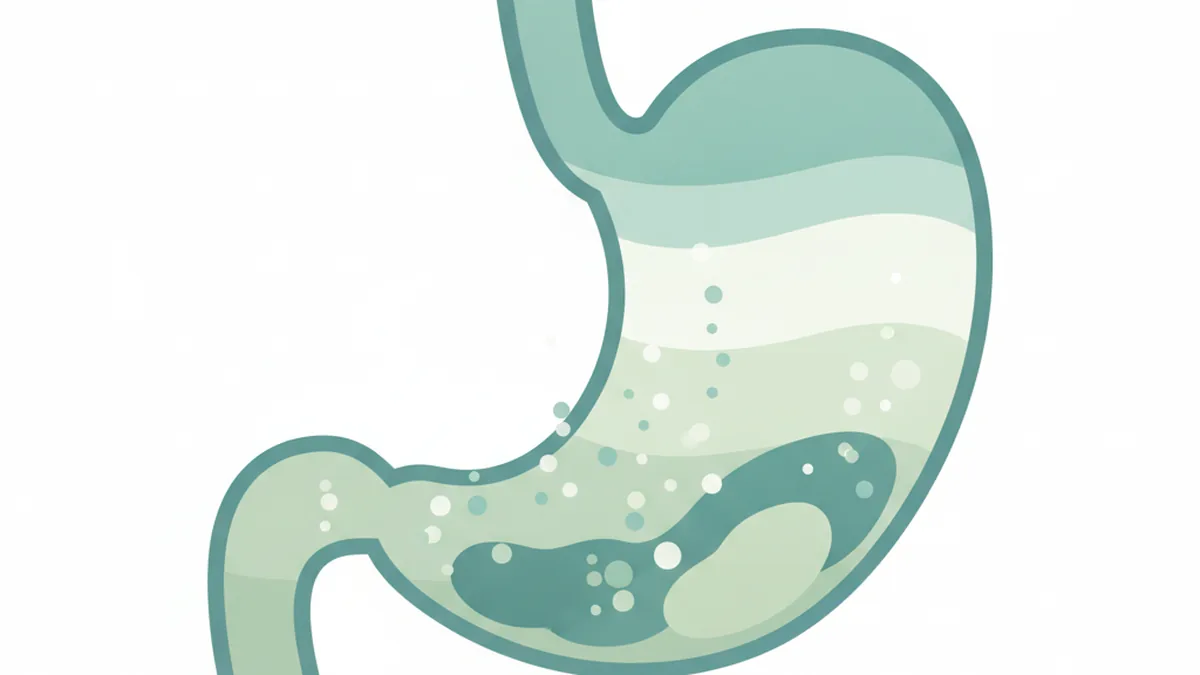
GLP-1 receptor agonists mimic an endogenous hormone that your intestines naturally release after eating. Under normal circumstances, native GLP-1 performs several tasks: it prompts the pancreas to release insulin, suppresses glucagon secretion, signals satiety to the brain, and slows down gastric emptying.
When you take a synthetic GLP-1 medication (such as Ozempic, Wegovy, or Mounjaro), you receive a therapeutic concentration of this signaling molecule that lasts for days or weeks rather than minutes. That extended duration is what makes these medications so effective for blood sugar regulation and weight management. But it also dramatically alters the rhythm of your stomach.
The Fermentation Cascade
In a typical digestive tract, a meal remains in the stomach for roughly 90 minutes to two hours before passing into the small intestine. Acid and enzymes churn the food into a semi-liquid mixture called chyme.
GLP-1 medications substantially prolong this residence time. According to drug safety data submitted to the U.S. Food and Drug Administration (FDA), delayed gastric emptying is a primary pharmacodynamic effect shared across the entire drug class. When a meal lingers in the stomach for four, six, or even eight hours, standard digestive biochemistry begins to shift.
Proteins contain sulfur-bearing amino acids, primarily methionine and cysteine. When these proteins remain stationary in a warm, low-oxygen environment for an extended period, resident microbes get to work. Certain bacteria naturally present in the upper gastrointestinal tract consume these amino acids and produce hydrogen sulfide gas ($H_2S$) as a metabolic byproduct.
Hydrogen sulfide is the exact chemical compound responsible for the stench of decaying organic matter and rotten eggs. The human nose is exquisitely sensitive to it, capable of detecting concentrations as minute as a few parts per billion. As this gas accumulates in the gastric chamber, the stomach attempts to relieve the pressure. The lower esophageal sphincter relaxes, and the gas vents upward. The result is an unmistakable, sulfurous burp.
- Extended Gastric Transit Time
- Sulfur-rich foods linger in stomach
- Upper GI bacteria ferment amino acids
- Hydrogen sulfide gas (H₂S) accumulates
- Gastric venting causes sulfur burps
Why Timing Matters: Dose Escalation and Injection Days
If you track when these episodes occur, a clear pattern usually emerges. Most people do not experience sulfur burps continuously throughout their entire treatment course. Instead, the symptom tends to flare during specific windows:
- The 24 to 48 hours following an injection: Serum concentrations of the drug reach their peak within a couple of days after subcutaneous administration. This peak window produces the most pronounced slowing of gastric motility.
- During dose escalation phases: Standard prescribing protocols require stepping up the dose every four weeks (for example, moving from 0.25 mg to 0.5 mg, and eventually to 1.0 mg or higher). Every time the dose steps up, the stomach experiences a fresh deceleration wave before the neuromuscular system has a chance to adapt.
Over time, the body often develops partial tachyphylaxis to the gastric-emptying delay. Clinical research reviewed by the American Gastroenterological Association notes that while the metabolic benefits of GLP-1 receptor agonists persist, the degree of delayed stomach emptying tends to moderate over several months of steady dosing. For many people, the symptom settles once they remain on a stable maintenance dose.
However, dietary choices can reignite the issue at any point, even months into treatment.
Identifying Your Dietary Triggers
Not all foods produce sulfur gas. You could leave an apple or a bowl of white rice in your stomach for hours without generating hydrogen sulfide. The reaction requires specific precursors: sulfur compounds and high levels of dietary fat that slow stomach emptying even further.
Fat is a potent natural inhibitor of gastric motility. When you combine a high-fat meal with a GLP-1 drug, you compound the delay. If that high-fat meal also contains dense proteins or sulfur-heavy vegetables, you have assembled the exact ingredients required for a severe flare-up.
| Food Category | High-Risk Triggers (Limit During Flares) | Low-Sulfur, Faster-Emptying Alternatives |
|---|---|---|
| Proteins | Red meat, dark poultry, eggs, whey protein powders | Tofu, white fish, skinless chicken breast, egg whites |
| Vegetables | Broccoli, cauliflower, Brussels sprouts, kale, cabbage, onions, garlic | Zucchini, cucumbers, peeled carrots, spinach, green beans |
| Dairy | Aged cheeses, heavy cream, whole milk | Lactose-free skim milk, light Greek yogurt, cottage cheese |
| Beverages | Carbonated soft drinks, beer, sparkling water | Flat water, ginger tea, peppermint tea, electrolyte broths |
| Additives | Dried fruits treated with sulfur dioxide, preserved meats | Fresh berries, peeled apples, unprocessed lean meats |
Carbonation deserves special attention. Sparkling water, diet sodas, and seltzers do not contain sulfur, but they introduce dissolved carbon dioxide directly into a stomach that is already struggling to empty. The added volume increases intragastric pressure, triggering more frequent venting and carrying any trapped hydrogen sulfide along with it.
Daily Relief: A Step-by-Step Protocol

If you are dealing with an active episode of sulfur burps, relying on standard calcium carbonate antacids (like Tums) will usually disappoint you. Calcium carbonate neutralizes stomach acid; it does nothing to neutralize hydrogen sulfide gas or speed up gastric transit. You need tools that target the gas directly or modify the conditions producing it.
Step 1: Neutralize the Gas Chemically
The most effective over-the-counter remedy for hydrogen sulfide production is bismuth subsalicylate (commonly sold as Pepto-Bismol).
Bismuth has a high chemical affinity for sulfur. When bismuth subsalicylate enters the stomach, the bismuth reacts with dissolved hydrogen sulfide to form bismuth trisulfide, an insoluble black salt that passes harmlessly through the digestive tract. By binding the sulfur molecules, it neutralizes the odor at its source rather than masking it.
Practical note: Bismuth subsalicylate will temporarily turn your stool dark or black, and it can darken your tongue. This is a harmless chemical reaction, not internal bleeding. However, you should not use bismuth continuously for weeks on end without medical supervision, and individuals taking blood thinners or those allergic to aspirin should avoid it.
What about simethicone (Gas-X)? Simethicone is an anti-foaming agent. It breaks the surface tension of gas bubbles so they can combine into larger bubbles and pass more easily. While it can help relieve upper abdominal bloating and pressure, it does not stop the production of sulfur or neutralize the smell. It helps the gas exit, but the exit will still smell like sulfur.
Step 2: Restructure Meal Architecture
How you eat matters just as much as what you eat when stomach motility is reduced.
- Cut portion sizes in half, double the frequency: A large meal stretches the stomach walls, activating receptors that signal the stomach to halt movement when overloaded. Eating four to five small, fist-sized portions throughout the day keeps gastric volume low and minimizes fermentation time.
- Chew thoroughly: Digestion begins mechanically in the mouth. Giving your stomach finely broken-down food reduces the enzymatic workload and allows chyme to exit into the duodenum faster.
- Separate liquids from solids: Drinking a tall glass of water while eating a meal increases total stomach volume. Sip fluids between meals, and stop drinking large amounts of liquid 30 minutes before and after eating.
- Establish a strict three-hour bedtime buffer: Gastric motility slows naturally during sleep. If you go to bed with a partially digested dinner in your stomach, that food will sit stationary for seven to eight hours. Never lie down within three hours of your last bite.
Step 3: Support Upper GI Motility Naturally
While prescription prokinetic drugs exist to accelerate stomach emptying, simple lifestyle adjustments can provide meaningful support without additional pharmacology:
- Post-meal ambulation: A gentle 10-to-15-minute walk after lunch and dinner uses gravity and light abdominal muscle contraction to encourage gastric emptying. Avoid vigorous exercise immediately after eating, which diverts blood flow away from the gut and slows digestion further.
- Warm ginger infusions: Fresh ginger contains gingerols and shogaols, compounds that research indicates can help stimulate gastric emptying and reduce nausea. Steep thinly sliced fresh ginger root in hot water and sip it slowly after meals.
- Avoid lying on your right side: Human anatomy places the stomach's exit (the pylorus) on the right side of the body, but the stomach pouch curves in a way that often makes left-side sleeping better for reducing acid reflux, while a slight upper-body elevation prevents retrograde gas flow into the esophagus during the night.
When to Contact Your Healthcare Provider
Sulfur burps are uncomfortable, socially inconvenient, and unpleasant. In the vast majority of cases, they represent a benign functional side effect of delayed gastric emptying. However, because GLP-1 medications alter the physiology of the pancreas, gallbladder, and stomach, you must know how to distinguish an annoying side effect from a serious medical complication.
Signs That Require Emergency Care
Do not attempt to manage symptoms at home with over-the-counter remedies if your sulfur burps are accompanied by any of the following:
- Severe, unrelenting abdominal pain: Especially pain in the upper abdomen that radiates straight through to your back. This is the hallmark presentation of acute pancreatitis, a known, rare complication listed in the prescribing information for all GLP-1 receptor agonists.
- Intractable vomiting: If you cannot keep liquids down for more than 12 to 24 hours, you face a rapid risk of acute dehydration and electrolyte imbalances, which can strain kidney function.
- Total cessation of bowel movements and gas: If sulfur burps are accompanied by severe abdominal distension, cramping, and an inability to pass stool or flatus, this can indicate an intestinal obstruction or severe ileus.
- High fever or chills: Fever is not a side effect of GLP-1s. Combined with gastrointestinal symptoms, it points toward systemic inflammation or infection.
Clinical Adjustments Your Doctor May Consider
If your sulfur burps are persistent, distressing, and unresponsive to dietary changes, schedule a routine consultation with your prescribing clinician. You do not have to suffer in silence, and you should not stop taking your medication abruptly without medical guidance.
Your clinician has several practical options:
- Extending your titration schedule: If you developed severe sulfur burps immediately after moving up to a higher dose, your doctor may recommend dropping back down to the previous, well-tolerated dose for an additional two to four weeks. Giving your gastrointestinal tract more time to adapt often resolves the issue.
- Adjusting dosing intervals: In some clinical scenarios, prescribers explore minor adjustments to timing or alternative delivery schedules to smooth out peak drug concentrations.
- Evaluating concurrent medications: Many common drugs—including anticholinergics, certain blood pressure medications, and opioid pain relievers—further delay gut motility. Your doctor can review your complete medication list to eliminate compounding factors.
Frequently Asked Questions
How long do GLP-1 sulfur burps typically last?
For most people, an episode lasts between 24 and 72 hours, clustering around the first day or two after a weekly injection or during the week following a dose increase. As your body adjusts to a stable dose, the frequency and intensity of these episodes typically decline significantly over four to eight weeks.
Does Pepto-Bismol actually help with sulfur burps?
Yes, bismuth subsalicylate is one of the most effective short-term options because it chemically binds to hydrogen sulfide gas in the stomach. The reaction creates an inert, insoluble compound that neutralizes the sulfur smell directly, rather than simply masking it like breath mints or standard antacids.
Can changing my injection site stop sulfur burps?
Some patients report fewer gastrointestinal side effects when injecting into the thigh or upper arm rather than the abdomen. While pharmacokinetic studies show slight variations in absorption rates depending on the injection site, clinical evidence on whether this eliminates sulfur burps is largely observational. It is, however, a safe and reasonable strategy to discuss with your provider.
Are sulfur burps an early sign of gastroparesis?
GLP-1 medications deliberately induce a temporary, controlled delay in stomach emptying, which mimics mild gastroparesis. True clinical gastroparesis involves severe, persistent paralysis of the stomach muscles that continues even after the drug is stopped. Sulfur burps alone do not mean you have permanent stomach damage, but severe nausea, persistent vomiting of undigested food hours after eating, and rapid weight loss require a formal medical evaluation.
This article is for informational purposes only and isn't a substitute for medical advice. Talk to a qualified healthcare provider about your specific situation.
Comments
Post a Comment